

WHISPERS
OF LAPLAND
220 Kilometers Through Ice and Time
Words by Markus Rössel
Photos by Adam Klingenteg
Competitions in the Nordics are steeped in a rich and captivating history, stretching back as far as the 18th century. Armed with little more than basic equipment, pioneers embarked on perilous, long-distance journeys through some of the harshest terrains on Earth. The legendary Nordenskiöldsloppet, one of today’s most iconic races, draws its inspiration from the extraordinary Arctic expedition of Adolf Erik Nordenskiöld.
I
On one of his daring adventures, Nordenskiöld and his team of Sámi skiers traversed vast, unforgiving distances to deliver vital reports. The race was conceived as a tribute to the unparalleled endurance and skill of Nordic skiers—pushing the very limits of human resilience. Set against the backdrop of the rugged and untamed beauty of Swedish Lapland, near Jokkmokk, deep in Sámi heartland, the event is a romantic and awe-inspiring challenge, held in one of the world’s most breathtaking—and unforgiving—wildernesses.
A decade or two ago, I would’ve probably thrown in the towel after just 70 kilometers. Can’t say I remember much from my last outing up north in 2022—just that it was a grueling, solitary slog. It’s funny how the mind works, erasing the hardest parts like it’s hitting the delete button on all the pain. This past Sunday in Lapland, the weather was a mixed bag. The days leading up to this year’s Nordenskiöldsloppet were blessed with sunshine and the unforgettable northern lights. But come race day, we were greeted with a relentless snowfall that didn’t ease up. And if you know these conditions, you know what that means—slow tracks, all day long. Looking back, it wasn’t just a race. It was an adventure—a journey shared with friends, in a challenge that can’t be replicated or matched.
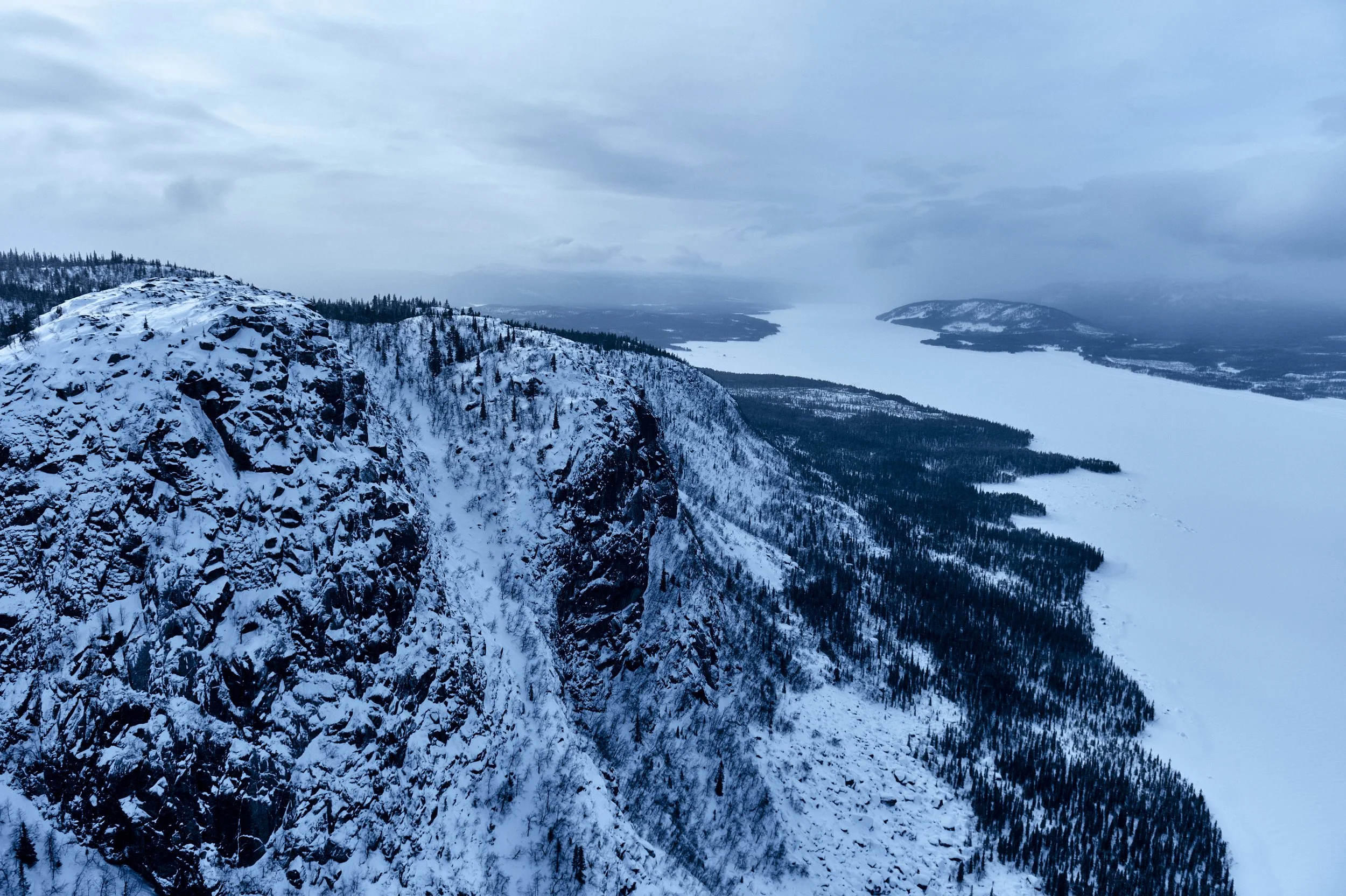


“The meticulous attention to detail in waxing and ski prep plays a crucial role in navigating the tough, slow tracks and ensuring that competitors can conserve energy over the course of the long race. It’s a process that might seem small, but it’s a game-changer in such a grueling endurance test.”
II
Our journey began with the night train from Stockholm. We rolled into Murjek the following morning, then hopped on a bus to Jokkmokk. It was quite the trip—one that really emphasized just how far up north Jokkmokk truly is. People often reach out to ask about the race, the preparation, and the gear needed. And yes, all of that certainly has its place. But for me, the journey itself is what matters most. Arriving at the starting line fit and healthy is important, but equally crucial is understanding where this adventure takes place. Traveling to Jokkmokk the way we did made all the difference—it put me in the right mindset and deepened my connection to the race and this home.
As soon as we touched down, we wasted no time hitting the tracks, venturing out and back along the infamous race course. The trails were nothing short of spectacular, bathed in glorious sunshine. Now that's what I call a proper welcome—exactly the kind of greeting we’d hoped for, and something we were praying would follow us all the way to race day.

“For most racers, this journey is a solitary one, through the snow-covered and unforgiving north. Alone with their struggles and a mind battling for comfort, they slip into a flow state. In this quiet space, an unspoken bond forms with every competitor who passes, joins, or fades away—silent yet profound.”
III
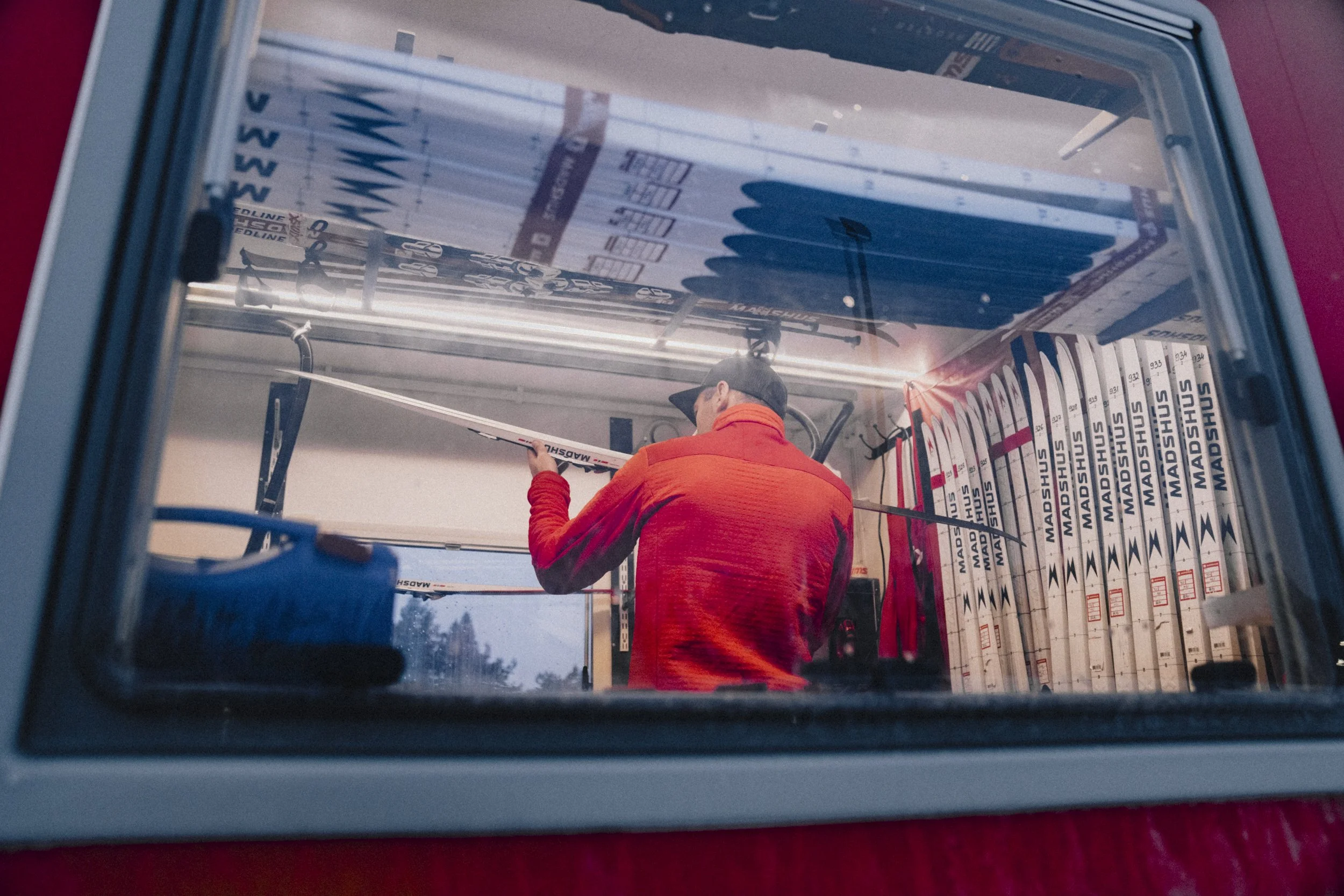
Ski waxing? It’s a topic that always stirs up a fierce debate among skiers. For my part, I kept my opinions to myself—at least until we rolled into Norrbottens län. That’s when we crossed paths with our German ski buddy, Peter, right outside our cozy cottage at the local campground. He graciously offered to give our skis the royal treatment the day before the race. And let me tell you, his work was nothing short of spectacular. As Marcus and I sailed down a long downhill stretch early in the competition, we couldn’t help but grin and tip our hats to Peter’s craftsmanship as we breezed past other skiers. It was the first time I truly felt the difference between a good ski and a great one. Without Peter’s expertise, what was already a tough day would’ve been downright brutal. Hats off to the man!
And then came race day, greeted by a fresh dusting of snow. With a 5 a.m. kick-off, the day started early—though who really gets a proper night’s sleep knowing what's on the agenda the next day? As we rolled up to the start line, a serene calm hung in the air. We huddled around the tent, trying to shake off those pre-race jitters. What I love about the Nordenskiöldsloppet is its laid-back vibe. Unlike Vasaloppet, where the crowds can be overwhelming, here you’ve got just around 600 racers. The energy at the start is more relaxed—everyone knows it’s going to be a long, challenging day.

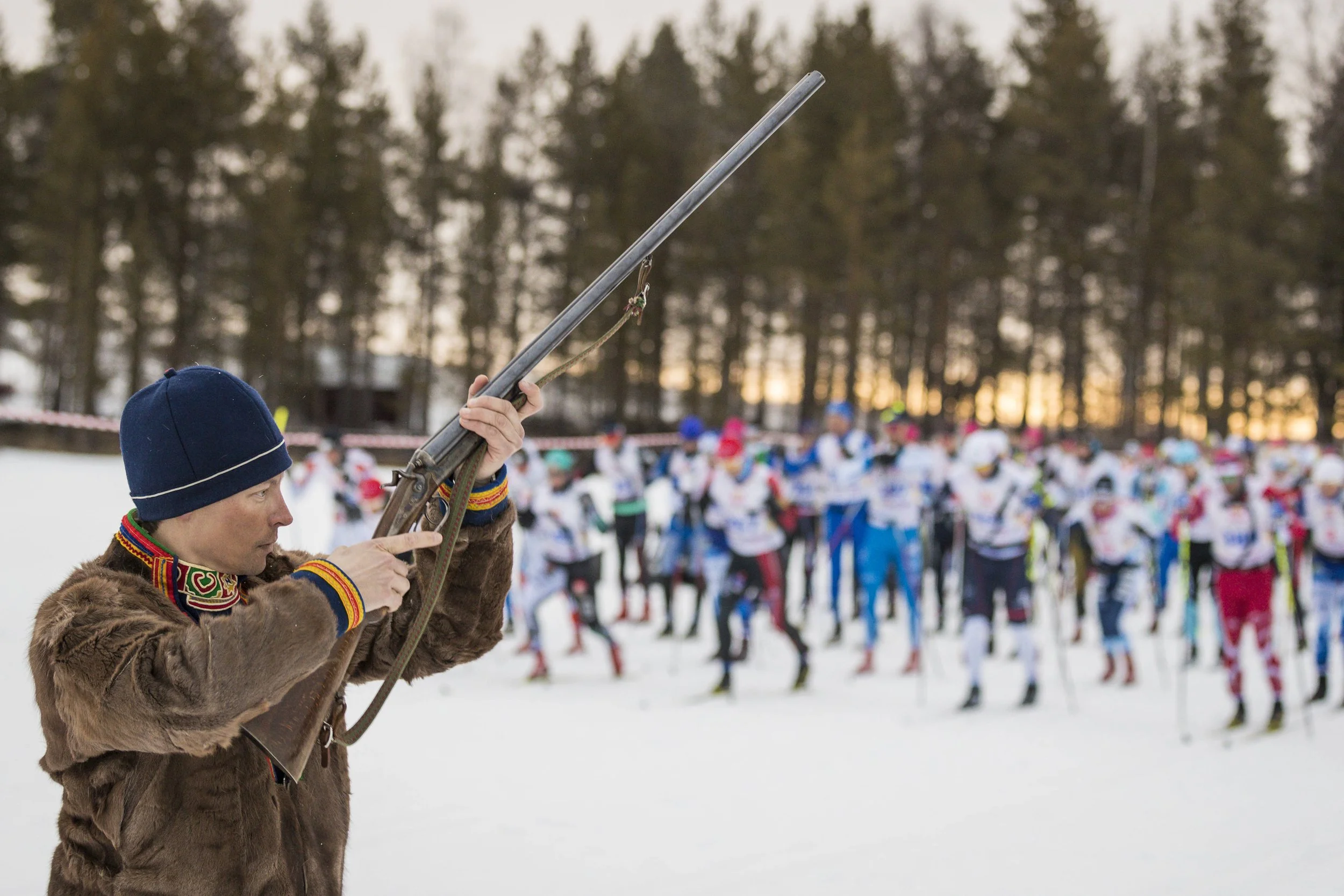

“The cold air is still, and racers are lined up, poised and tense, waiting for the signal. Then, with a sharp crack, the gunfire echoes across the snowy expanse, shattering the silence and signaling the start. Once the gun goes off at 05:00, participants have 30 hours to complete the 220 kilometers, pushing themselves through some of the harshest conditions imaginable.”
IV
Reaching the start line, feeling healthy and eager, is always the greatest challenge—especially when navigating the delicate balance of family life. But being here with my friends, at a race that I’ve grown to love, is something special. We managed to stick together for the first hour or so, gliding along and soaking up the incredible atmosphere and scenery. Skiing with friends in this breathtaking landscape—it just doesn’t get any better than this.
As the race unfolded, the natural selection process took its course, and the field began to stretch out. My dear Norwegian swimrun brother, Knut, bid farewell to our little crew early on. I can’t quite remember the exact moment we parted ways, but by the time I hit the aid station in Granudden (71 kilometers), I found myself in a group of four. We quickly fell into a fantastic rhythm—talking, laughing, and working together with seamless efficiency. Whether it was taking turns leading or offering words of encouragement, the dynamic was perfect.

“The rush of the start has given way to the solitary challenge of the race, with every kilometer pushing racers further into the unknown, but the determination to finish remains unwavering.”
V
I didn’t feel particularly strong right from the start, so this group was a lifeline for me. They helped me push through, focusing on something other than my own struggles. By the time we reached Tjåmotis (87 kilometers), after a grueling uphill battle that saw us picking up a few more skiers along the way, I was pleasantly surprised to bump into my finish Swimrun mate Jaakko Mäkelä. He was there crewing for his brother. It was a real boost to see a familiar face in the middle of nowhere, when you least expect it.
My notes from the first outing, along with a proper look at the course profile, made one thing clear: leaving Tjåmotis, the toughest part of the race was still ahead. The steep climbs to Sågudden are brutal, a true test of will. By this point, I was flying solo, struggling to find my rhythm. But it was all hands on deck—fight mode fully activated.


“Despite the solo nature of the race, skiers may encounter fellow competitors offering a helping hand—whether it's sharing an energy gel or offering words of encouragement during the toughest moments. In the vast expanse of Swedish Lapland, even the smallest act of kindness can make all the difference, reminding racers that, in the end, it's not just about endurance but the connections forged along the way.”
VI
As the Nordenskiöldsloppet course loops back on itself, it’s great to see the faster skiers heading back home. I bumped into Ville Mäkelä, Jaakko’s brother, cruising comfortably in the Top 10. Saw Waxmeister Peter too, and just before the turnaround point, there was Knut. Hitting that small loop around the little forest in Njavve and heading back home was a sweet relief. But there were still a whopping 110 kilometers left on this journey.
I made a quick stop at the Njavve aid station, grabbing some Maurten gels to keep the engine firing, then dove right back into those relentless climbs. Over the next few minutes, I bumped into Daniel, Agnes, Martin, and Ole—all in good spirits. But the steep ascents and endless uphill stretches that followed were punishing. I couldn’t find a solid group to settle into, so I ended up flying solo for most of it. Just before Granudden (145 kilometers), I crossed paths with another skier. When I reached the Granudden station, Renee and Jonatan were waiting, buzzing with excitement. I left the station on a high, joining the group with renewed energy.
Bälkasgårrå (159 kilometers) was my saving grace. I was counting down the minutes to my drop bag, getting colder by the second and wanted these dry clothes. Shifted into survival mode, and on the last long uphill toward the station, I had to let the others go. Spirits were low, but getting my hands on fresh clothes and loads of food at the aid station lifted my mood. When I left, a fellow Czech skier, Ondřej, joined me and it was a game-changer. We stuck together for the rest of the race, cruising through the cold and darkness.

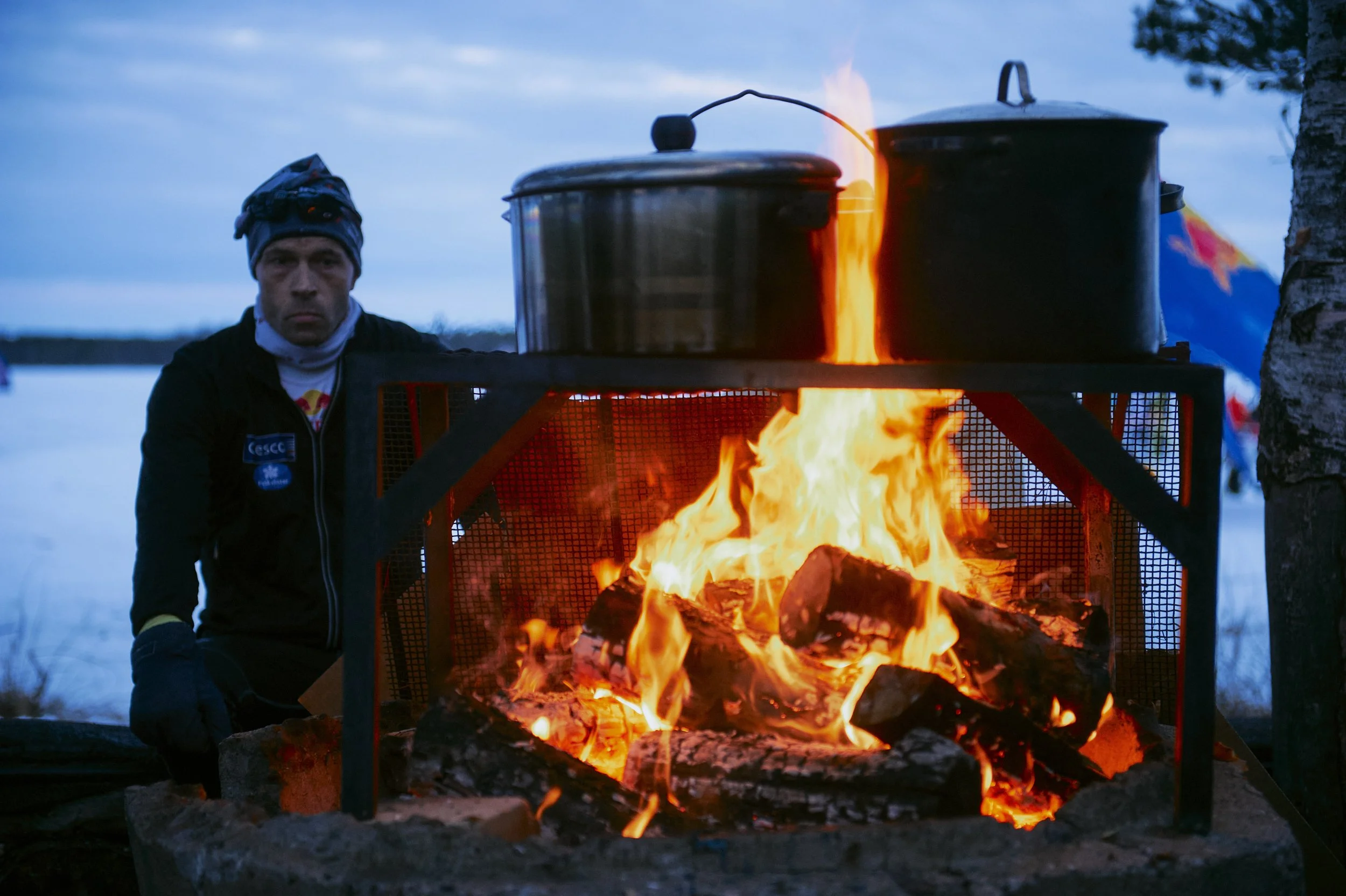

“Aid stations are vital lifelines along the course, where racers pause to refuel and recover before continuing their grueling journey. Positioned at relatively accessible points in the remote 220-kilometer stretch, these stations offer food, drinks, and drop bags with fresh clothes left by racers the day before. Volunteers provide support and encouragement, turning these moments into both physical replenishment and mental fortification. From Bälkasgårrå to Purkijaur, each aid station serves as a crucial checkpoint, offering the relief needed to face the unforgiving terrain ahead.”
VII
Purkijaur (201 kilometers) marked the final stop before the finish line. On my first outing, this station felt like an anchor, and I can hardly remember how I managed to drag myself back onto the tracks—across the flat, windswept, frozen lake, into the biting cold, the relentless wind, and the punishing slopes. But this year was different. To my surprise, I started to feel better after leaving the station, just in time for the brutal climbs that lay ahead. We caught up with a few other competitors, and as soon as I recognized the tracks and knew Jokkmokk was near, a wave of relief washed over me. Without Ondřej by my side, the final stretch would’ve been a true nightmare.

“Only a handful of athletes conquer the brutal 220 kilometers of the Nordenskiöldsloppet. Though many begin, only 60-70% finish, their bodies and minds pushed to the edge by the endless, unforgiving miles. The repetition, the exhaustion, the injuries—there is no way to truly prepare for it. But for those who make it to Jokkmokk, crossing that finish line is a victory like no other—a testament to raw endurance, unbreakable will, and pure grit.”
VIII
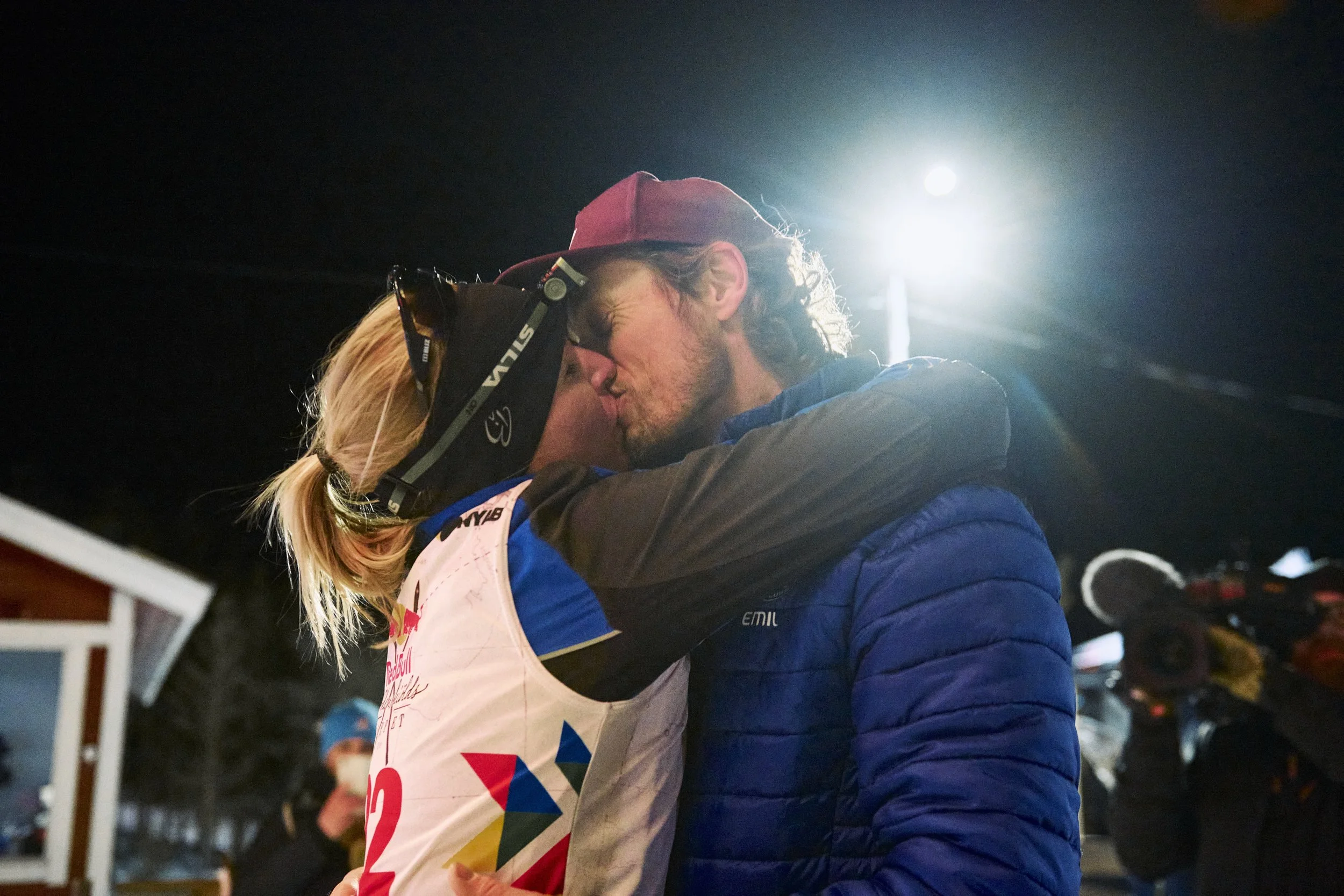
Crossing that finish line again after a grueling day, it was a moment of pure relief. I dug deep, and didn't even know where I found all that energy, especially with my back, shoulders, and elbows screaming in pain for hours. Thankfully, one of the incredible helpers took off my skis, and I relaxed beside the finish line fire, utterly spent. What a day. What a night.
This race is an iconic beast, no question about it. I’d forgotten just how vast and unforgiving the course is, how the distance seems to stretch on endlessly. Yet, despite the grueling challenge, there’s an undeniable sense of positivity woven into every part of it. From the volunteers who offer a smile and a helping hand, to the flawless organization, and the camaraderie among fellow competitors, there’s a special energy that makes it all worthwhile. It’s a feeling that stays with you long after the race ends, a reminder of the spirit that makes this event truly unforgettable.


SHARE
OTHER STORIES
-
born to endure
CULTURE
-
from the track to freedom
INTERVIEW
-
The first step
CULTURE
-
A Nordmarka Classic
CULTURE
-
The Art of Fast Skis
INTERVIEW
-
Nattvasan
CULTURE