
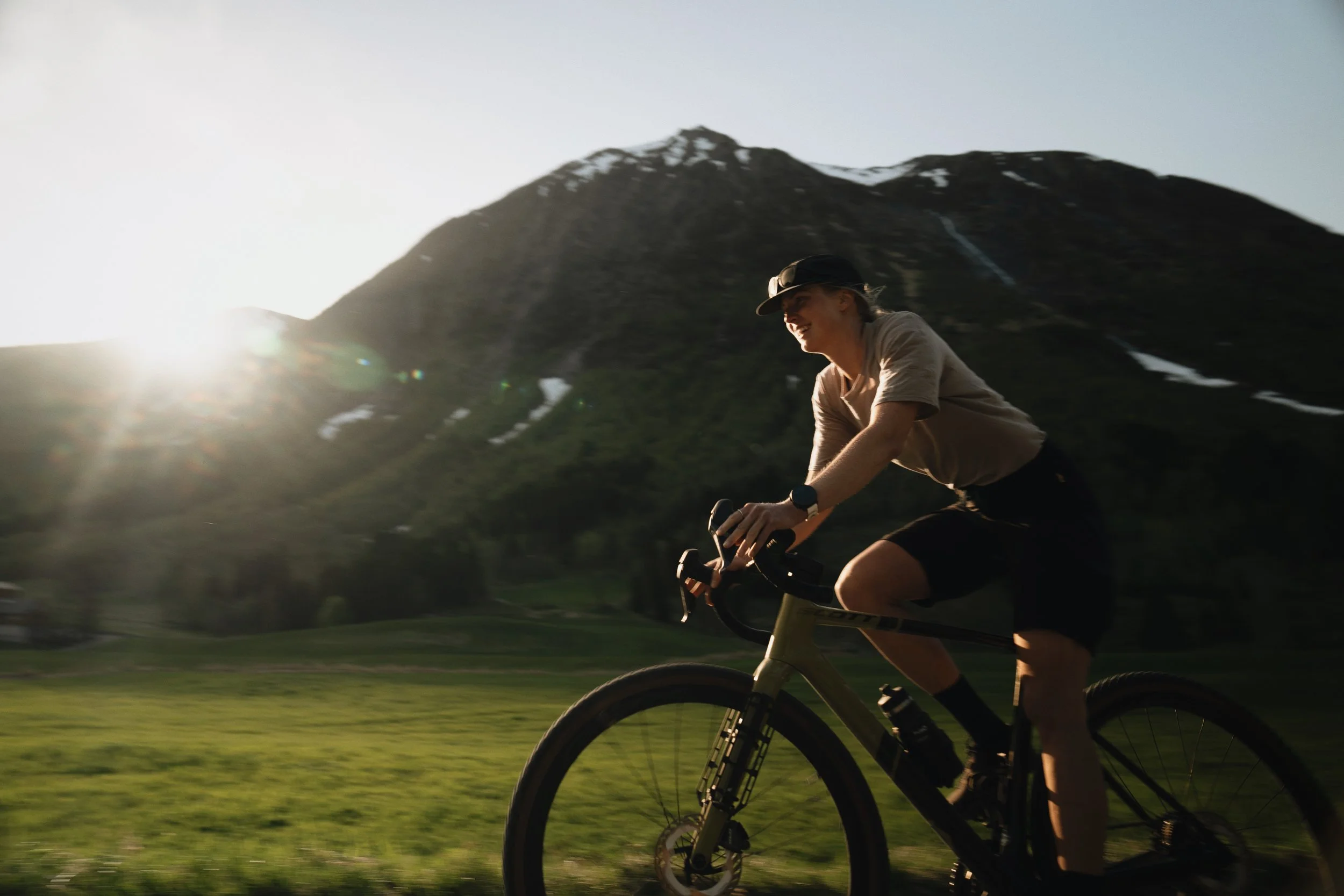
From the track to freedom
Henna Palosaari on leaving competition behind to find joy, adventure, and the freedom to move on her own terms.
Written by Henrik Rostrup
Photography by Mikko Karlin & Adam Gairns
“Endurance sports taught me that progress requires commitment. You have to put in the hours, train, and enjoy the process. When I was doing track and field, I was overly critical of myself, which robbed me of joy—I was never satisfied with my performance. But learning new sports later in life taught me to let go of that mindset.”
I
It seems like Henna Palosaari has seamlessly integrated her love for the outdoors into her lifestyle. Growing up with a competitive background in track and field, Henna has carried forward a deep appreciation for movement and the joy of learning new sports.
“With my competitive background, I spent 14 years in track and field. We were outside, sure, but it wasn’t about exploring the mountains or connecting with nature—it was all about training. When I stopped competing, I just wanted the freedom to do what I loved. I had been snowboarding but never tried backcountry snowboarding. Suddenly, I realized I could do it without anyone telling me, “Don’t get hurt” or “Don’t do that.” I was free to explore, so I gave it a shot, and it was incredible.”
“After spending so many years running around the same track or training in indoor halls, being out in the mountains was a whole new experience. It added a completely different dimension to physical activity. Touring uphill was still challenging, but the reward wasn’t just physical—it was the incredible places I got to see. I realized that for me, exercise wasn’t just about moving my body; it was about the experiences that came with it.”
II
Even though I don’t know you personally, from what I’ve seen of what you’re doing, it’s clear you have an athletic background. I didn’t know you were a track and field athlete, but it makes sense. You can see it in your ability to organize, stay disciplined, and always pursue something—qualities that come from being goal-oriented.
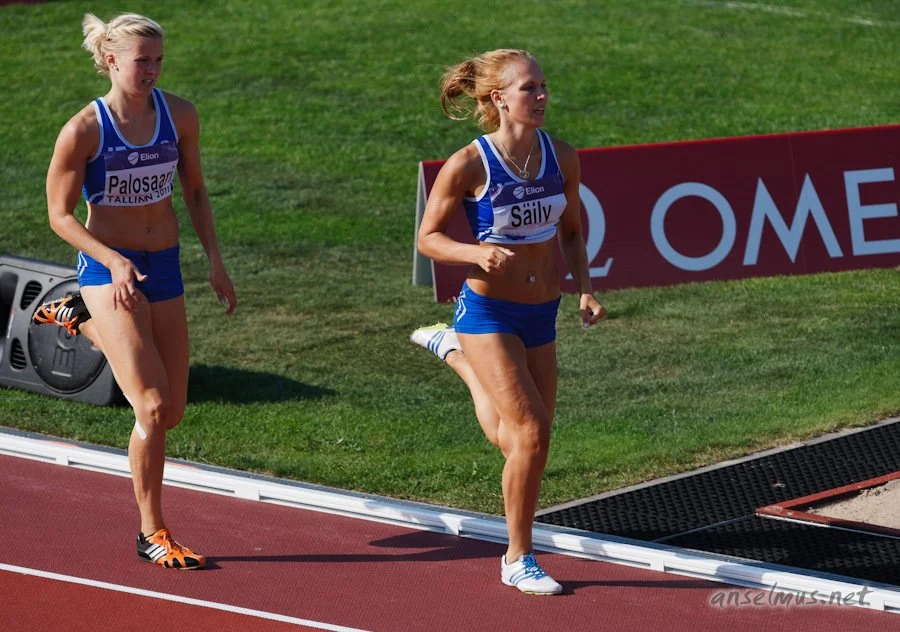
My sport was heptathlon, which involves seven different disciplines. That probably explains why I still enjoy doing so many different things and find it hard to focus on just one. Heptathlon isn’t easy—you need solid endurance to perform all the events over two days, giving maximum effort in each one.
I competed in heptathlon until I was 23, so I guess you could say I kept at it until I was quite 'old'’. I was part of the Finnish National Team, and at the same time, I was doing my business studies. Honestly, all my life choices revolved around track and field. My goal was to excel, and I managed to compete in Junior World and European Championships. At that time, it was my entire life and my primary focus. Eventually, I started dealing with a series of injuries. I missed several summer seasons due to a stress fracture in my lower back, which took a long time to heal. Even while injured, I struggled to rest properly—I kept pushing through rehab, only for new setbacks to arise, like spraining my ankle during the last training camp before summer and being unable to run for months.
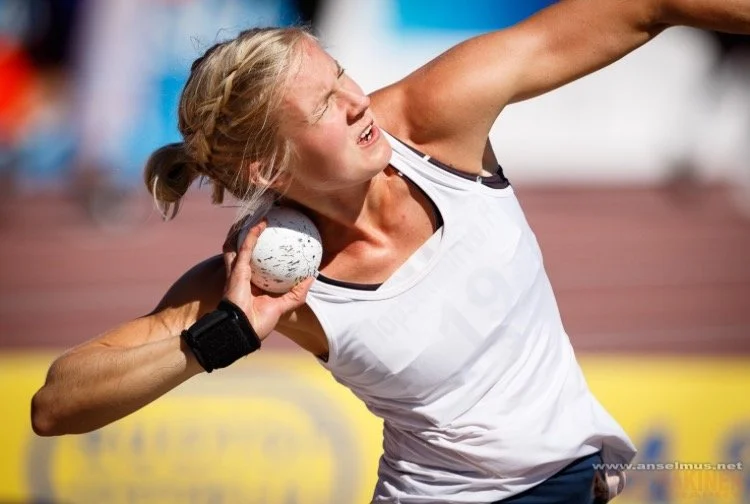
Over time, these injuries built up, and I began losing the joy I once had for the sport. I vividly remember my last heptathlon competition, standing at the shot put event, thinking, “What am I doing here? I don’t feel this anymore.” I spoke to my coach and admitted my heart wasn’t in it.
“For me, sports and physical movement are a form of self-expression—they’re such a big part of my identity. I’ve built my life around staying active, so the idea of stopping feels like losing a core part of myself. I think that’s why many athletes feel a sense of emptiness after they stop playing competitive sports.”
III
It’s fascinating how athletes transition into something new after their competitive careers. Instead of abruptly stopping, many athletes keep moving, drawing on the positive experiences from their athletic backgrounds. That desire to stay active and explore remains strong, which I find really inspiring.
For me, sports and physical movement are a form of self-expression—they’re such a big part of my identity. I’ve built my life around staying active, so the idea of stopping feels like losing a core part of myself. I think that’s why many athletes feel a sense of emptiness after they stop playing competitive sports.
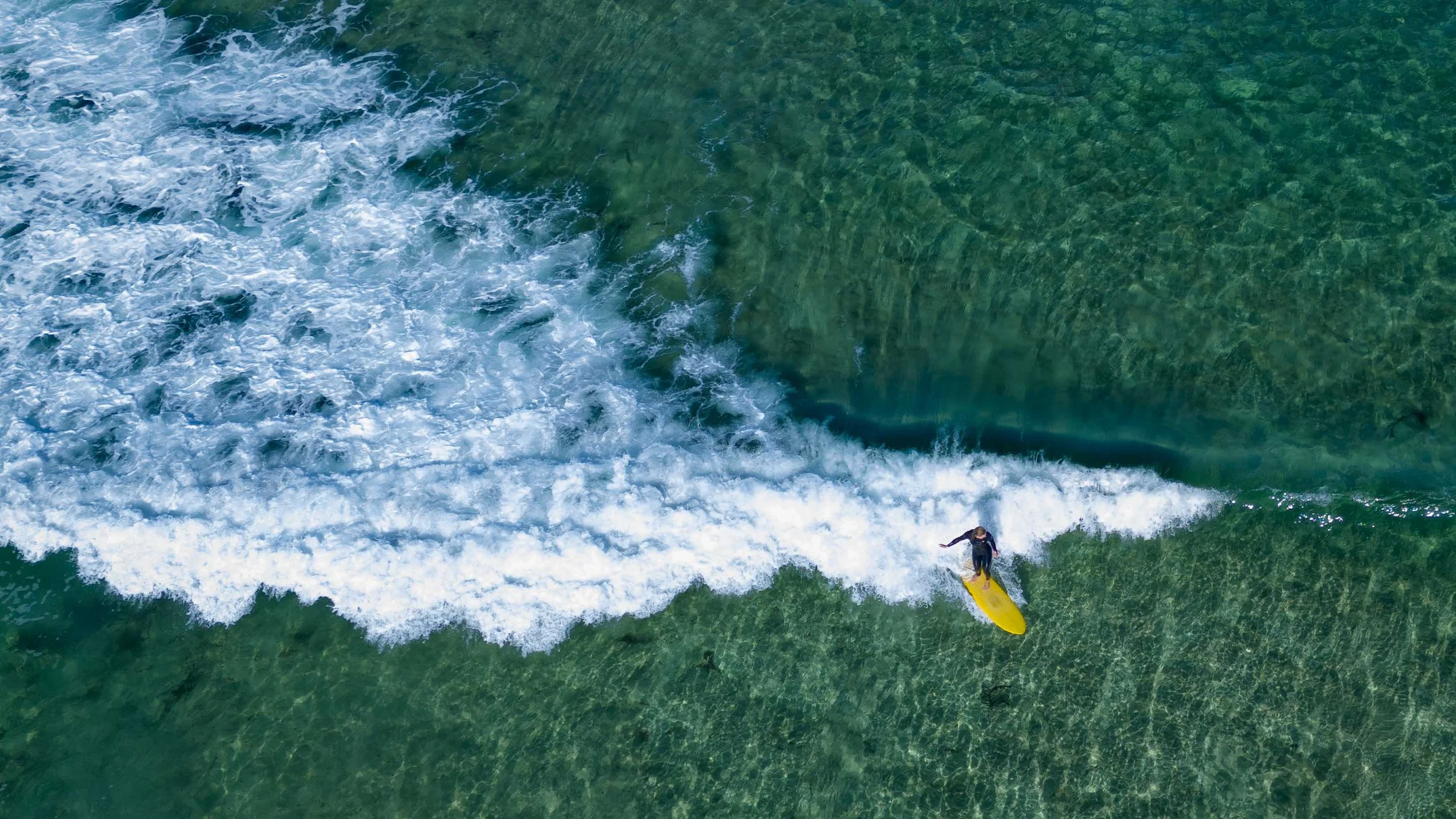
I never felt that emptiness after stopping competitive sports. Instead, I saw it as an opportunity to explore new activities—learning to surf, for instance. I started when I was 24, which isn’t particularly young, and I had to humble myself. I wasn’t good at it, but I was determined to put in the work because I really wanted to learn.
Endurance sports taught me that progress requires commitment. You have to put in the hours, train, and enjoy the process. When I was doing track and field, I was overly critical of myself, which robbed me of joy—I was never satisfied with my performance. But learning new sports later in life taught me to let go of that mindset. You don’t have to be the best; you just need to embrace progress, appreciate the small steps, and keep the joy in the process.
For example, falling is a natural part of learning. Sometimes, it feels like there’s pressure—especially on girls—to know how to do everything perfectly and avoid falling. But how can you learn if you don’t fall at least ten times first? Accepting failure as part of the process, laughing at yourself, and trying again makes it all so much more rewarding.
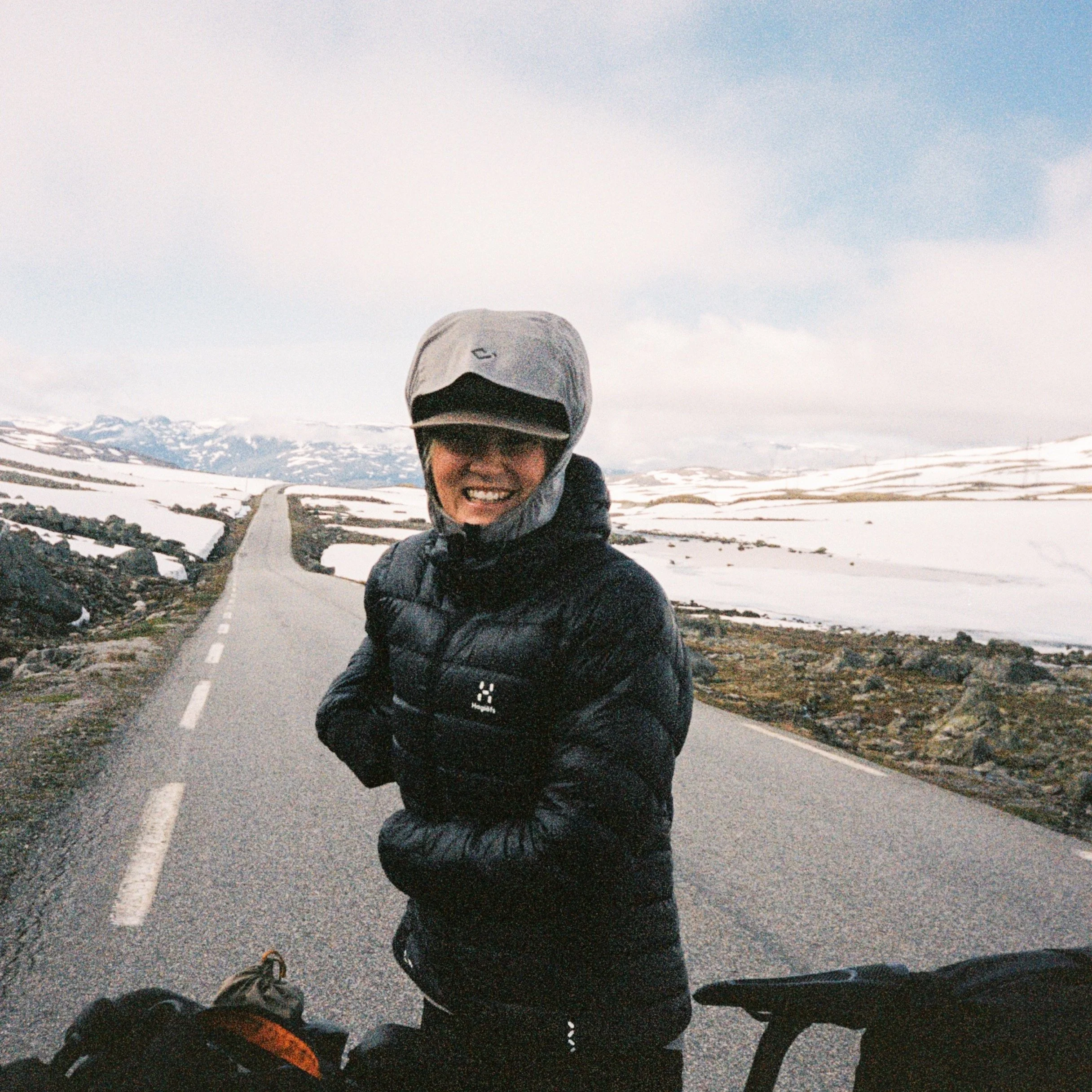
“Now, I prefer to move based on how I feel. I haven’t followed a training program since I quit competitive sports. Of course, I know what’s required to get fitter in certain areas, and I might incorporate some of those practices if I feel like it. But I don’t commit to them rigidly.”
IV
There are so many ways to define success, and it’s not always about winning. Sometimes, it’s about personal growth or achieving recognition in your own way. Do you see parallels in how you shape your journey now? Do you still track distances, stats, or performance, or is it more open-ended—are you simply happy to be here and enjoy the experience?
I feel like I have a hard time committing to structured training programs. I don’t like following a strict plan or chasing specific metrics, like needing to bike a certain distance or hit a specific pace. I’ve tried it, but I find that it takes the fun and enjoyment out of the process.
Having a competitive background in track and field has definitely been an advantage. Training for at least 20 hours a week for years built a strong physical foundation. That’s probably why I don’t feel the need to train as much now—it’s a base I can still rely on. If I hadn’t done sports growing up and only started at 25, I’d definitely need to work on building strength and endurance first.
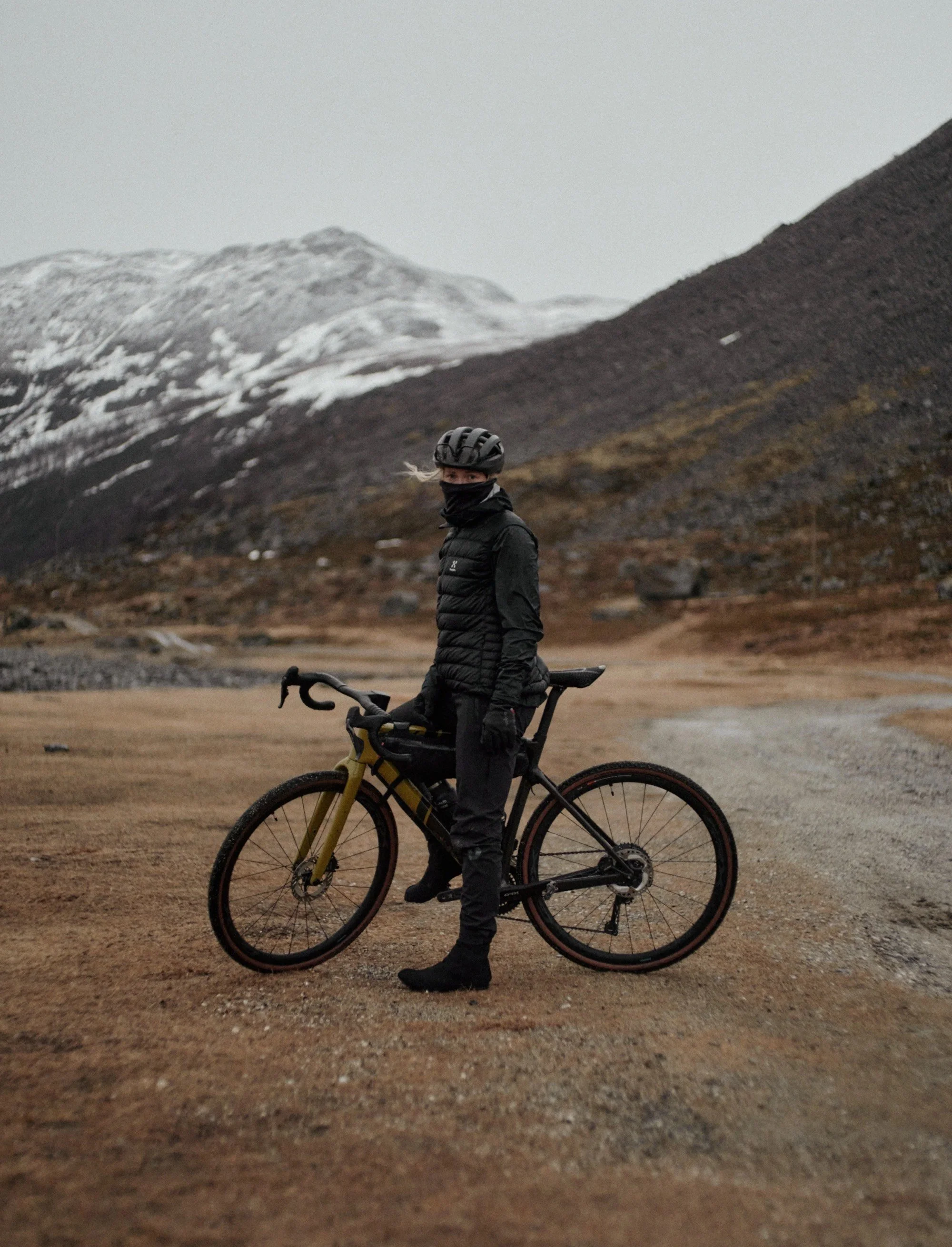
My main goal isn’t to be the fastest or the strongest—it’s simply to be fit enough to do the things I enjoy. Whether it’s a 200-kilometer bike ride with 4,000 meters of elevation, I don’t need to do it quickly; I just need to be able to do it. Reaching that level of fitness takes effort, but for me, it’s about ensuring my fitness doesn’t limit the adventures or trips I want to take.
V
Tell me about your loop around Finland. That must have been an incredible journey—what was it like to dive into something like that?
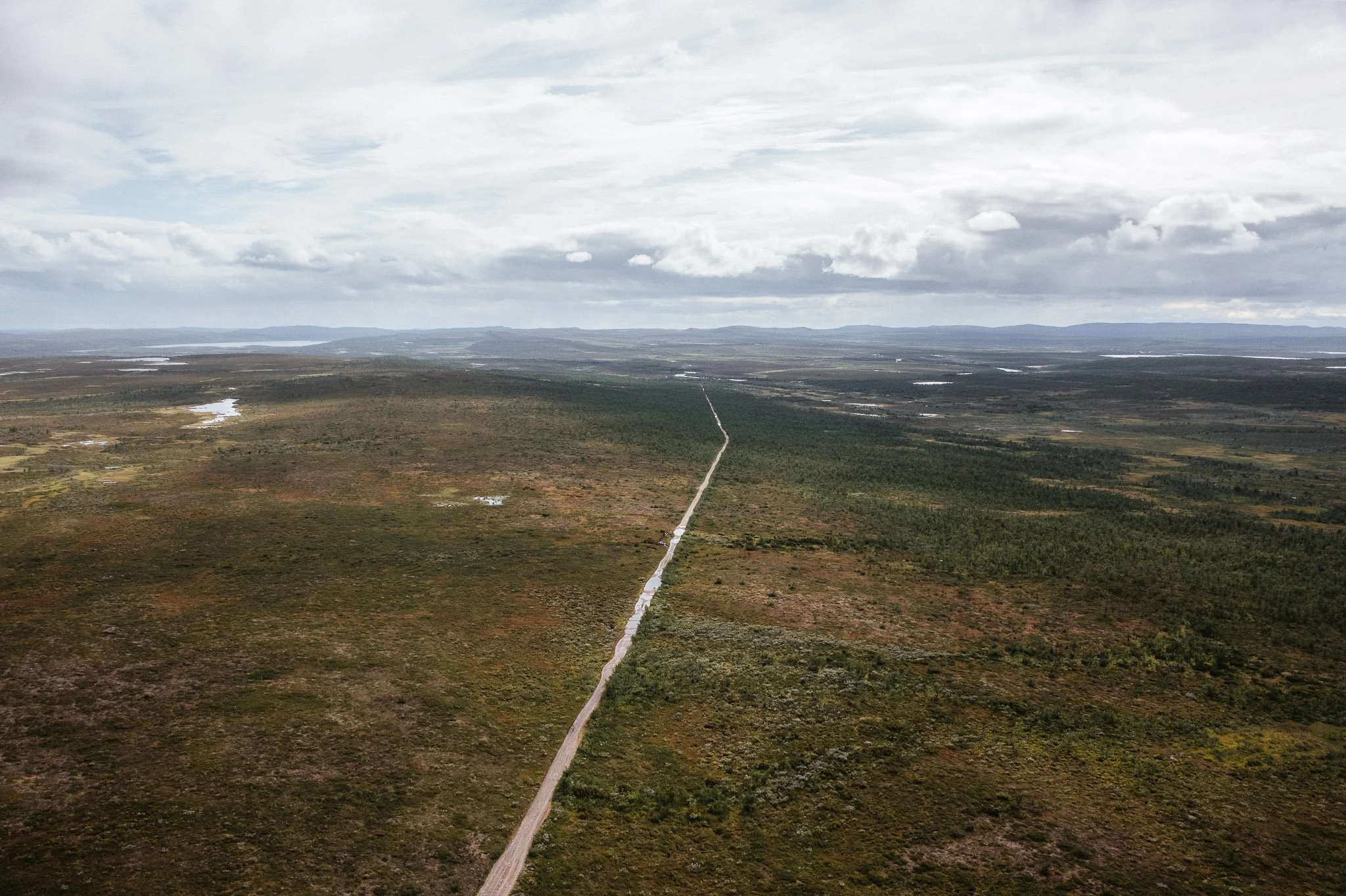
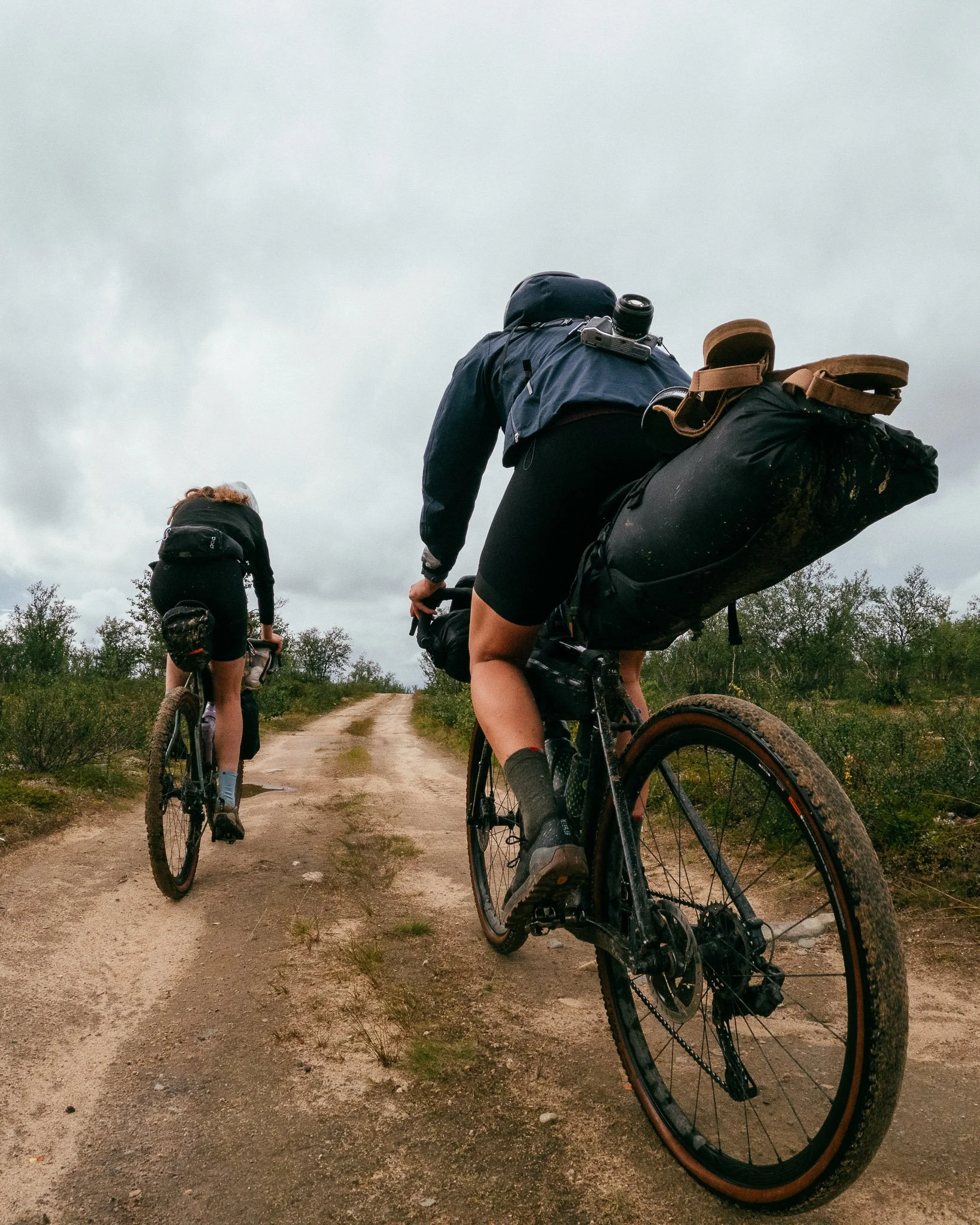
That trip around Finland was such a funny and spontaneous adventure. I got the idea in the spring when I got unemployed from my guiding job because of covid pandemic, but I didn’t even own a gravel bike at the time. Once I decided to do it, I put my savings together, bought the bike, some gear, and did maybe one or two rides beforehand. I’d never tried bikepacking before, and my bags arrived the night before I left. By Friday evening, I was packing everything, and the next morning, I just took off, figuring things out as I went.
I’m not one to over-prepare or follow a step-by-step plan, so it was a fun challenge. I had a rough idea of the route but planned each day the night before, depending on how I felt. With one and a half months for the trip, I wasn’t pressured by time, so it was all about moving forward. I liked it so much that I didn’t take rest days, biking on average over 100 kilometers every day for 41 days straight. But with Finland’s long summer days, it didn’t feel rushed—you could start in the morning, bike leisurely, stop to rest, and still finish by 10 p.m.
What I miss most about that trip is the headspace it puts you in. Every day is simple: pack up in the morning, bike, eat, sleep, and repeat. You only focus on where to restock food and supplies, and it strips everything else away. It’s such a peaceful and freeing experience.
I gained a deep appreciation for my roots—how my parents raised me, introduced me to sports, spent time in nature, and taught me the value of working hard. But I also realized the importance of finding my own way. There’s a balance between cherishing where you come from and shaping the life that makes you fully happy.
VI
Given your track background, I imagine just being out and training all day must feel so enjoyable. It’s probably what a lot of people aspire to—setting competitions aside and simply challenging yourself for the sake of it. There’s something so relaxing about being able to train without any worries, just immersing yourself in the experience.
Sometimes, I feel curious about what I can do—not in a formal training sense, but more as an experiment. For example, with bike rides, I’ll notice the climbing or distance we achieved and think, “That wasn’t too bad; maybe I can push it further next time.” It’s about testing my limits. I enjoy using a watch to track what I’ve done, but I don’t train systematically.
I think it’s amazing to see people pushing limits and doing incredible things. Some of the speeds achieved in bikepacking events are just mind-blowing—it’s inspiring to see what’s possible.
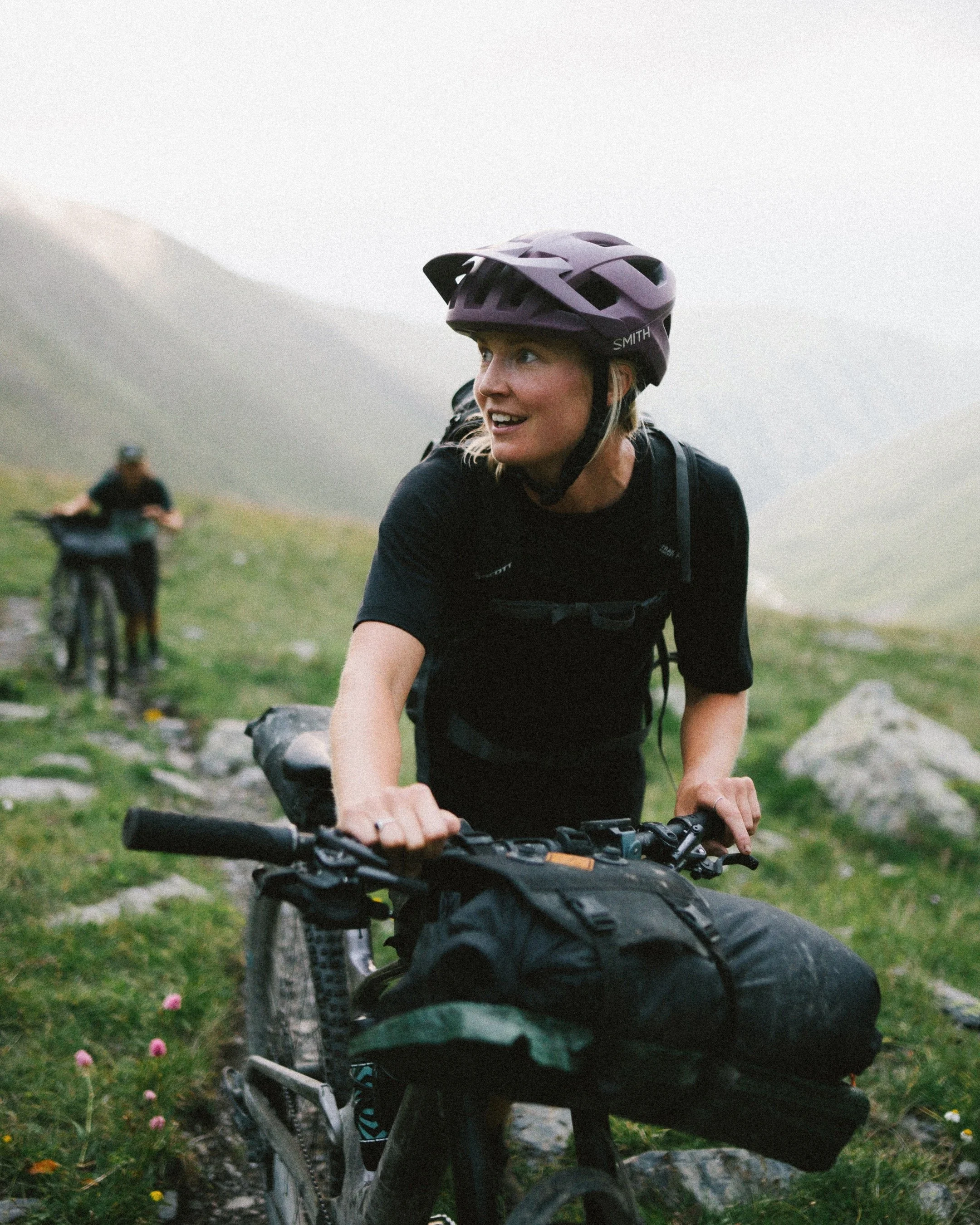
When you’re doing long bike rides, there are moments that aren’t necessarily fun or comfortable. I think the key is understanding that comfort and fun don’t always go hand in hand. For me, finding the fun in the uncomfortable is part of the appeal. When things go wrong—when you fall, when you feel like you’re too tired to move anymore or something unexpected happens—those moments often turn into the best stories later. You just have to laugh at them and not take things too seriously.
Even when things go wrong, you can still accept yourself, and it doesn’t change your value. On long bike rides, for example, I’ve learned to be happy with where I’m at, the pace I’m moving, and the space I’m in. That self-acceptance keeps the joy alive.
In the past, I struggled because I was never satisfied with what I did or achieved. I’d always think, “I should have done better. I should have gone faster.” That mindset took the joy out of everything for me.
There’s a large audience interested in biking and gravel, but many of them aren’t drawn to the racing aspect—it’s just not relatable for them. That’s why it’s so important to showcase both sides. Competition is a natural part of any sport as it evolves, and there’s nothing wrong with people enjoying it or pushing their limits.
However, I think brands have a responsibility to show the diversity of experiences gravel biking offers—not just racing but also the adventure, freedom, and exploration that draw so many people to it in the first place.
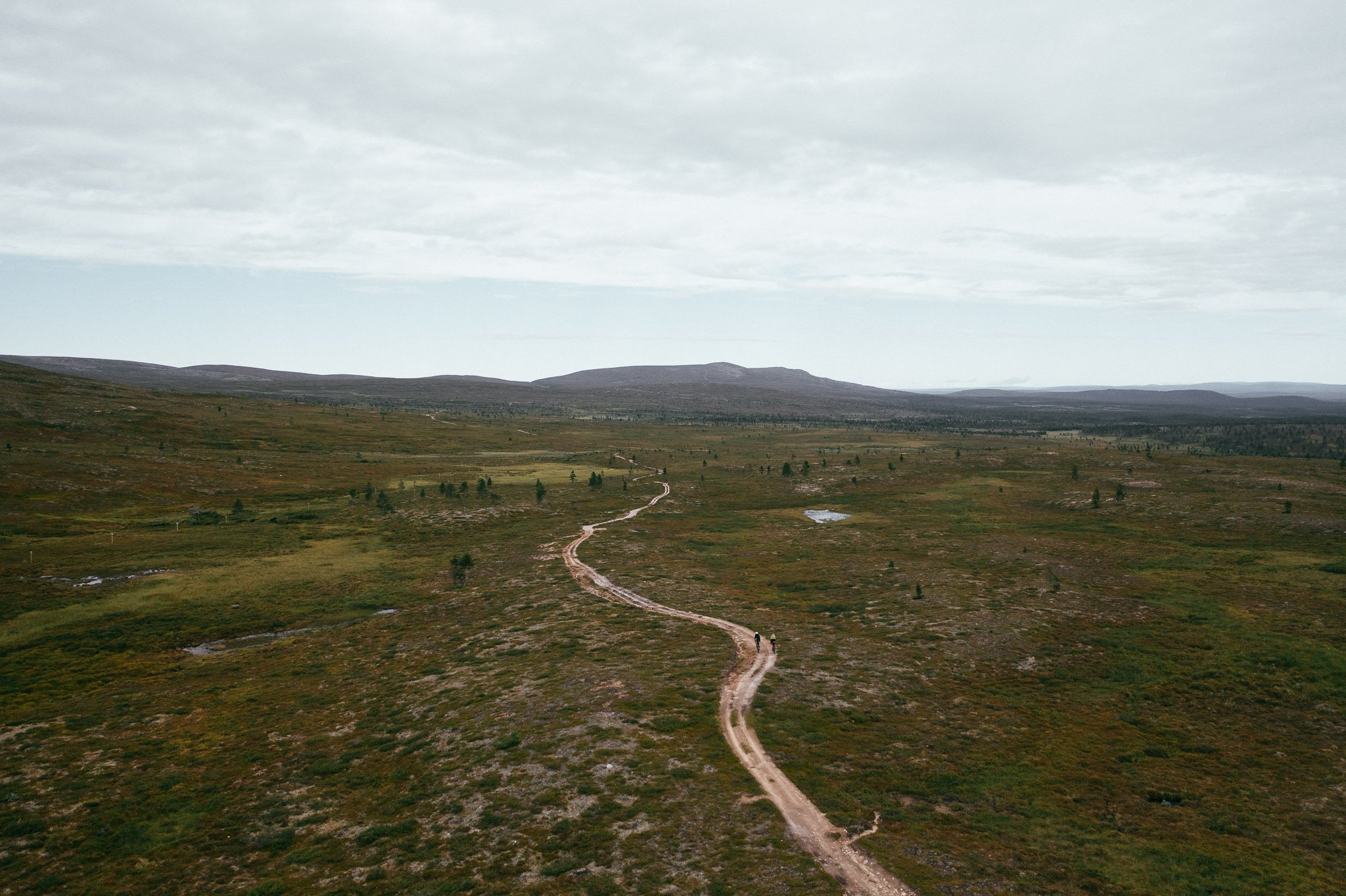
“At the same time, I feel it’s important to recognize the broader scope of activities, especially in gravel biking. It’s been fascinating to watch its development—it started as something very relaxed, but over time, racing has become the dominant narrative in brand communications. Gravel biking is so much more than just racing, though, and focusing solely on competition risks leaving a lot of people out.”
VII
If you separate them, each sport—biking, snowboarding, or surfing—can stand alone. It doesn’t have to be part of a bigger journey. But what do you enjoy most about combining them into one experience? And which of your trips has been the most fulfilling?
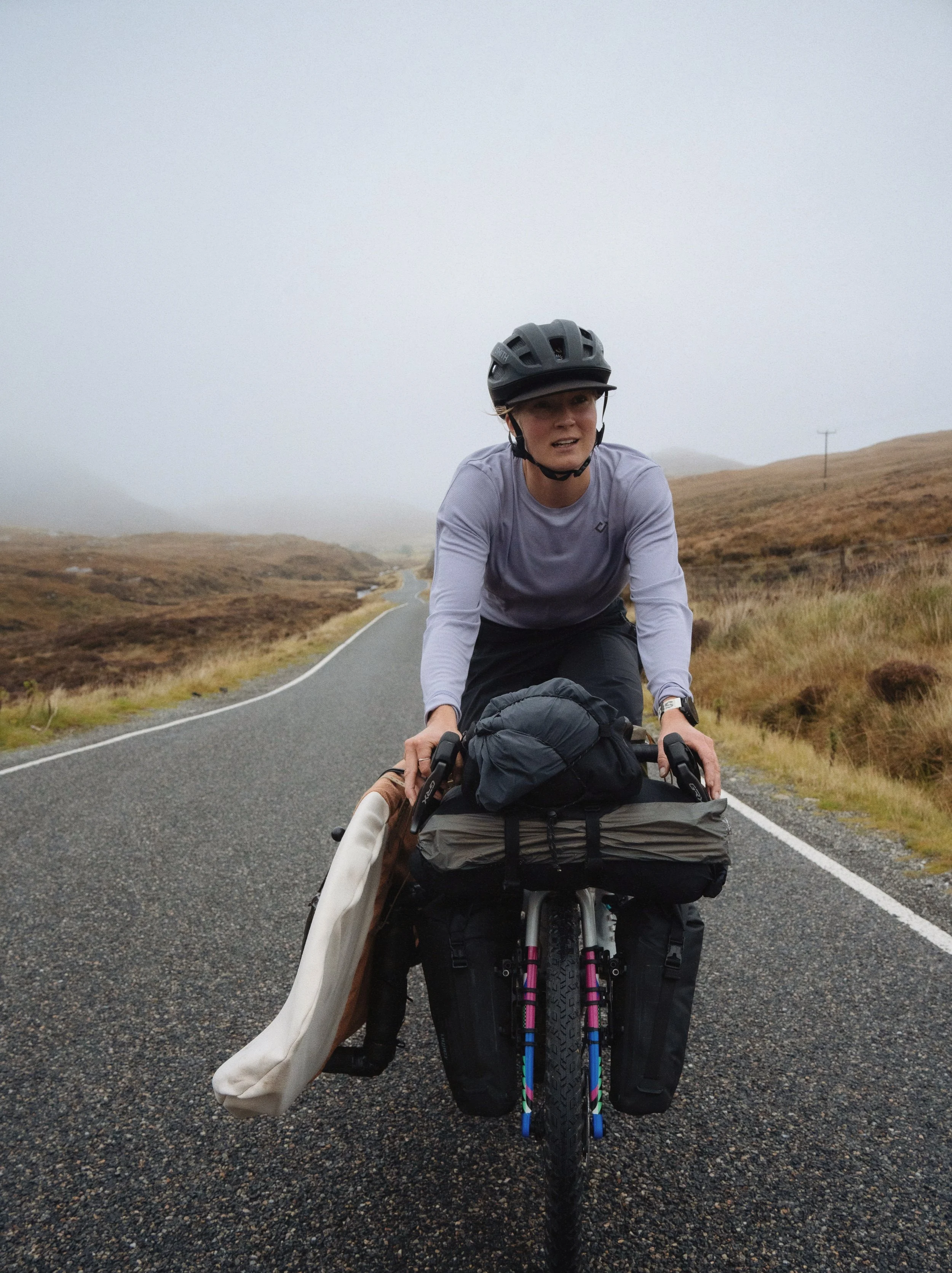
Over the past two years, I’ve really enjoyed trips that combine biking with snowboarding or surfing. It adds a whole new challenge. For example, we went surf-packing this September. Suddenly, it wasn’t just a normal bikepacking trip anymore. You’re battling the weather, the winds, and trying to time everything right to catch the swell. What would typically be a simple bike trip becomes so much more complex—and I love that extra layer of challenge.
It also shifts the focus away from performance. When you strap a surfboard or a splitboard to your bike, you’re not just chasing long distances or crazy elevation gains. On a standard bikepacking trip, there’s often pressure—especially with social media—to ride a certain distance or hit specific numbers. But when you’re carrying extra weight, the goal isn’t about covering as many kilometers as possible; it’s about the experience. You stop, wait for the right wave or snow conditions, and just enjoy the process. Mixing things up like this makes the adventure feel richer and more rewarding.
It seems like you’ve reached a point where you’re really comfortable expressing yourself. Do you feel like this is something you’ve always had, or is it a part of yourself that you’ve been unlocking and growing into over time?
After my time in track and field, I realized how much pressure I had been putting on myself—always focused on goals and where I needed to be. I don’t carry that pressure anymore. I don’t feel the need to prove anything to anyone. Now, I’m just riding and doing things for myself, and that has opened up so much space for fun and creativity.
I love capturing moments through photos and videos, sharing the different aspects of the journey. The places I move through inspire me deeply, adding another layer of meaning to the physical exercise. Spending so much time in nature on these long rides has brought a creative element to what I do. It’s no longer just about the movement—it’s about the beauty of the surroundings and how they connect with the experience.
In track and field, everything was so goal-oriented and rigid; there was no room for creativity. But moving freely in nature has changed that for me—it’s physical exercise combined with a creative outlet, and that makes it so much more fulfilling.
VIII
When you were younger, you probably wanted to be a pro athlete or push yourself as far as possible. Now, you’re doing so many amazing things, but do you ever feel like a professional at what you do? Or do you still see yourself as an amateur who just enjoys heading out with friends on a nice day?
The reality is that you can’t always be on an adventure or a long trip—life just doesn’t work that way for most people. I do miss being away for longer periods, but I also know I want to keep doing these trips. So, it’s about finding a balance: how can I structure my everyday life to include fun and physical activity while also making room for those longer adventures?
Part of it is figuring out how to negotiate enough unpaid vacation or build a life that allows for breaks to take those trips. Also, I prioritize free time over money. I don’t need a fancy house or see a home as a status symbol—what matters most to me is having the time to do what makes me happy. It’s easy to get stuck in a routine and think it’s not possible, but then you have to ask yourself, “How can I make this work? What steps do I need to take to prioritize what’s important to me?”
I wouldn’t call myself a professional because I know the level of commitment and the hours professional athletes put in—I’m not doing even half of that. Being a professional athlete is a huge commitment, and while I admire it, that’s not what I’m aiming for anymore.,I dealt with a lot of injuries back when I was competing and it taught me that having a healthy body isn’t guaranteed—it’s something you can lose by either overdoing it or doing nothing at all.
I definitely see myself as more of an amateur, and I actually really like that term. Its origins from Greek mean “a person who does the sport for the love of it,” which resonates with me.
I think for me, my mind needs movement to truly relax. I’m not great at sitting still—it’s something I know I need to work on. But for me, going for a full day of riding feels like the most relaxing thing. People often tell me, “Henna, that’s not relaxing. Don’t you know the difference between relaxing and exercising all day?” And I just laugh, because to me, they’re the same thing.
SHARE
OTHER STORIES
-
born to endure
CULTURE
-
from the track to freedom
INTERVIEW
-
The first step
CULTURE