
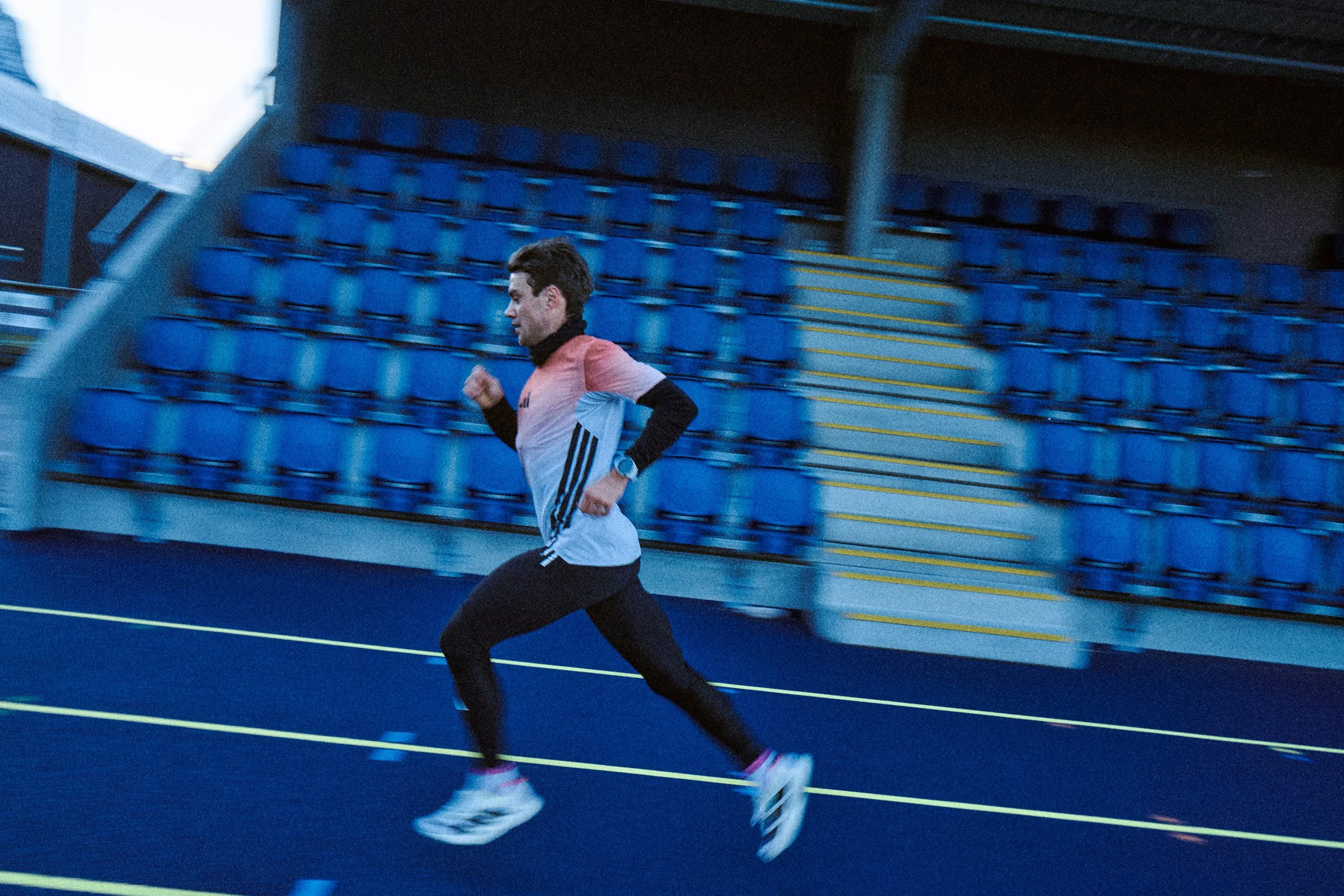
WINTER IS WHERE
IT STARTS
Interview by Henrik Rostrup
Photos by Sebastian Mamaj
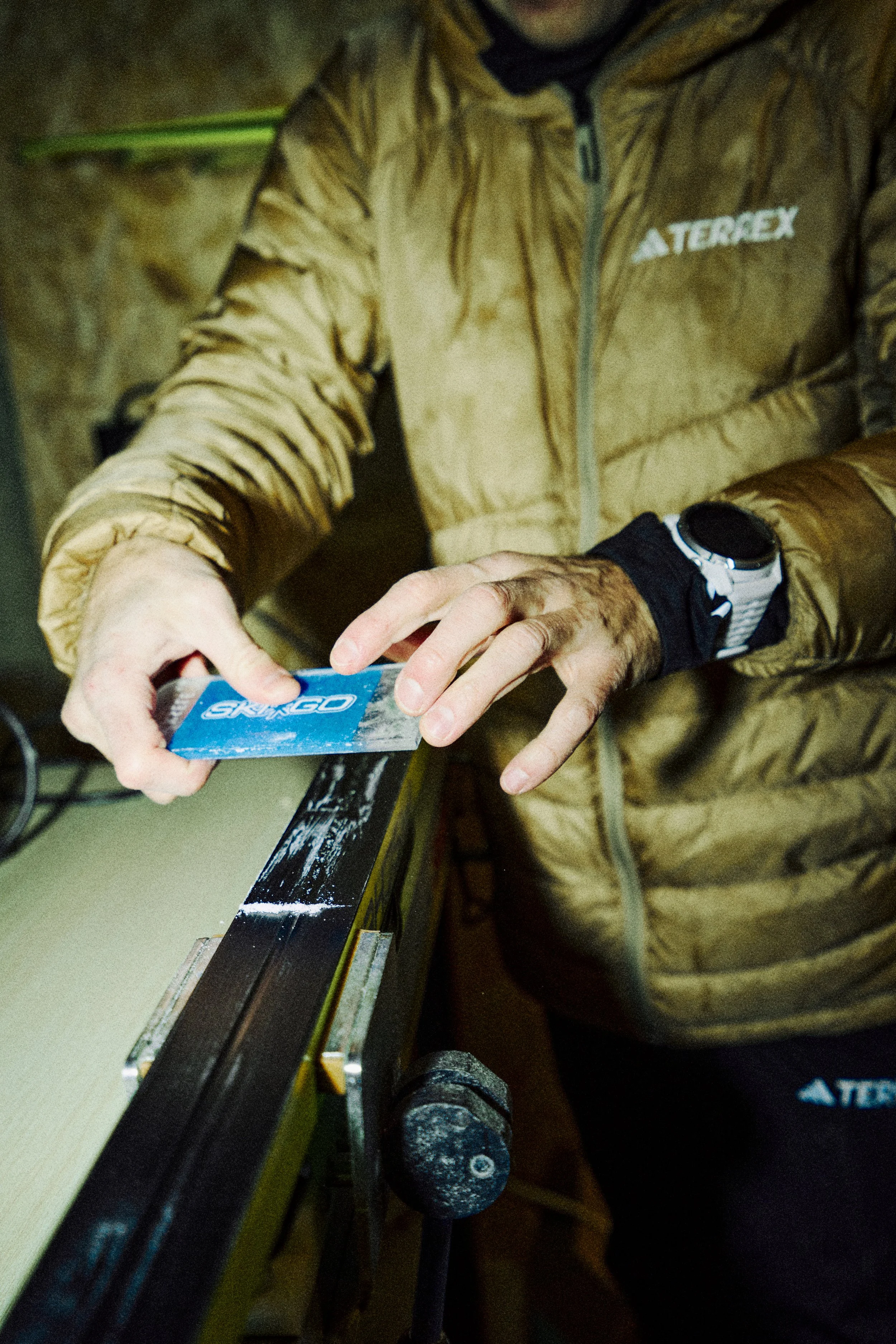
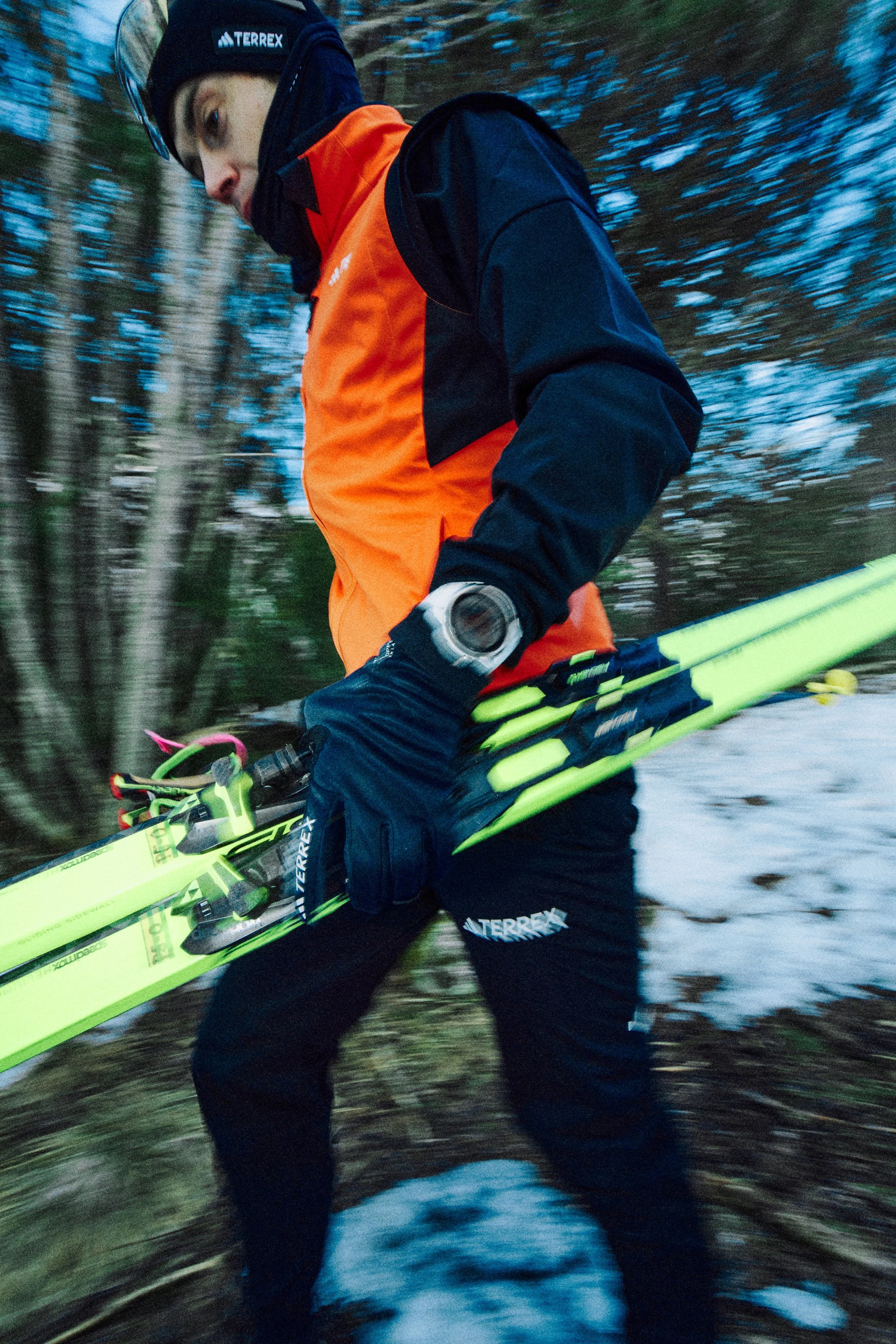
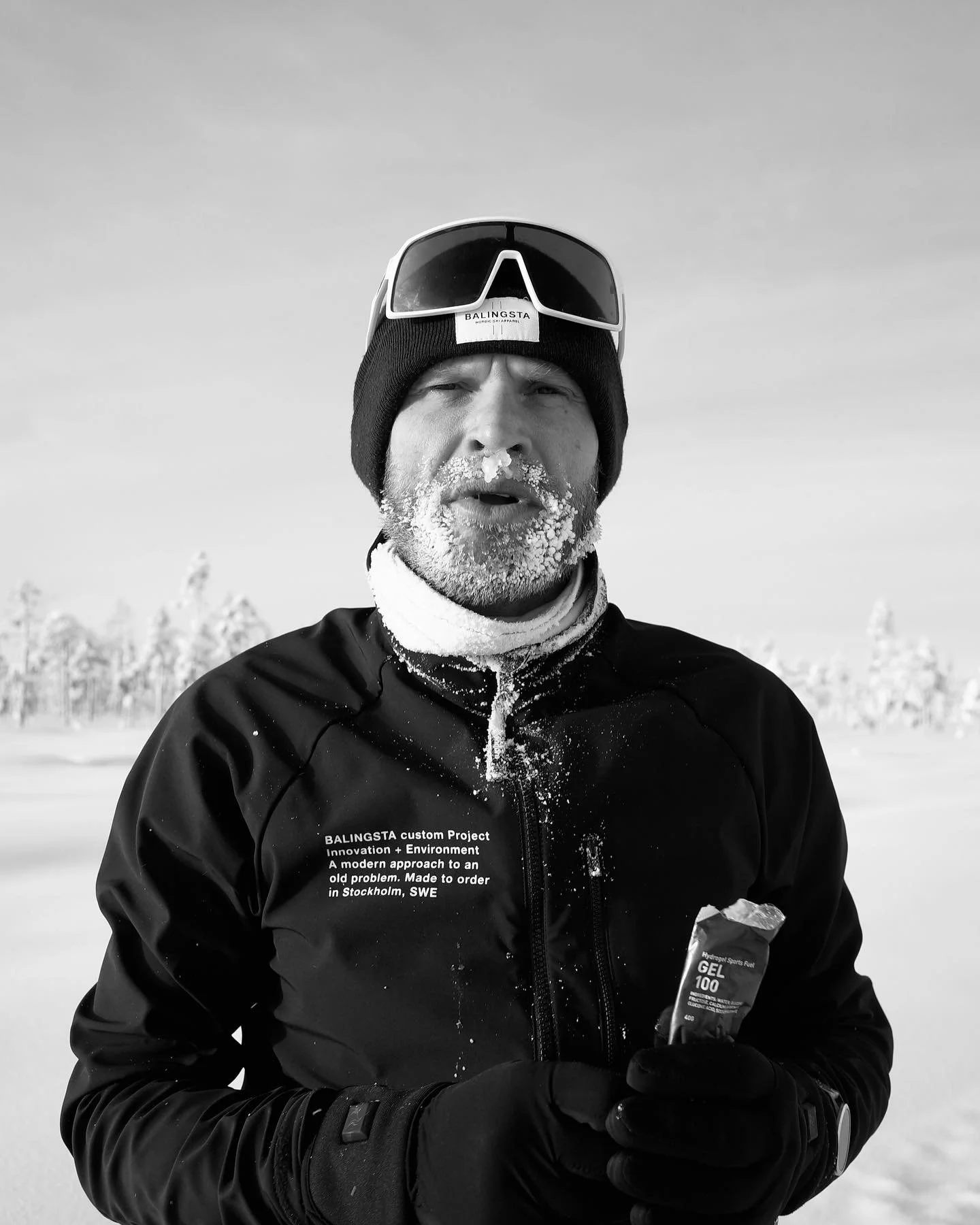
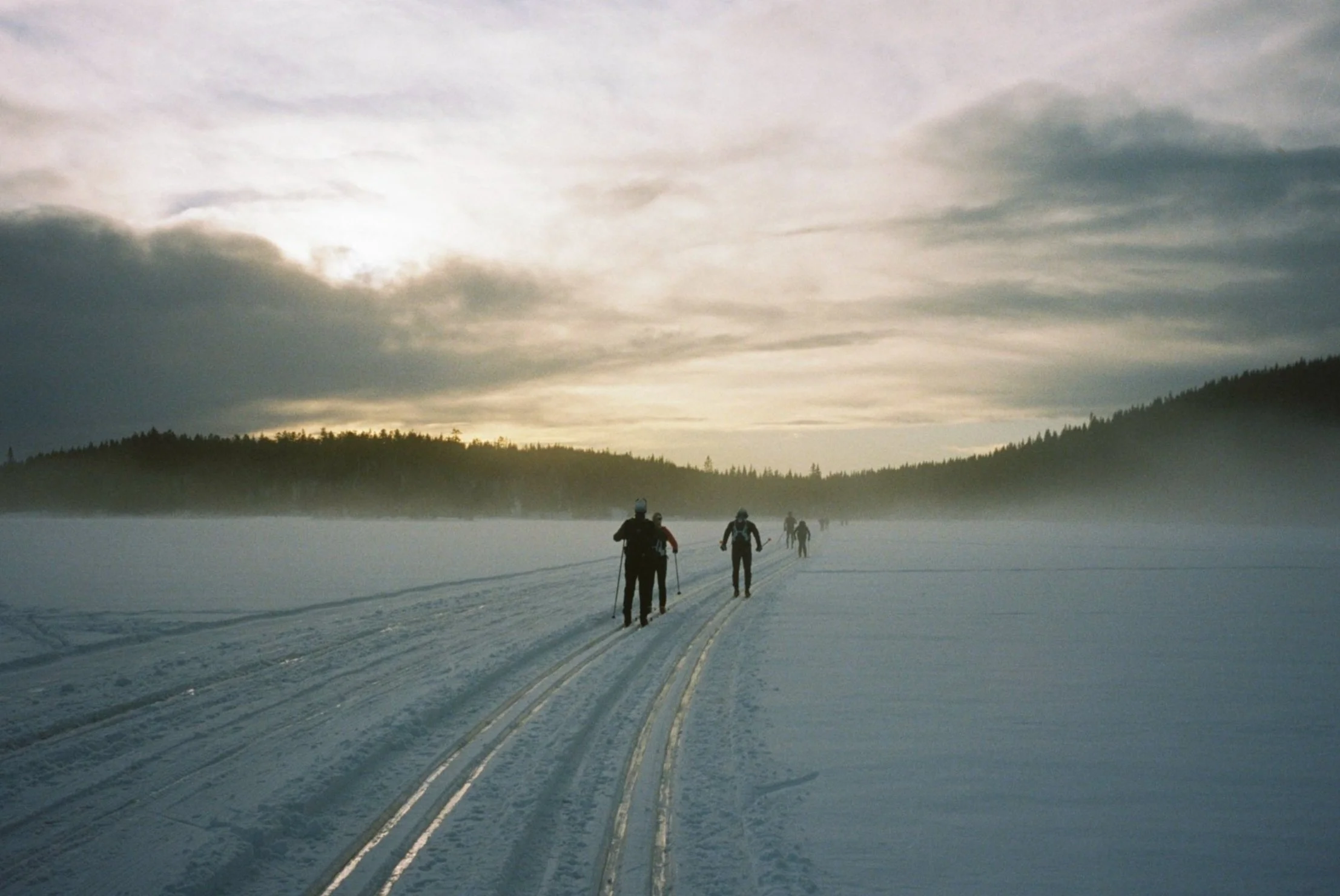
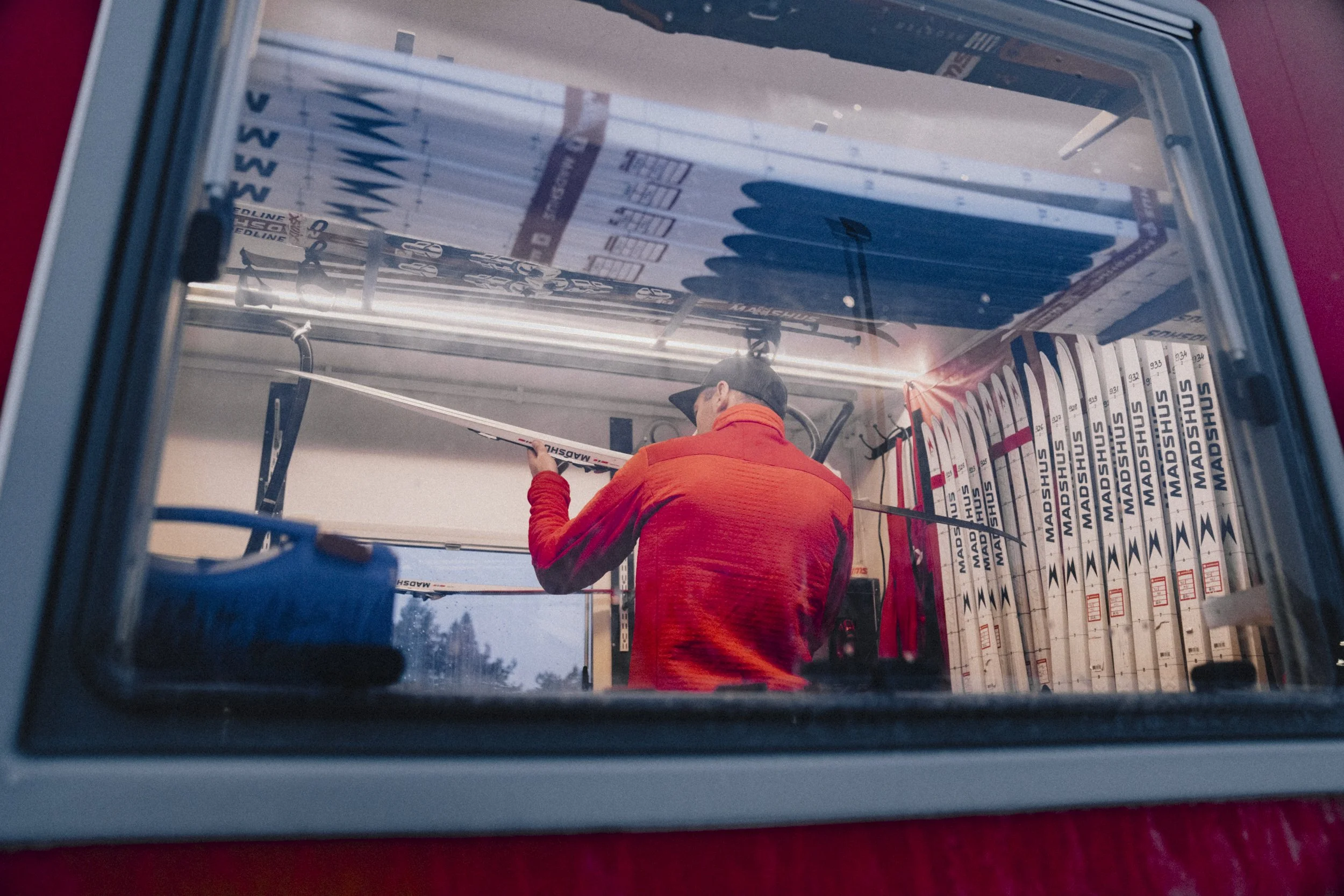
When we call, Petter Engdahl has just stepped back inside. His skis are still cooling by the door in Isfjorden, a small Norwegian village that’s quietly become one of the world’s unofficial capitals of endurance.“I literally just came in from some Nordic skiing,” he says. “The conditions are perfect right now. I was waxing skis this morning, went out a bit late… and now it’s already getting dark.”
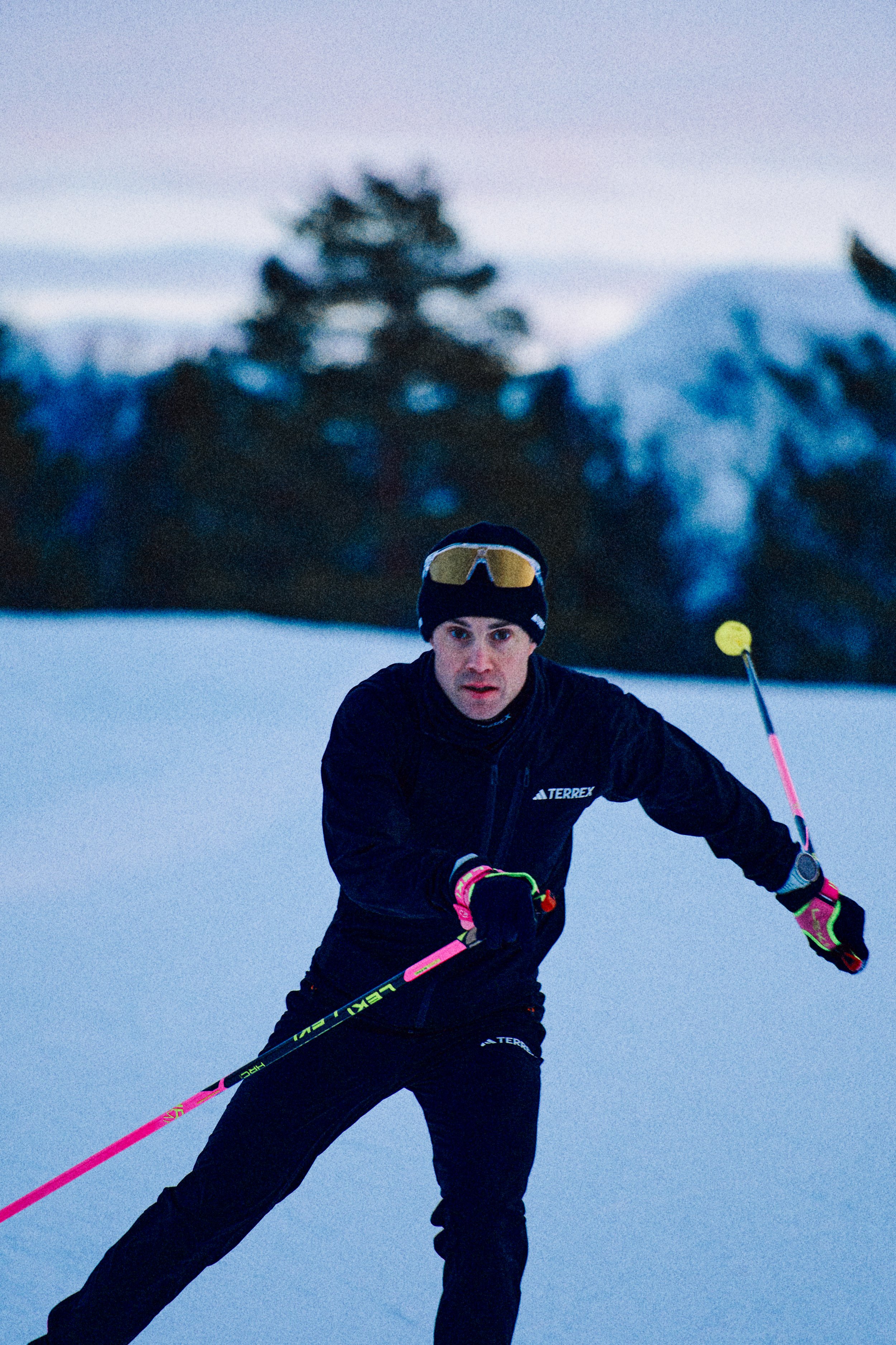
For many trail runners, Engdahl is simply one of the best in the world over technical, mountainous terrain. But before he was a World-class trail athlete, he was an elite Nordic skier, racing World Cups, training with national teams, moving through winters in that hard, unforgiving rhythm only skiers really understand.
These days, when the first snow comes, something old wakes up.
“It feels more remote now, the skier inside me,” he says. “But as soon as I put my skis on, I feel it’s still there. The more I ski, the more that part of me comes back.”
Winter, for Petter, isn’t a break from running. It’s where the next season starts.
I
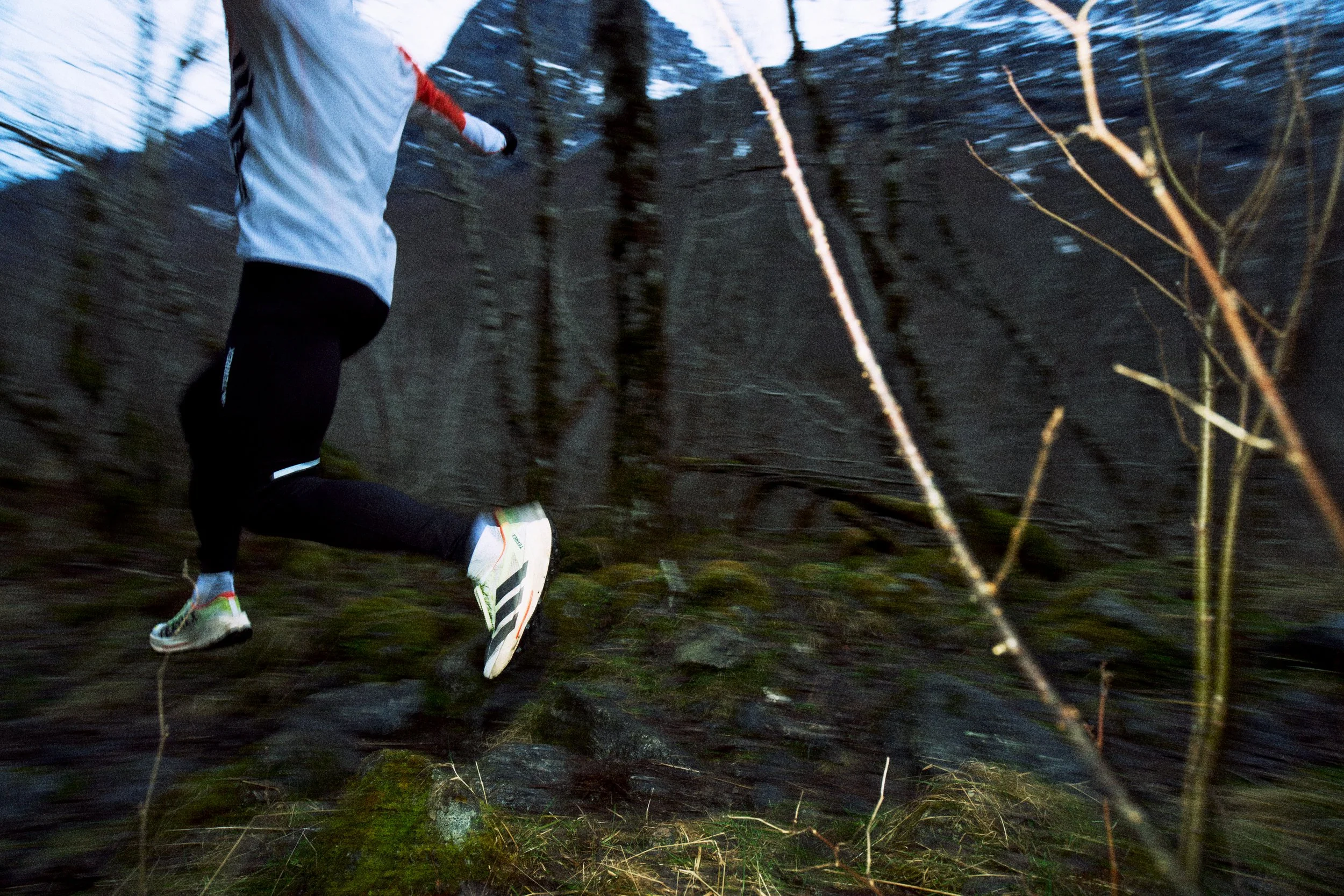
Petter didn’t jump straight from one sport to another. Running was always there in the background.
“I did track and field when I was 15–16 years old, tried orienteering, though I’m too colorblind for that,” he laughs. “But I always loved to run. Even when I was a Nordic skier, I ran a lot in the summer. My coach, Magnar Dahlen, encouraged it. He always said running was the best way to build endurance for the winter.”
What he carried with him from skiing wasn’t just fitness. It was a mentality.
“Nordic skiing is hardcore,” he says. “It’s gruesome and cold and often miserable. You learn not to care so much about external factors. You know it’s going to be tough, you know it might be cold and wet and you go anyway. You get strong in the head from that.”
The other thing he carried was the people: the teams, training partners, and coaches who shaped how he thinks about performance.
“It’s maybe not the sport itself that shaped me the most,” he says. “It’s the people I trained with, and especially Magnar. He taught me that training works, that you need to be generally strong, and then you add specific work when you want to be really, really good at something. That idea has followed me into trail running.”
II
One of the big misconceptions about top trail runners is that they simply run more than everyone else. That’s not true for Petter.So it’s about removing friction?
“I don’t have a pure running background,” he explains. “Because of that, I can’t get my weekly mileage as high as some ‘proper’ runners. There are not many weeks in a year where I go above 140 kilometers, or even 100. My body just doesn’t respond well if I try to push that.”
So to race long ultras and stay healthy, he has to think differently about volume.
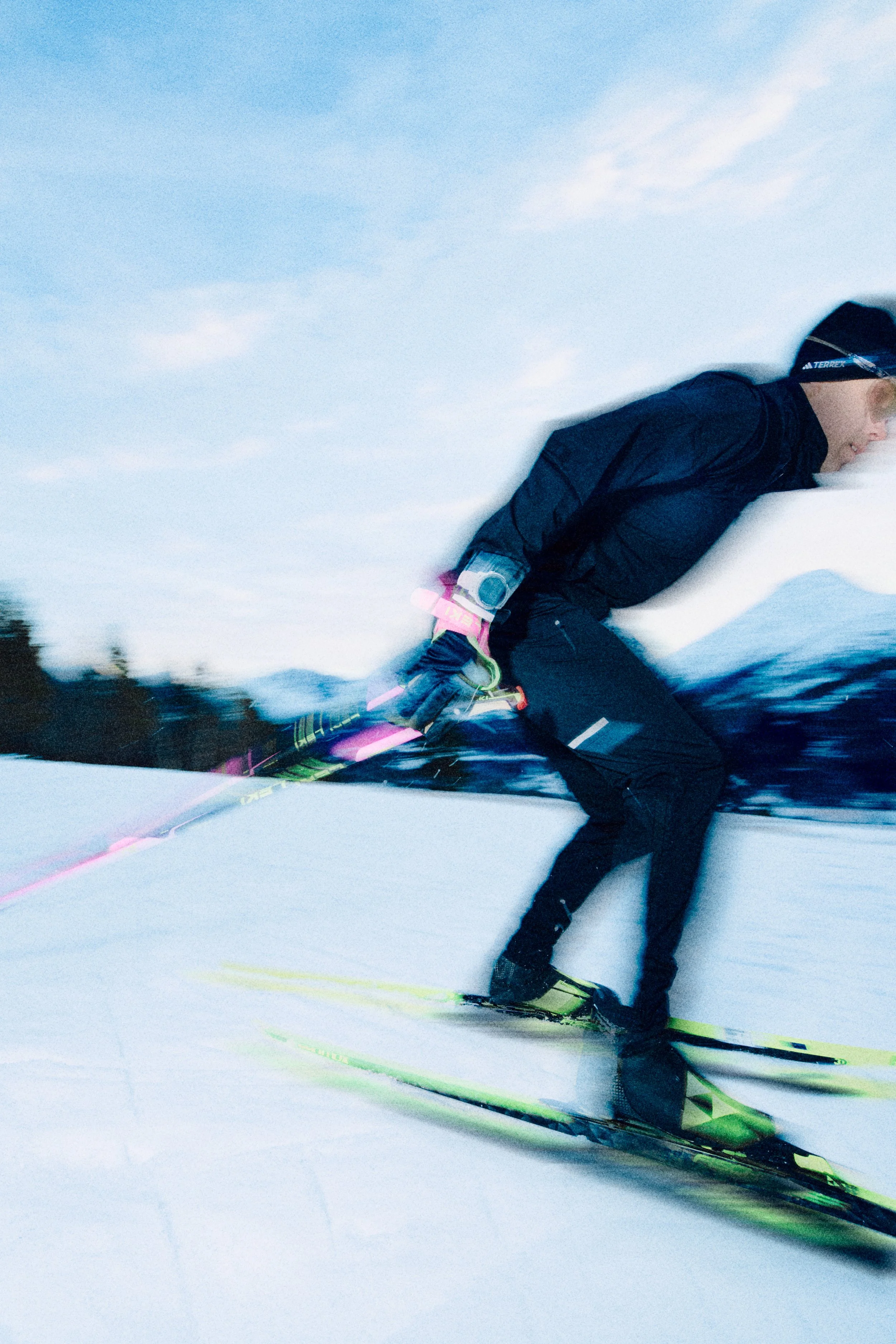
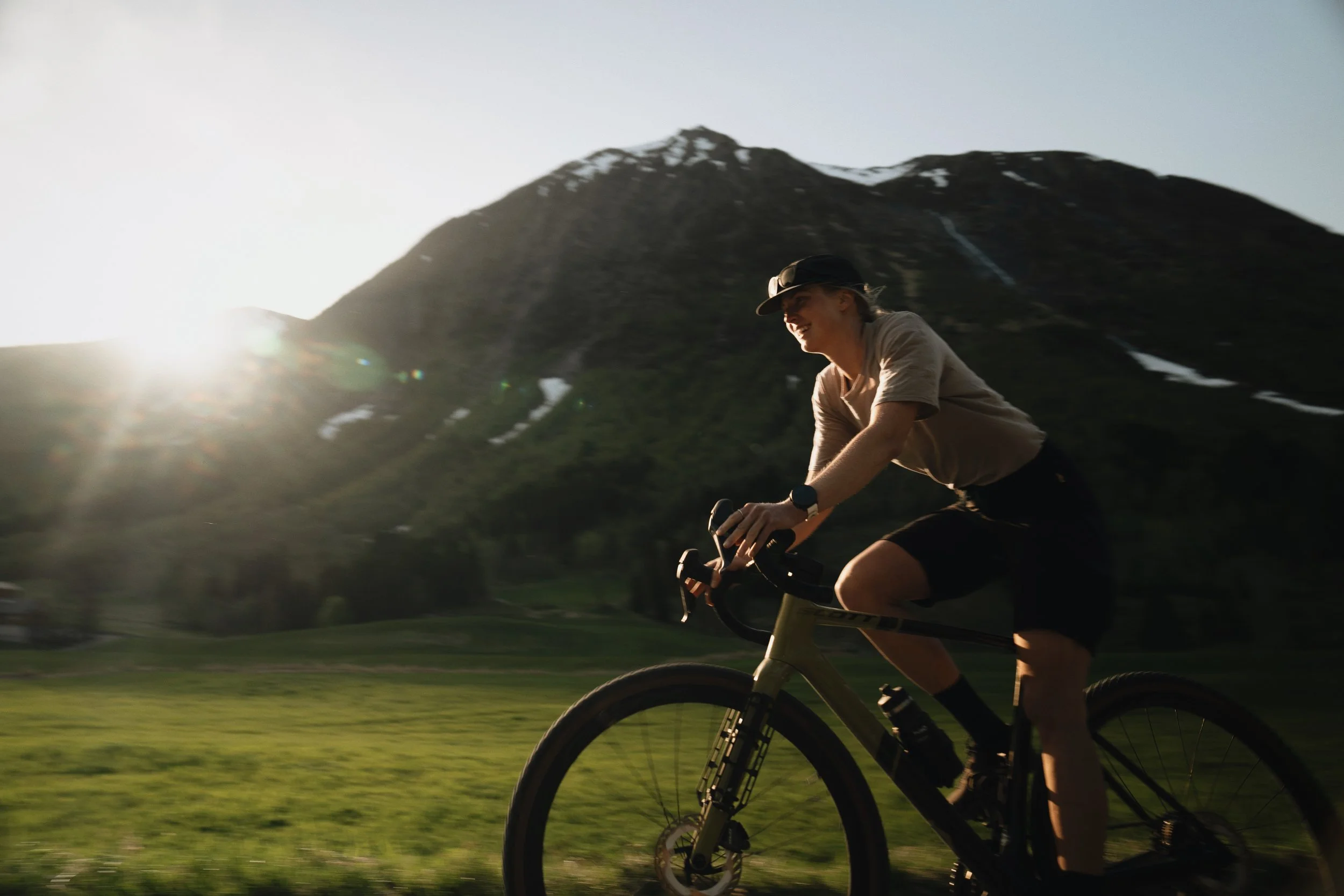
“To get the endurance I need, I rely heavily on cross-training,” he says. “Nordic skiing, ski alpinism, skimo, cycling, whatever makes sense that season. Those sports give me the cardio and time on feet (or skis) that I’m not getting from the extra miles of running.”
Take the “easy” ski session he did today.
“On paper it’s an easy endurance session,” he says. “But I’m not just out there sightseeing. I’m fully focused on the movement: how I press, how I glide, how I use my arms. It’s the same mental focus I’d have in a running session, just with different muscles and less impact.”
On skis, the hours accumulate almost without noticing, something he believes is impossible to replicate with running alone.
“When you’re skiing or ski mountaineering, the hours just fly by,” he says. “You can be outside for a long time. The only thing that stops you is how much fuel you’ve brought. Running is much harder on muscles and joints. There’s just a limit to how much you can do.”
That ability to be out, moving, in different conditions, for many hours in a row has been crucial for his ultra performances. And in winter, it’s a superpower.
III
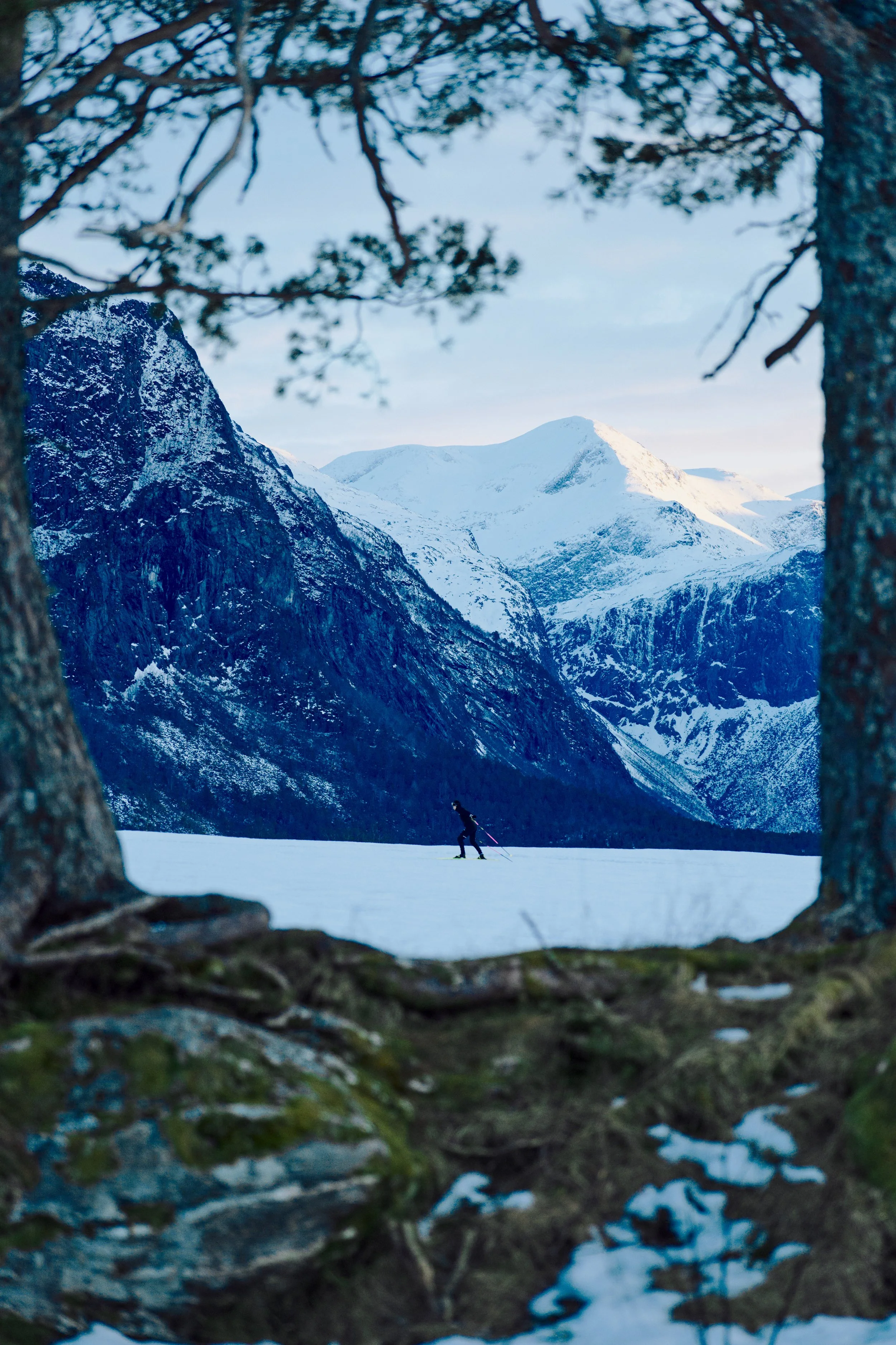
Åndalsnes sits in the heart of Romsdalen, a place whose official slogan, Petter has to double-check with his partner Nora Serres mid-conversation.
“Romsdalen, the most mountainous municipality,” he laughs. “That says a lot. On our street, skis are leaning against every house wall. People ski straight from their door into the mountains, or go running, climbing, hiking, skating. It’s just a place for moving people.”
The landscape is spectacular, but that’s not why he stayed.
“It was the people,” he says. “When I moved here, I knew maybe five people—Jonathan Albon, Kilian, Emelie, Ida Nilsson, Johanna Åström. Very quickly I got to know many more with the same interests and values. For the first time in my life, I felt: this is home. I actually want to be here, not always travelling away.”
Ironically, it’s not the most “logical” place to live if your job and your life is running long races in the Alps.
“To be honest, Romsdal isn’t the best place to be a trail runner,” he smiles. “The terrain is slow and very technical. We don’t have that smooth Alpine singletrack I race on. But what we do have is a community that is extremely good at whatever outdoor activity they choose and that’s very inspiring.”
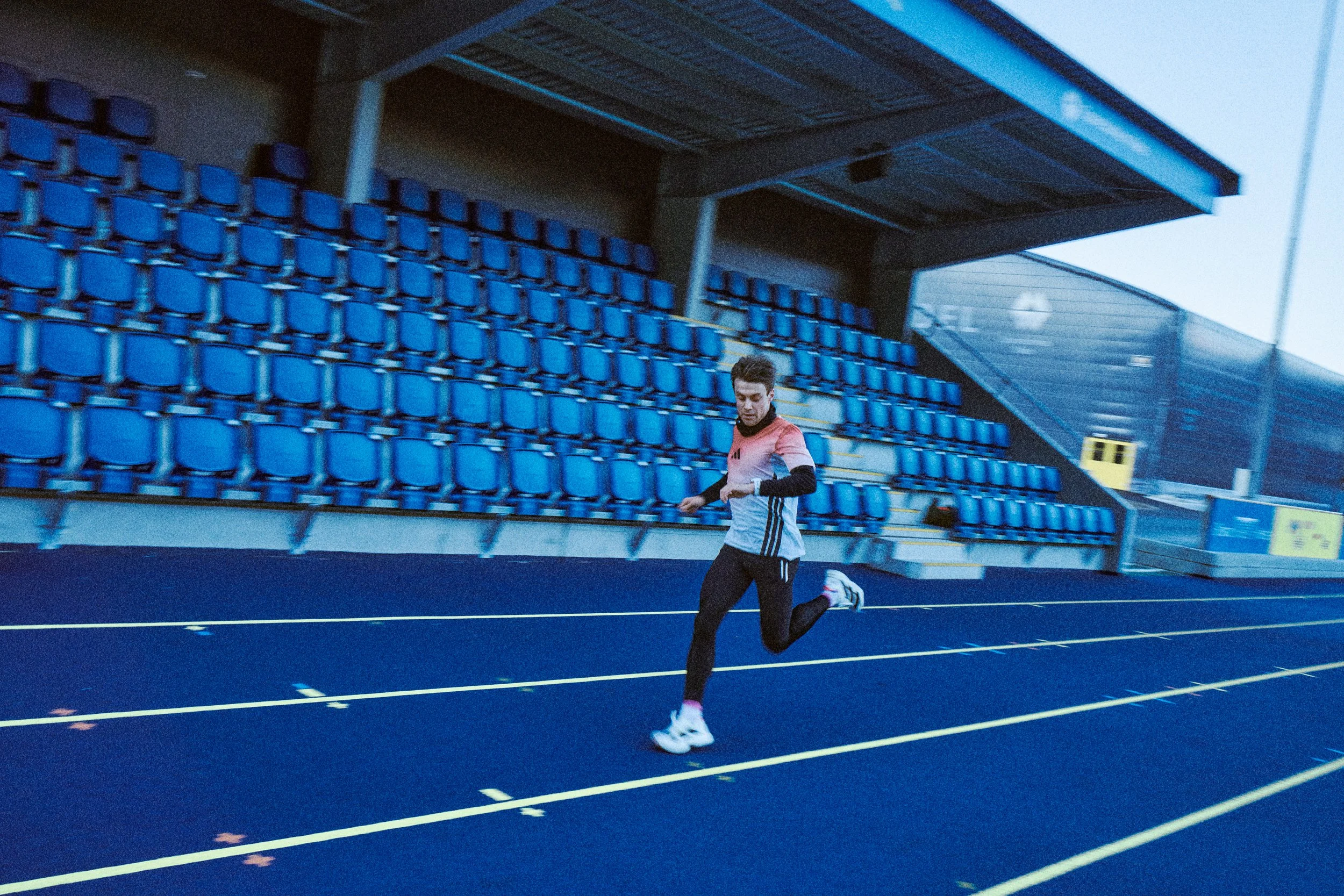
Preparing for a hot race while living in snowy Romsdalen sounds impossible. Petter solves it with structured heat blocks.
“I started last week with five heat sessions per week,” he says. “Right now, they’re one-hour sessions on the bike. I put on a lot of layers and get my core temperature up to around 39 degrees and try to stay there for 45 minutes. It usually takes 15 minutes to reach that, so the whole session is an hour.”
He’ll keep that for three weeks, reduce it for two, then switch to treadmill heat sessions in January.
“I used heat training last year as well,” he says. “It really worked for me, both for increasing VO2 max and for racing in hot conditions. My data shows that my core temperature stays lower for longer in races when I’ve done the work. That makes a huge difference.”
IV
Talk to ten endurance athletes and you’ll hear ten philosophies in the off-season. Petter’s take is clear: he doesn’t like stopping.
“I never liked taking a complete off-season,” he says. “Some people need it, mentally and physically. I know skiers who would take a month or more and for me, that never worked. I love to move, and I like feeling ‘good’ in my body.”
He sees a performance advantage in that approach too.
“If I keep some training going, my starting point for the next build is always higher,” he says. With a shorter, lighter break this year, I’m already starting from a higher level than last year. I’m closer to where I was in June, and I can build from there instead of spending two months just to get back.”
That doesn’t mean he never takes a break. After big efforts, he steps away in a different way.
“After a big race, I need some mental and physical distance,” he says. “Now I know that big-city vacations work surprisingly well for me. After a race we went to Rome, and just being in a city, turning off the ‘mountain’ mode, gave me a lot of energy.”
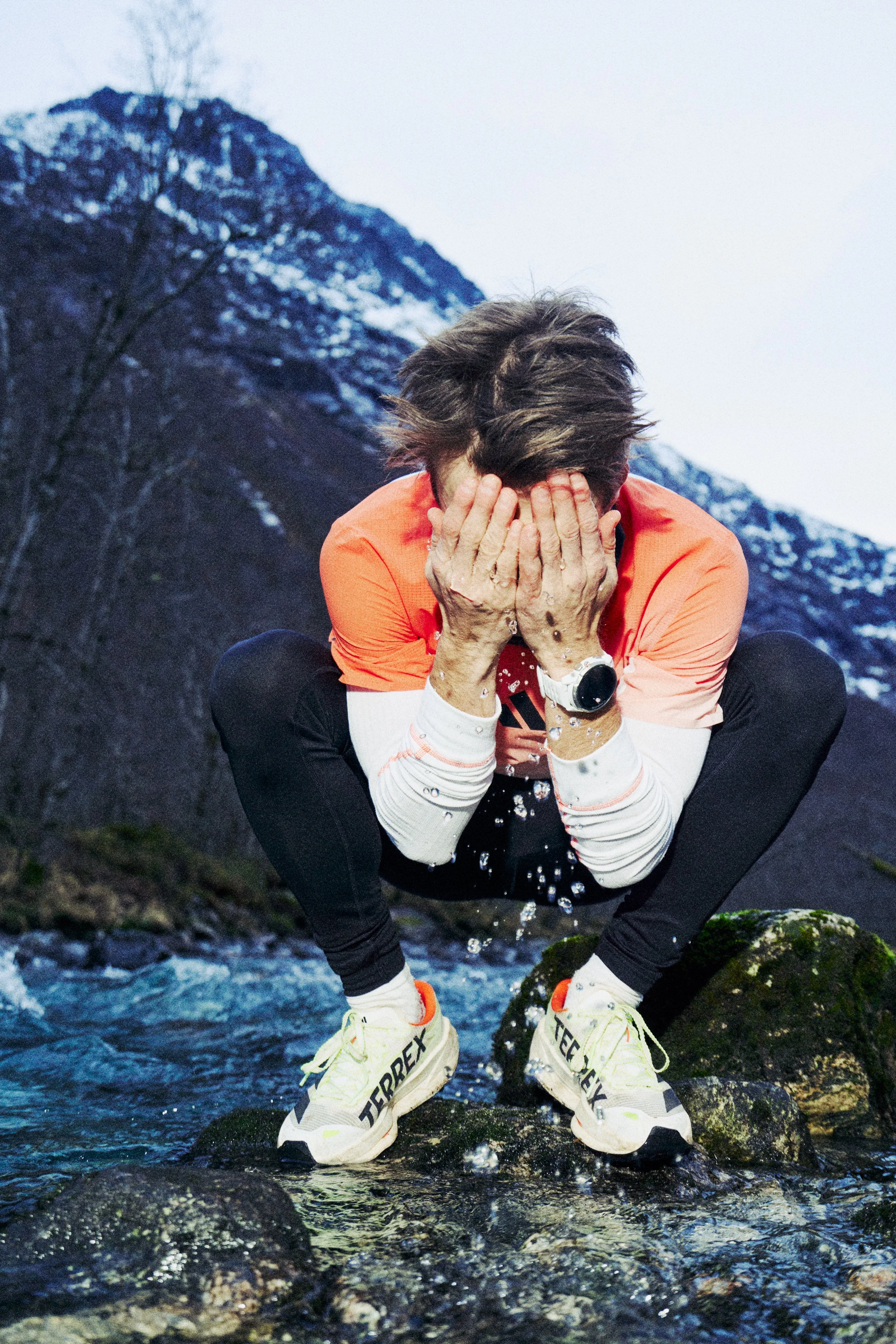
For all the structure, winter is also when Engdahl allows himself to be more playful.
“Winter has become more of an experiment phase,” he says. “You don’t always decide what training you’re going to do, the weather does. Or your training partner does. If I go out with Kilian, he’s often the one setting the pace.”
That unpredictability keeps him sharp.
“It keeps you on your toes,” he says. “You want to be in good enough shape to join whatever session comes up, to say yes when someone suggests a long ski tour or a big day in the mountains.”
It’s also a time to be more open—to new routines, new stimuli, new ways of being inspired.
“In summer, everything is very focused on races: data, results, travel, performance,” he says. “In winter, I can just be home, be consistent, ski from my front door, and come back to my own routines. I love that.”
V
So if Engdahl had to condense all of this into advice for the rest of us, people juggling jobs, dark evenings, parenting, maybe a single pair of skis or a gym membership rather than an endless playground in Romsdalen, what would he say?
Reset the expectations.
“Forget pace. Go by effort, heart rate and consistency. Winter numbers are different from summer numbers.”Keep one or two anchor sessions.
“For most people, one weekly interval session and one weekly long run are enough to keep you progressing. Around that, you fill in with cross-training, strength, and shorter runs.”Use cross-training intelligently.
“If you can ski, ski. If you can’t, bike. If you have neither, maybe it’s the gym or pool. It doesn’t matter as long as you’re building endurance without breaking your body.”Don’t go from zero to snow hero.
“If you haven’t touched your skis or roller skis all year, don’t expect them to magically replace all your running from day one. Treat them as a skill at first.”Train with people.
“Find groups, friends, small local races, challenges—anything that keeps you showing up when it’s dark and cold.”Use your data—but don’t be ruled by it.
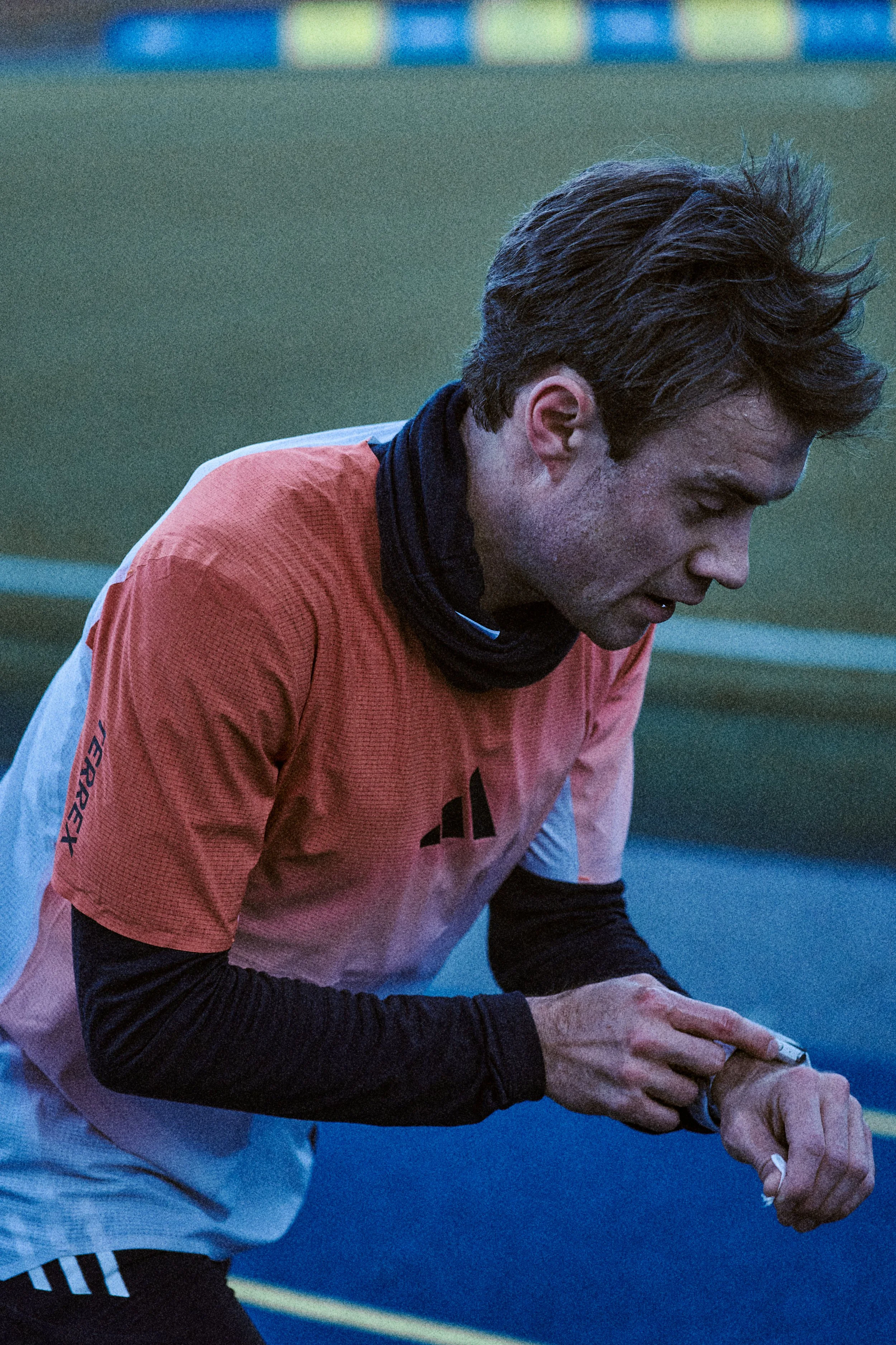
“Watch your training load, your Base Fitness, your recovery and HRV. If they match how you feel, good. If they don’t, adjust. But don’t forget to trust your own sensations too.”Think long-term, not just to the next race.
“If you start early and keep some training going, you’ll begin spring from a higher level. That’s a huge advantage.”
Above all, he thinks winter should make you eager, not exhausted.
“I still feel like I’m 20 and just want to keep going,” he says. “And I think a big reason for that is that I’ve never only done one thing. I ski, I run, I bike. I love variety. But when it’s time to be specific, I become very specific. Then as soon as the goal is over, I go back to building that big, broad base again.”
The skis by the door are waiting. The winter is still young. And somewhere inside, the old skier and the new trail runner are both very much alive—tracking every session, every climb, every quiet winter day on a watch that’s seen the whole journey so far.
SHARE
OTHER STORIES
-
born to endure
CULTURE
-
from the track to freedom
INTERVIEW
-
The first step
CULTURE
-
A Nordmarka Classic
CULTURE
-
The Art of Fast Skis
INTERVIEW
-
Nattvasan
CULTURE