
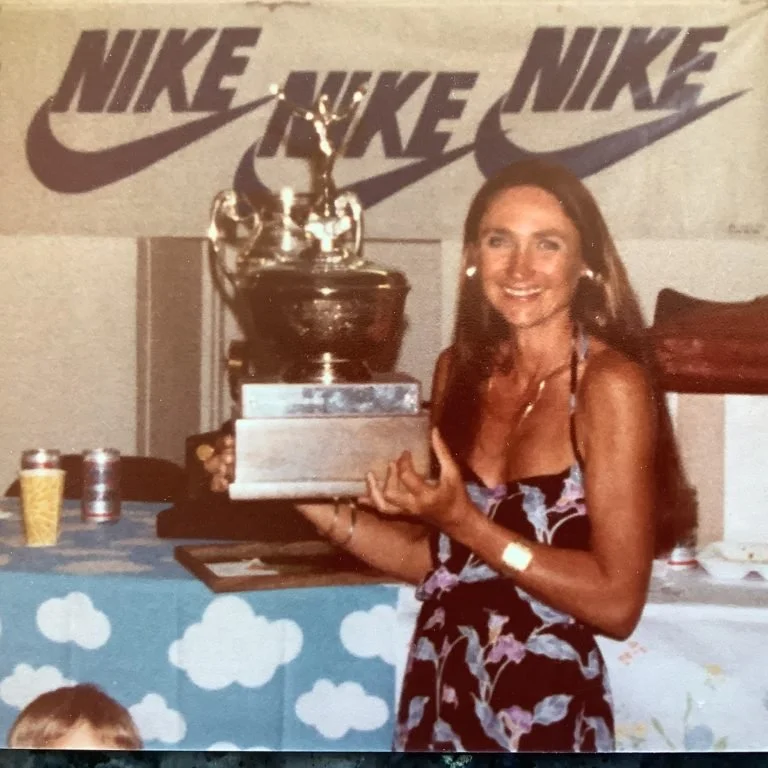
The UKNOWN
RUNNING QUEEN
Foreword & interview by Hans-Kristian Smedsrød
Photos by Bjørg Austrheim Smith
I’m a Norwegian. I’m a trail runner. Mountain runner, Ultrarunner. Call it what you want. Some would say I’m even a trail running historian, having interviewed hundreds of trail runners in my podcast ‘Føkk Asfalt’ for the past 7 years. I love this sport not just because the act of running on trails gives me pleasure, but because it’s a hard thing to do, especially when you ramp up in distance. Some would say it’s meaningless to run further than 100 kilometers in the mountains. I say it’s meaningful because you’re doing something hard by your own volition. I also feel like running on trails somehow brings me back to my roots – my homo sapiens neanderthal roots. It connects me with previous generations of runners (no, I’m not talking about our forefathers who ran down antelopes on the savannah), but the ones who paved the way for competitive trail running back in the 60’s, 70’s and 80’s. I don’t know about you, but knowing the history of the activity I’m passionate about makes me even more passionate about it. For example, when I look at my GPS watch in the middle of a run and I see that I’m doing 3:50 min/km on a flat trail I think to myself “holy shit, this is the average speed that Jonas Buud held for 90 kilometers in Ultravasan in 2015 when he set the course record of 5:45:08”. When I run up my local mountain Nesaksla (700 md + in 2.5 km) in 32 minutes I will always have Kilian Jornet’s record of sub 20 minutes as a mind-blowing reference point. It inspires me to push myself harder and to go further. I just wanted to say this to establish that I enjoy geeking out on these things, which brings me to the point of this foreword.
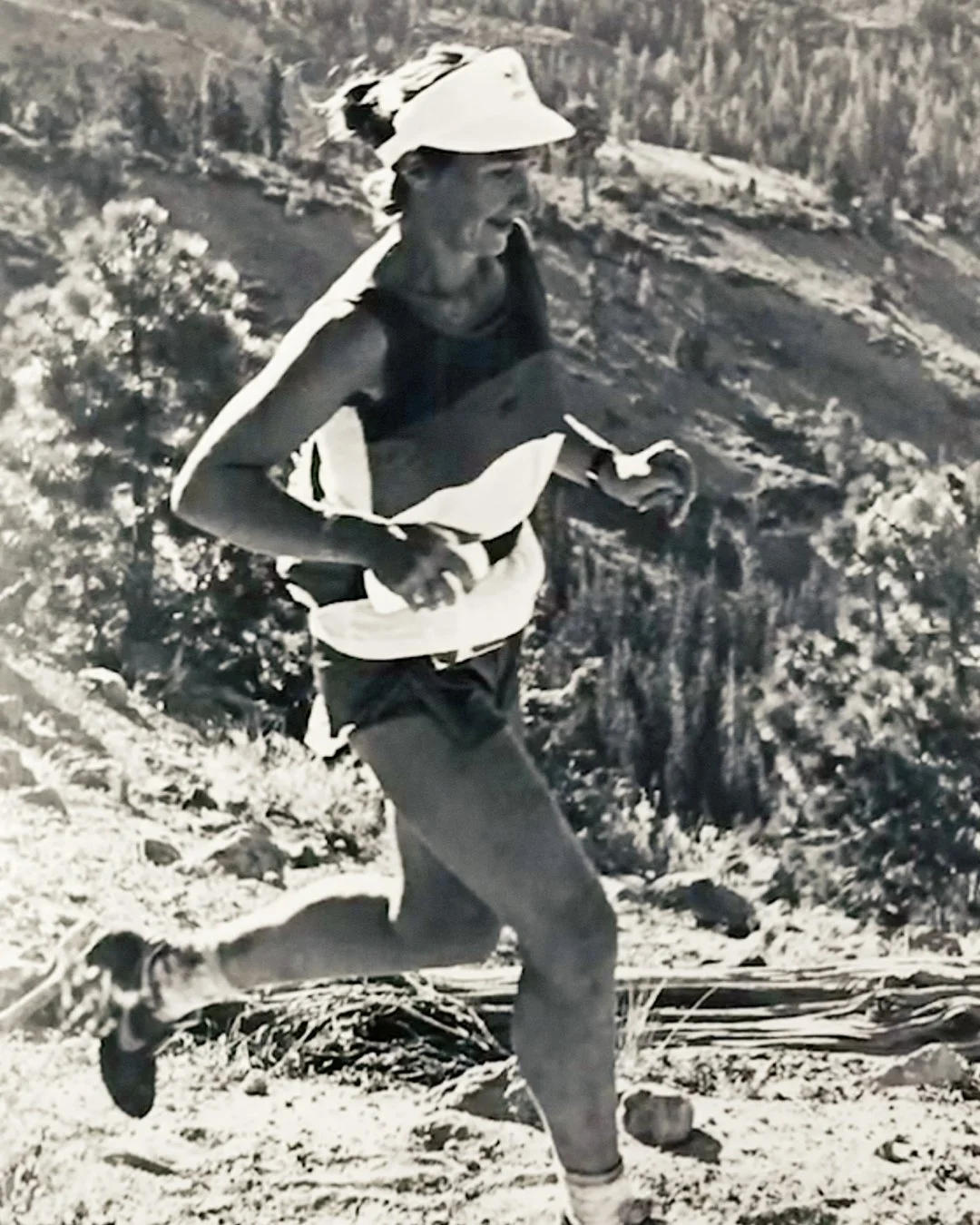
In the film a woman named Bjorn Austrheim-Smith is being portrayed, the reason being that she won the women’s race. Her accent was a bit quirky, she sounded a bit Swedish. And her name looked Scandinavian. If your name is Bjorg in Norway you use Ø instead of O. And if you’re Swedish you use an Ö. And her last name Austrheim-Smith sounded like a combination of a Norwegian and an American name. But I figured she had Scandinavian ancestors, just like many Americans do and didn’t think more about it. Or did I?
That night after watching ‘Desperate Dreams’ I ironically struggled to sleep. My mind kept spinning. Was Bjorg Scandinavian? Why haven’t I heard about her before? I sent a message to a Western States historian named Andy Jones-Wilkins, who I got to know in Olympic Valley when I was there last summer filming the documentary. I asked Andy about Bjorg and if she was Scandinavian. He told me she was Swedish and that she lived in Sacramento. My mind was blown. I had to contact her. I went to sleep and probably had some desperate dreams that night.
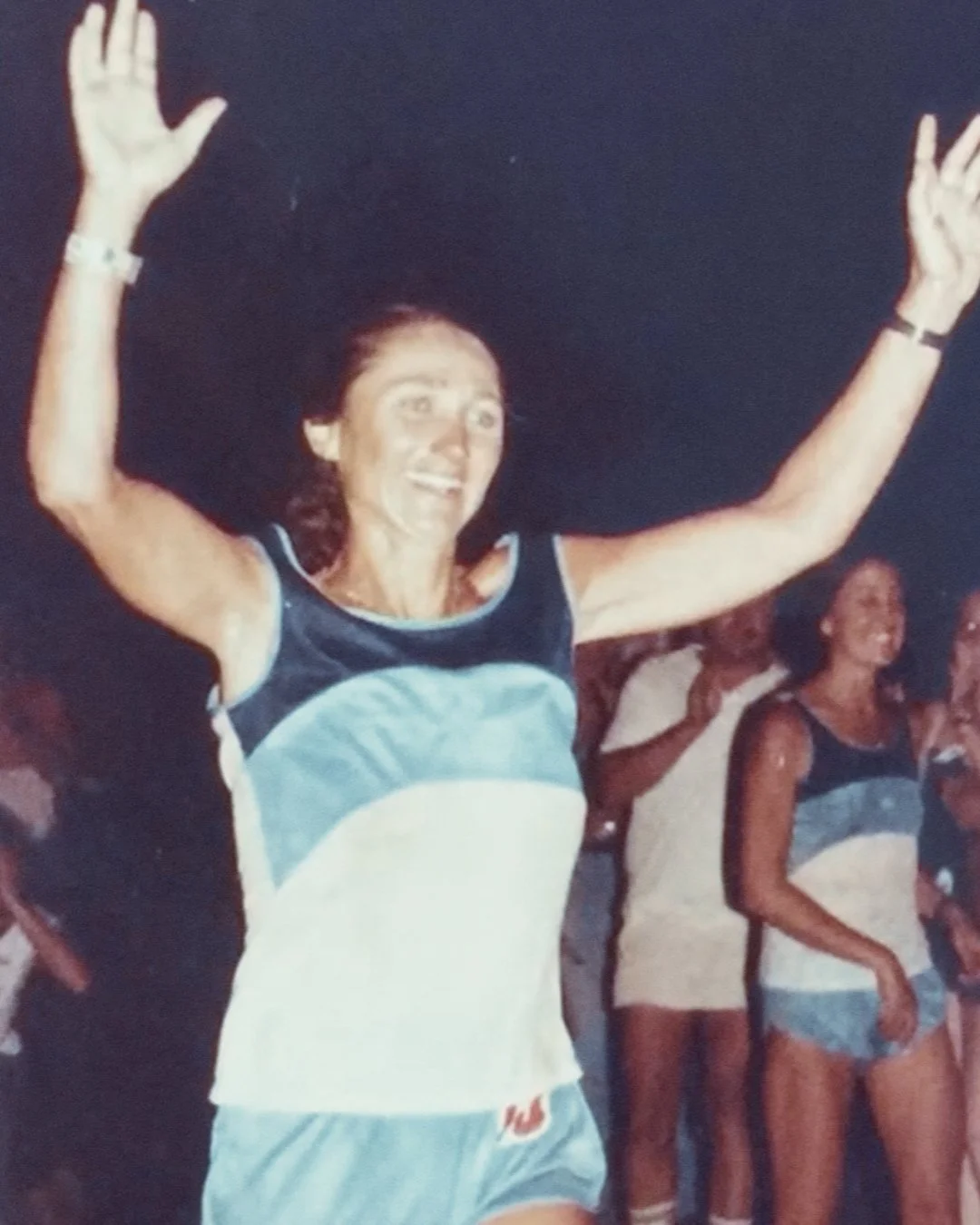
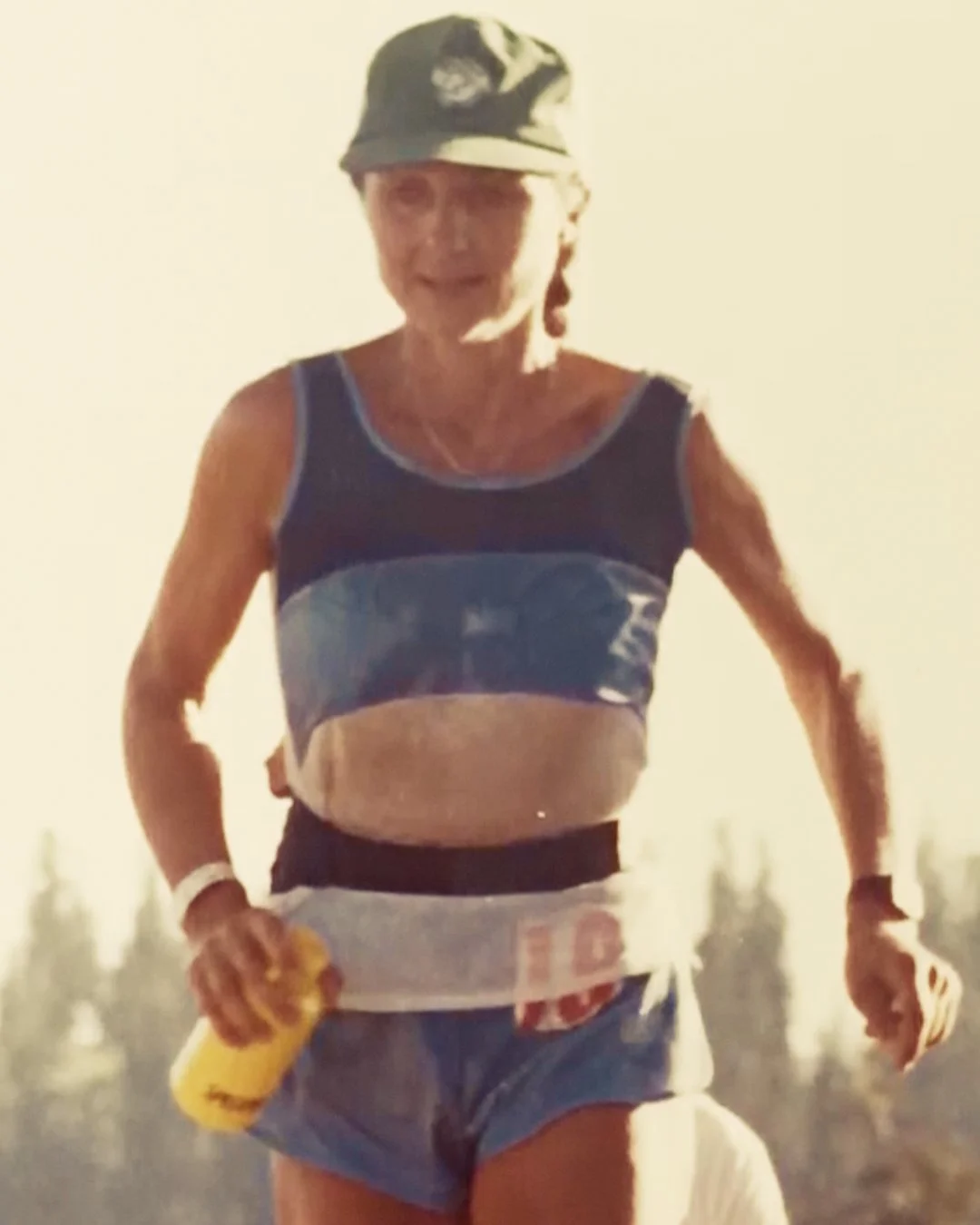
The next day I found her on Facebook and I sent her a message explaining the situation. She responded within 5 minutes with something like “Hi Hans, I am not Swedish, I am Norwegian! Not only did I win in 1982 when they filmed ‘Desperate Dreams’, I ran the race 11 times and I won three times”. I couldn’t believe what I was reading. She was obviously super stoked that I got in touch with her. We continued chatting the whole day, and we decided to continue chatting face to face on Google Meet and record the conversation for the podcast. Here we had a Norwegian woman who dominated the trail running scene in the US in the 80’s who got little to no recognition back home in Norway. I don’t blame the Norwegian media though. Running 100 miles in 40+ degrees celcius must have been looked upon as an extreme thing to do at that time. Kind of like BASE jumping these days I guess. So I’m really happy that she finally is getting some stage time, both here on Kadens Journal and in the Føkk Asfalt podcast. I also ended up using a few seconds of her appearance in ‘Desperate Dreams’ in ‘The Romsdal Method’, thanks to the producer Daniel J. Blackburn. And when I one day get to run the race myself I can use her personal best 18:23:00 as a reference point, which was her time in 1982.
I
When did you start running?
I started running in my early twenties after receiving a diagnosis that explained the severe pain I was experiencing in my hip—it was as if knives were going through my body. When I got married and my first daughter Venke was born, I couldn’t even pick her up because the pain was so intense. My philosophy became that I do not absorb pain; I see it as an enemy. I began running to escape it, and I even cried for 56 miles because the pain was so overwhelming. But eventually, the pain vanished, and now I’m completely fine, day by day, month by month, week by week, and year by year. I don’t take any medication—I know my body so well that I understand what works for me.
Yeah, better than medicine… or even just deadening the pain. So what happened next? You mentioned you stayed at home for a while?
Yes. I had three children and was a stay‑at‑home mom. I needed an escape, so I took a one‑hour class at the university. The teacher insisted that I join a five‑kilometer run; they even organized a monthly run. Initially, I didn’t want to run—but once I participated, I ended up finishing in second place almost every time. I always thought that next time, I might win. I never did win; I was always number two. Then, I raced a woman who constantly beat me. She specialized in 50‑mile races (about 80 kilometers) and held the record at 7 hours and 11 minutes. One day, I completed the race in 6 hours 45 minutes—beating her by almost half an hour. That’s when I realized that I was built for long‑distance running.
II
I heard you mention that you hadn’t planned to become a runner. Can you elaborate on that?
I was never part of a typical running group. When others said, “Let’s go run this way and that,” I refused to join initially. For instance, I ran the Oslo Marathon in 1983 and finished third—not that I had any idea what I was doing, as I was fascinated by every cobblestone on the course. I was sponsored by Nike and even took part in walk–runs to win races such as the Kodalsmil in Koda, which I proudly brought home. The challenge in Norway was that, as an ultra‑runner, I was used to starting races at 5 or 7 in the morning, while Norwegian races often started in the afternoon.
Speaking of the Oslo Marathon, who won the race in 1983?
In 1983, Ingrid Kristiansen won the Oslo Maraton, with a Swedish runner finishing second, and I finished third. I remember competing in other years too—my first marathon was in 1980 after only about two and a half years of running. I came in second that year, trailing by two minutes and seventeen seconds. My team had little idea what we were doing, and had I known how close I was, perhaps I would have fought harder for first.
What was your typical training experience like? You mentioned that you hated training in a stadium.
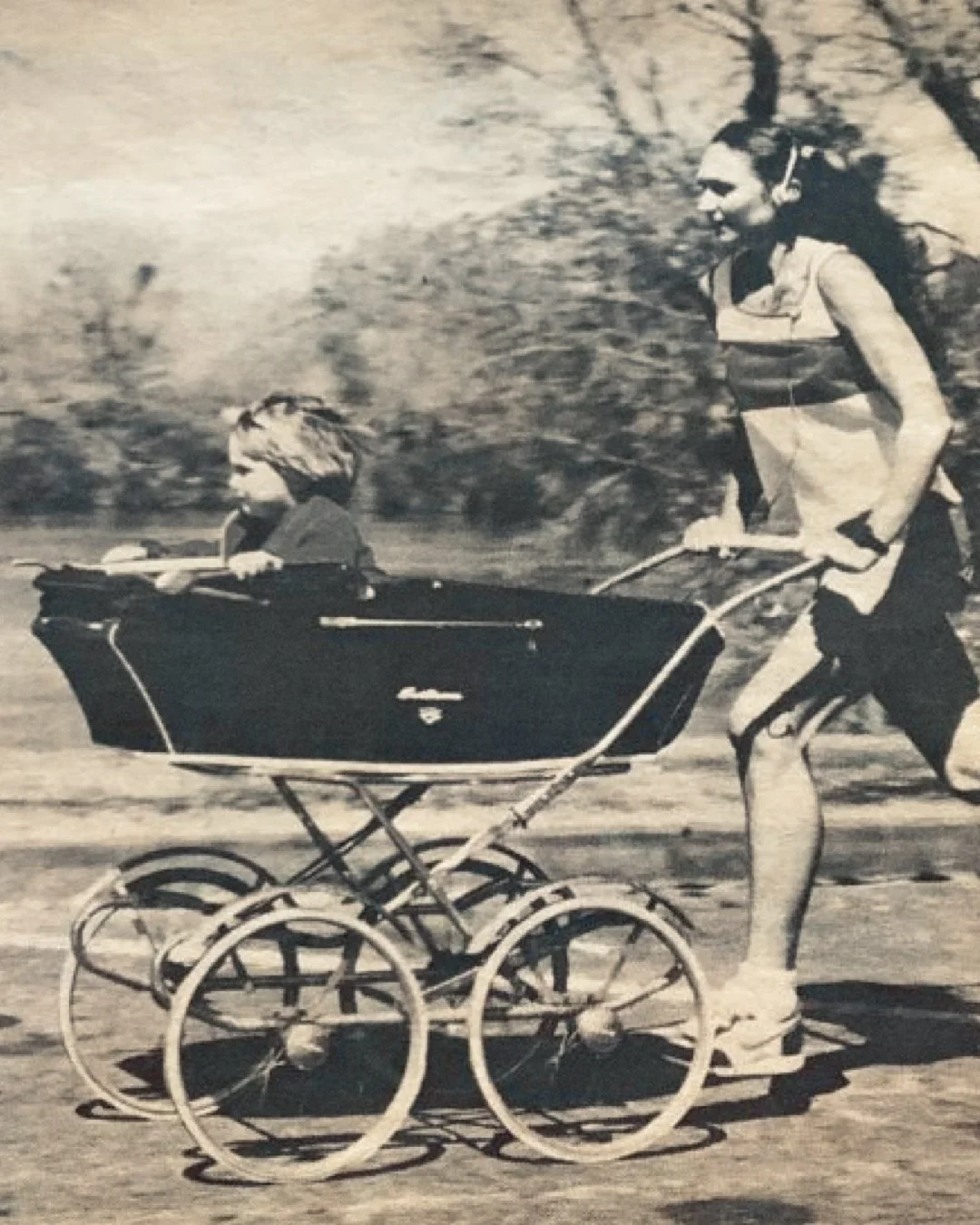
Absolutely—I hated confined training spaces. I’d rather be outdoors. I was a trail runner, not an asphalt runner, so I developed my own training method. I’ve been a passionate fan of classical music since I was six. I used that love for music to set different paces: sometimes a speed pace, sometimes a long‑distance pace. I even used a Walkman with antennas on my head. My mom sent a pram from Norway, and I’d put my little son Cameron and daughter Iselin in it—along with some supplies—and run the streets. I recall once passing an old man clearing his driveway. I’d use the rhythm in the music to dictate every stride, which became one of my specialties in technical downhill running. I even trained on uneven surfaces like abandoned train tracks, where each beat of the music helped me land properly. I often say to my runners: It doesn’t matter if you’re leading at the halfway mark; what counts is the finish. You must run your own race, conserve your reserves, and then give everything at the end—the endorphins will then carry you through.
III
Tell me about the training you did before your first Western States race, and how did you first learn about that race?
I was training in a group of local five‑kilometer runners when we heard about a guy who had run a 50‑mile race—80 kilometers—with the worst weather conditions I’d ever experienced. We ran along a river where the wind was so strong it almost blew us off the road. Two of us had to help each other against that storm, following some of the strongest runners. Then someone challenged us: “Now that you’ve run enough, can you run 100?” I immediately thought, “I’m never going to run that.” Yet I did, and surprisingly, I came in second that time. The next year I ran another local 50‑mile race and won it. After that, once the race season started in April, we began training on the Western States course.
Initially, I didn’t have a training partner; I later teamed up with a pacer. On the course, when we encountered a notorious section I call “The Bucking Bridge”—a wall of ice and snow about 20 meters high—a man named Bruce LaBelle from Davis greeted me with a “Hi, Bjørgen.” (Yes, he called me “Bjørgen,” a variation of my name.) Bruce and I ended up racing back together. I beat him on technical sections, and he outperformed me on smoother stretches. That friendly rivalry pushed both of us to our limits. Later, Bruce would remark, “Bjørg, you’re far too strong to train with just the ladies; you need to run with the top men.” And so I did—integrating with the very best, whether male or female. I even had moments when people questioned my role as a mother and runner, but I forged my own path and helped pave the way for women in sports.
Speaking of paving the way for women—how did your role as a mother influence your running?
I started running at age 35 because I wanted to be outdoors. While my husband was better at housework, I preferred being outside. Running gave me the freedom to be outside when I wanted. I even ran with my children. My mom once sent a baby pram from Europe so I could take my kids along on my runs. This allowed me to train on my own schedule while still taking care of my children. I also got help from local neighbors; for example, an old man would get up with me every morning to ensure I was safe before my husband left for work. All these experiences taught me that running is also about the mental game—you have to fight your own inner battles. I often tell my runners that it doesn’t matter if you’re leading mid-race—what matters is that you finish with everything you’ve got.
IV
There are so many ways to define success, and it’s not always about winning. Sometimes, it’s about personal What was your training philosophy in the 1980s for ultras like Western States? Did you run a lot of miles?
Yes, I did. Back then, running was “time with myself”—a period where I could arrange my day and solve the world’s problems by talking to myself through every stride. Training for Western States meant starting on January 1st and running long, cold runs—35 miles at a stretch—and then sometimes 200 to 250 kilometers per week. We’d run 50 miles on a Sunday, come back, and then run another 50 on the next day. That second 50 gave you the real taste of endurance.
I never put on my shoes for anything under 15 miles because it wasn’t worth it for me. I even devised a system involving “donut miles” with my son, where running 15 miles would be a “donut day,” and two such days would be 30 miles. This approach helped me avoid injury and, eventually, I was always stronger at the end of a race because I had prepared both my body and my mind for the challenge.
What about your experiences with official medical checks during these races?
The first year I ran Western States, there was an official medical check. We had to have our blood pressure and pulse measured—sometimes even sitting down. I remember blood pressures being as low as “60 over 30” or even “30 over 0.” Dr. Lin, who had practiced in Drammen, was in charge of these tests. On one occasion at Robinson Flat, he even spoke to me in Norwegian (and I corrected his grammar) as he checked if I was lucid. About a year ago, he warned me after hearing news of a small car accident near the race course. He told me to be very careful when crossing the mountain top. I often went alone, being the first to head out on the course, so his advice was invaluable.
I understand you were sponsored by Nike back in the ‘80s. Which shoes did you use?
I started out in Nike’s original Waffle Trainers—so much so that a museum once inquired about borrowing my pair, though it never came to pass. Later, when Wide World of Sports followed me for a photoshoot, I insisted they keep my feet out of the frame: I was actually running in flat-soled Adidas and cared deeply about how my shoes met the earth. I’ve always been obsessive about feeling every nuance of the trail. In fact, one foreign magazine even sent a doctor to “test” my running—he joked afterward that watching me tackle technical terrain was like seeing someone scrub a floor, since he’d never encountered such challenging ground before.
V
You’ve described using music and your natural rhythm to run. Can you explain how that worked for you on technical downhills?
I use music to set my rhythm—if I just tap or adjust my arms, it ensures I maintain a natural gait. On uneven surfaces, like abandoned train tracks or near bridges where a misstep could send you falling 30–40 feet, the music dictated my landing. I trained so well to follow the beat that even when running alone—lost in thought—I knew exactly how much of my reserve I had. This focus meant I always finished my long-distance races strong. I tell my runners: run your race, trust yourself, and then let your endorphins carry you over the finish line.
Are you recognized for your running achievements back home in Norway?
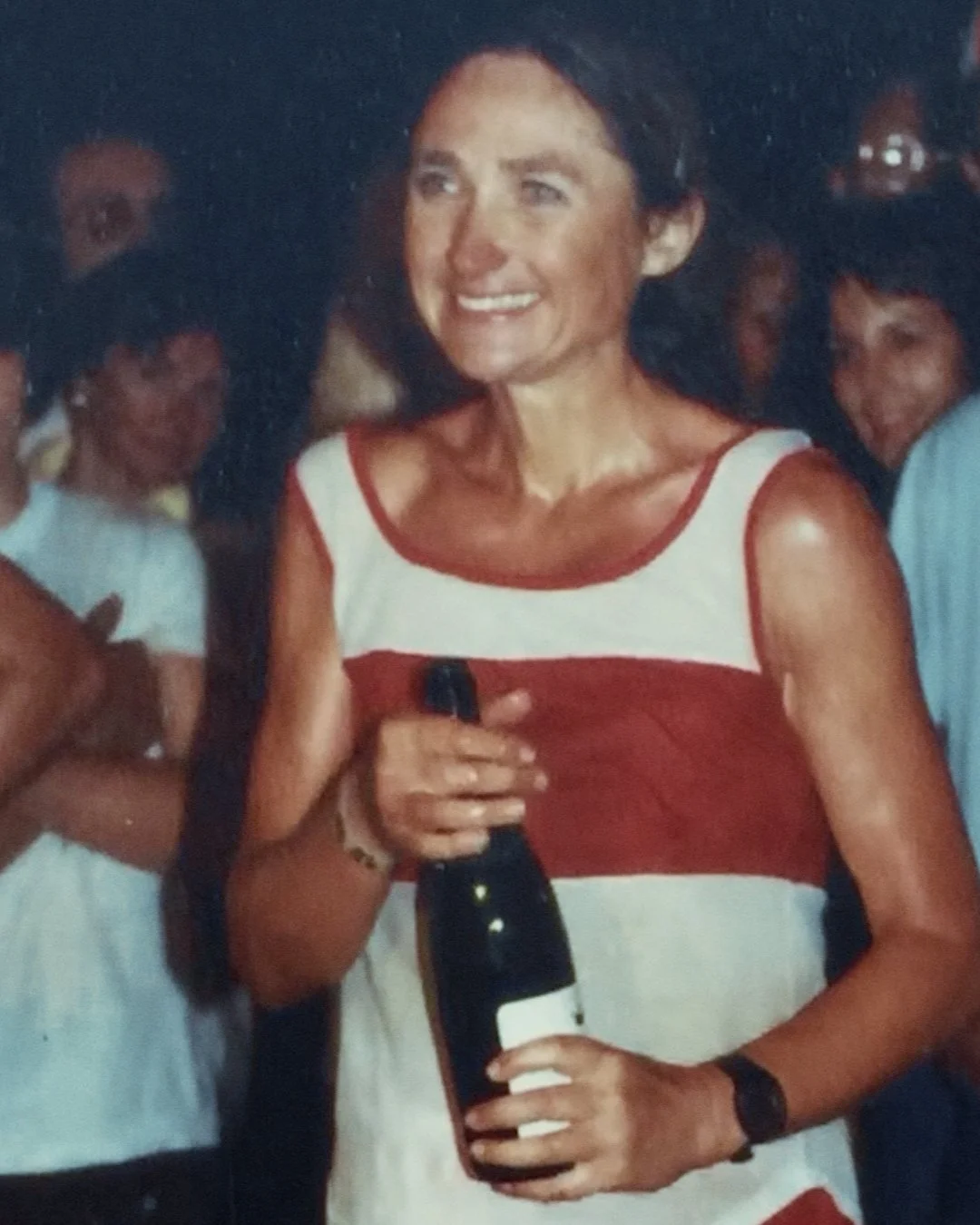
Yes, a little bit. There was a local gossip magazine (Allers) that once ran a feature on me under the headline “Our Unknown Running Queen” and even sent a crew out to California to shoot the story. They joked about me running the entire length of Norway, but thankfully that never came to pass.
I grew up alongside legends like Ingrid Kristiansen and Grete Waitz—women I admire deeply—yet they became household names while I remained the “unknown queen” of the ultramarathon circuit. My 3:09 marathon might not turn heads on a standard road course—even a month after winning Western States—but you can’t compare a 42 K race to a 100‑mile ultra. Asphalt and track demand speed; ultras demand unyielding strength. They’re simply apples and oranges.
You’ve run Western States 11 times. What happened on that 10th time?
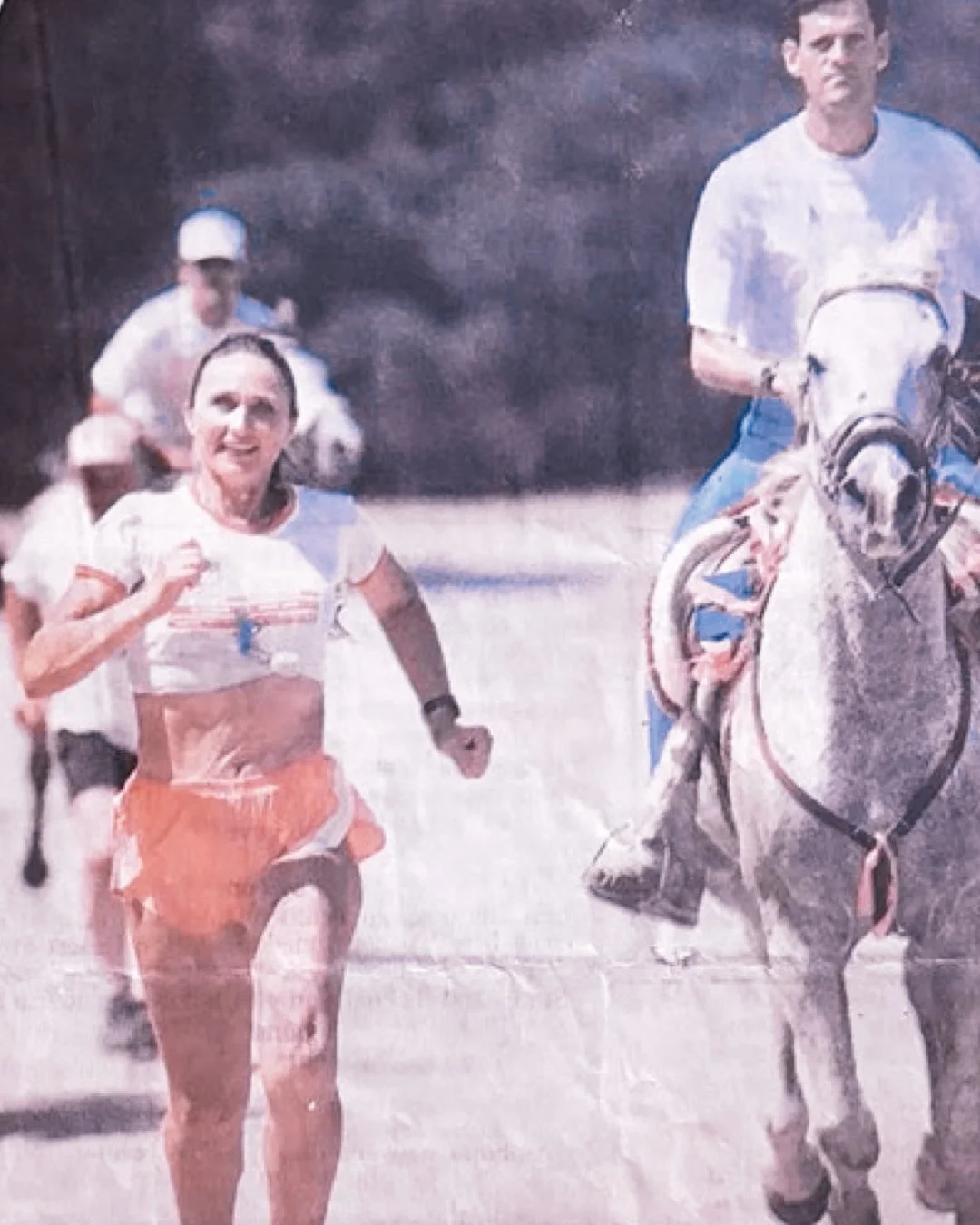
I did run Western States 11 times. In the 10th race, I had kidney issues—my kidneys essentially stopped functioning at one point, and I ended up putting on 20 pounds during the race. It took at least two weeks for the toxins to leave my body and several months for me to feel completely okay again. I then returned for my 11th race and even competed in the women’s division. I learned that sometimes, if you’re beaten by the race, it’s okay because you can always come back and try again.
VI
What about your life today? Where do you live, and how does training fit into your daily routine?
I live in Newcastle, at the foothills of the Sierra Mountains—not far from Sacramento. I have 20 acres, a farm, and even built a house for my daughter and her children. I often invite fellow Norwegians participating in Western States to stay at my place if they need a spot to prepare or rest. Every morning, I work out for 3–5 hours. I go to the gym, do strength training and Pilates (which is essential for flexibility and injury prevention), and then I head out for my run. I also help take care of my grandchildren—picking them up and dropping them off for their activities. I’m happily retired and do what I feel is best every day.
I’ve also mentored other runners, helping them overcome challenges. For instance, I once trained a woman in the American River 50 when she got halfway through the race and started to struggle with her leg. I encouraged her and even ran alongside her for the last 10 kilometers as her pacer. I believe in pushing through, learning, and adapting—but never at the cost of your health.
I’ve heard you’ve been thinking about a new adventure. Are you planning something like a safari?
Yes. My bucket list keeps growing. My sister once reminded me, “Mom, you’ve always wanted to go on safari. When are you going to do it?” I told her I was serious—if I can, I want to do it before it’s too late. I even talked to Bruce about it, and later I connected with another Western Stater named Simon Matui—who once held a record on Kilimanjaro and now lives on the mountain. I even met him in Tanzania when he worked as our guide amid heavy mudslides and improvised trails cut by machetes. I love meeting people who challenge me, and I’m always looking for new experiences to learn from.
You mentioned you started running at 35 years old because you wanted to get in shape after having kids. Has being a mother influenced your running?
Absolutely. Being a mother meant finding ways to accommodate my children—running with them in a pram so I could keep up with my schedule. It allowed me to train on my own terms while still taking care of them. That independence helped shape the way I approach running and life in general.
VII
Do you still stay connected with the running community and your fellow racers?
Yes, I do. I’m in regular contact with many of my old friends. I see racers like Jim King (inducted into the Friends’ Hall of Fame in 2017), Jim Howells, Doug Latimer, Bruce LaBelle, and Ray Clark. We often meet at international luncheons before Western States and share our experiences. Even in the heat and challenges of the race, knowing that these friends are around and that I have been part of this community for decades gives me tremendous strength.
Before we wrap up, I have one last question about Western States and the film Desperate Dreams. Are you still in touch with some of the characters from those days—like Jim King?
Yes, absolutely. I still see Jim King and many of the others from our earlier days. For example, last year we were all together in Tahoe before the race, and John Trent—who wrote Second Sunrise—interviewed us. I cherish these reunions; it’s a reminder of how far we’ve come. There are so many memorable characters from that time who still inspire me.
Listen to the full interview with Bjorg Austrheim-Smith in the NEDA podcast.
SHARE
OTHER STORIES
-
born to endure
CULTURE
-
from the track to freedom
INTERVIEW
-
The first step
CULTURE
-
A Nordmarka Classic
CULTURE
-
The Art of Fast Skis
INTERVIEW
-
Nattvasan
CULTURE