
the twin engines
Words by Hans-Kristian Smedsrød & Henrik Rostrup
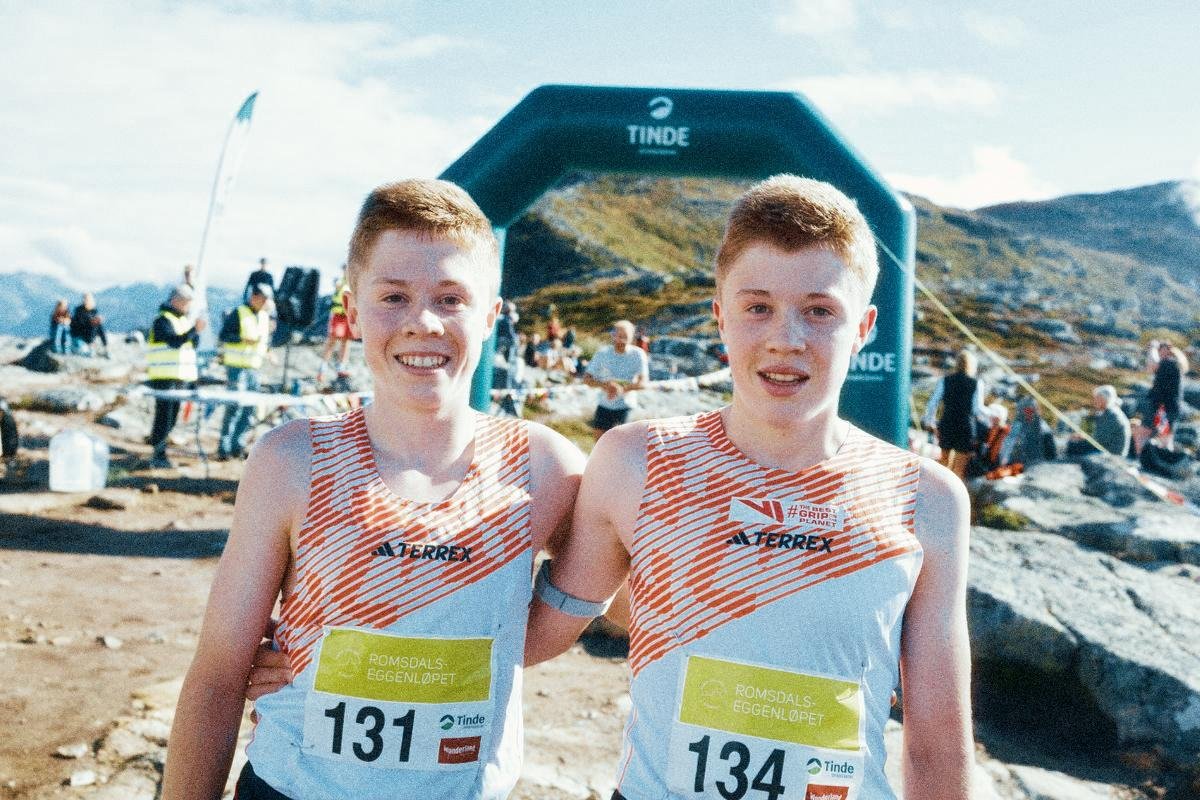
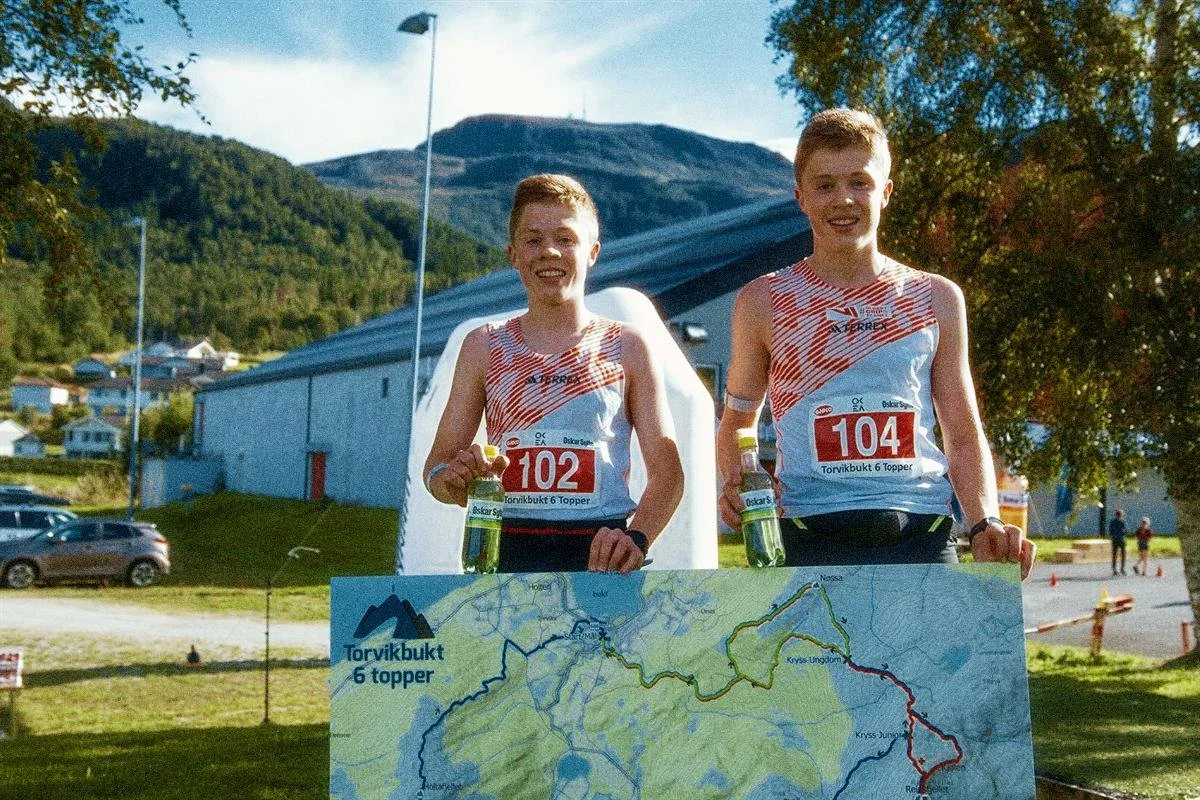
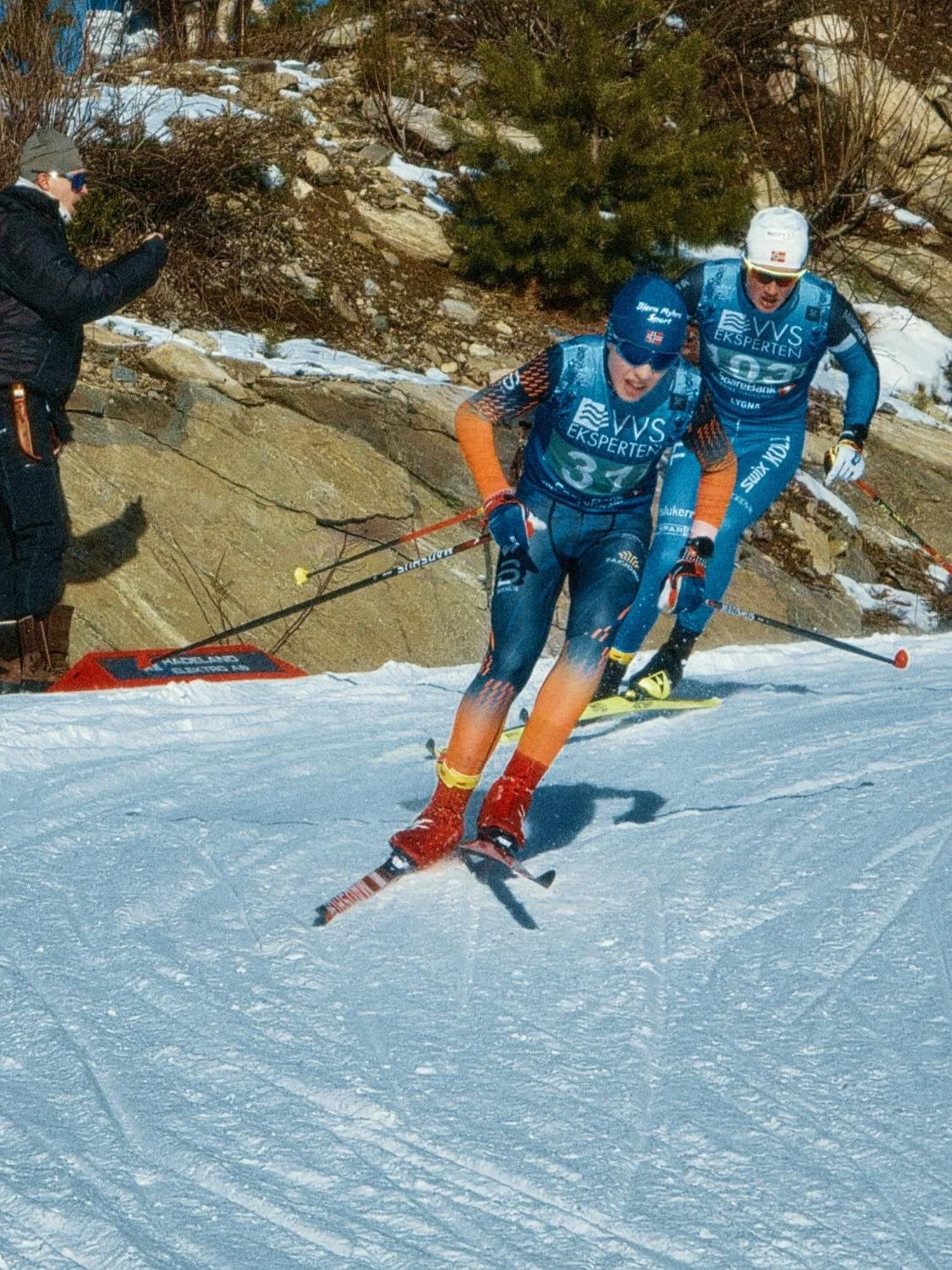
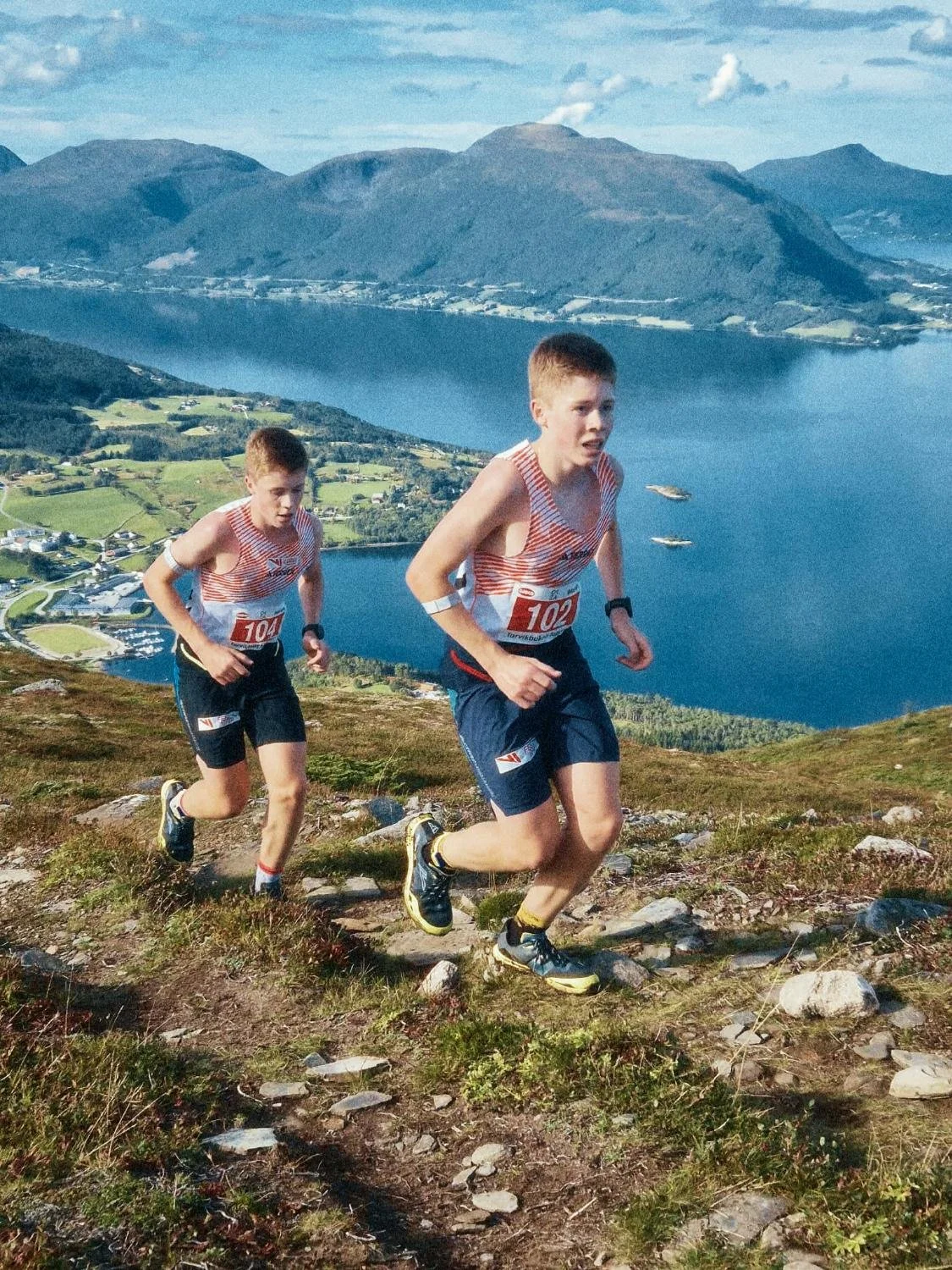
In the heart of Romsdalen, a valley known for its towering peaks and steep trails, two twin brothers are quietly building elite endurance engines. Kristian and Bjørn Unhjem are just 17 years old, but already they're on the radar of the national mountain running scene. With a training load that rivals seasoned pros, they live a life wholly immersed in endurance sport, blending cross-country skiing, mountain running, cycling, and roller skiing into a weekly rhythm.
Their story is not just one of talent, but of place. Growing up in Isfjorden, they live steps away from trails, mountains, and some of Norway's best endurance athletes. This is where they train, rest, race, and repeat. We sat down with them and NEDA podcast host Hans Kristian Smedsrød for a conversation about discipline, identity, and the culture of effort.
Hans-Kristian Smedsrød: Let's start with the basics. Can you introduce yourselves?
Kristian Unhjem: Sure! I'm Kristian Skjeflo Unhjem. I'm 17 years old and live in Isfjorden, in Romsdalen. It’s a small village but surrounded by mountains, so it's kind of a perfect place for what we love to do.
Bjørnar Unhjem: And I'm Bjørnar Skjeflo Unhjem — Kristian's twin brother. We live together, of course — same house, same routines, same trails just outside the door. We were born in 2008, two months early, at the hospital in Ålesund. So I guess we’ve been doing things a bit ahead of schedule from the very beginning.
Hans-Kristian: Growing up in a place like Romsdalen must be pretty special. What was it like for you two?
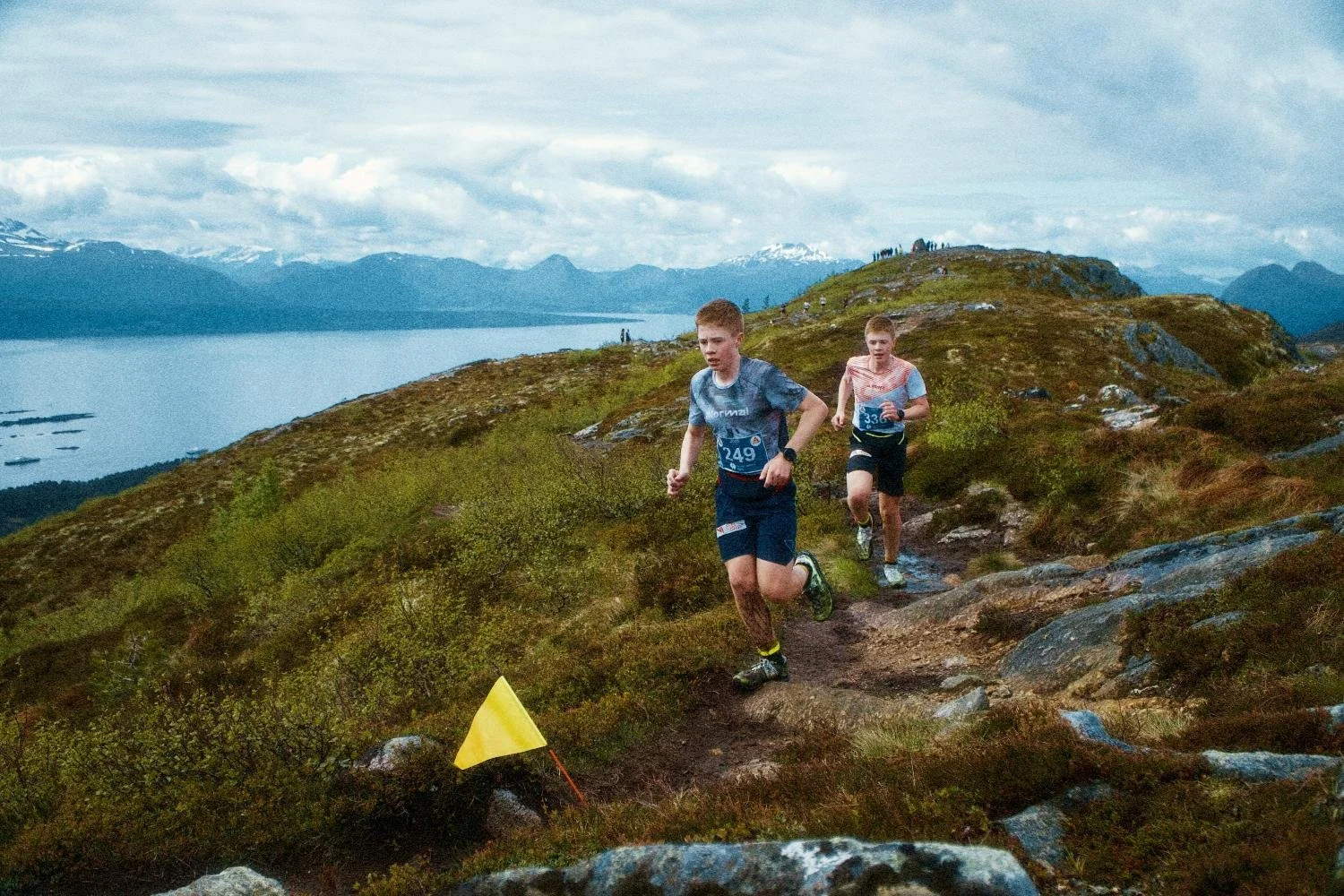
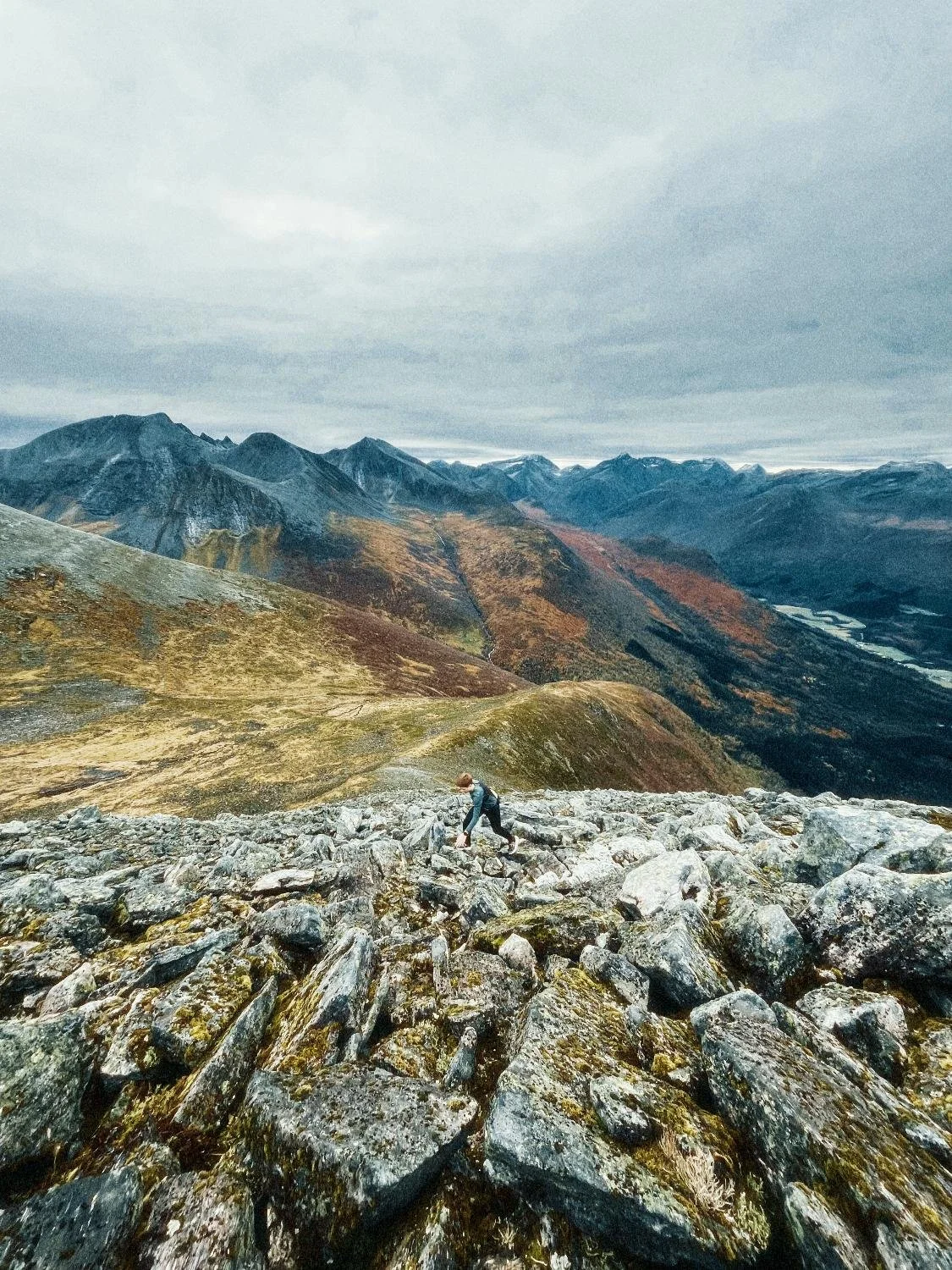
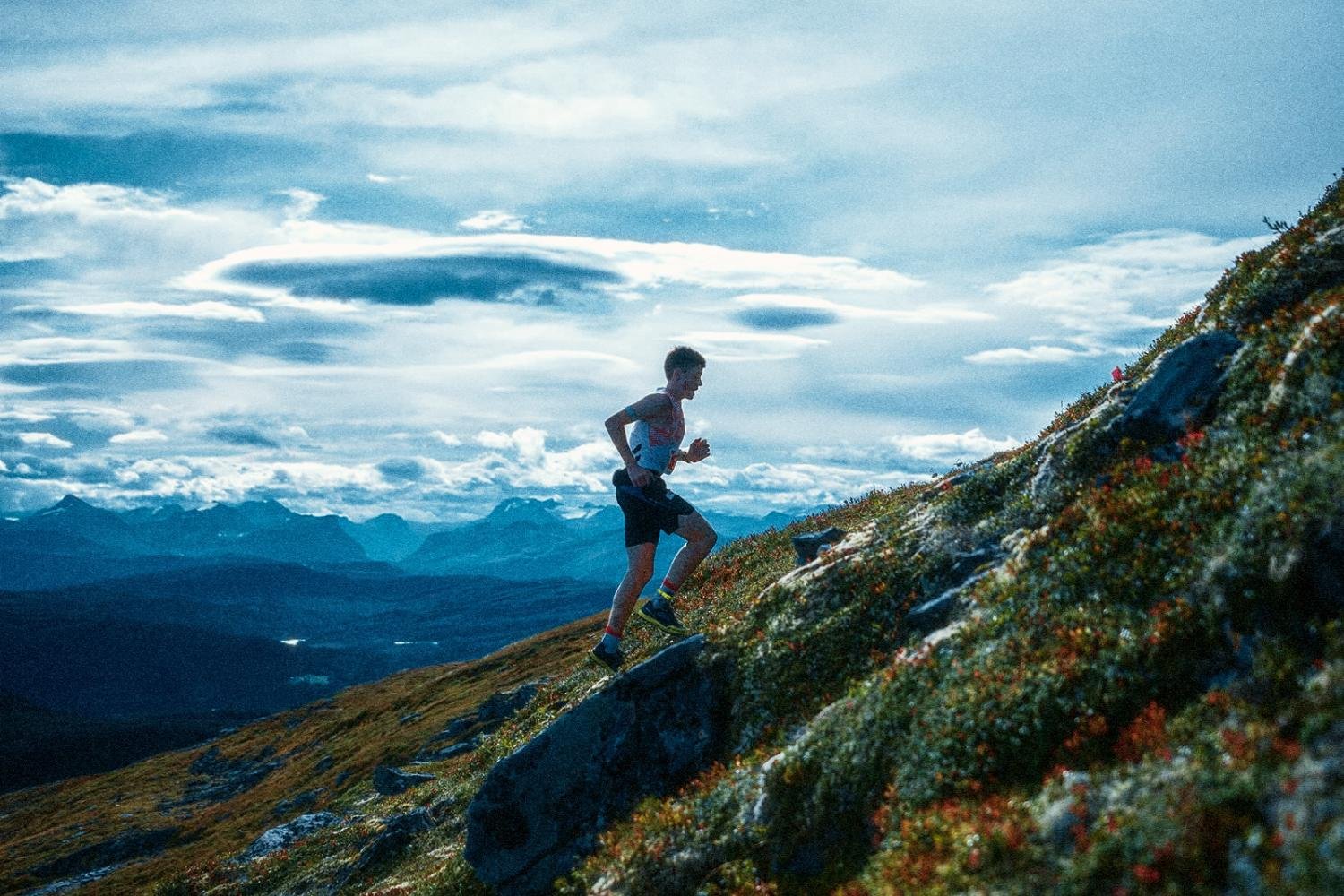
Kristian: It definitely shapes you. Here, you don't have to go far to find steep climbs or long trails. Our house is basically on the trailhead. We can just step outside and be running in the mountains in seconds. That kind of access is hard to beat.
Bjørnar: Also, we’re surrounded by top athletes. Petter Engdahl lives right down the road, and there’s a bunch of other strong runners and skiers in the area. Seeing them train and succeed makes you believe it’s possible. It pushes us. You don’t need much more motivation than that.
Hans-Kristian: When did you both start getting into running and mountain sports?
Kristian: We were active from a young age. We did cross-country skiing and biking, and we were always out on hikes. But real structured training started in 4th or 5th grade. There was a local running group in town and we joined that. From there, we just kept building.
Bjørnar: It was kind of a natural progression. At first, we just enjoyed being outside. Then we started doing intervals, following a basic training plan, and realized we liked pushing ourselves. Running in the mountains felt like the perfect match.
II
Hans-Kristian: Was it family, friends, or someone else who got you into it?
Bjørnar: A bit of everything. Our parents supported us but never pushed us too hard. And being twins, we kind of pushed each other. That helped a lot. Having someone by your side every day made the hard sessions easier — or at least more fun.
From early hikes to more structured training around fifth grade, their path into endurance sport was natural. They credit their upbringing for the lifestyle they've built. With access to big terrain out the door and inspiration from local pros like Petter Engdahl, the brothers had early blueprints for what was possible.
Kristian: We also had a great local coach early on who introduced us to interval training and showed us how to train smart. But in the end, I think it was just that we liked it. We liked being out there. We liked the routine.
Hans-Kristian: You clearly take training seriously. What does a good day look like for you?
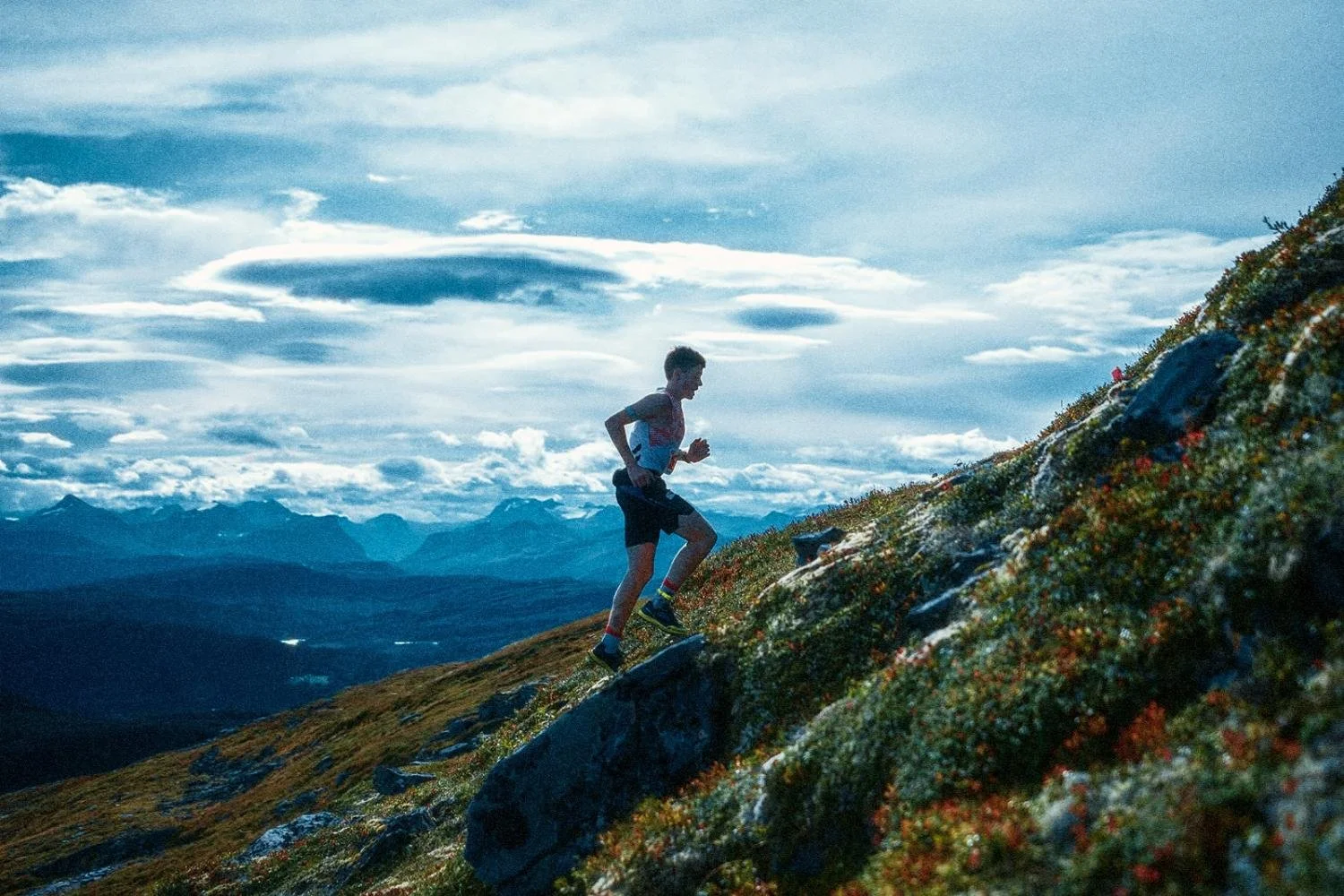
Kristian: A perfect day? It probably starts early, around 7. We eat breakfast and head out for a long run or mountain session. Maybe something like Storaksla or Breivikskaret. We come home, relax, recover a bit, and then maybe do a second shorter session in the evening — a bike ride, roller ski, or strength.
Bjørnar: It’s all about rhythm. You train, you eat, you rest, and then train again. We don’t spend a lot of time with friends outside of school, not because we don’t want to, but because we genuinely like this lifestyle. We get more energy from being outside than we do from socializing. That sounds extreme, maybe, but it's just what works for us.
III
Hans-Kristian: What's your relationship like with each other in training? Are you competitive?
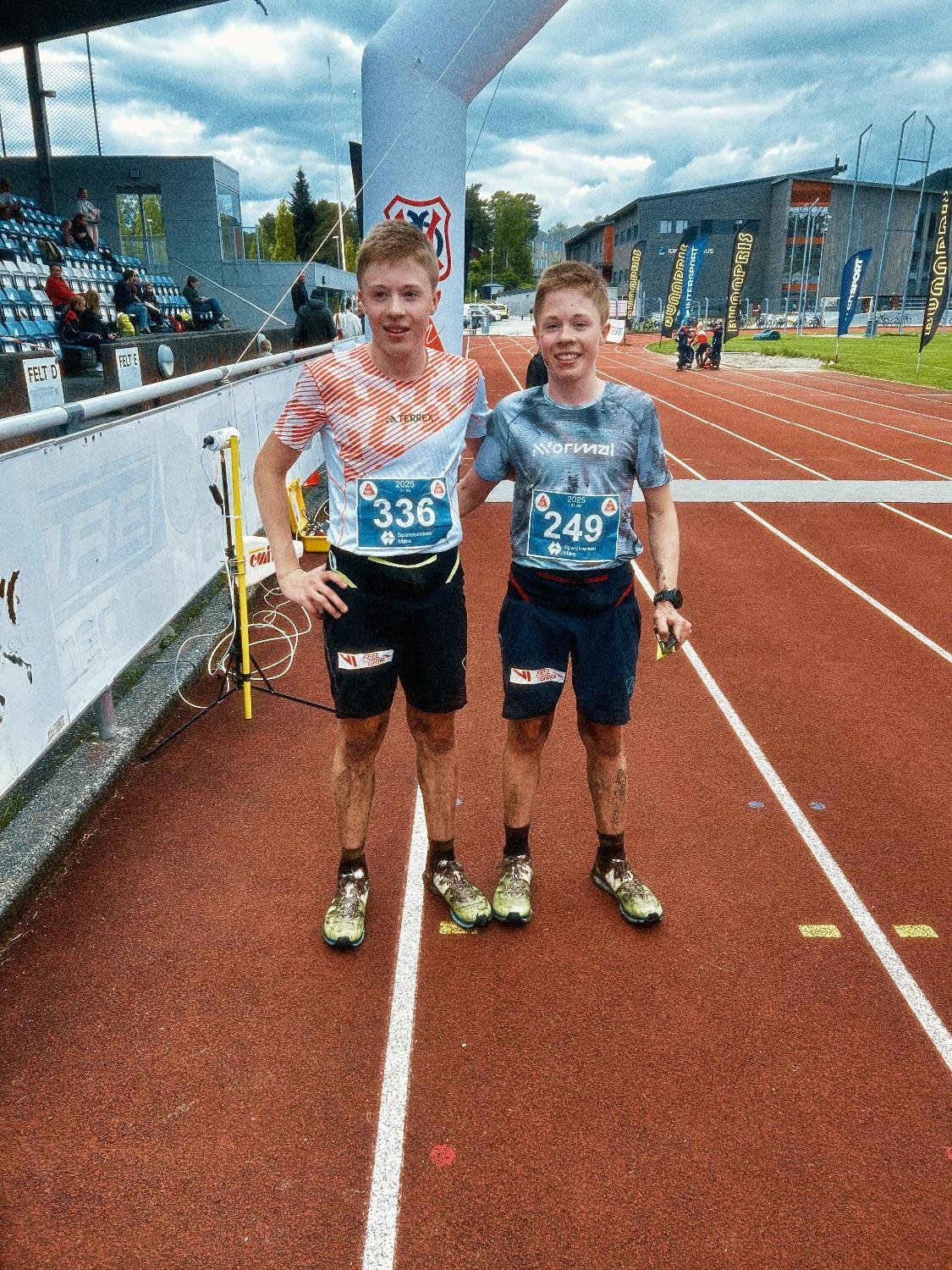
Kristian: Always. But in a healthy way. We push each other. If one of us runs a good time, the other wants to match it. We switch who wins in races pretty often, and that’s good. It keeps things interesting. But we also support each other fully. If he does well, I'm proud. And vice versa.
Bjørnar: Yeah, the competition is there, but it’s also motivation. You get honest feedback every day. And you can't slack when your training partner is your twin brother.
Hans-Kristian: You’ve mentioned a lot of races. What kind of events are you most interested in right now?
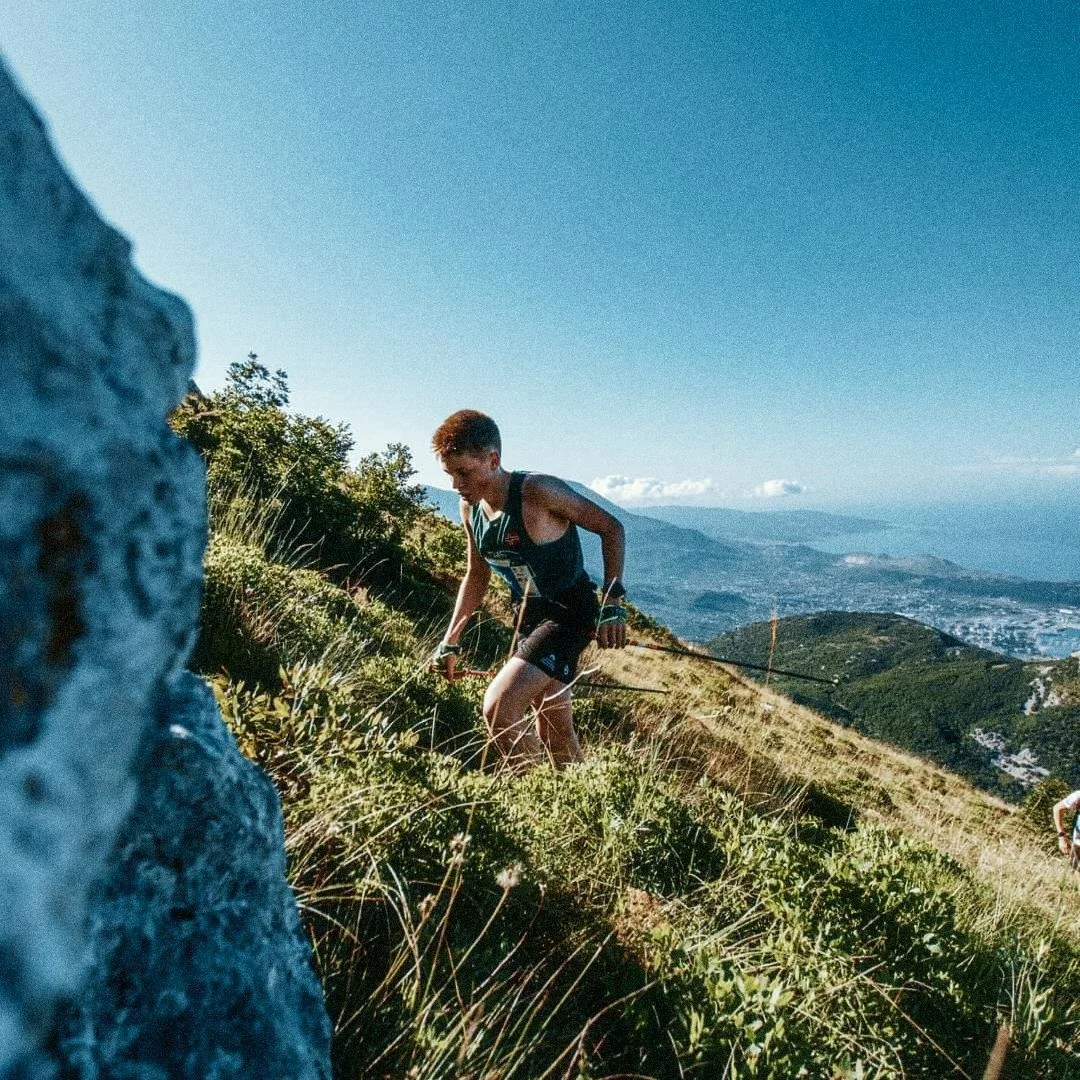
Kristian: Right now we focus on mountain races around 10 to 20 kilometers. Some of them are verticals, some a bit longer with more elevation. We both have a dream of stepping into the Golden Trail Series one day. And maybe later, ultra distances. But we’re not in a rush. We want to build up slowly.
Bjørnar: Yeah, long term we both want to test ourselves in international races, maybe UTMB one day. But right now it’s about getting stronger, racing locally and nationally, and making sure we enjoy the process.
Hans-Kristian: How much are you training now, in terms of volume?
Kristian: On average, around 20 hours a week. That includes running, biking, roller skiing, and strength. We usually have 2–3 intensity sessions per week and the rest is volume. We do a lot of our own planning, and we follow a pretty Norwegian model. It works well.
Bjørnar: During the school year, we even fit in training before class. On Thursdays, for example, we might go ski touring in the morning and be back in time for school at 9. We try to get creative with the time we have.
IV
Hans-Kristian: You both seem incredibly motivated. What drives you?
Kristian: For me, it’s about progress. Seeing small improvements. Running a climb faster than last time. Recovering better. It doesn’t always have to be about winning. I just love seeing what the body can do when you work for it.
Bjørnar: Same here. And also the feeling of being out in nature. Seeing the seasons change. Being in the mountains gives me a sense of peace and purpose. That’s what keeps me going.
Hans-Kristian: Let’s talk about Nesaksla. What does that mountain mean to you?
Kristian: It’s a benchmark. Everyone in Romsdalen knows their PR up to Nesaksla. It’s brutally steep, but it gives you an honest answer about your fitness. When you run it all-out, you know exactly how far you are from the best in the world. And that’s motivating.
Bjørnar: Yeah, Kilian's time is 19:23. That’s wild. My PR is 24:50, but I want to get under 24 minutes soon. It’s personal, but it’s also a way to measure yourself against the top. It makes the climb more than just a training hill.
Hans-Kristian: What about the national scene? How does it feel to be part of the next generation of mountain runners in Norway?
Kristian: I think it’s exciting. There’s a lot of talent coming up. The competition is strong, especially in the junior classes. And I think it pushes everyone to get better. We know we have to work hard to stay with the best.
Bjørnar: And there’s a good environment. We meet a lot of the same people at winter competitions for skiing or randonee, and in the summer for running. It feels like a small, dedicated community.
Hans-Kristian: Any big goals for the future?
Kristian: Compete internationally. Represent Norway. Race in Chamonix, Zegama, and maybe even UTMB one day. But also stay healthy, stay in love with the sport, and keep growing steadily.
Bjørnar: I just want to keep doing what we’re doing. Stay consistent. Improve a little each year. And see where that takes us.
It's not just their genes or their geography. It's their total commitment. "We don't listen to music when we train. No distractions. Just running. Just being outside."
And that's perhaps what sets them apart. In an era of noise, the Unhjem brothers have built something quiet, focused, and relentlessly forward-moving. It’s a rhythm shaped by Romsdalen. And it’s just getting started.
SHARE
OTHER STORIES
-
born to endure
CULTURE
-
from the track to freedom
INTERVIEW
-
The first step
CULTURE
-
A Nordmarka Classic
CULTURE
-
The Art of Fast Skis
INTERVIEW
-
Nattvasan
CULTURE