
THE ROMSDALEN METHOD
Words by Henrik Rostrup
Photos by Hans-Kristian Smedsrø
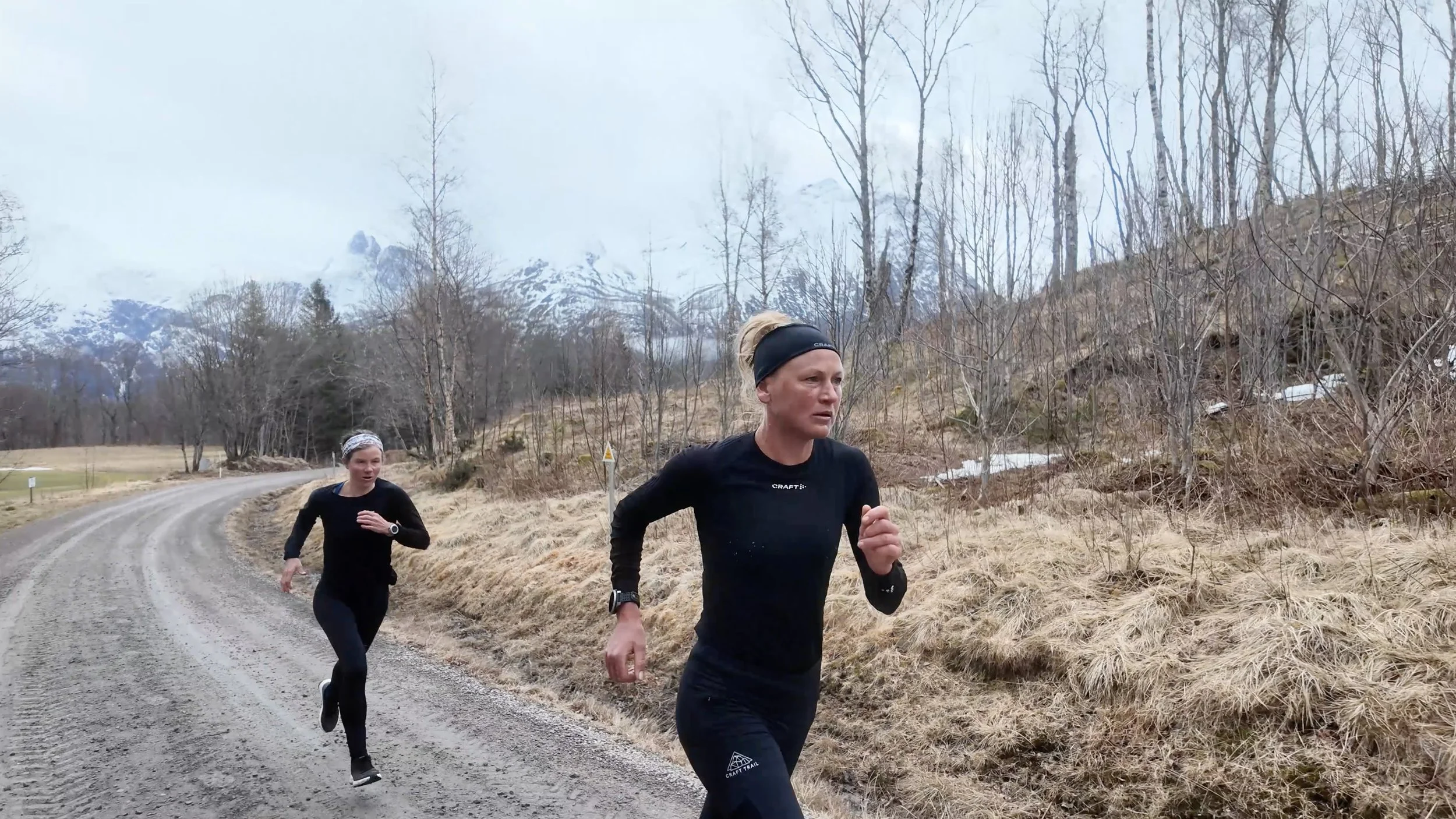
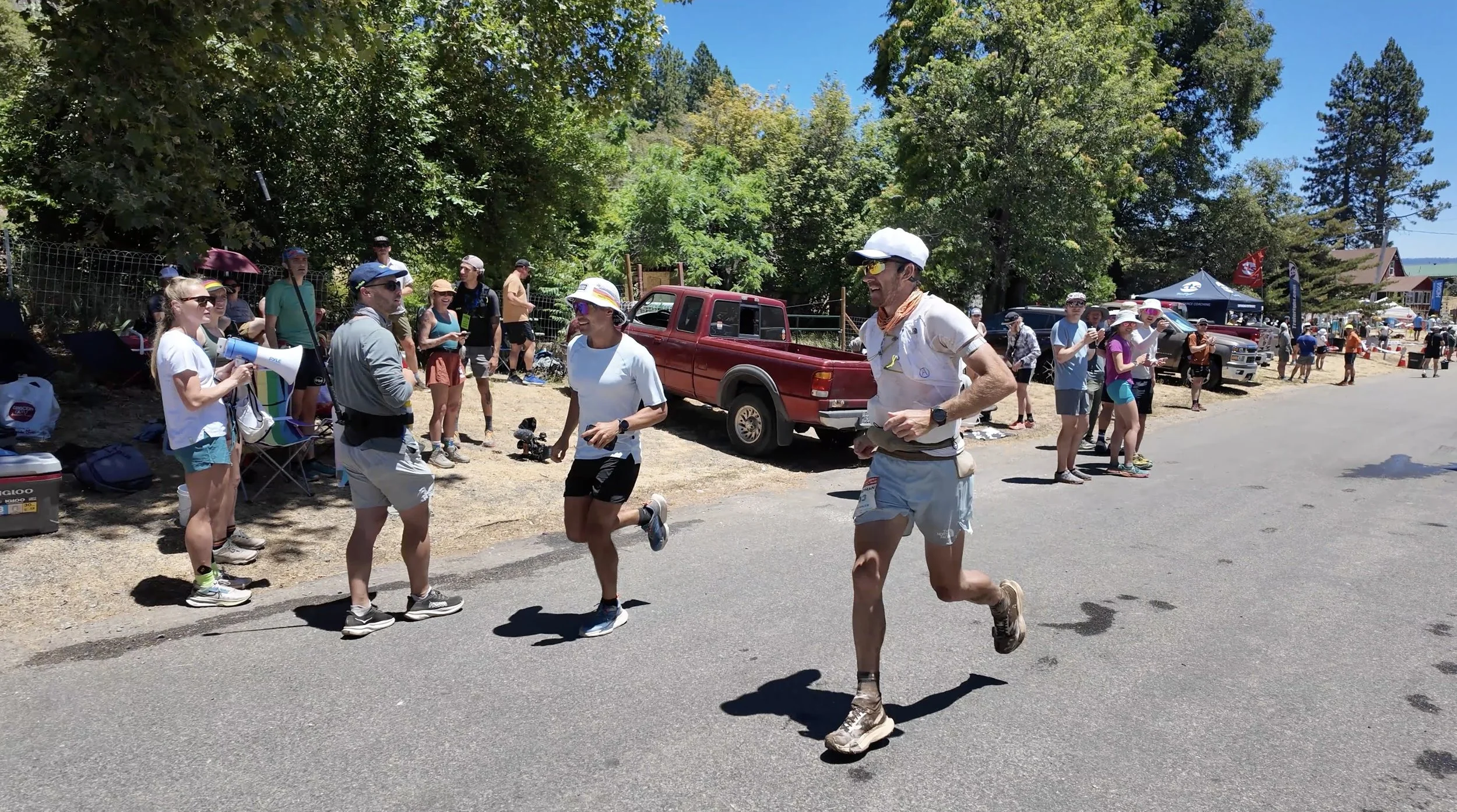
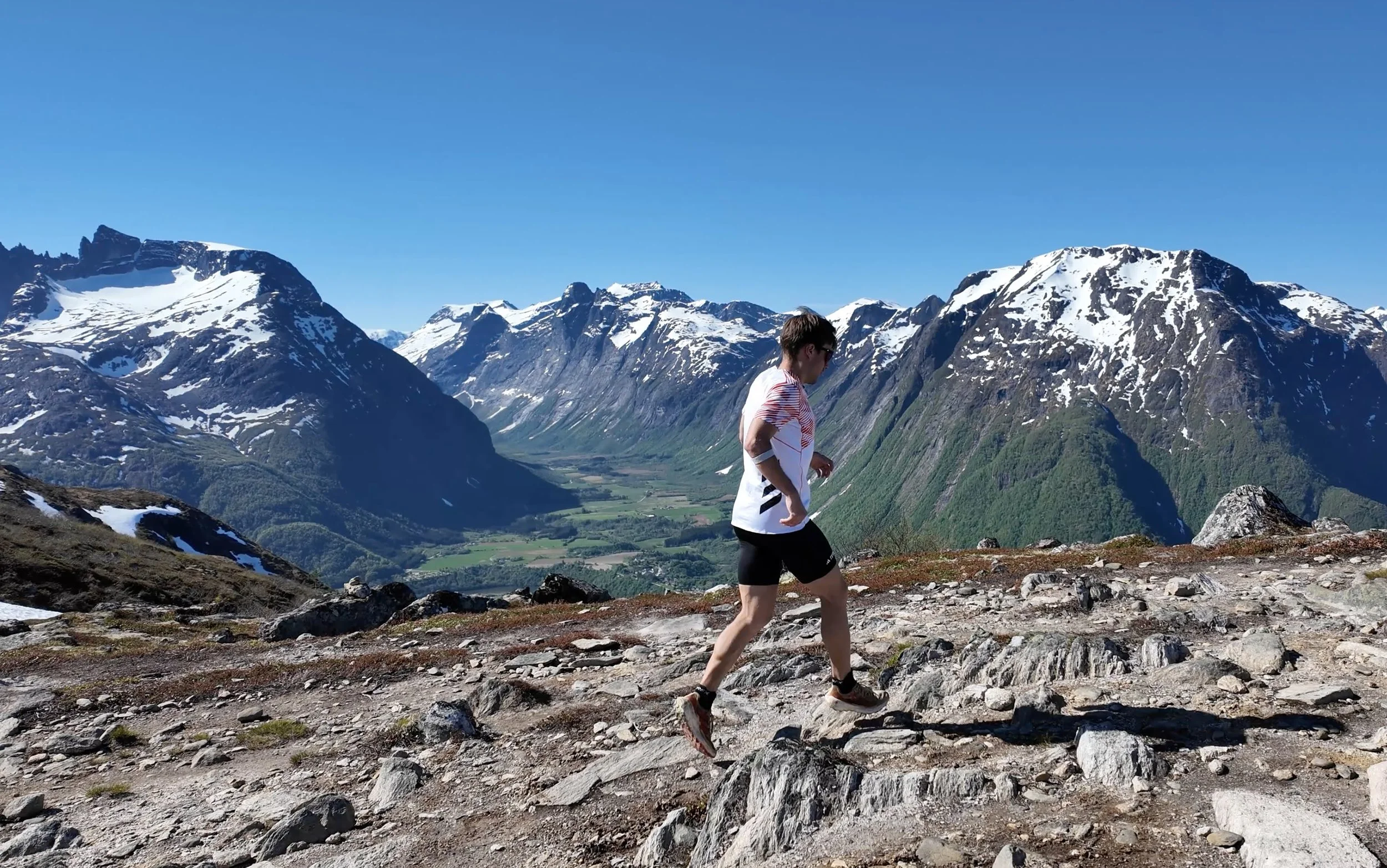
‘a documentary about one of the world’s most unique ultra-running hubs—Romsdalen, Norway. Directed by Hans Kristian Smedsrød, the film follows three top-tier endurance athletes—Ida Nilsson, Jon Albon, and Petter Engdahl—as they train in the rugged, Arctic-inspired terrain of Romsdalen before heading to Western States 100, one of the most prestigious ultra races in the world.
I
Let’s start with a bit of background. This is the first Norwegian ultra running film, right?
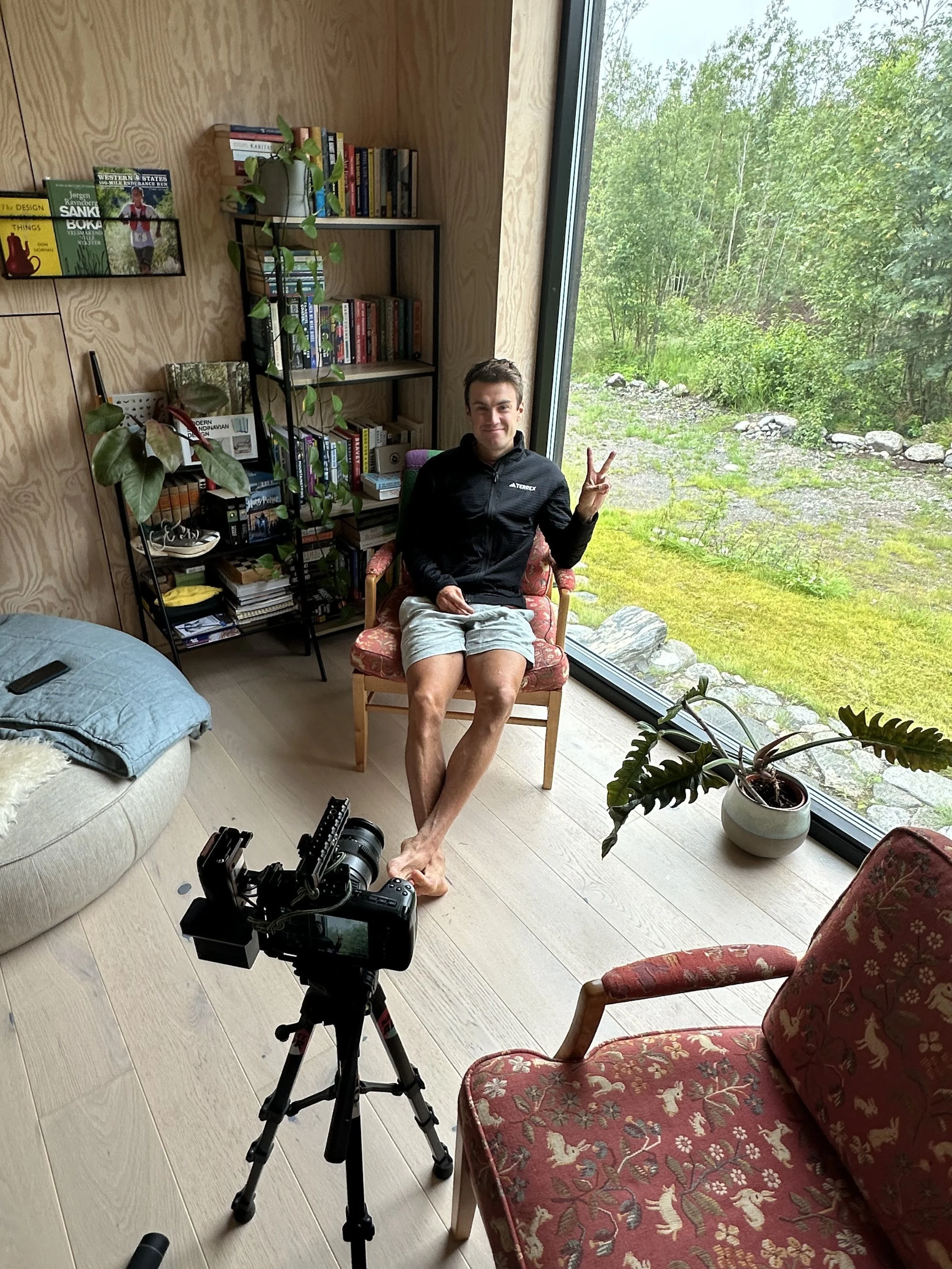
You could say that. Technically, we did an earlier short film called ‘Besatt’ (Possessed) with Johannes, where he ran from the Opera House in Oslo to Galdhøpiggen. That wasn’t widely seen, but people who have watched it say it’s a really good, raw, and authentic story. This film has that same feel, but it’s the first feature-length Norwegian ultra running film. ‘Besatt’ (Possessed) was only about 20 minutes. This one is nearly 1 hour and 40 minutes. A full-length film. You can sit down with popcorn and experience it on the big screen.
It’s probably the first and only film of this scale made in Norway by a Norwegian. Ironically, though, it’s not really about Norwegians. The main athletes are Swedish and British, and the key interviews feature Americans and Spaniards. I think I’m the only Norwegian in the film, and even that wasn’t planned—I just realized during editing that I needed to set the stage with some narration.
At first, I tried opening the film with on-screen text, explaining the background of Romsdalen and its athletes, but it looked cheap. It didn’t communicate what I wanted. So I had to go out, film myself, and write a script I memorized for the intro.
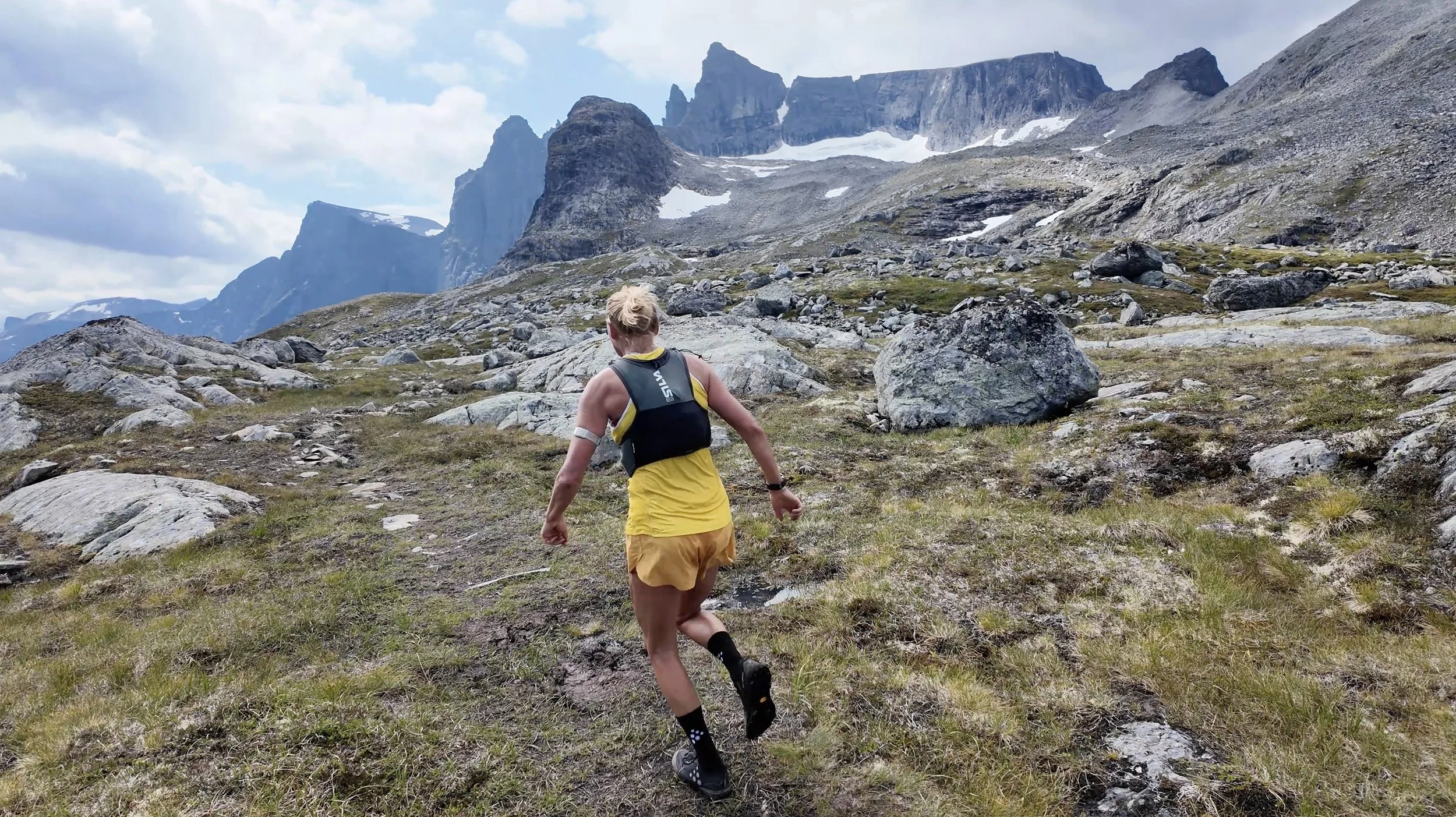
“What makes Romsdalen special? Is it the landscape? The culture? The athletes’ relentless work ethic? The film explores these questions, capturing raw, unfiltered training sessions and deep conversations about endurance sports, self-discipline, and community-driven excellence.”
II
Would you say this is ultimately a film about Romsdalen?
Absolutely. I’ve called it a love letter to Romsdalen. It all started when I moved here in 2022—almost three years ago now. I moved for many reasons, but one was to become a better trail runner.
And I’ll be honest: I first heard about Romsdalen because of Kilian Jornet. Before he moved here and started posting photos of it on Instagram, I barely knew the place existed. I didn’t move here for Kilian, but he sure sold the place to me.
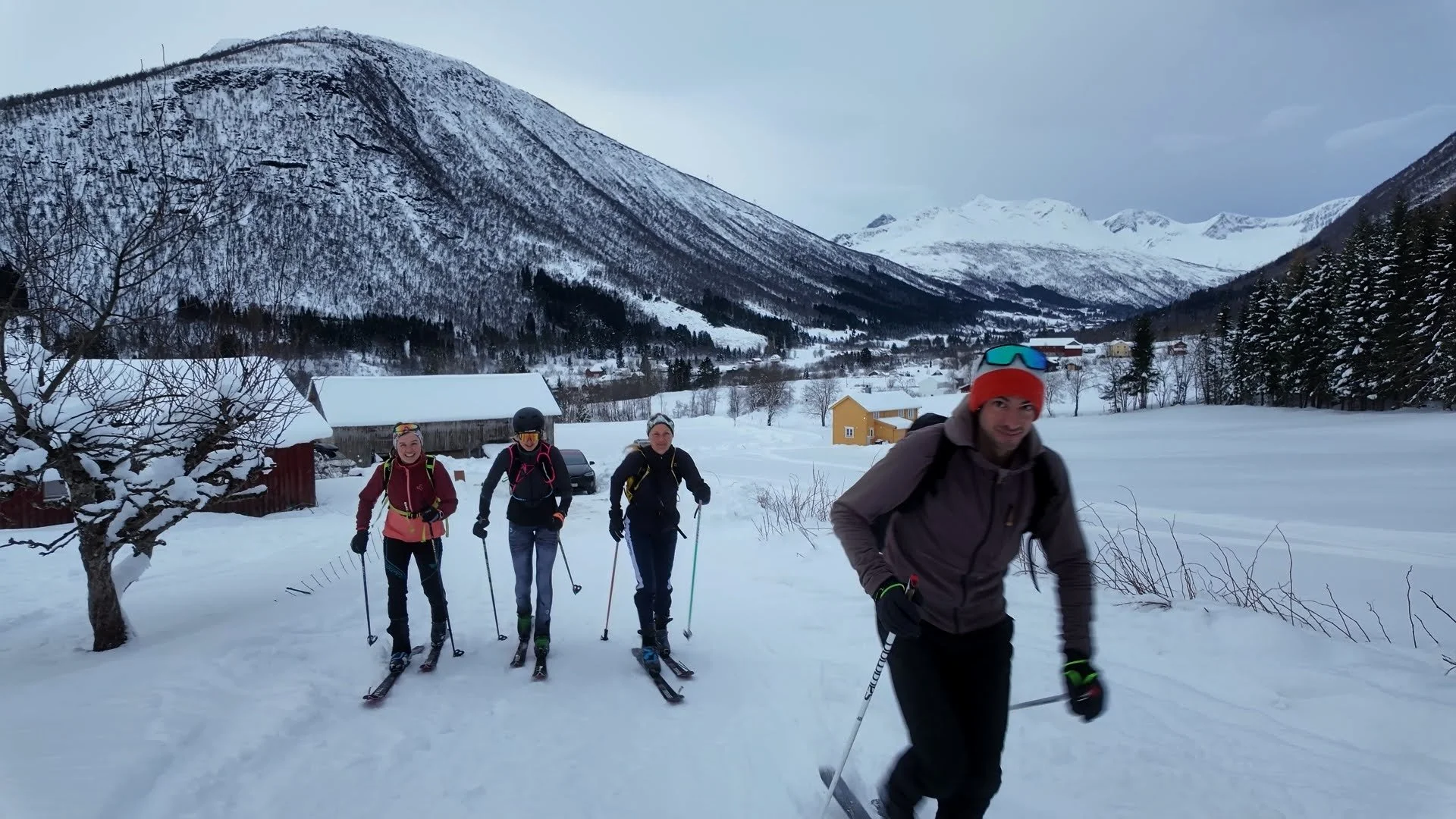
Back when Kilian moved, he and his wife, Emilie, were the only elite endurance athletes in Romsdalen. But soon, more names started popping up—Ida Nilsson, Jon Albon, Henriette (Jon’s wife), and many others. I knew Jon from before. We’d met at a bunch of Skyrunning races and even stayed together at some events. I visited him in Romsdalen in 2020 during lockdown and thought, ‘One day, I just have to move here.’
III
So how did the idea for the film actually come about?
In 2023, two athletes from Romsdalen qualified for the Western States 100, one of the world’s most prestigious ultra races. That’s a race I’ve always dreamed of running. Every year, I do a qualifying race to enter the lottery, but I’m not good enough to win a golden ticket (automatic entry), so I just throw my name in and hope for the best. It can take years.
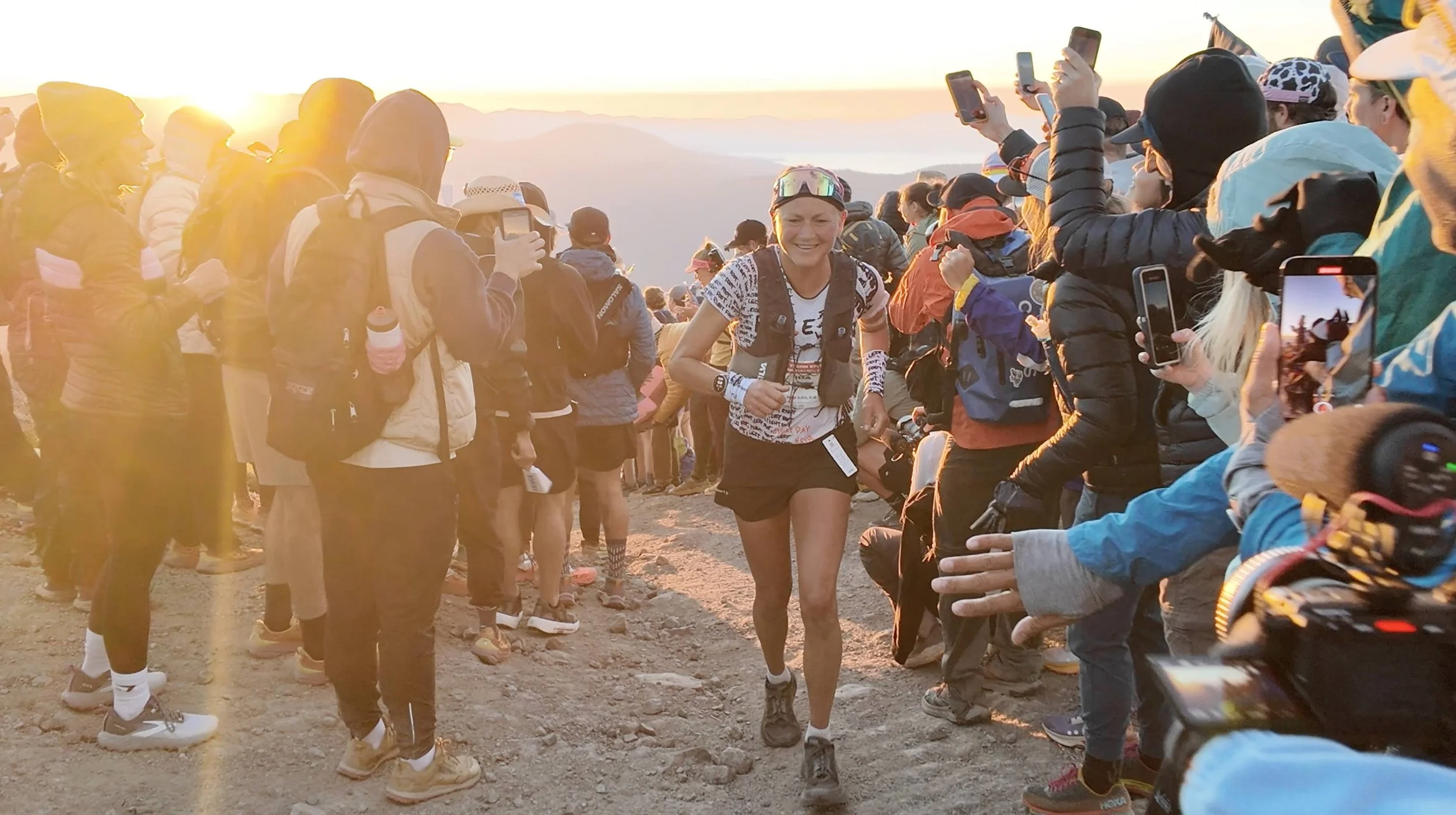
But then, two of my friends—Ida Nilsson and Jon Albon—qualified directly. And then Yngvild Kaspersen from Ålesund also got in. So I started asking around: ‘Is anyone making a film about this?’ Because following one athlete to Western States isn’t unique—there are thousands of those films. But three world-class athletes, living in the same tiny valley in Norway, all training in Arctic conditions, then heading to the biggest ultra race in the U.S., with a legitimate shot at winning? That’s unique.
Nobody else was doing it, so I asked if I could. They gave me the go-ahead but didn’t really think I’d pull it off. They just said, ‘Yeah, sure, you can tag along for a few training sessions.’ So I started filming.
Then Yngvild had to step away from my film to focus on Adidas' own documentary, which meant I was left with just Jon and Ida. But then, coincidentally, Petter Engdahl also qualified for Western States. And suddenly, I had three world-class ultra runners, all within a 5km radius in Romsdalen, training for the same race. That’s when I knew we really had a film.
I spent the winter and spring filming their training. Then I bought a plane ticket to the U.S., filmed the race, interviewed key figures there, and came back to Norway to wrap it all up. It’s taken me over six months to edit down hundreds of hours of footage into a 90-minute film.
IV
The film is called ‘The Romsdalen Method.’ Did that title emerge during the process?
Yeah, I didn’t plan on calling it that. It was actually Petter who suggested the name—not for a film, but for a YouTube series. He told me to ditch the idea of a movie and just make a YouTube series called ‘The Romsdalen Method.’
But as I was editing, I realized the whole story was built around why these athletes are so good. What makes them unique? Is it the place itself? Is there something special about training here in Romsdalen? Or were they already world-class before moving?
That question became central to the film. And the title ‘The Romsdalen Method’ felt like a great hook—like, ‘What is it? What’s the secret?’
V
There’s something refreshing about how raw the film is. Most sports films today feel heavily branded.
Yeah, and that was intentional. I didn’t want a sponsor influencing the film before it was even made. That would have added pressure, and I didn’t want a commercial mindset messing with the creative process.
Most outdoor sports films today exist to sell something. They’re basically long ads. And while that’s fine—it’s how these films get funded—it also shapes the content. You watch, expecting the product placement. It’s like a banner ad on a website—you just ignore it.
With ‘The Romsdalen Method’, I wanted it to feel real. No one in the film is talking about what shoes they wear or what brand of watch they have. The reality is, these athletes don’t care about gear. They just go out and do the work.
There’s this one scene in the film that really stuck with me—Ida Nilsson wrapping up her ski season. She’s carrying all her skis, arms overflowing, and she takes them down into this old dirt basement beneath her house. No fancy gear room, no meticulously organized racks—just this dimly lit, slightly rusty space. And she just chucks them in. Shuts the door. The season's over. See you next year.
And to me, that moment really highlighted the difference between a real athlete and the rest of us. They don’t care about how their gear looks. They just grab their stuff and go—whether it’s running, skiing, whatever. Meanwhile, 99% of my own motivation often comes from the gear itself. I get excited about a new pair of shoes or some fresh kit, and then I go train. I enjoy it, but it’s a totally different kind of motivation. That’s something I hadn’t really thought about before. And you’d never see a moment like that in a branded film. In those, everything is perfectly styled, the shoes are spotless, the gear looks brand new. But here, it’s just a reality check—athletes who train, use, and abuse their equipment. It’s not about aesthetics. It’s about the work.
Yeah, and maybe that’s something people take away from the film—especially those who love gear. It’s this realization that being great isn’t about the equipment. And maybe that stings a little. It’s a reality check. Success comes from training culture, from putting in the work.
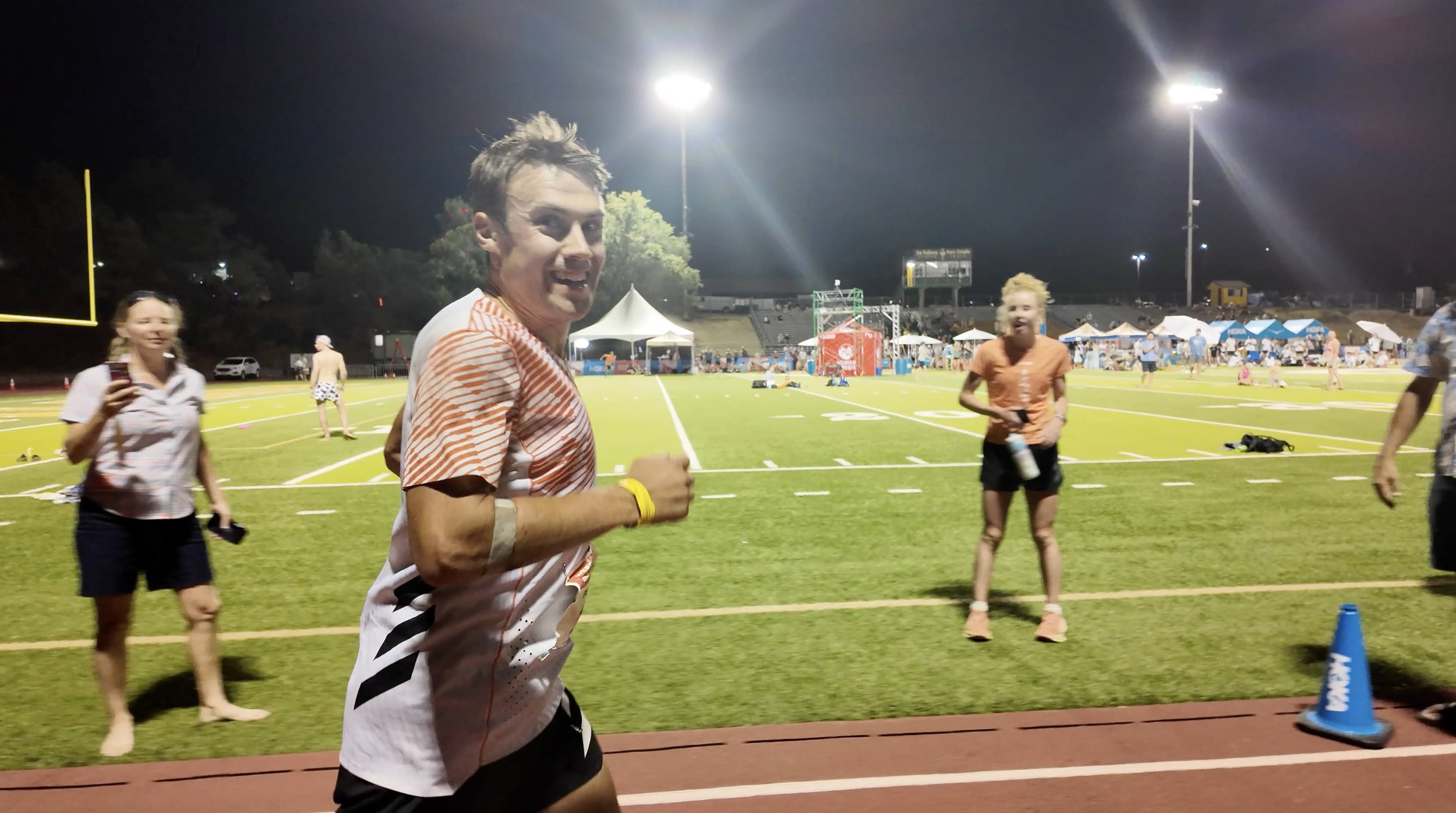
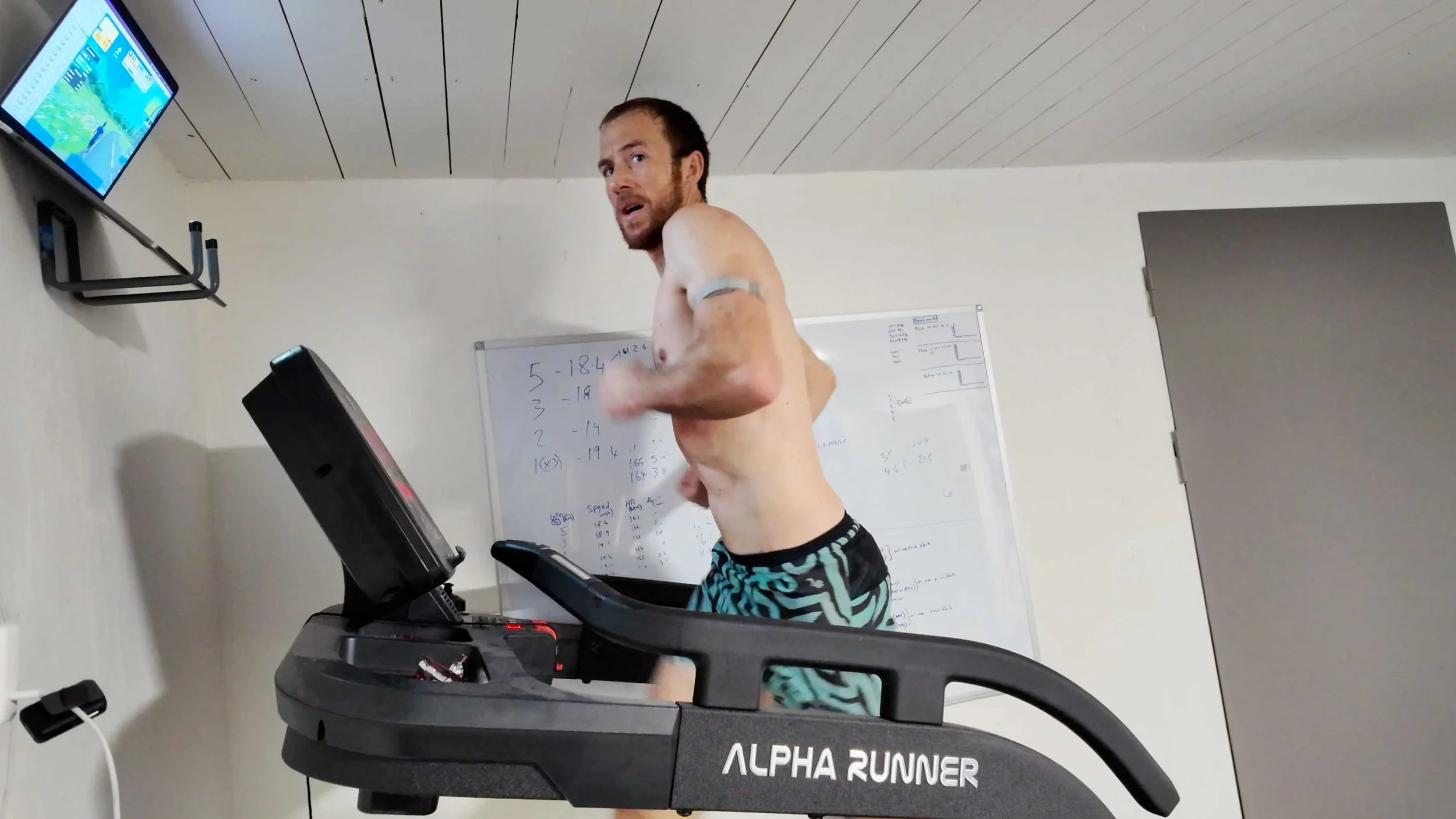
Look at Jon, for example. He spent countless hours on the treadmill, doing heat training in a stuffy attic room, even though he hated it. But that’s what it takes to be the best. That’s the difference between him and me. I go skiing when the weather is nice. He does what needs to be done, whether it’s skis or structured race-specific training. And that’s why he’s where he is.
VI
What was the most memorable moment during filming?
Meeting Gordy Ainsleigh, the guy who invented Western States.
Western States started as a horse race, but in 1974, Gordy’s horse got injured, so he ran the race on foot instead. People told him no human could finish it in under 24 hours. The next year, he did. That’s how the modern ultra was born.
I got to film him as Jon Albon picked up his race number. And I stood there thinking, I’m watching history unfold right now.
Later, when I imported the footage and saw the sound was good, I knew I had something special.
What do you hope people take away from the film?
I hope it inspires people.
You know that feeling when you watch an old snowboard or skate film, and you just have to get outside and do it yourself? I want people to watch ‘The Romsdalen Method’ and feel that way about running.
Maybe they’ll want to train like Jon and Ida. Maybe they’ll rethink their life choices and move closer to the mountains. Maybe they’ll just get out for a run after watching. That would be cool.
The premiere for ‘The Romsdalen Method’ is set for April 26, 2025, at Tindesenteret in Åndalsnes, followed by a screening tour in Norway. More dates will be announced on romsdalmethod.com.
SHARE
OTHER STORIES
-
born to endure
CULTURE
-
from the track to freedom
INTERVIEW
-
The first step
CULTURE
-
A Nordmarka Classic
CULTURE
-
The Art of Fast Skis
INTERVIEW
-
Nattvasan
CULTURE