
THE RACE built by
the forest
Words by Henrik Rostrup
Photos by William Hamilton
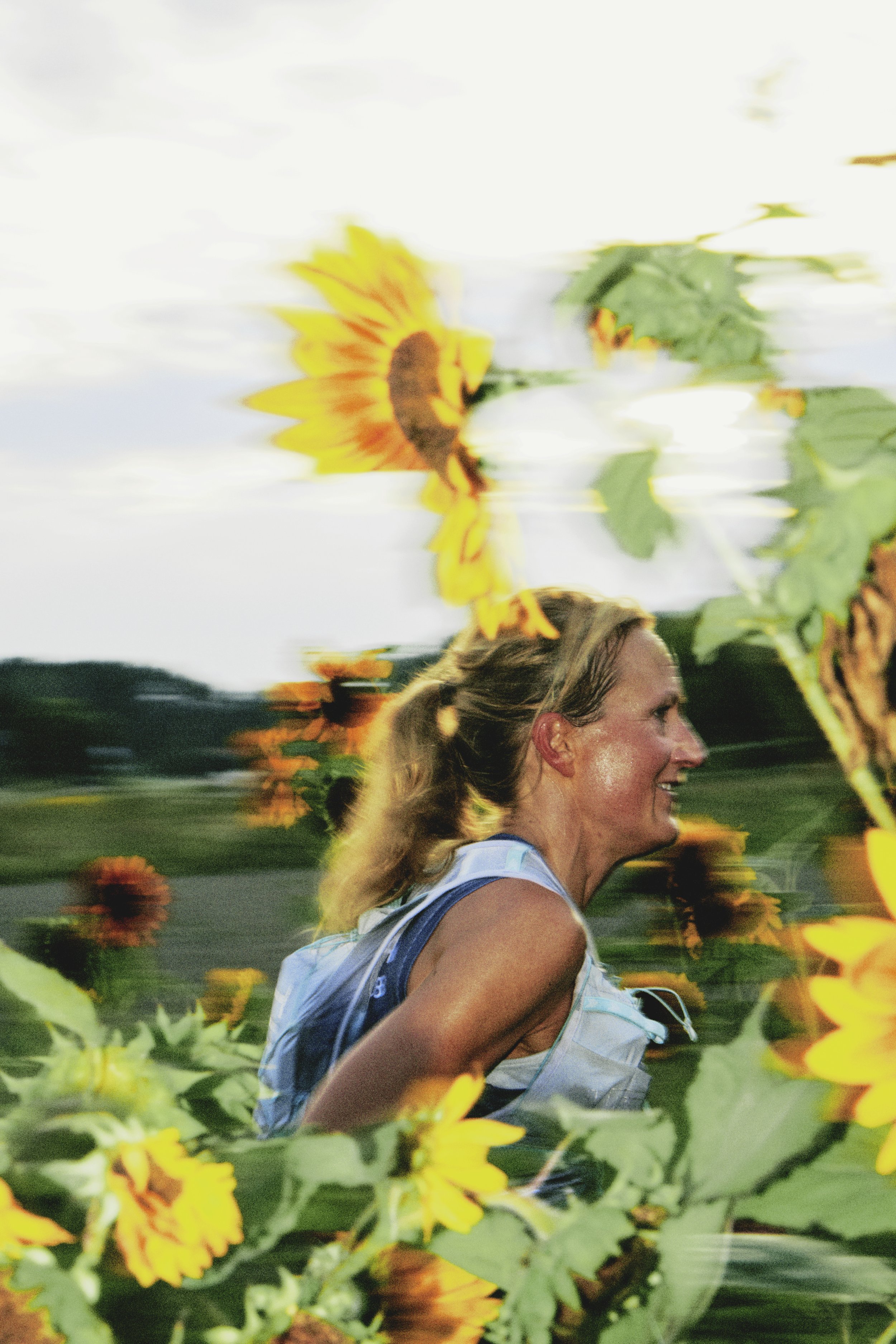
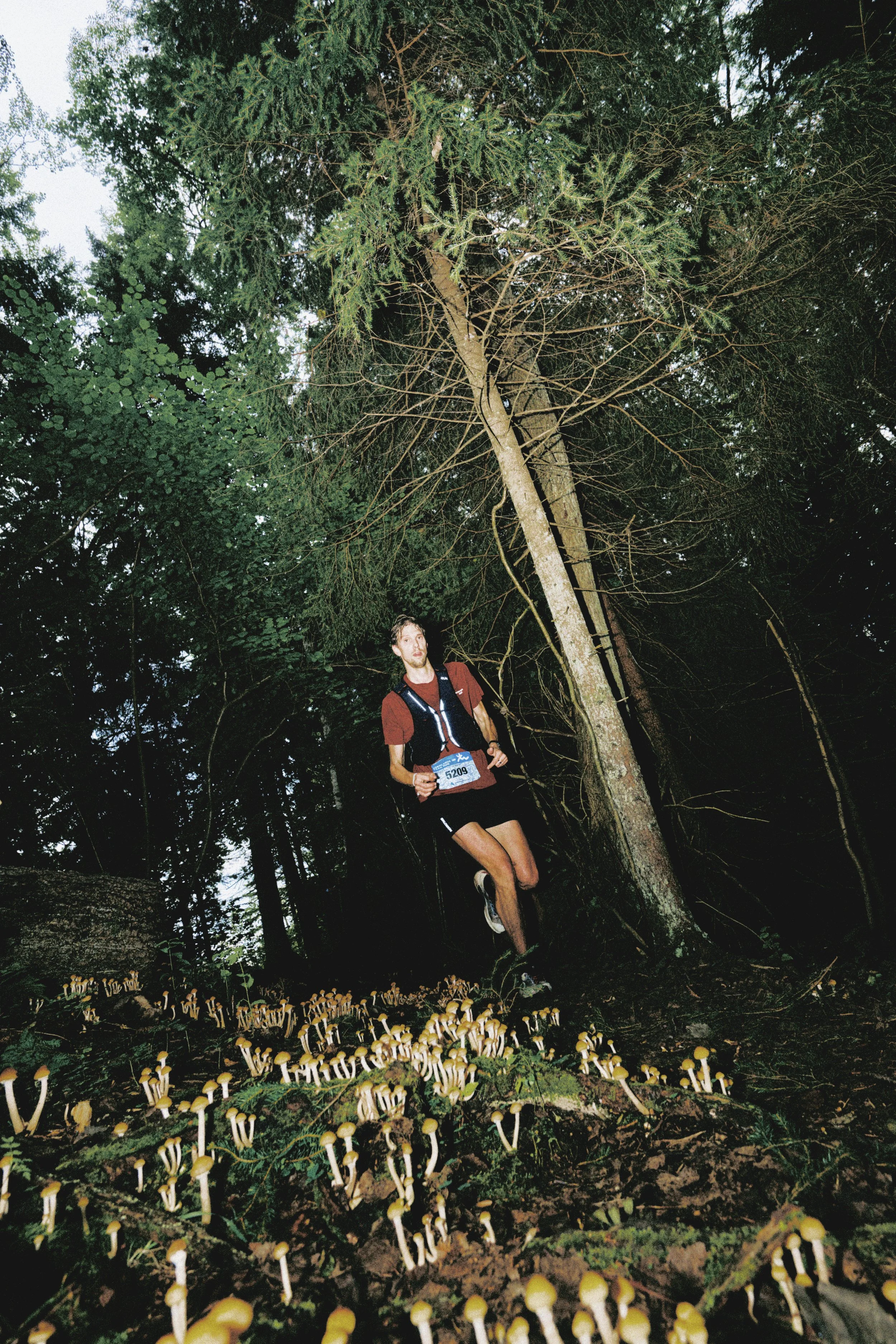
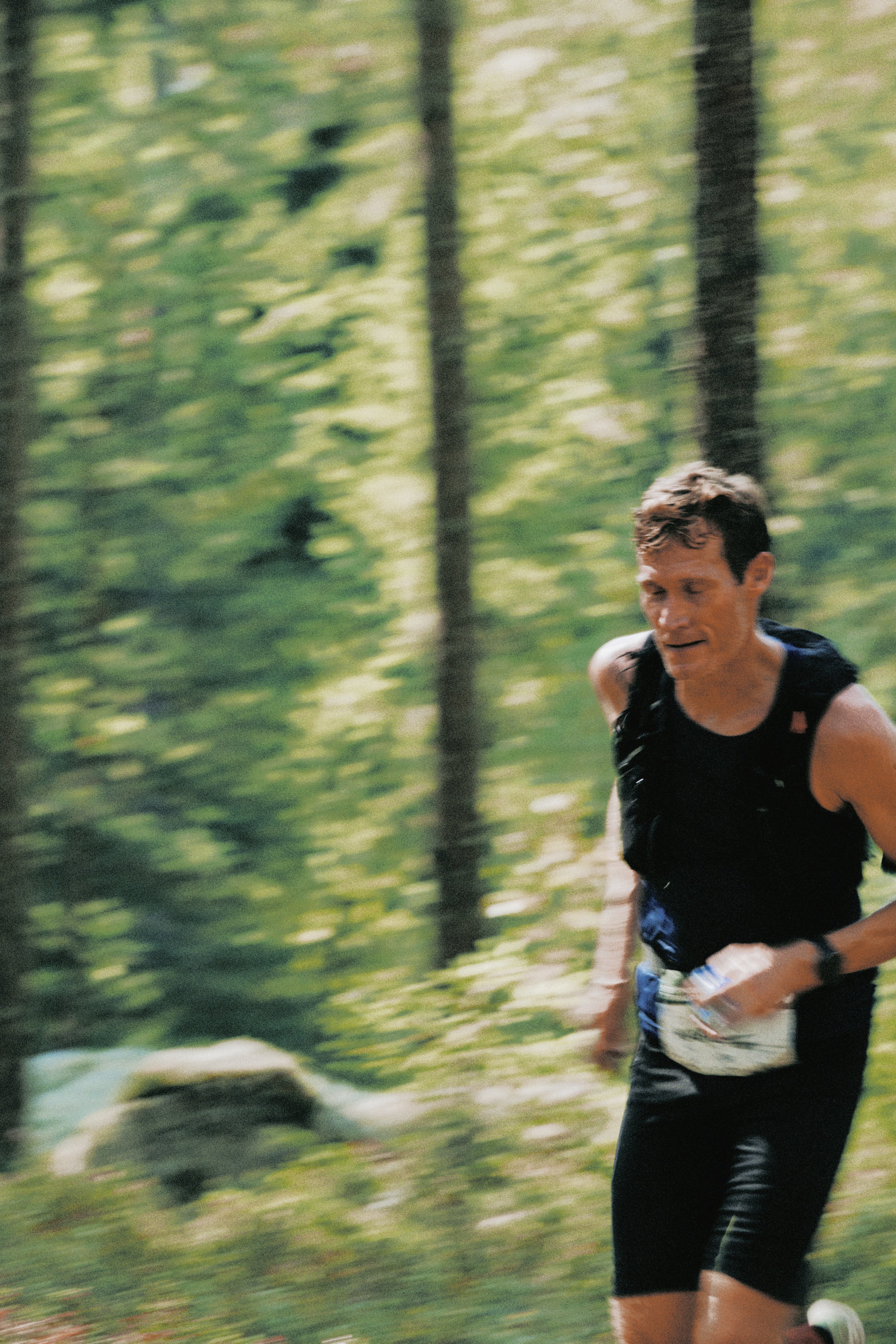
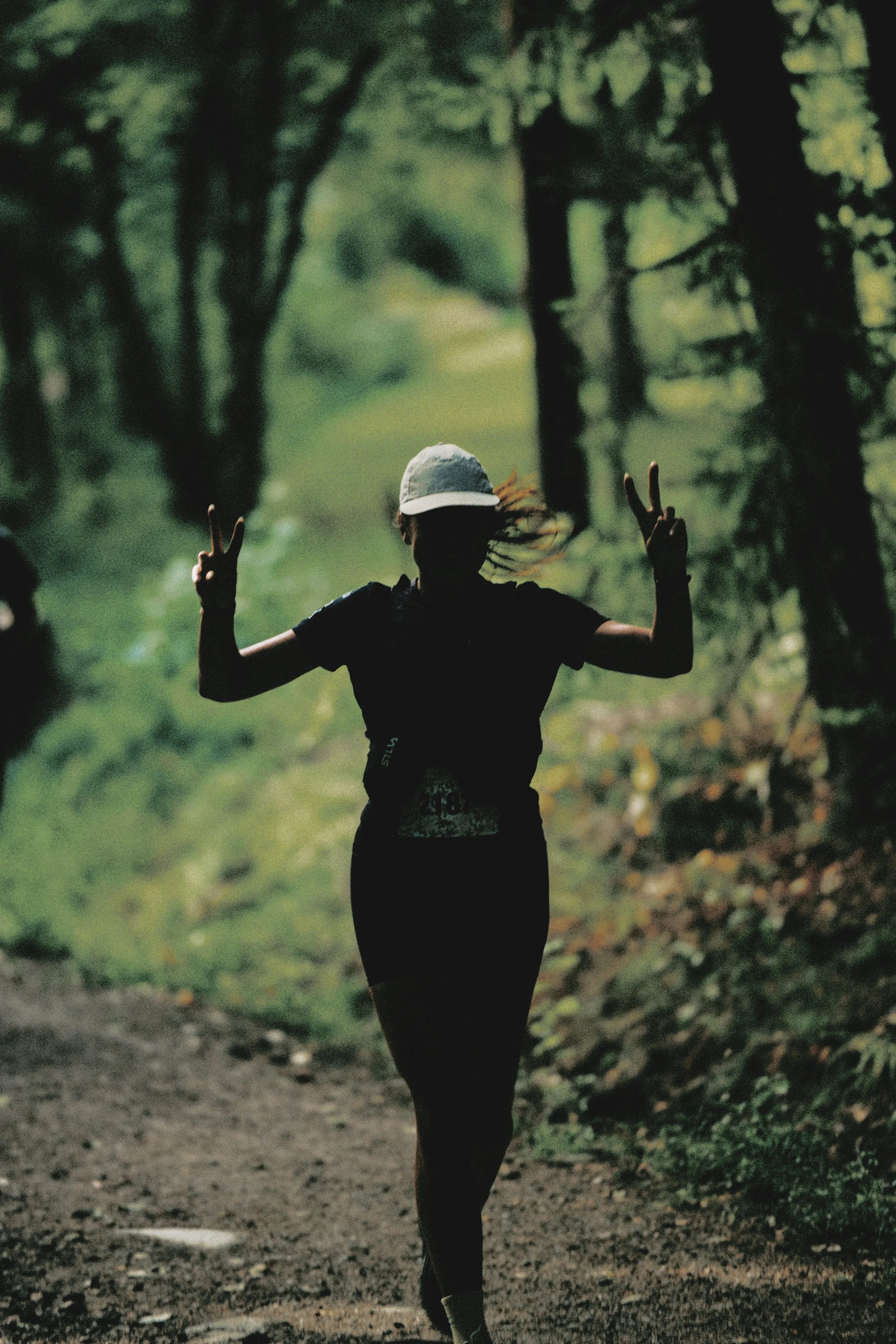
Each September, deep in the oak and pine forests of Sörmland, a quiet kind of epic unfolds. No media crews. No hype videos. Just trails, headlamps, and the sound of shoes on dirt. The Sörmlands 100 Trail Weekend isn’t one race—it’s a gathering built entirely around trail running.
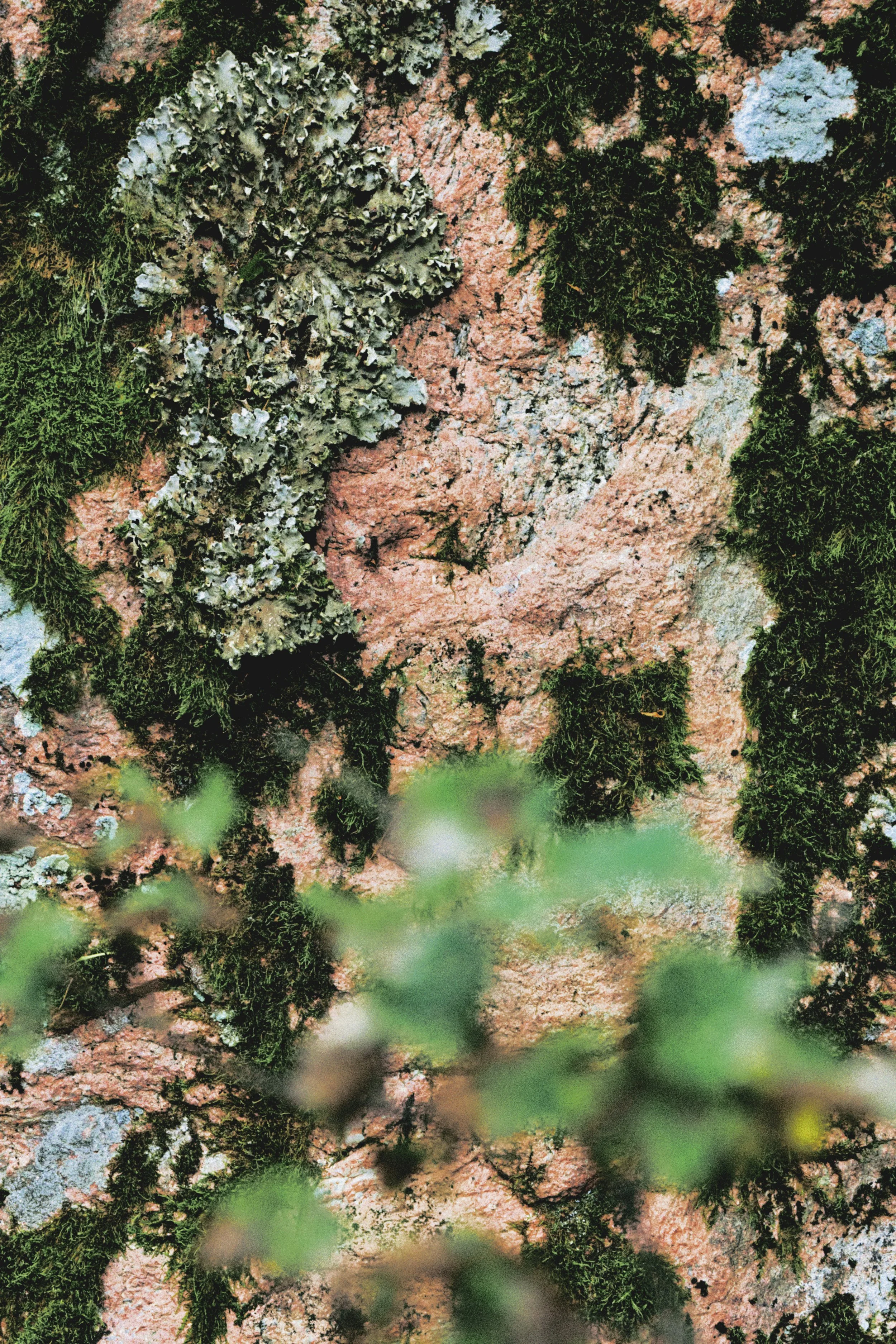
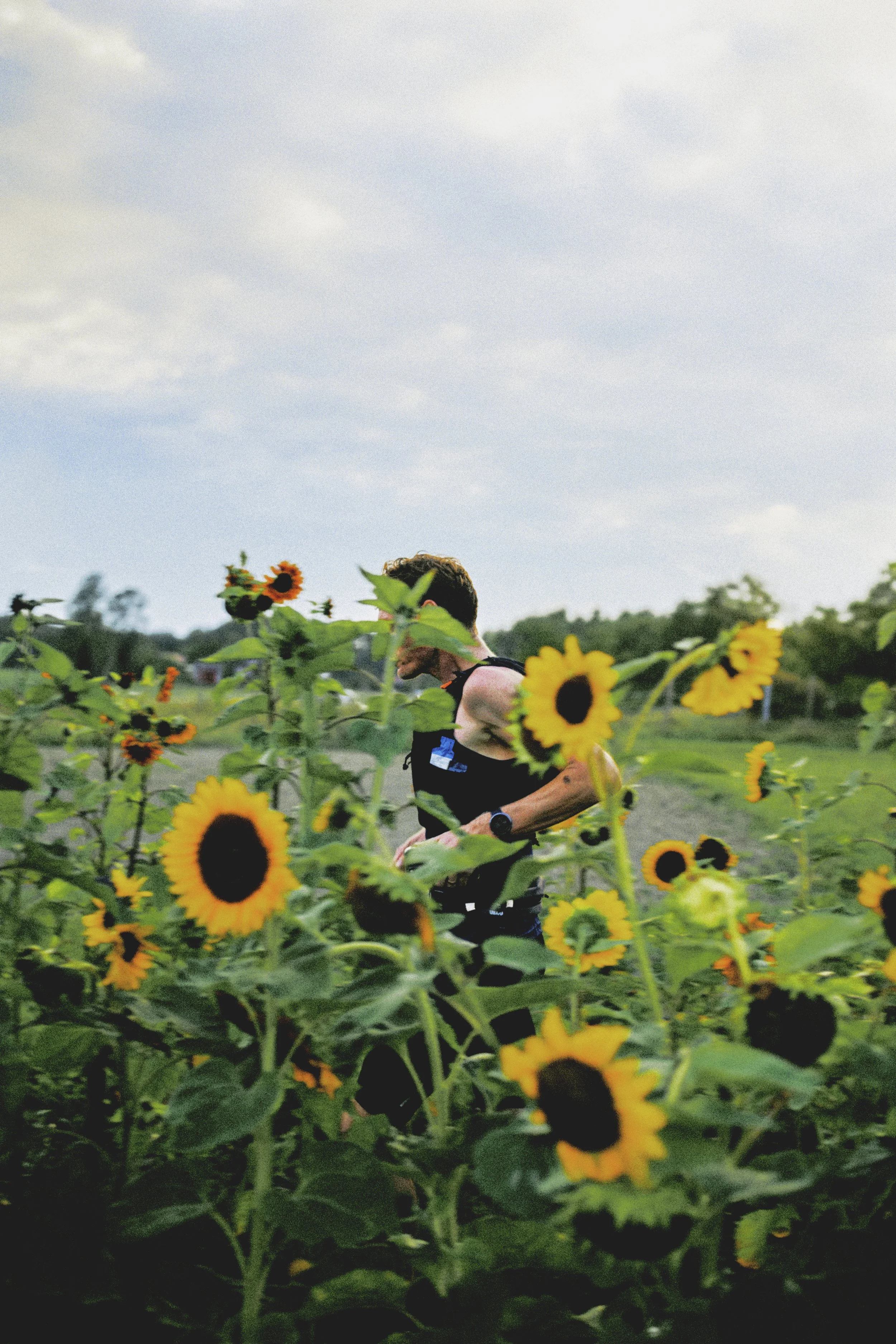
Whether you’re curious and take on the 8K night run, chasing speed over 21K, or setting your sights on the full 100-mile journey, every distance is connected by the same idea: movement through real terrain. The courses wind through mossy forest, over wooden bridges, and across the rolling farmland between Näshulta and the coast. It feels deeply personal, and that’s because it is.
The idea for the race began on early morning run commutes—shared conversations between Billy White and his neighbour Petter Eriksson. What started as passing thoughts on foggy gravel roads slowly became a shared vision. A race they’d both want to run. A point-to-point journey. Something that felt local, real, and lasting.
Founded with care and intention, the Sörmlands 100 Trail Weekend has become one of the most distinctive trail gatherings in Sweden—part endurance test, part community, part meditation on movement.
We sat down for a conversation that drifted through running, hospitality, life between the forest and the kitchen, orienteers in club kits, and what it means to build something that lasts.
I
So, where are you from originally?
I’m from York, in northern England. Proper north.
Beautiful up there.
Yeah, it’s nice. Really nice. Or… “up” if you’re in England. Not “down” if you’re in Sweden. It’s that classic confusion of perspective, right?
Sorry if I’m a bit distracted—my computer is basically melting. I bought it at Elgiganten in 2016, the cheapest model they had. It’s somehow still alive, but barely. I installed NordVPN to watch football, and now all my passwords are locked behind a login I’ve forgotten. It’s chaos.
You’re not alone. Everyone’s hacking themselves these days.
Exactly. And that’s what I love about being out here. Out in Sörmland, you get this sense that things move slower. The forest doesn’t care about Wi-Fi or algorithms. Life’s simpler, more physical. You chop wood, fix something, go for a run, watch the mist roll over the fields. It grounds you.
I’ve lived in Stockholm for almost 20 years and never really gone past Skavsta.
Yeah, that’s the thing. Sörmland’s too close to be exotic, but far enough to feel like effort. People will drive five hours to the West Coast for pizza by the sea, but they won’t take an hour to get lost on these trails. Which, honestly, is kind of perfect. It keeps the place quiet.
Do you think that’s part of the charm—that it’s not a tourist destination?
Definitely. Sörmland’s not showing off. It’s not Fjäll or Lapland drama—it’s small lakes, deep forest, and subtle light. You don’t get jaw-dropping views, but you get something else: space to breathe. It’s understated beauty.
We lived in Stockholm until two years ago. About twelve years ago, we started looking for a summer cabin. We wanted something close enough to drive to, affordable, and preferably not falling apart. Instead, we found this house outside Mariefred that hadn’t been lived in for twelve years. It looked like the set of a low-budget horror film.
The romantic comedy version?
Exactly. Total Texas Chainsaw Massacre vibes. Purple wallpaper, broken windows, everything frozen in time. So of course, we bought it. Spent years fixing it up. It’s still far from perfect, but it’s ours. And it became this base—a doorway into a slower rhythm.
II
And that’s when you got into trail running?
Kind of. I was already running a bit, but that place pulled me deeper into it. I started racing more, exploring trails. I loved it but kept thinking, “Why isn’t there a proper point-to-point 100-miler here?” Everything was loops. I wanted a journey. Something that felt like a line drawn across a map, like Western States in the U.S, where you can say, “I went from there to there.”
Aesthetics matter.
They do. There’s something deeply satisfying about moving through a landscape and seeing it change. It’s not just running—it’s travel, adventure, and story, all in one.
When did the idea really become real?
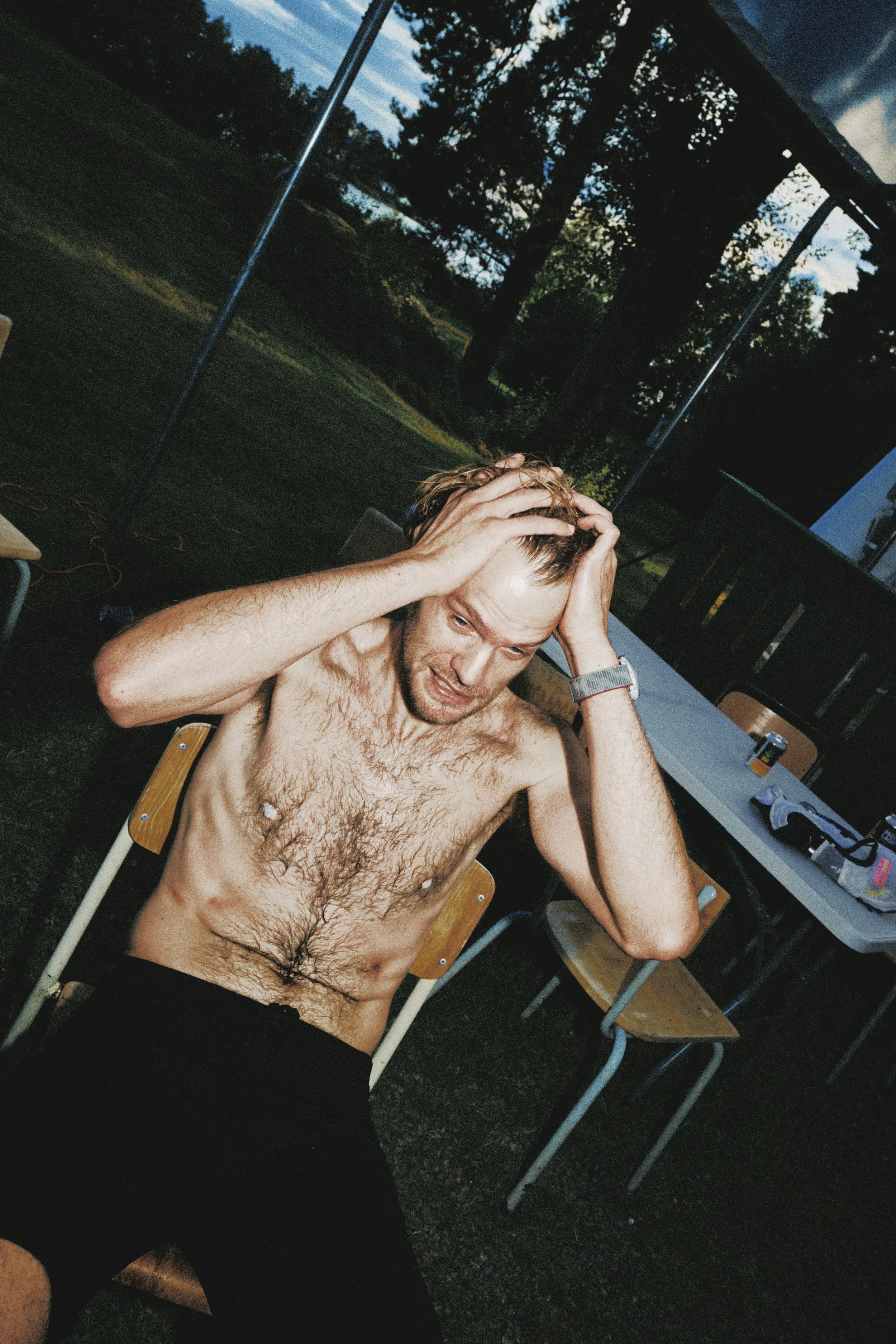
The 100-miler was always the centerpiece. The heart of it. I wanted a race that felt whole. Not just a number on a results list. We wanted people to feel part of something, not just pass through it. So we built the experience around that idea. The finish line matters. Sauna, hot food, people waiting—even at 2 a.m. Because the story doesn’t end when you cross the line. That’s where it settles in.
That’s the memory.
Yeah. You can tell when something lands. People cross the line and they don’t just collapse or check their watches — they linger. They talk. They look around. You can see it in their faces, that mix of exhaustion and calm. It’s like they’ve been part of something, not just finished a race. And that’s the best part. That connection — it means people felt something real.
I mean, you can’t really make something by asking, “Is this what people want?” You’re the first audience. If it feels right to you—if it moves you—then that’s enough.
Yeah, totally. That’s exactly it. And I think that’s what’s been so nice about building this race—it really started as a creative process. Like, what would we want if we were the runners? We wanted it to feel intentional. We wanted good energy. Not just a race, but an atmosphere. It’s depressing when you finish a long race and there’s no one there. You pick up a medal, maybe a banana, and you’re back in the car twenty minutes later.
That whole experience matters.
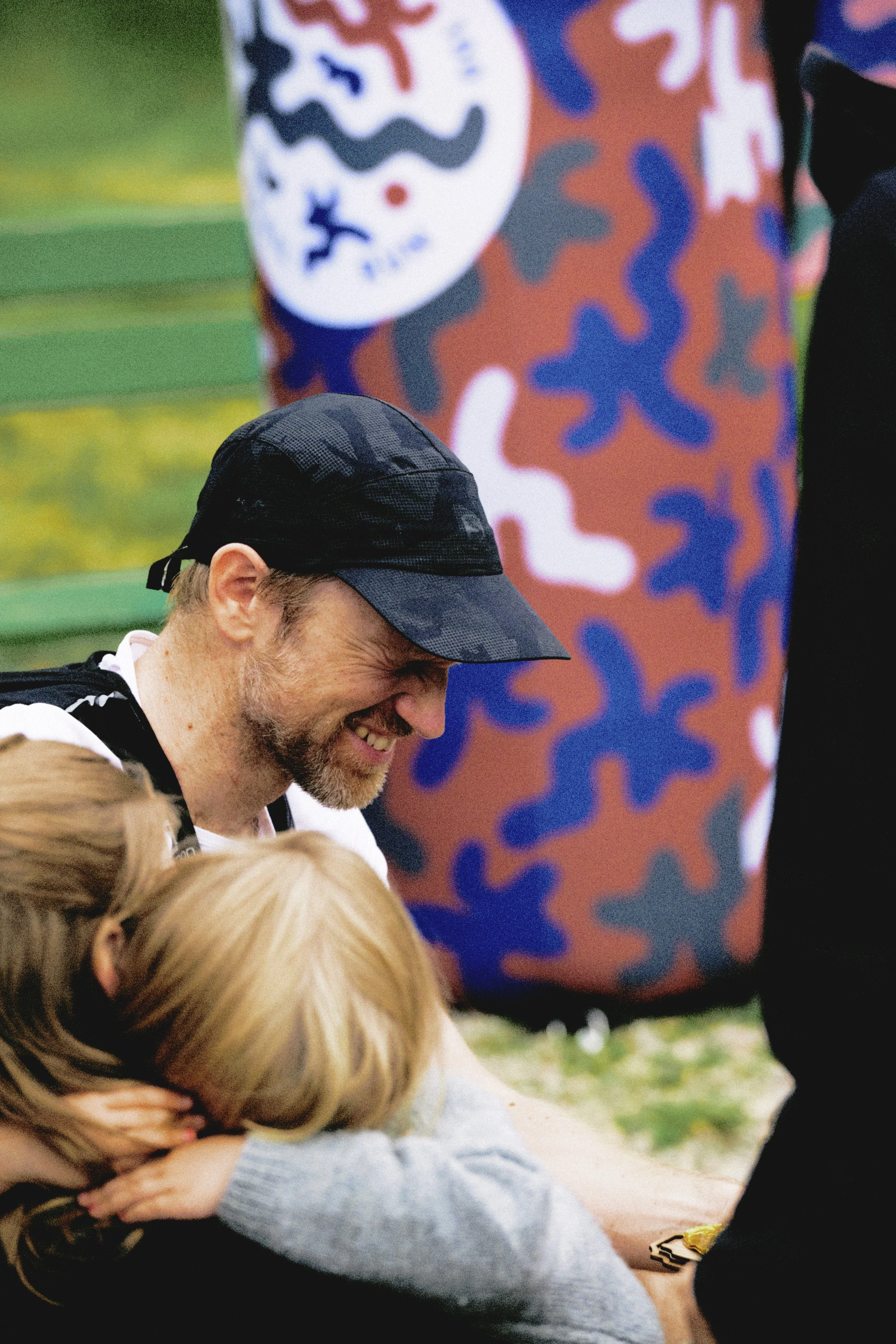
It really does. And seeing it come together over the last four years—how people have responded—it’s been wild. I’ve never finished a race and immediately hugged the race director. But at Sörmlands, that happens all the time. This year alone, I must’ve been hugged fifty times. Which is kind of surreal. But it also means we’re doing something right.
And I think that comes more from my 25 years in the restaurant world than from the running world. That sense of hospitality, of creating something meaningful from start to finish—that’s where the standards come from. Not from looking at what other races do.
We’re not trying to copy anyone. We’re just trying to make something we’d be proud to run ourselves.
III
What’s your return rate?
Most races are around 16%. Ours is about 35–40%. People come back because it’s not just a race. It’s a community.
You were a chef before this. What carries over?
Hospitality. 100%. In a restaurant, if someone’s saved up to eat at your place, you have to deliver. It’s not just about food—it’s about how they feel when they leave. Same with races. If someone trains for six months and drives across the country to run your event, you owe them something real. That’s where the chef mindset helps. Attention to detail. Atmosphere. Warmth.
Do the locals get it?
At first, not really. Some thought we were just trying to make money off an event. But now that we live here, people see it’s something else. It’s an idéell act. We’re not a big company. It’s personal. I’m out marking trails, picking up trash, and serving soup. It’s a bit chaotic, but it’s ours.
Could it grow bigger?
Sure, we could. But that’s not the goal. Maybe 15–20% bigger, max. I want to keep it human. You lose something when it scales too far. I want to still know people’s names when they cross the line.
Are you ever tempted to make it harder, just to raise the bar?
No. That’s not the point. I hate this “make it brutal for the sake of it” mentality. It should fit the land. Sörmland’s not the Alps. It’s rolling, technical, messy terrain. Roots, mud, stones—it’s plenty hard. We don’t need artificial suffering. The race should tell a story of the region. That’s why we use local food producers, small farms, and local volunteers. It’s about identity, not punishment.
There’s definitely a shift in running toward experience over performance.
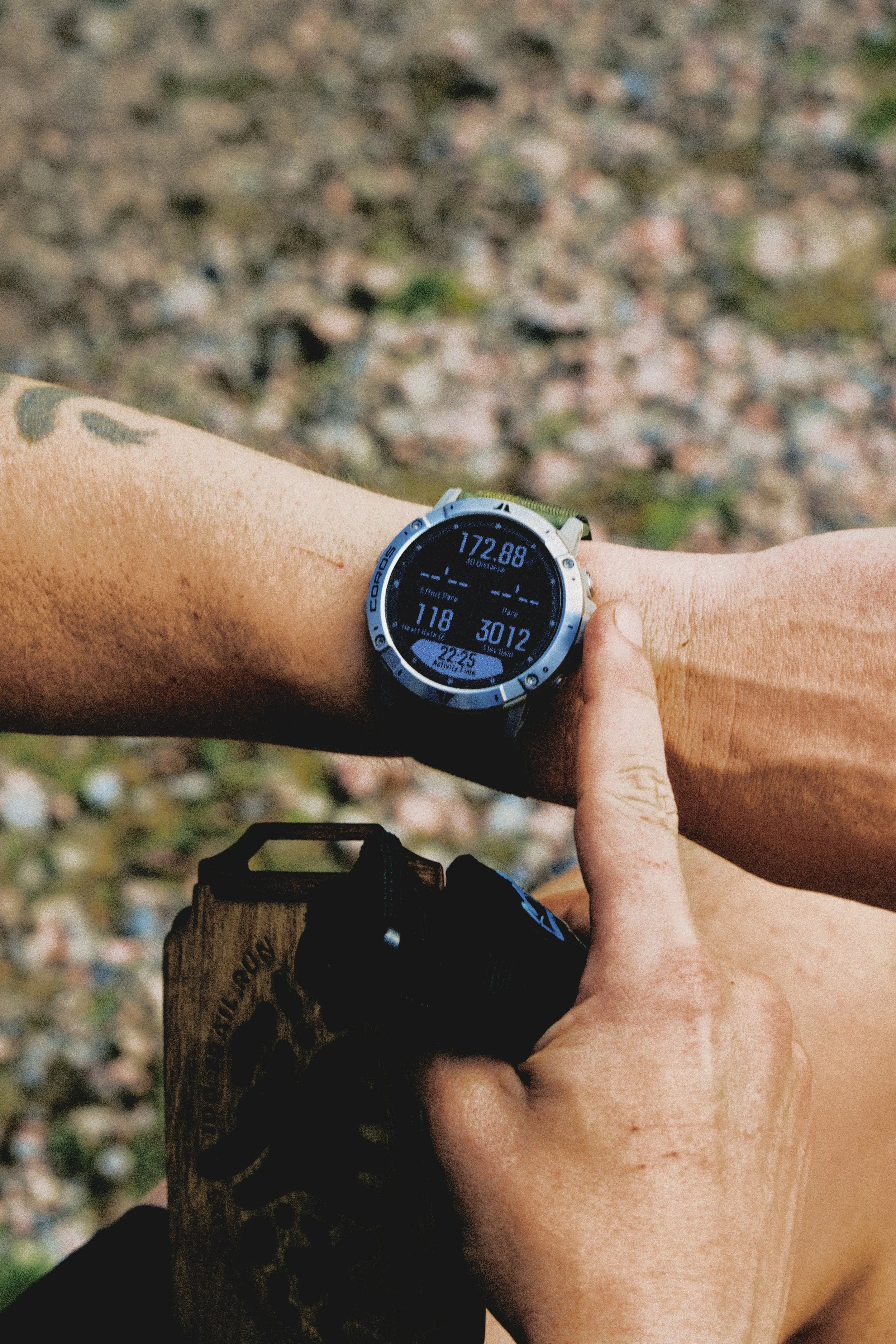
Yeah. And it’s good. That’s why we added the 8K night run this year—to open the door to more people. 65% women. Just headlamps in the forest, laughter, steam rising in the cold. It felt inclusive, and it showed that trail running doesn’t need to be intimidating.
I saw orienteers dominating your race.
Oh yeah. They’re incredible. Real athletes. They show up in old club jerseys and just tear through the course. Trail runners might have cooler gear, but orienteers are pure efficiency. They understand the land in a way few do. It’s beautiful to watch.
IV
Trail running doesn’t have deep roots here, does it?
Not really. Sweden’s built on orienteering and skiing. That’s the DNA. In the UK, you’ve got fell running, Bob Graham, that kind of legend. Sweden has the terrain, but not the mythos. Maybe that’s what we’re building now—something new that still feels local.
Tell me about the Winter Trail.
Same area, just on the other side of the road. Different trails, different vibe. It’s smaller, more intimate. Still great food, still a sauna, still good energy—but it’s February, so there’s less hanging around outside. The trails are icy and technical. You need focus. But it’s beautiful—low sun, cold air, snow crunching underfoot. It’s real winter running.
Wasn’t winter running frowned upon in Sweden?
Yeah, totally. It used to be “Oh, it’s minus ten, time to ski.” Now, people just run. They don’t overthink it. And that’s great. Winter running has its own rhythm—quiet, simple, no distractions.
What’s next for you and the race?
We’re hoping to bring in a partner that’ll let us grow the community side. Not to make it bigger, but to make it more alive year-round. Training weekends, workshops, local meetups. Trail running isn’t just something you do once a year—it’s a way of being out here.
And what would you say to someone who wants to run it next year?
Get off the pavement. That’s it. Run on trails. Get muddy. Forget pace. Learn to trust your feet again. There’s no app for that.
Thanks, Billy.
For more info visit Sormlands100 Trail
SHARE
OTHER STORIES
-
born to endure
CULTURE
-
from the track to freedom
INTERVIEW
-
The first step
CULTURE
-
A Nordmarka Classic
CULTURE
-
The Art of Fast Skis
INTERVIEW
-
Nattvasan
CULTURE