
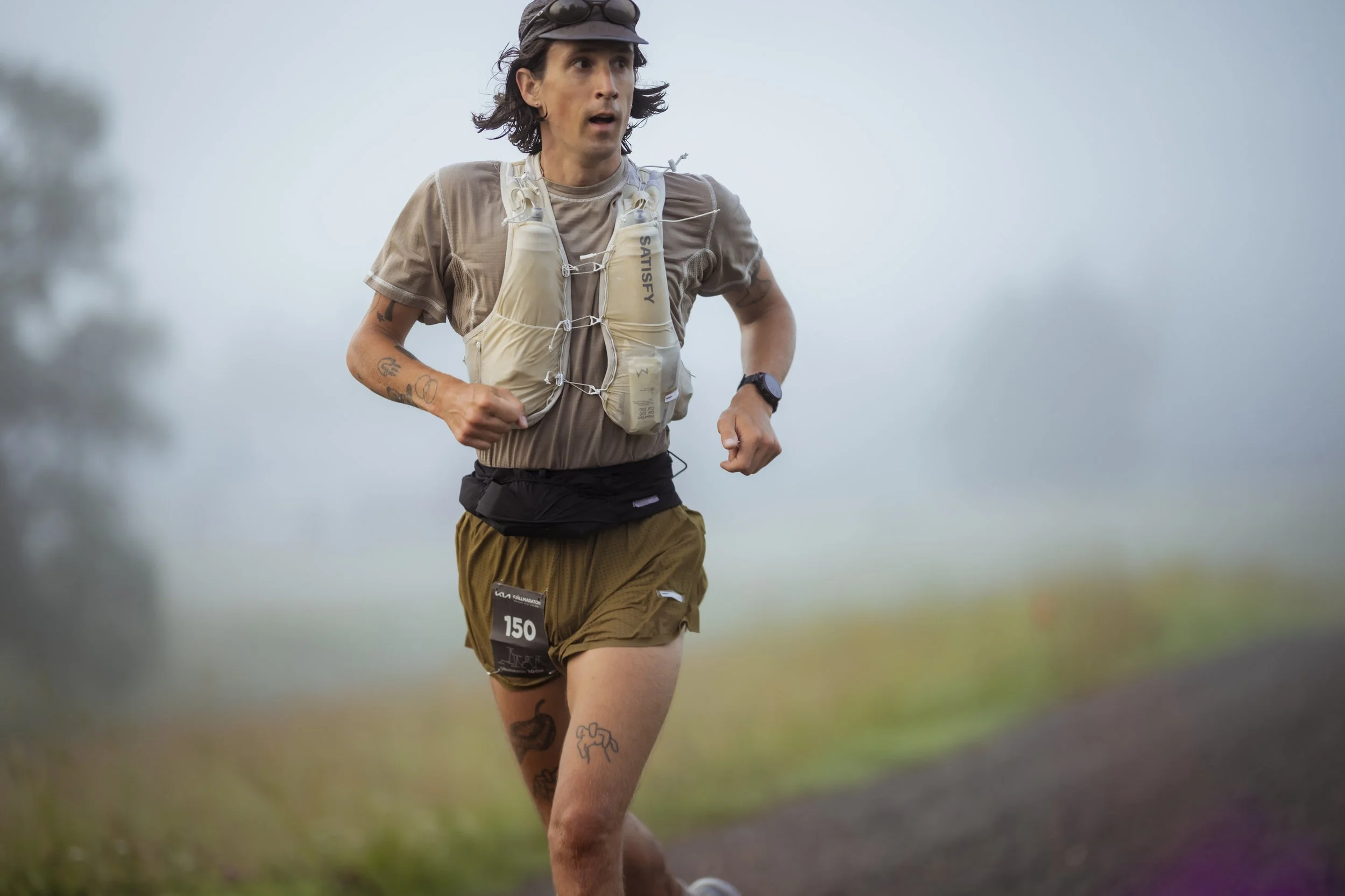
THE PACE THAT HOLDS
Words by Henrik Rostrup
Photos by Dennis Wernersson, Phil Gale, Emmie Coll & Tim Malmborg
Jakob Åberg is one of Sweden’s most consistent long-distance trail runners. Based in Stockholm, he’s quietly built a reputation for showing up at the hardest races with calm focus and quiet fire. We spoke to him ahead of his return to Kullamannen — the 100-mile race he won two years ago — about patience, performance, and why time is the real secret to endurance.
In a sport obsessed with extremes — vertical meters, mileage, data, and self-improvement — Jakob Åberg runs differently. Based in Stockholm, far from alpine peaks or trail sanctuaries, he’s carved out his own path through patience, curiosity, and an unshakable sense of calm. Winner of the Kullamannen 100-mile race in 2023, Jakob is part of a new generation of ultrarunners who aren’t chasing spectacle, but depth — a steadier rhythm, a slower mastery. This conversation drifts between the physical and the philosophical: about training, curiosity, and the quiet pursuit of endurance that lasts.
I
I’ve tried keeping up with you in the woods a few times — not easy. You’re fast. Have you always been?
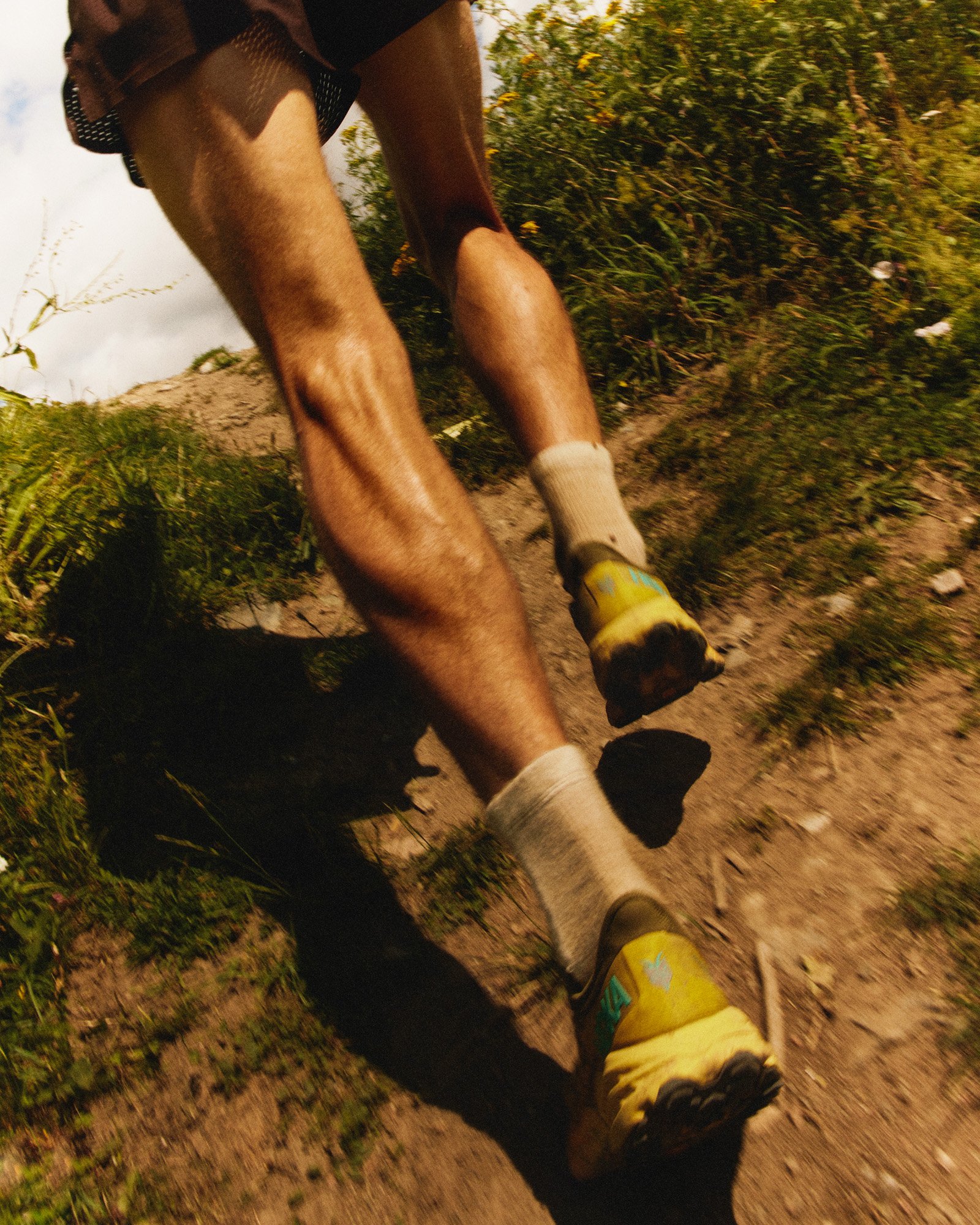
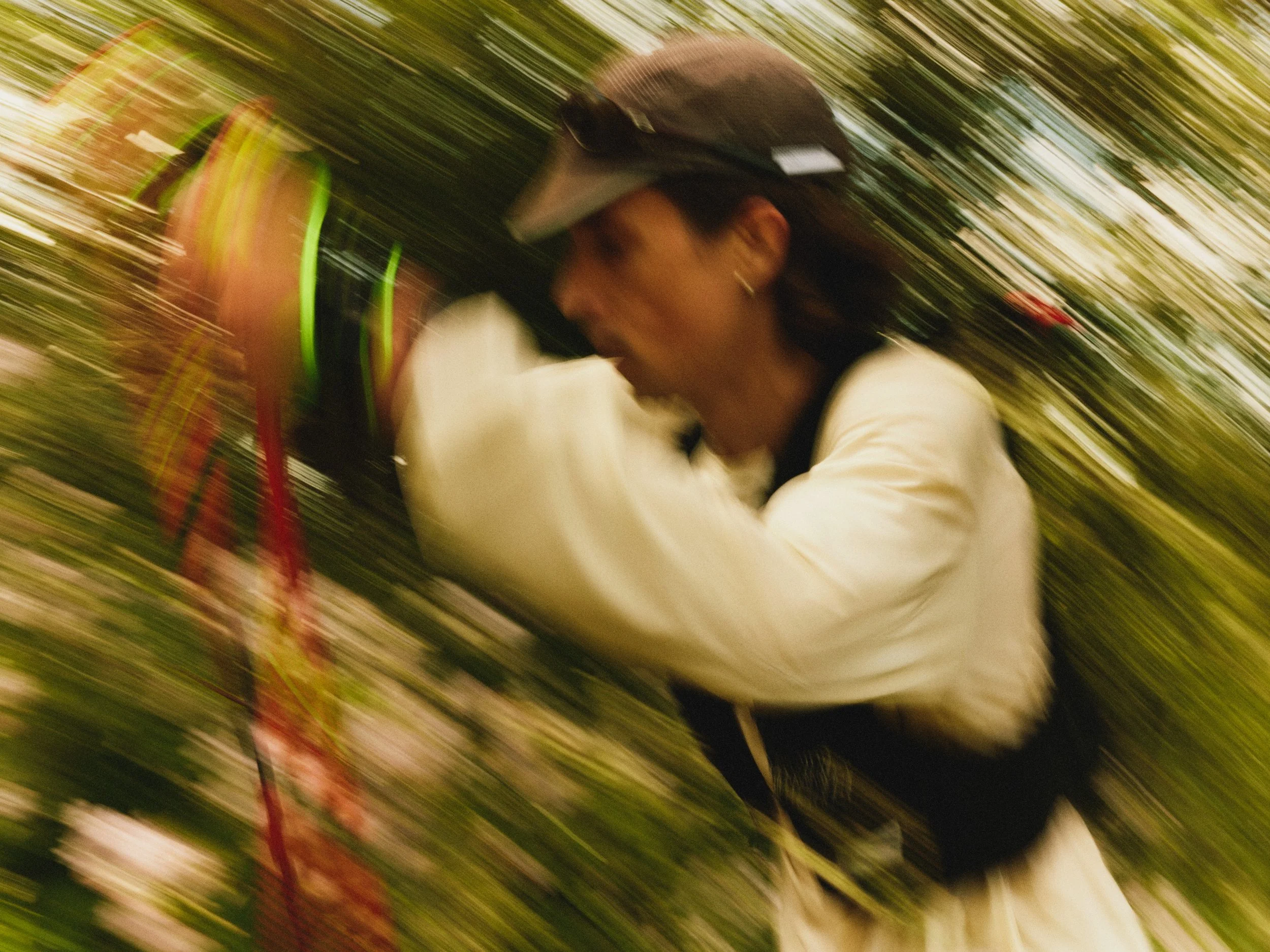
I guess it depends on what you mean by “fast.” I’ve always been someone who wants to get the most out of a day, out of a moment. I’ve never liked standing still. Even as a kid, I was always moving, always trying to see what was around the next corner. I think that translated into running — or maybe more accurately, moving quickly through nature. That’s what I love. The more I can see, the more I feel like I’ve lived a good day. So, I don’t think of it as being fast in the traditional sense. I think of it as being curious — impatient, maybe — and wanting to be immersed in the landscape.
There’s a kind of type, right? The ones who are comfortable moving over ground, in terrain — it’s not just speed, it’s flow.
I think it really clicked for me when I was at university in Umeå. I grew up in Sundsvall, so I’d always had nature around me, but I hadn’t really run trails in a focused way. One weekend I went back home, and my dad and I went out on this long, technical trail. That was one of the first times I felt like: This is it. This is what I want to be doing. It combined so many things I love — being outside, exploring, pushing myself, and doing it all without any noise or pressure. I think I was about 20. Kind of a late bloomer when it comes to running.
After that, I got curious. I signed up for a trail race in Umeå, and from there, I just kept going. I remember finding a documentary on YouTube — I think it was about Timothy Olson winning Western States — and thinking: Wait, people can run this far? That blew my mind. It made me want to find out where my limits were. That curiosity hasn’t really stopped.
And you’ve been teaching yourself since then. No club, no coach — just curiosity?
Exactly. I’ve always been active — football, tennis — but I never came from a structured running background. Everything I’ve done, I’ve learned by experimenting. I tried different sessions, different long runs, different recovery strategies. I’ve read a lot, watched how elite runners train, and then taken what makes sense and ignored the rest.
But I’ve also tried to avoid over-structuring things. Running has always been the thing that isn’t planned in my life. It’s my way of letting go. If my work or personal life is full of routines and responsibilities, I don’t want to bring that same energy to my training. That’s probably why I’ve been able to stay consistent — because it never felt like a chore.
II
You said something before — about not over-optimizing. That’s rare now.
Yeah. People are obsessed with finding “the right way.” The right intervals, the right nutrition, the right sleep. And sure — that works for some. But I think endurance is more about patience. About staying with something long enough to see where it leads.
You can hit every perfect session and still burn out in a year. I’d rather be consistent for a decade.
A lot of what you talk about reminds me of this idea of learning mastery through movement. When you grow up doing sports, you build this understanding — you know how to tie your shoes, how to suffer, how to recover. You learn small things that stay with you. And if you never learn them young, it’s harder later.
But sometimes I also think, it’s a pity — that you didn’t run more, or navigate more when you were younger, you know? At the same time, maybe it’s good. Maybe you would’ve burned out early if you’d gone all-in too soon.
It’s funny because now everything is so early — kids are elite at twelve. There’s less play. And people think so linearly: “If you don't start young, you’ll never be good.” But the truth is — some people find their things late. And that’s what’s beautiful about running — it’s something you can grow into, even as an adult.
Exactly. I think that’s something people forget — that this is a marathon, not a sprint. Not just in running, but in life.
You don’t have to hit every perfect session every week to improve. What really matters is being consistent, staying with something long enough that it starts shaping you. That’s when the growth happens.
And I think people in sport — at every level — could be a little kinder to themselves. There’s so much pressure now. Everyone’s chasing optimization — data, sleep, nutrition, segments. It’s like we’re all supposed to be elite runners, even if we have jobs and families.
But that mindset can kill joy. If you push too hard for too long, you burn out. Or worse — you lose the love for the thing that once made you feel free.
Yeah. We live in a bubble of people who constantly want to know what’s right. The right shoes, the right intervals, the right recovery. Everything has become so tabloid — so simplified.
Exactly. And that’s both good and bad. It’s good that there’s information out there, that people share what works for them. But it’s dangerous when we think that what works for one person must work for everyone.
If I copied Tom Evans’ training plan for UTMB and did exactly what he did, it wouldn’t make me Tom Evans. It worked for him because it fit his life, his body, his timing. That same plan might not even work for him a year later. Training isn’t math. It’s something you constantly have to feel for.
That’s what I find interesting — that no one formula works forever. You have to stay curious, stay open.
III
You describe yourself as someone who likes unstructured training — you just like being outside, moving freely. But then, what you actually do — running 100-mile races, alone, through the night — is the most extreme version of running there is. It’s paradoxical.
Yeah, that’s fair. It’s funny when you put it like that. I think it comes down to effort — the purity of it.
Whether you’re running 10 kilometers or 100, you’re giving your full effort. It’s just expressed differently. For me, long distances fit my temperament. I like that feeling of settling in — finding a rhythm that’s sustainable.
It’s all about pacing yourself, physically and mentally. Finding that steady effort that holds over time. That’s where the magic is.
When did you realize that this — long, demanding, lonely running — was what felt right for you?
Probably when I was studying in Umeå. That’s when I realized how much I enjoyed being out for a long time — exploring, discovering new places. There’s something deeply satisfying about using your own body to move through big landscapes.
I loved that I could turn running into an adventure. Go far. See places no one else might have seen that day. It was less about performance and more about this quiet sense of freedom.
Then races came naturally after that. I wanted to see more places, meet more people, and test myself. But still, competition has always been secondary to me. I run because I love the process. The race is just a container for that feeling.
IV
That says something about being comfortable in yourself. Some people chase winning to feel validation — others, like you, seem to run to understand themselves.
Yeah. Winning is great, of course. But for me, it’s never been the reason I do it. These races are so long that thinking about winning too early is pointless — it just adds stress.
You focus on moving well, eating, drinking, staying in control. If you happen to be leading with 30 kilometers to go, then sure — it becomes real. But most of the race, you’re just trying to hold yourself together.
And that’s what I love about trail running — that it’s not built around times or splits. There’s no objective measure that says, “this is better.” It’s about how you handle the day.
So, for you, the real race isn’t about others — it’s about yourself.
Exactly. Every ultra is an adventure. You’re not trying to “win the adventure” — you’re trying to survive it, make sense of it, move through it.
Even the best runners in the world — sometimes their races fall apart. But if they still cross the finish line, that’s a victory. I remember watching Western States and seeing a top runner completely implode halfway through. He could’ve quit, but he didn’t. He just kept going. That, to me, is beautiful.
In a 10k, no one says, “I just want to make it through.” But in these long races, that becomes a valid, even noble goal. If you finish, you’ve accomplished something deeply human.
That’s why I think ultra running speaks to people — it’s a metaphor for everything else. You fight yourself, you fall apart, you rebuild, and if you keep going, something changes inside you.
That’s a healthy mindset. But you’ve now taken on a coach, right?
Yes. For the first time. I reached a plateau — I felt I’d learned what I could by myself. To move forward, I needed another perspective, someone to bounce ideas with.
I’m still fully involved in the process — I know what works for me — but it’s nice to have someone who challenges that. The relationship matters as much as the training plan. You need trust both ways.
V
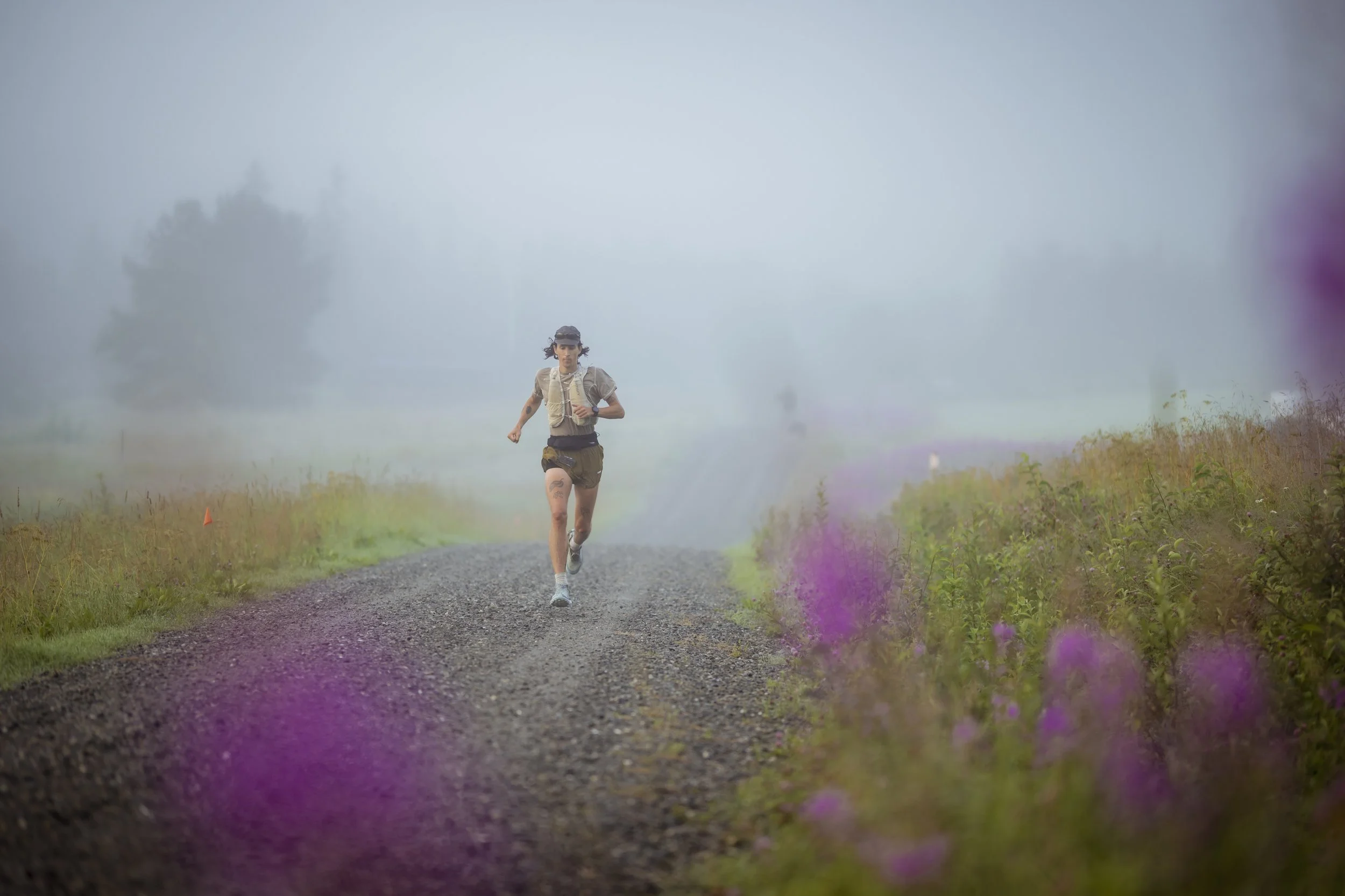
You’re returning to Kullamannen this year — the race you won two years ago. What’s different this time?
Less volume. More quality. I used to think more was always better — longer runs, bigger weeks. Now I focus on what gives the most return. I want to arrive sharper, not more tired.
What’s special about that race for you?
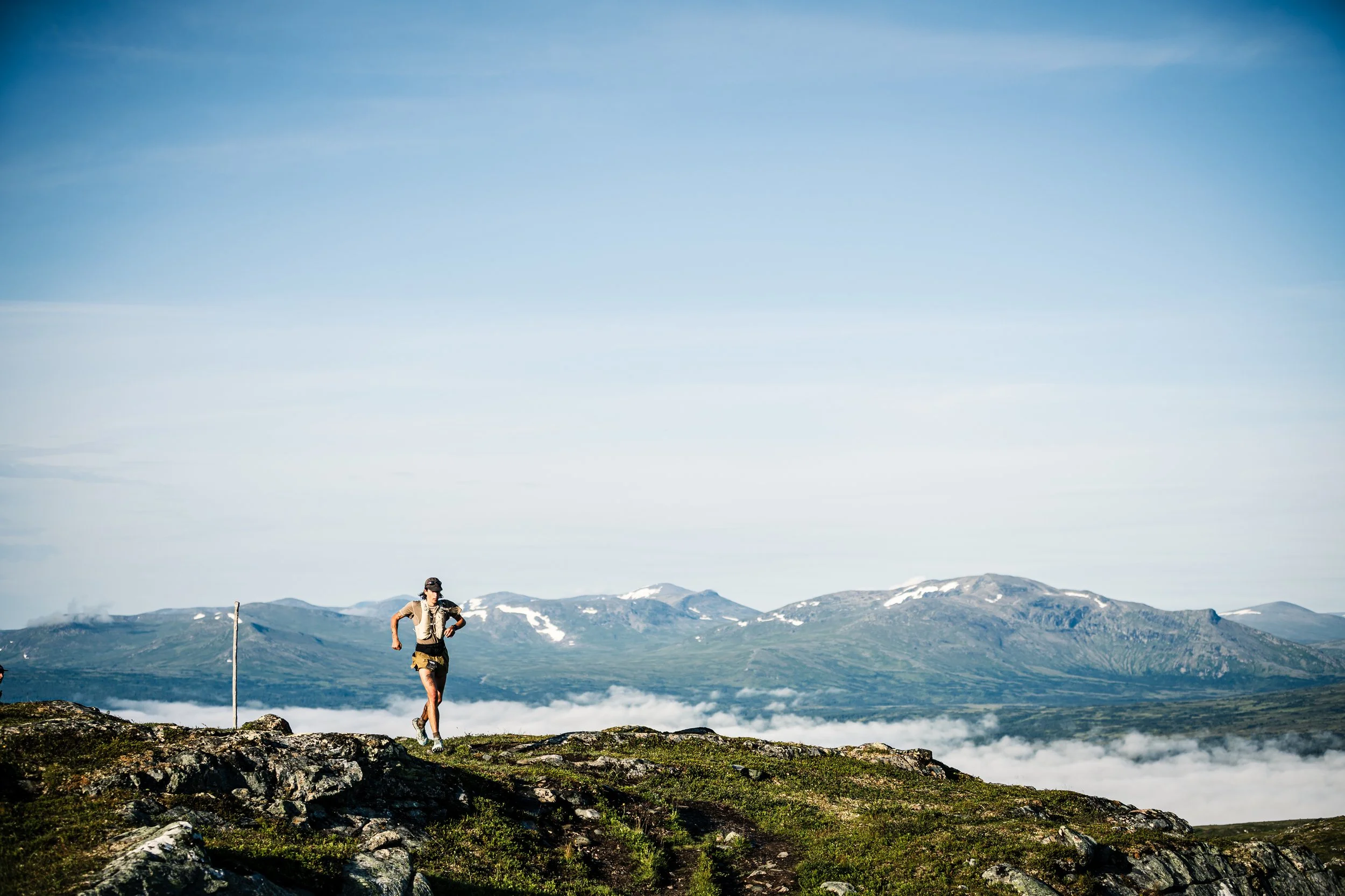
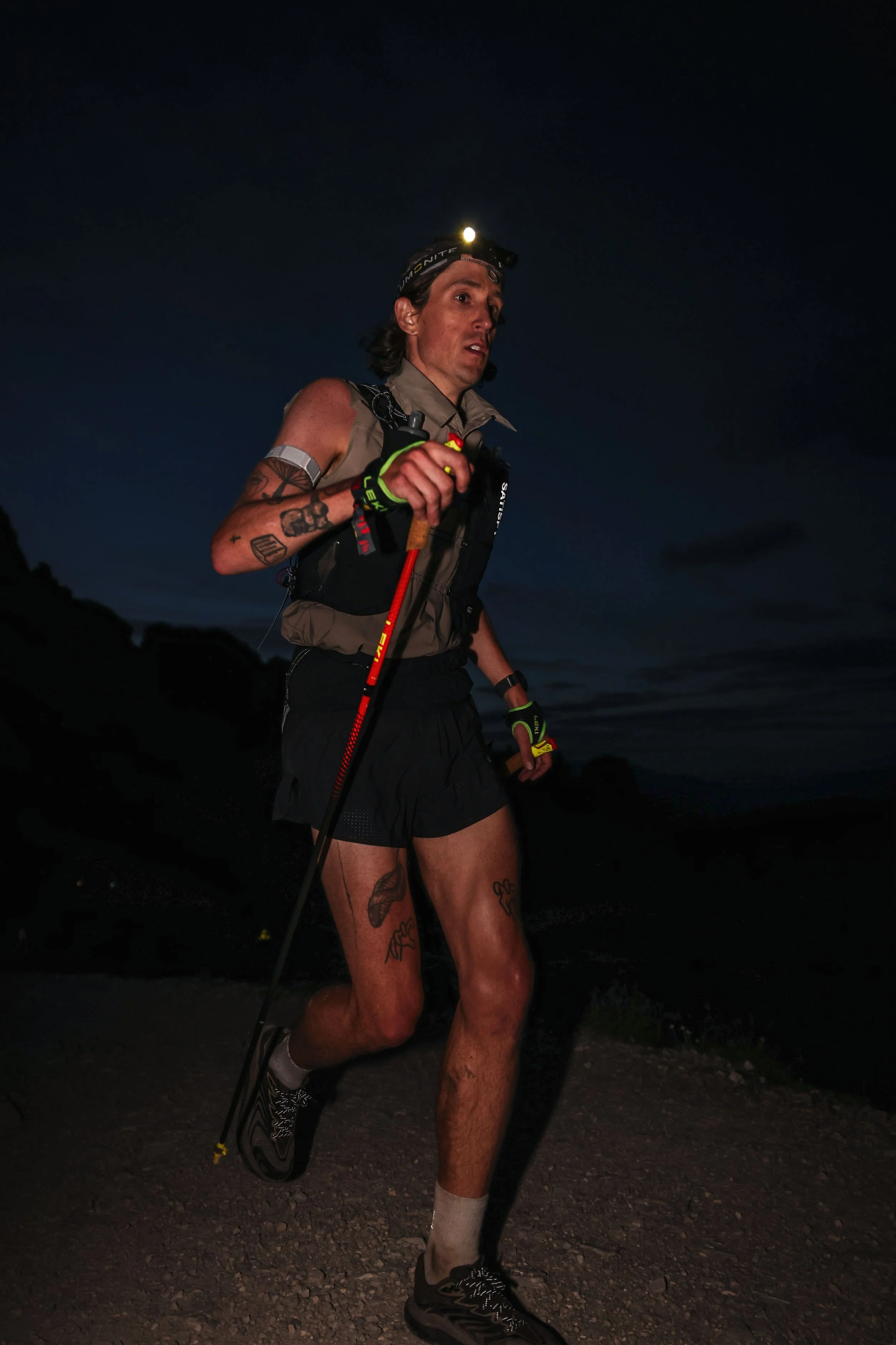
There’s something mythical about it. The course suits me — long, varied, demanding. And I love that it’s dark, raw, independent. It’s not a big commercial race. It feels old-school, self-reliant.
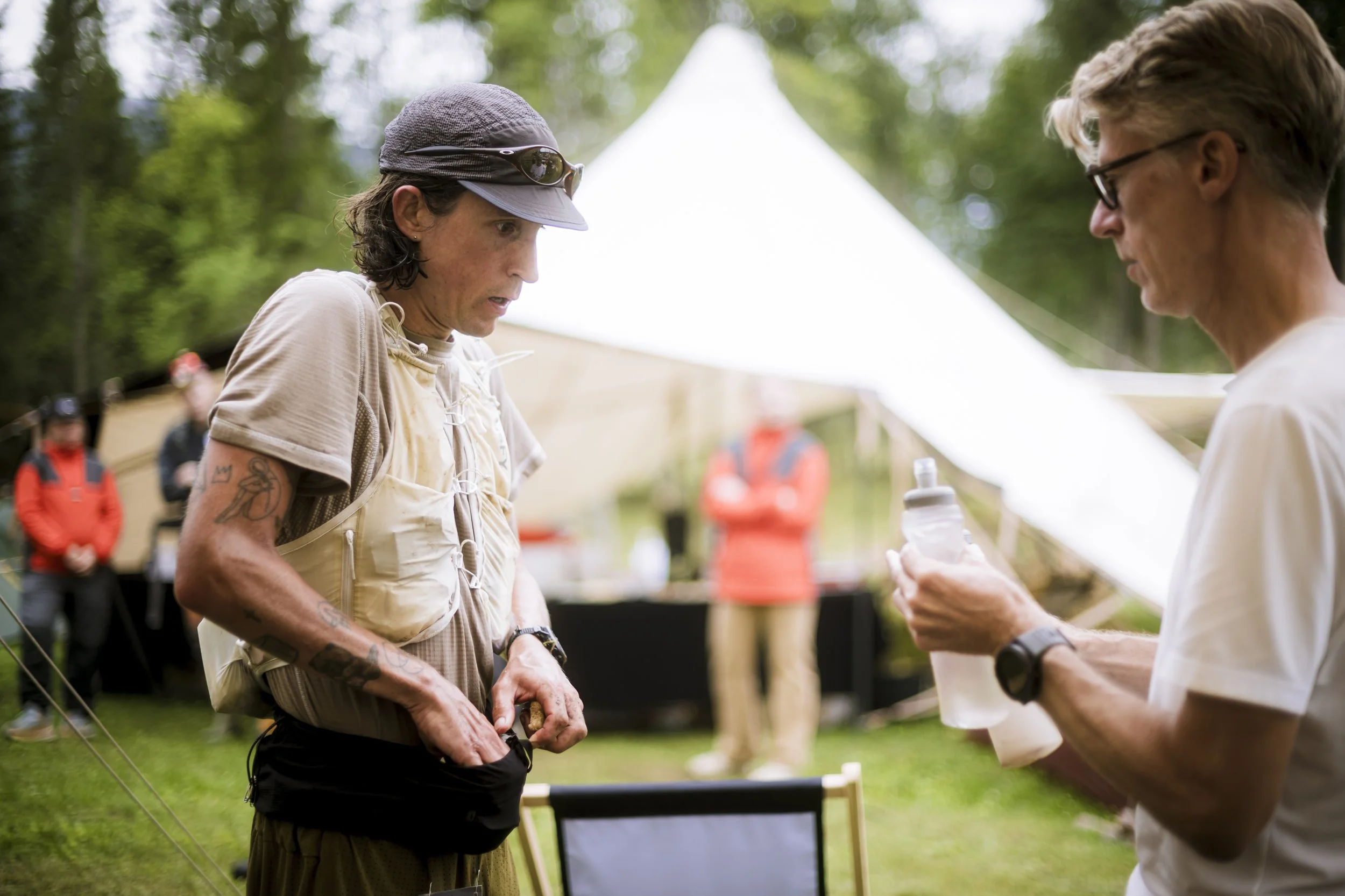
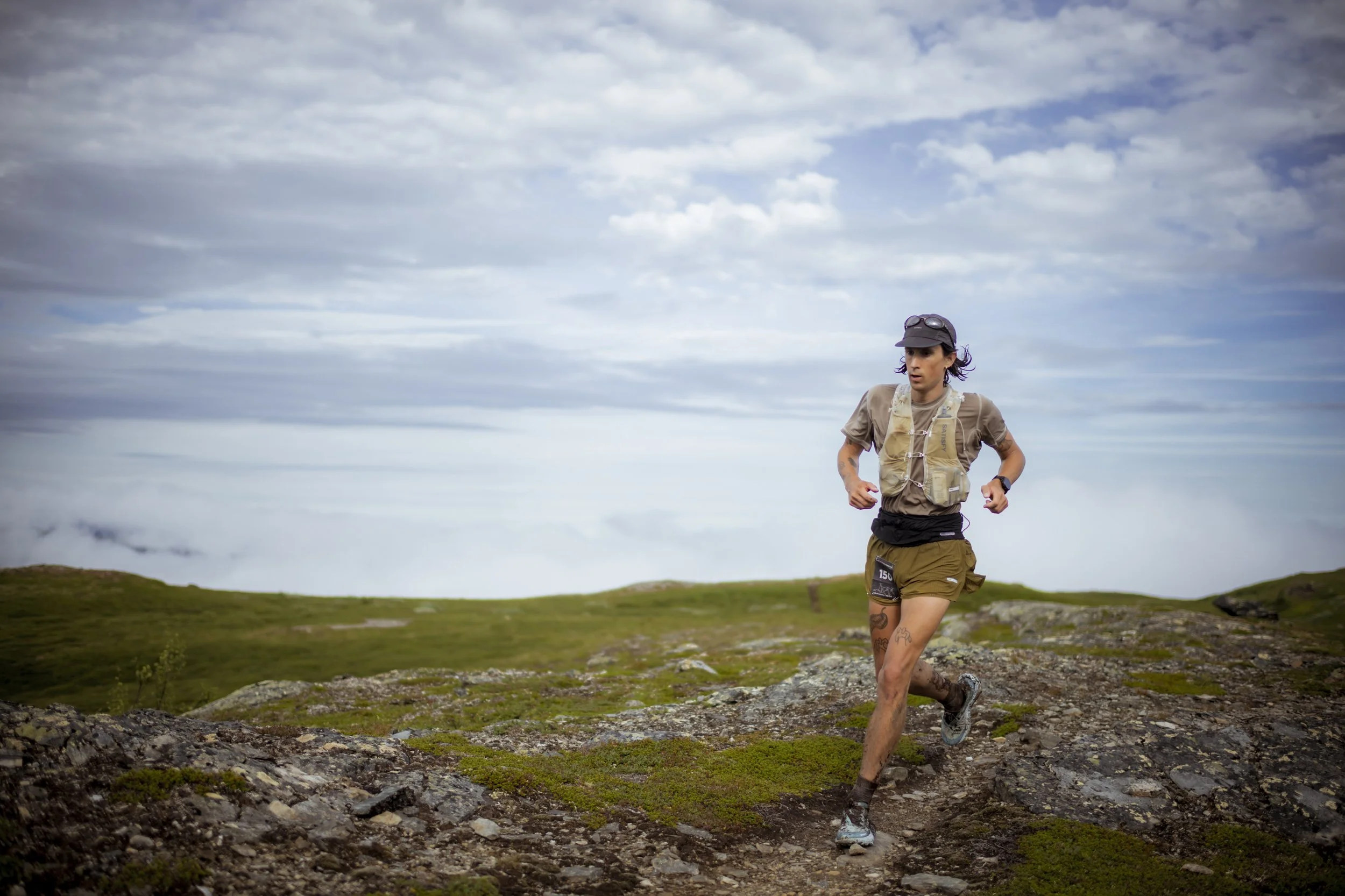
You can’t have a crew. No pacers. You carry what you need, deal with what happens. I love that. It forces you to take responsibility for yourself — and that’s the purest version of ultra running to me.
That independence feels very Swedish somehow.
Totally. Every big race reflects its culture. UTMB is French — big, loud, theatrical. Western States are super American. Kullamannen is Scandinavian: dark, cold, minimal. It’s about endurance stripped to the bone.
You live in Stockholm now — far from the mountains. Does that affect your training?
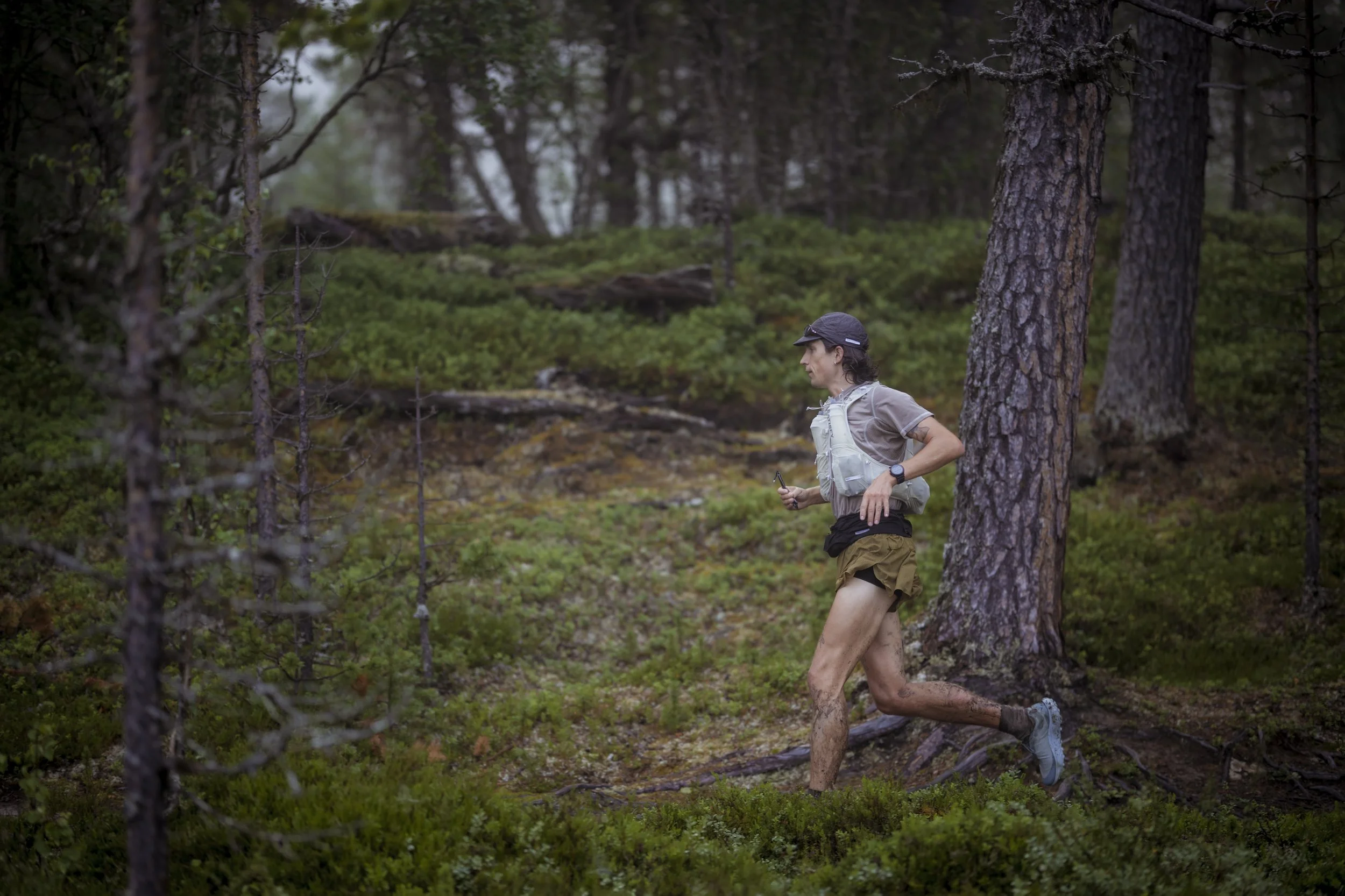
It changes it, but not necessarily for the worse. I actually like the balance. I live here with my partner and our dog. I have my friends, my life. I can run from my door and be on a trail within two kilometers. Stockholm has amazing nature if you look for it — Nacka, Hellas, Sörmlandsleden.
Sure, it’s not Chamonix, but I don’t need that every day. I like contrasts — working in the city, running in the mud, going to a concert midweek. That mix makes me feel human. I think that balance is also what keeps me from burning out.
That’s refreshing. Many people think you have to move to the Alps to get serious.
Exactly. I think if you want it badly enough, you find a way. Jonas Vingegaard grew up in flat Denmark and became the best cyclist climber in the world. You can create your own conditions.
And in a way, it takes pressure off. The people who live in the mountains — they have to perform. I don’t. I train where I can, with what I have. If it goes well, that’s a bonus.
You’ve built a reputation now — people follow your training, your results. What do you think about that?
A bit, maybe. But I try not to. It’s easy to fall into the comparison trap — looking at what others do, copying their training, thinking you need to match it. That’s dangerous.
Everyone’s life looks different. Someone can run 300 kilometers a week — but that doesn’t mean it’s right for me. I try to focus on what I can do, in my life, right now.
And for people who want to start running long — what would you tell them?
Take it slow. Don’t rush into the longest distances. Build it piece by piece.
When I ran my first 100 miles at Kullamannen, I’d already been running long distances for eight years. I built up gradually — from local trail races, to 50k, to 100k, to 100 miles. That’s how your body learns, and that’s how you keep the joy alive.
People underestimate time. Time is the real secret to endurance. You can’t hack it. You have to live it.
That’s beautifully said. Any last thoughts?
Just that you have to be kind to yourself. Especially in these long races.
I remember hearing an interview with Katie Schide after she won UTMB. She said she went into it like she was just going out for a long run. I think that’s the only mindset that works. Don’t stress about pace or place. Just find your rhythm, hold it, and let the race come to you.
In the end, talking to Jakob feels like tracing the rhythm of one of his long runs — steady, thoughtful, quietly precise. There’s no bravado, no need to impress. But underneath the ease is a deep understanding of what it takes: how to train smart, how to listen, how to last. He’s chasing performance, yes — but not at the cost of joy or curiosity. He lets the path reveal itself, one step at a time.
And maybe that’s the point. Endurance isn’t just about finishing. It’s about knowing when to hold back, when to let go, and when to push — especially when the dark hours close in, and there’s no one but yourself to answer to.
SHARE
OTHER STORIES
-
born to endure
CULTURE
-
from the track to freedom
INTERVIEW
-
The first step
CULTURE
-
A Nordmarka Classic
CULTURE
-
The Art of Fast Skis
INTERVIEW
-
Nattvasan
CULTURE