
RUNNING BETWEEN WORLDS
Words by Henrik Rostrup
Photos by Mattia Lullini
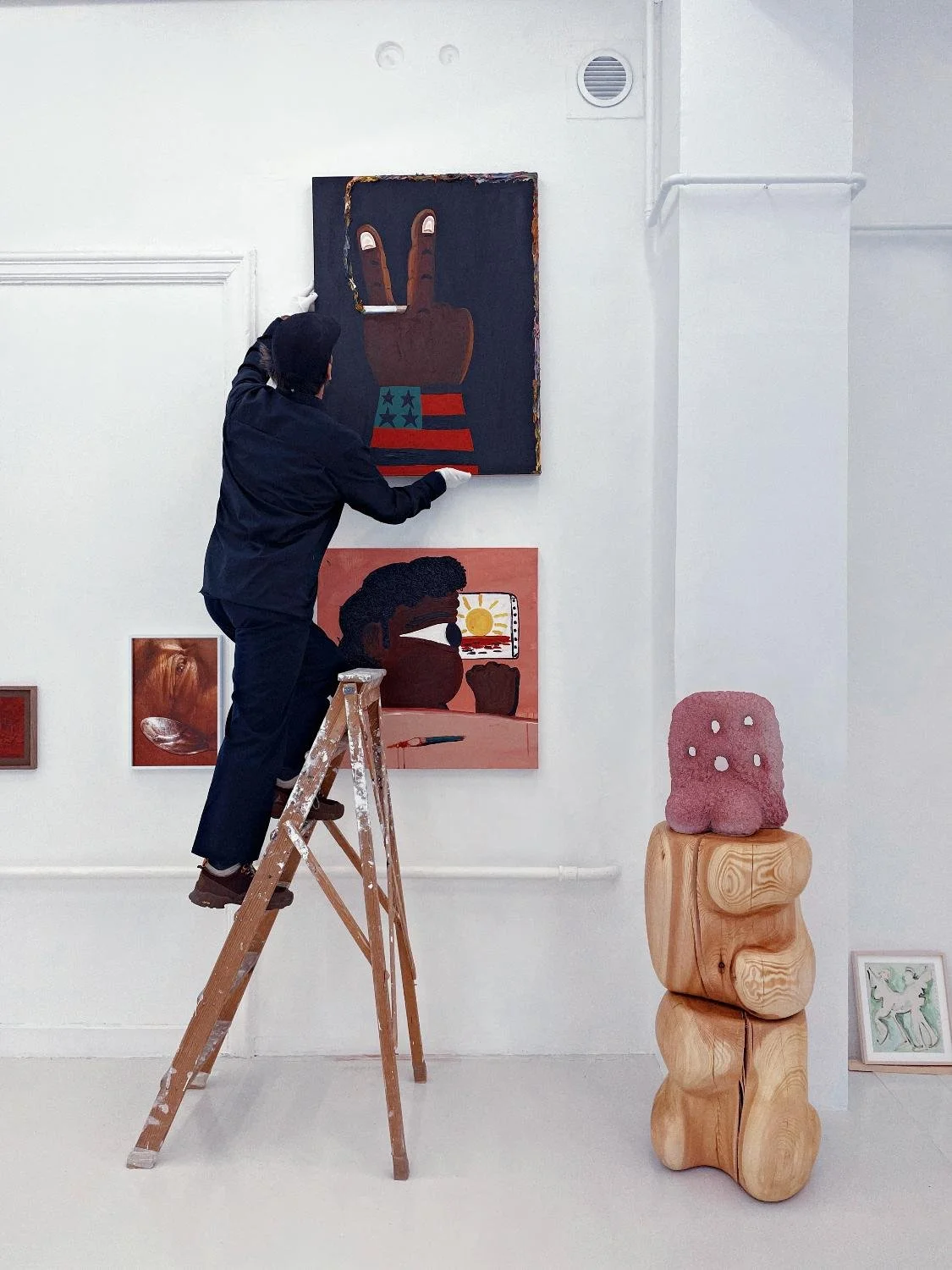
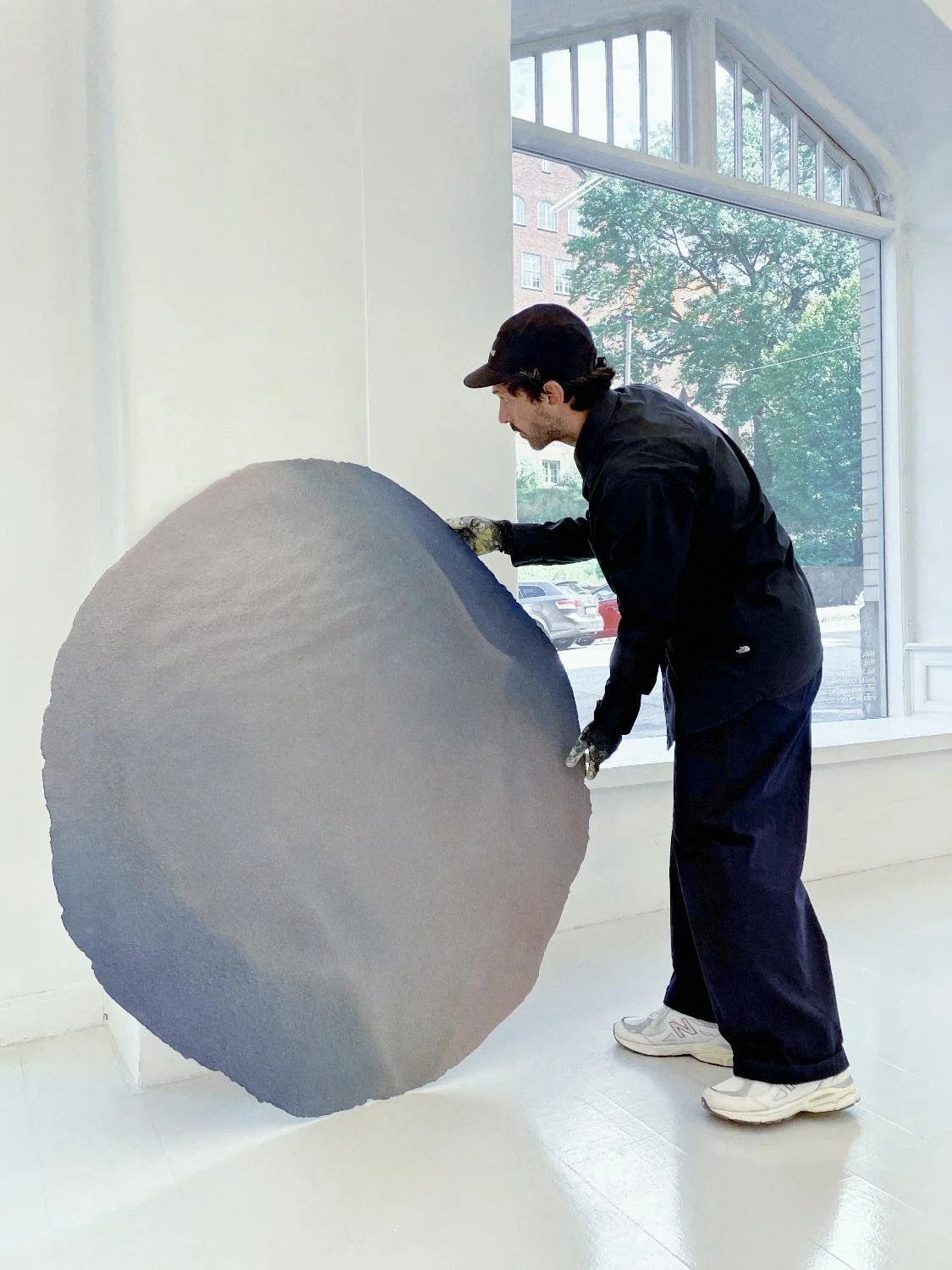
The first thing you notice about Mattia Lullini is that he talks the way he spends his weekends. Long distances, many turns, sometimes slow, sometimes quick, but always going somewhere. He is an Italian gallerist and curator who has made Gothenburg his home, the director of NEVVEN, and at the same time a runner and cyclist who measures time as much in hours on the trails as in hours in the gallery.
If there is a single thread that runs through his life, it is experience. Not achievement, not performance, not productivity. The lived feeling of doing something fully, with intention, whether that is running through cold Nordic forests in winter or standing in a quiet white room with a single artwork on the wall.
We begin our conversation in the most ordinary way. With training.
I
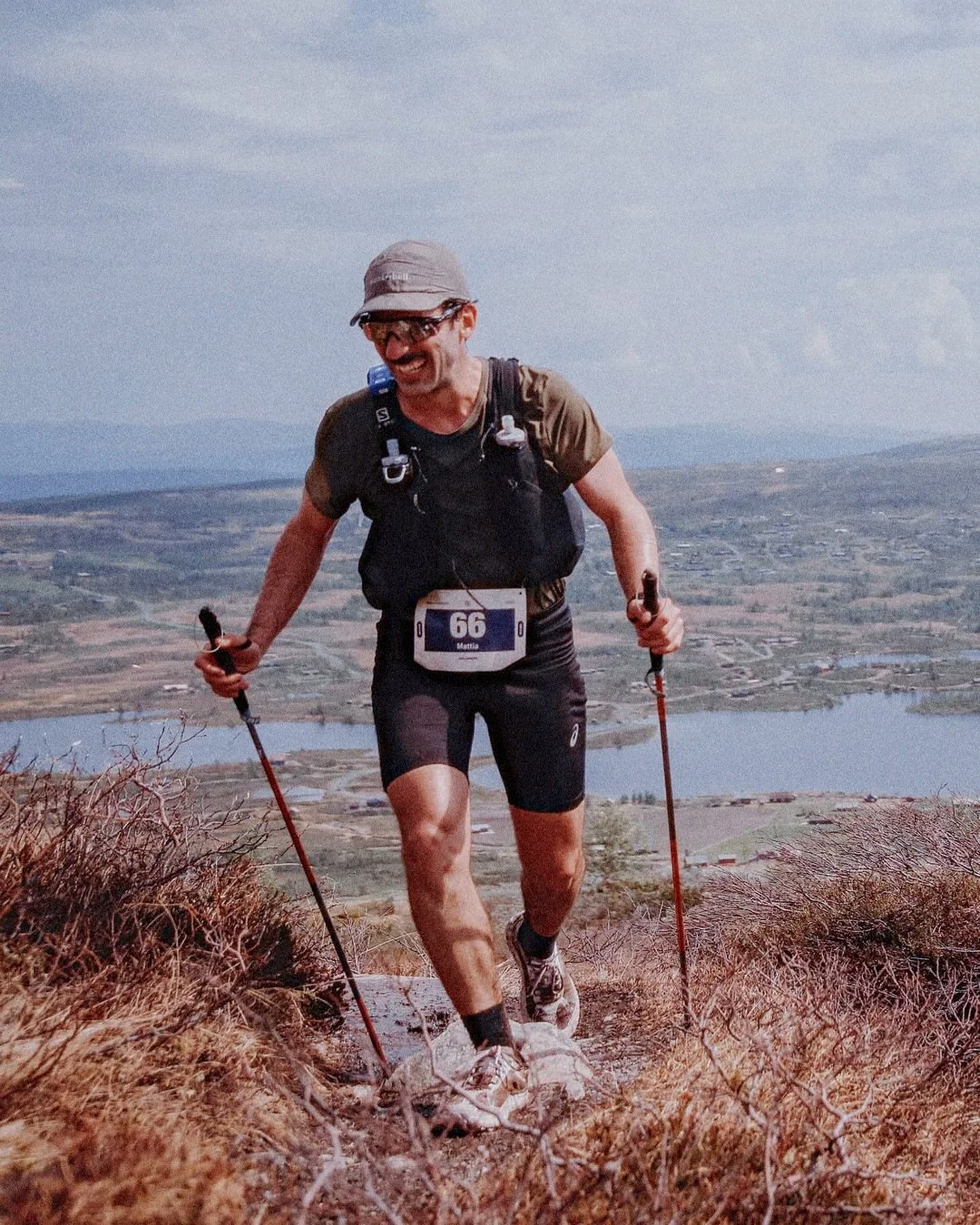
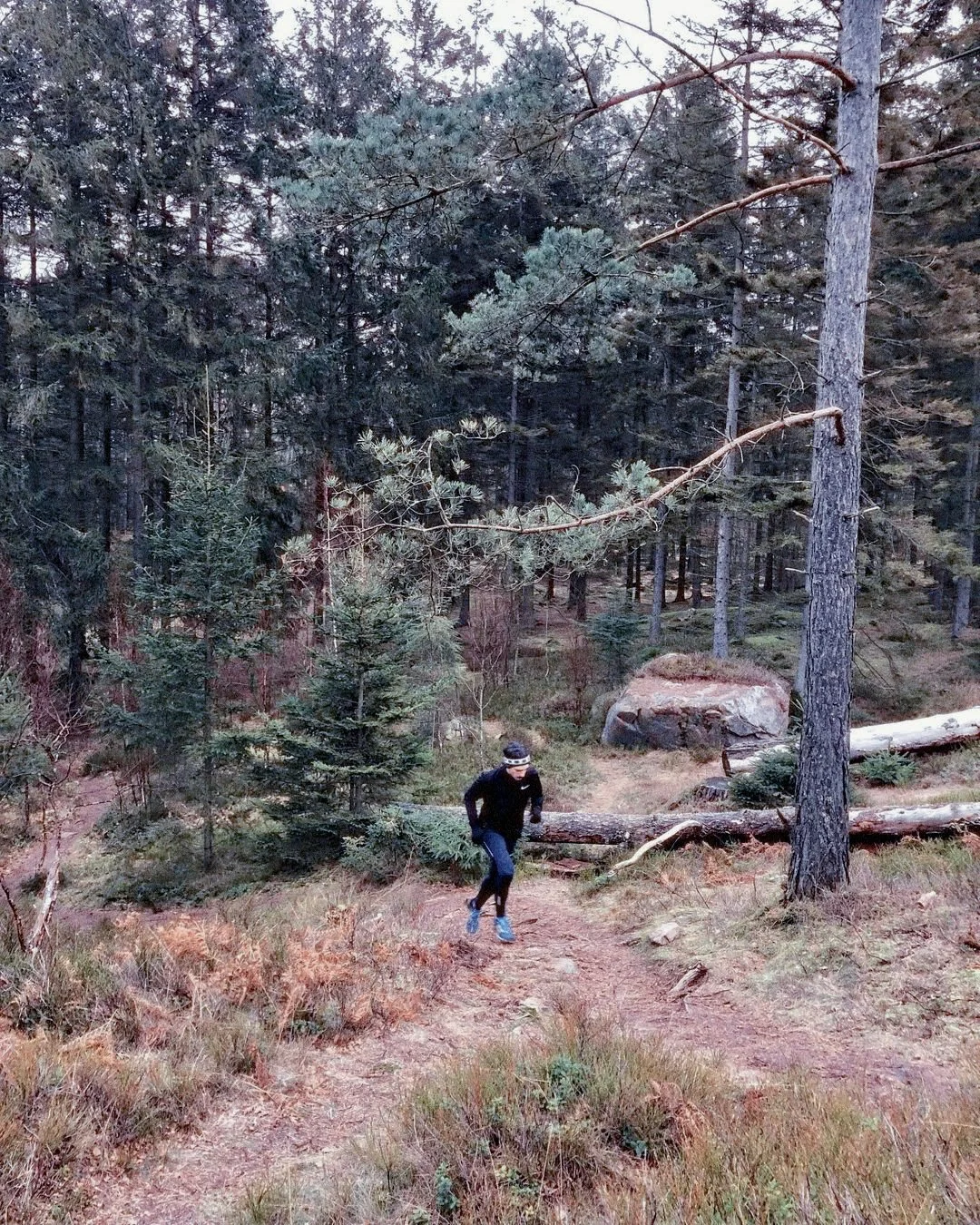
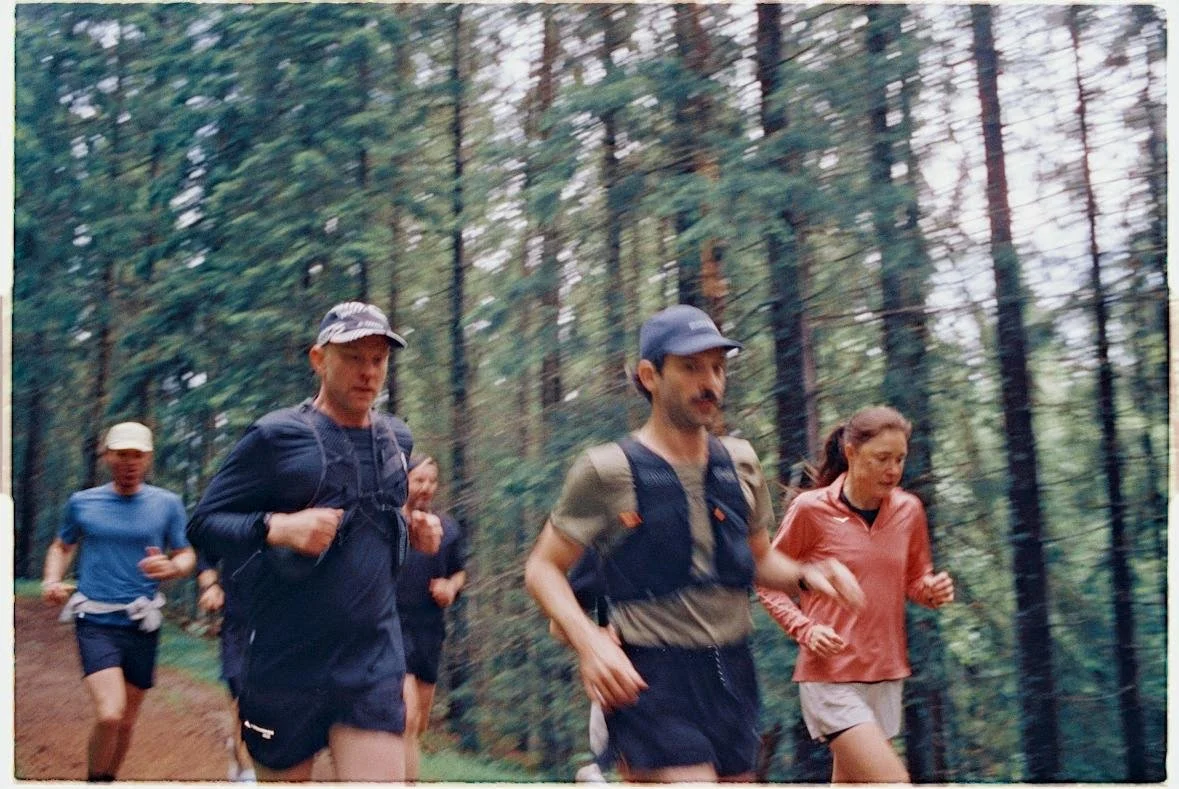
Mattia talks about being in the middle of a bigger block, around ten hours of running a week, adding cycling on top. He has a small local race in a few weeks, probably something longer during winter, maybe a race further north early next year. It sounds like a typical runner’s schedule, but the way he describes it is different. The volume is high, he is a little tired after a weekend of back to back long runs, but the focus is not on numbers. It is on what is happening to him through all this movement.
For him, the turning point came in Norway, at a race called Nøsen 100. The place has a special meaning. Years ago it was his first real encounter with the world of ultrarunning, the first time he felt like an outsider surrounded by people who knew what they were doing. The first time he wore a bib in that environment, he felt like an impostor who had somehow slipped into a space reserved for others.
This year was different. It was his third time there. He ran well and finished inside the top ten, which still surprises him when he says it out loud. He knew many of the other runners and organizers, he no longer felt like a stranger. Yet when he crossed the finish line, the success left him unexpectedly unsettled.
“The race went well. On paper it was better than the first time. Still I came out of it wondering why I was doing this. I started to question what motivated me to race compared to simply being outside for hours, just running in the mountains. That took me a while to understand.”
Running, he explains, does not fix anything. It amplifies what is already there. Long distance racing throws you into places in your mind that are dark and demanding, and usually he welcomes that. In those moments he trusts his experience. Eat something, breathe, remember the bigger picture, and he can come out the other side with a kind of hard earned clarity.
Then life changed. A long relationship ended and his personal life felt shaky. When he went into a long race in that state, the usual mental tools were not enough. The dark patches did not feel productive anymore, they felt heavy in a different way. It was not that running failed him. It reflected too much back at him.
So he made a choice. For a while he stopped racing the very long distances that had fascinated him, and focused instead on races around marathon distance, fifty or sixty kilometers. Shorter by ultra standards, still demanding for most people, but gentler in the way they affected his mind.
“I realised that what I needed was not another test of how much I could suffer. I needed to take care of myself. To be able to focus on the act of running itself, not on fighting through the darkest parts of myself at the same time.”
The attraction to longer distances is still there. He speaks of them with obvious affection. He is already thinking about returning to them. But that period of stepping back sharpened something: experience has to be understood, not only endured.
II
Movement as a way of knowing
When Mattia talks about training, he keeps coming back to one idea. Knowledge. It is not the word you expect to hear from someone describing a two and a half hour run after work in the rain, but he insists that something like this is happening.
“At a certain volume something changes. Of course you get fitter, you can run longer, you recover quicker. But what really interests me is that my relation to my body becomes different. I start to feel it almost as a form of knowledge, like what happens when you read a lot or go to concerts or study art.”
He once tried to call it physical intelligence, then moved closer to the word knowledge again. It is not innate or abstract. It is the very concrete, lived understanding that comes from moving your body repeatedly through the world, noticing how it responds, learning how it behaves under stress or fatigue, learning when it is lying and when it is telling the truth.
For someone who has spent his life surrounded by culture, this parallel is striking. When we think about knowledge, we tend to picture books, lectures, museums. Mattia thinks of volume on the trails as well. Not as exercise in the narrow sense, but as another way of studying something important, another way of changing oneself.
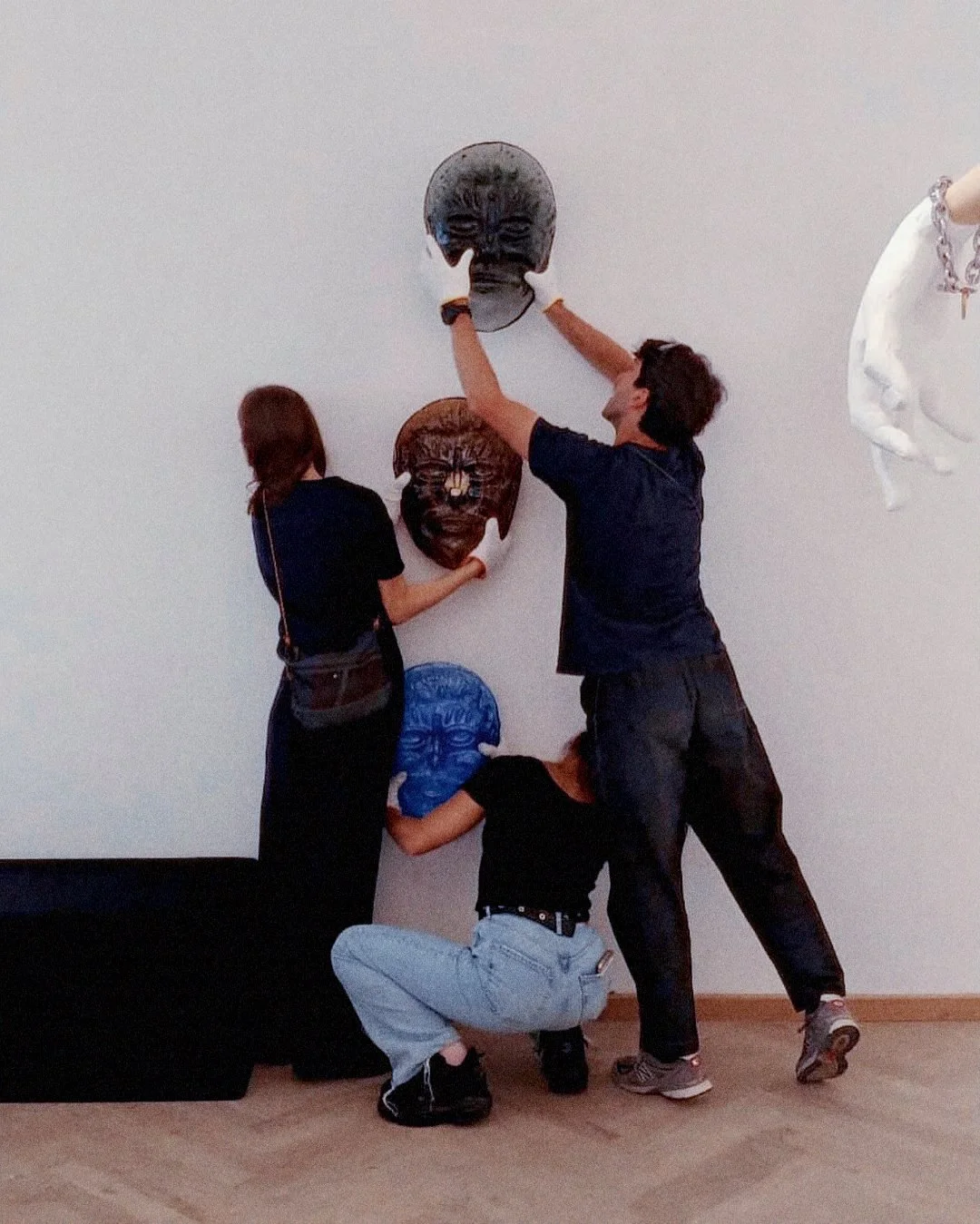
This is where his two worlds begin to mirror each other. The long runs, the gallery program, the concerts he organized as a teenager in Italy, the exhibitions he curates in Gothenburg today. They are all, in different ways, frameworks for experience.
III
Against the lukewarm
At this point the word “hobby” appears and he winces a bit. Not because people should not have hobbies, but because of what the word often hides.
In the most common version of the story, you are encouraged to have a hobby. Something light, something harmless, something you do on the side. It is rarely described as central to a meaningful life, more like a soft decoration around the things that really count. Work, family, obligations.
For Mattia this is a sad way to look at activities that could be so much more. He recalls a quote from Enzo Mari, an Italian architect, artist and devout communist from the 70s, famous, among other things, for a book called Autoprogettazione, a book of instructions that allowed anyone to build their own furniture using simple materials. When asked whether this was just another kind of do it yourself hobby culture, the architect answered that hobbies in the usual sense were a degradation of culture. People imitated actions without any understanding, only to be able to say that they had done something with their own hands.
At first it sounds harsh. Mattia laughs about it. But he thinks there is something important behind that provocation. The problem is not that people are not professional enough. It is that they are encouraged to be lukewarm.
“What would happen if instead of telling people that a hobby is a nice extra, we told them it is good to have a passion. Something you do with care, with curiosity, with the wish to grow. It does not mean you have to quit your job or neglect your kids. It just means you show up differently.”
He applies the same thinking to running. You do not need to run a certain pace to be “worth it.” You do not need to run an ultra to deserve the word runner. The question is whether you approach what you do with a sleepy mind or with an open one.
“The same is true for art. Going to a museum or an independent gallery is not something you do only when you are bored. It is a way of feeding your mind, of letting your perspective be changed, of being part of a conversation that is larger than yourself.”
IV
The Nordic outside and the European inside
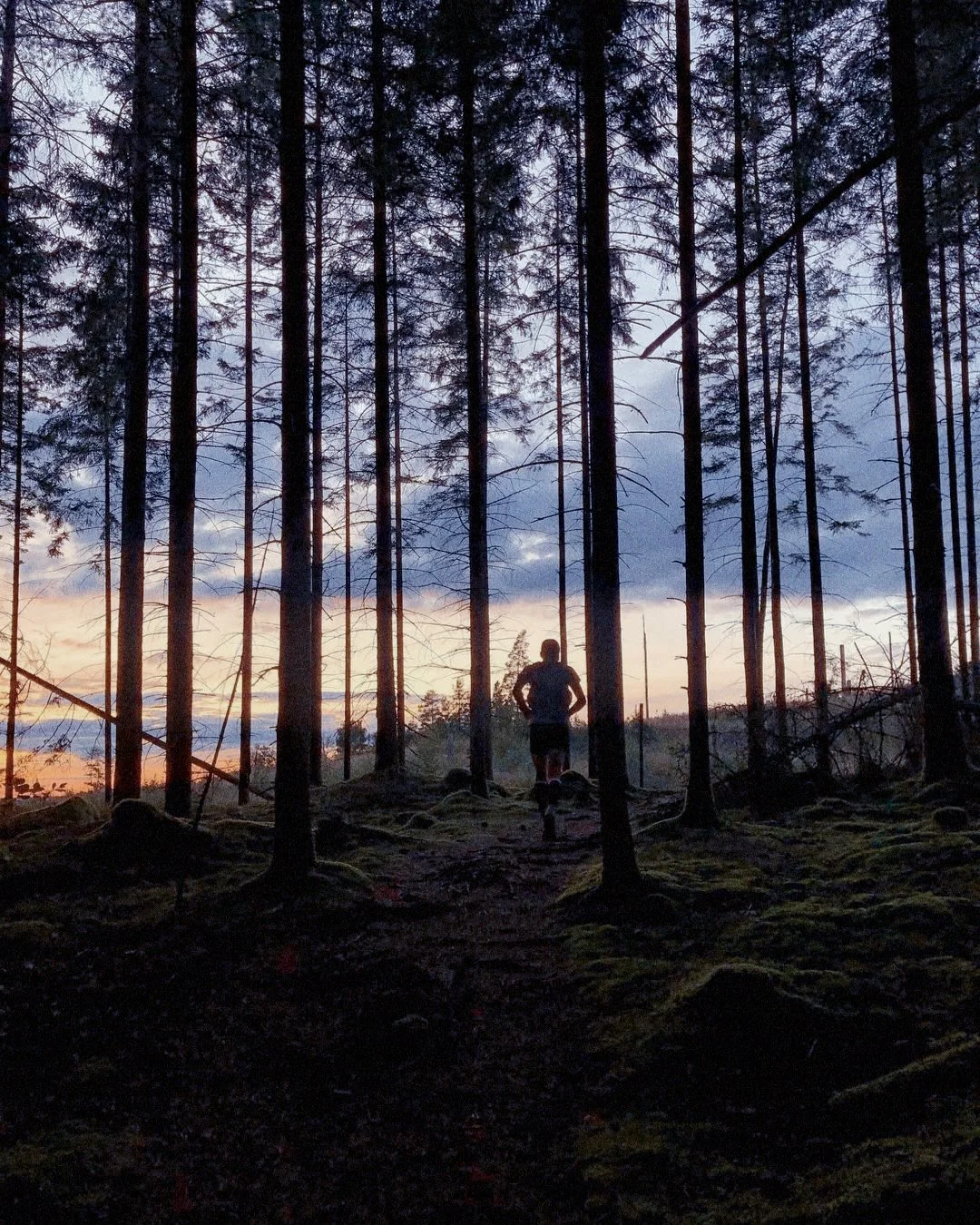
Mattia’s perspective is shaped by where he comes from and where he has chosen to live. He grew up in Italy in a family that was, as he puts it, almost Nordic in its love of the outdoors. They spent many days in the mountains, hiking, climbing, and skiing. He was surrounded by culture at home, but also by this constant pull toward being outside.
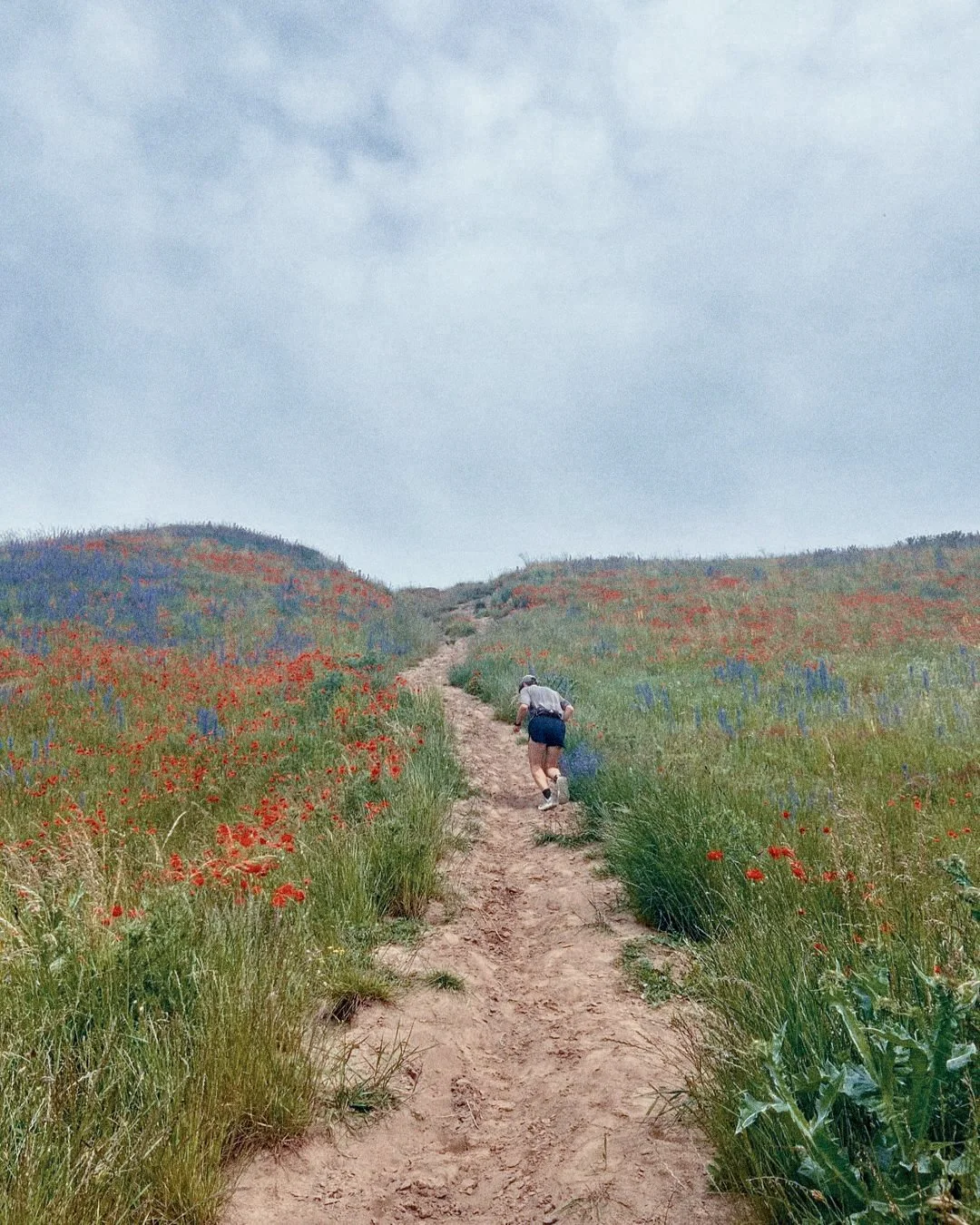
When he moved to Sweden around twelve years ago, he found a landscape and a mentality that felt familiar and new at the same time. In the Nordic countries, and especially in Norway in his experience, the connection between everyday life and nature is more direct. People do not treat going out into the forest or up into the mountains as a rare special event. It is woven into ordinary life.
“It is not only about running or skiing hard. It is this idea that you go out, you use what surrounds you, you enjoy it, you move your body. That is something I find incredibly beautiful here.”
At the same time he sees that in much of the rest of Europe there is another kind of richness. A denser network of museums, architectural landmarks, concerts, cultural institutions. A feeling that culture, in the sense of art, literature and music, is more constantly present.
In the Nordics, he feels, there is less of this everyday familiarity with culture, and fewer occasions that invite people into it. There are strong institutions and great artists, but the habit of visiting galleries, of feeling entitled to be there, is less widespread.
He draws an almost imaginary diagram. On one side, Nordic nature culture. On the other, European art culture. In the middle, a crossing point where the two could meet.
“A beautiful future would be to be Nordic about nature in Europe and European about culture in the North. To have both movement and culture feel natural in daily life.”
This is not just a question of individual choices. For him it is also political, in the broad sense. From school systems that treat physical education and art as unimportant subjects that nobody can fail, to welfare systems that rarely support time for movement or time for cultural participation, he sees how both fields are structurally devalued.
Everyone agrees that museums are good. Everyone agrees that exercise is good. Yet in practice they are often framed as optional extras instead of essential parts of well being and of citizenship.
V
Building a different kind of gallery
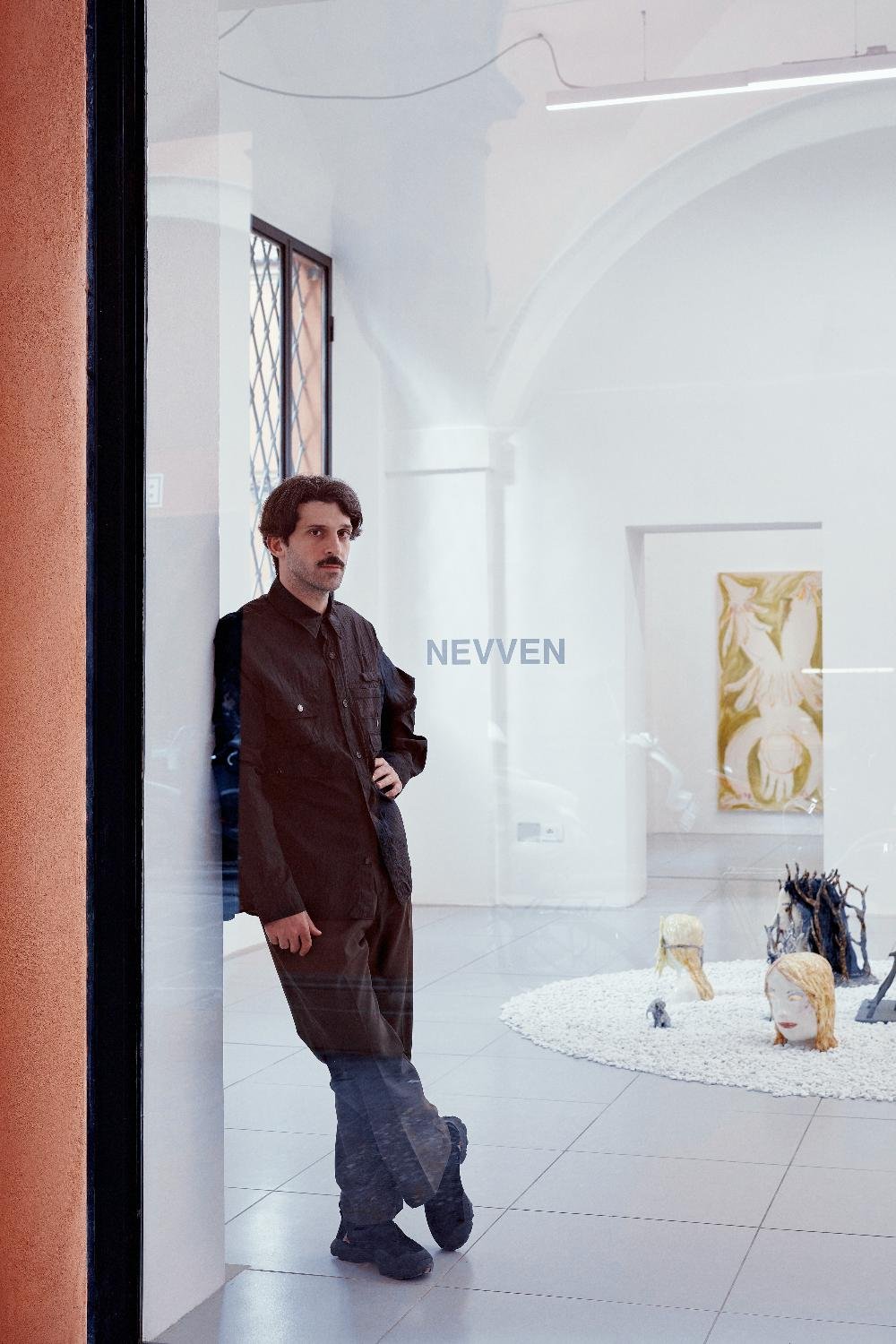
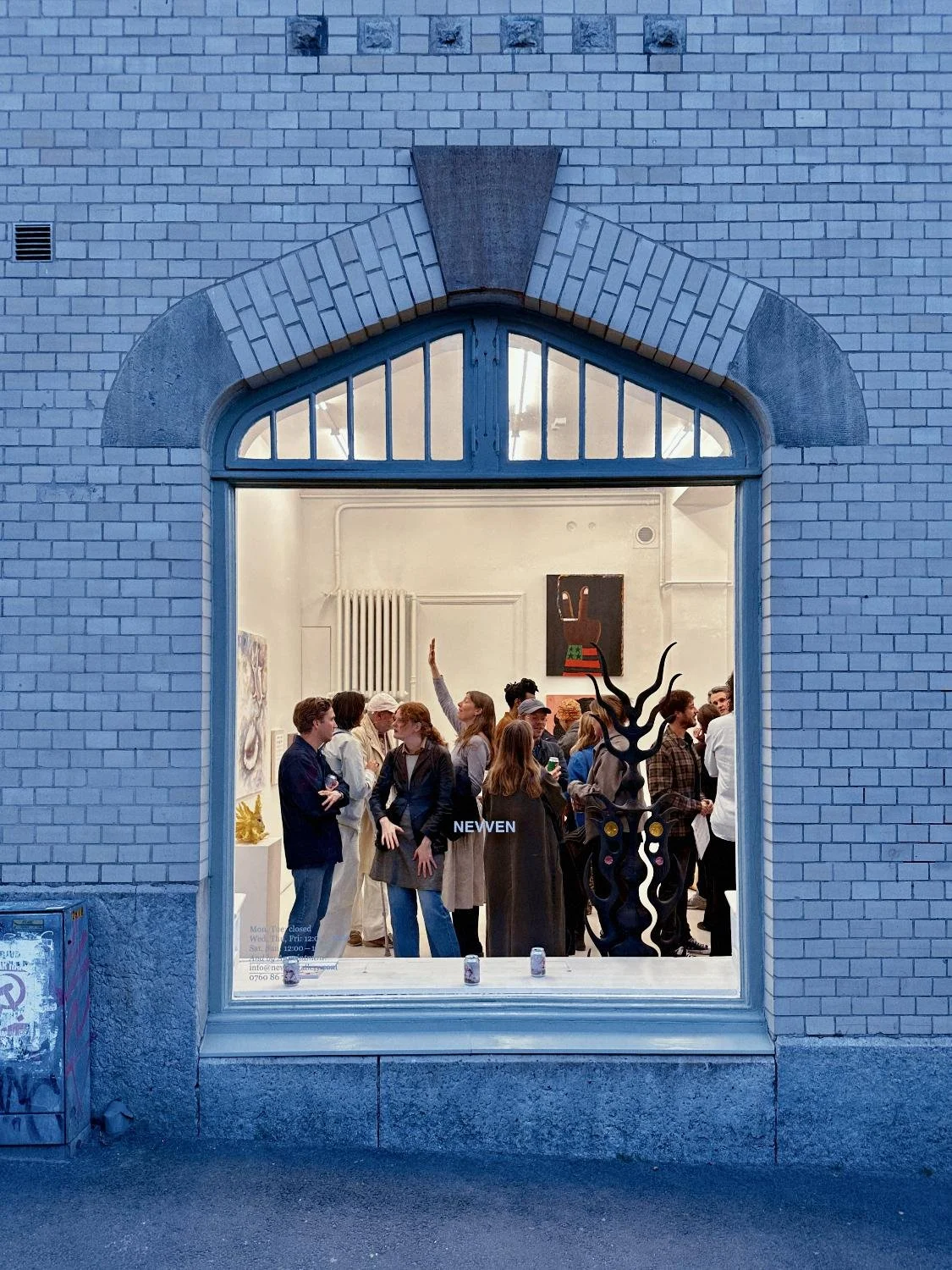
NEVVEN, the gallery he runs in central Gothenburg, grew out of a chance encounter. He and his partner at the time were looking for a studio and found a former shop with two big windows facing the street. It was an ideal gallery space. The question was simple. Would they close the windows and use it privately, or keep them open and turn it into a space for people to meet artists, books, ideas.
They chose the second option and opened with a group show in the spring of 2015. What began as a small, artist-run, relatively unambitious initiative has gradually transformed into a funded, semi institutional space that also operates as an international gallery. It has become both a public actor and a place where collectors and artists connect.
At some point in this process, Mattia, who's been also an artist for years before opening NEVVEN, realised that the work on the other side of the exhibition walls was what truly captured his imagination, his vocation since teenage years. Programming, inviting, organizing, building a context.
He recognises the pattern from his earlier life. As a teenager he played music, but soon he was also the one organizing concerts, assembling experimental lineups, building scenes. He is drawn to making frameworks where other people’s work can happen.
When he speaks about choosing artists for NEVVEN, he is very clear on one point. He cannot predict what an audience will want. He does not think anyone can. This is why he does not program for some abstract public taste. He programs from his own eye and that of his team, with additional layers of responsibility.
“As Donald Judd used to say: The only perspective we can really trust is our own. That is where we start. Then we look at context, at careers, at what level of commitment and rigor people have. And we layer that with an intersectional perspective, because we want to take responsibility for the kind of world our program describes.”
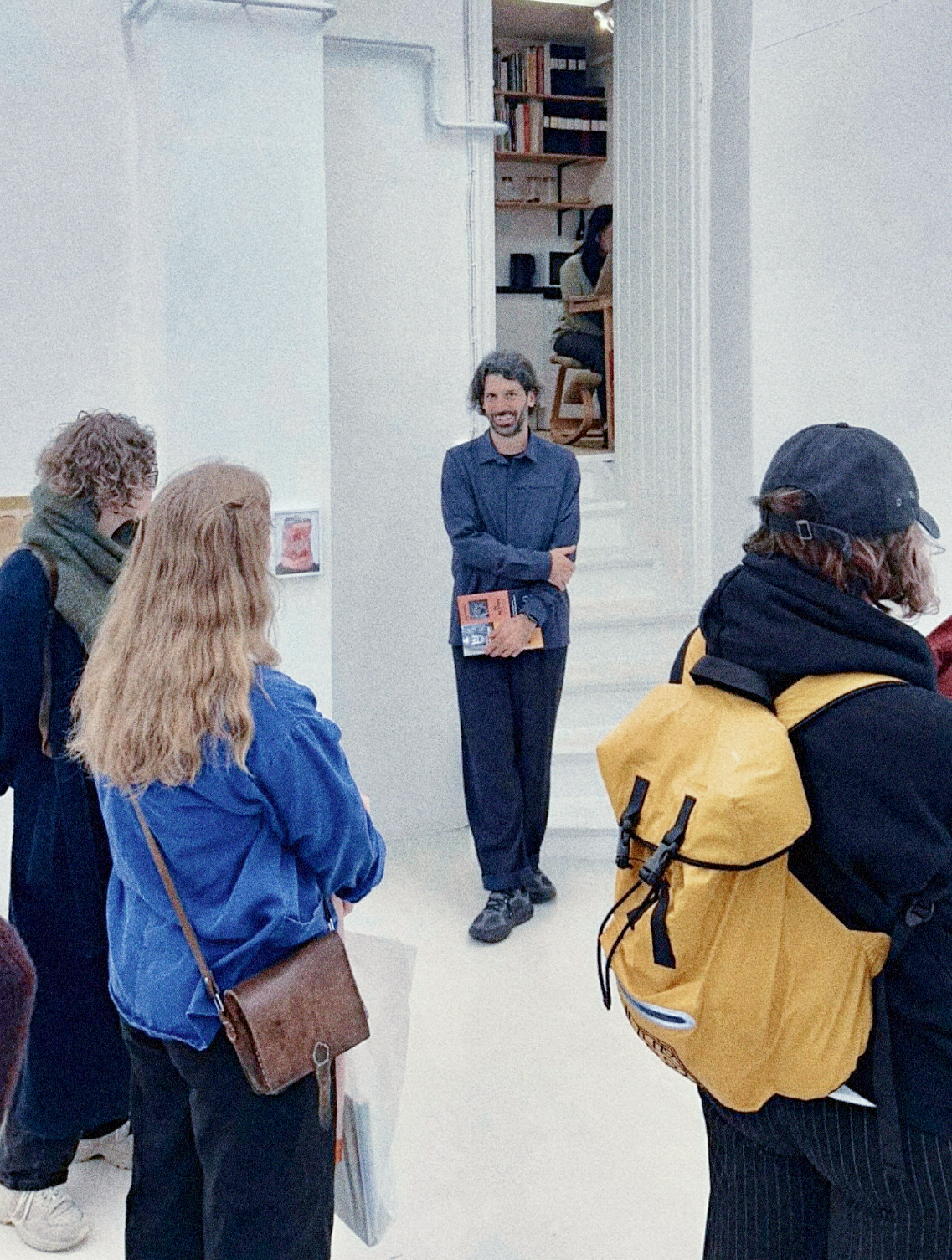
What he hopes people will feel when they enter the gallery is simple and quite demanding at the same time. He wants the art to speak visually, to trigger some kind of reaction before any text is read.
“In the last twenty years we have seen a lot of art that only speaks if you have read the right books. The visual side is neglected, almost distrusted. I find that very sad, because our culture is more visual than ever. We should train that language, not abandon it.”
He is not against complexity. On the contrary, he believes that good art must be complex. But complexity should be reachable through experience, not locked behind a wall of academic jargon.
VI
The first audience
When he is out on the trails, Mattia is his own first audience. When he curates, he is the first audience in the gallery. This is not ego. It is a recognition that nobody can create something meaningful by trying to guess what everyone else will think.
It is also why he is sceptical of overly macho narratives in sport and overly elitist narratives in culture. The ultrarunning world, like many endurance sports, often markets itself in language that is full of toughness and extremity. The hardest race in the world. Excruciating. Brutal. An adventure.
He laughs at the word adventure in this context. An adventure, for him, is when you do not know what you are doing and do not know what will happen. In a well prepared race, you might face uncertainty, but you are not lost in the wilderness. You are doing something demanding, not flirting with disaster.
The exaggerated language has consequences. It makes some people feel heroic. It pushes others away. He suspects it contributes to the persistent gender imbalance in long distance racing, where very few women take part compared to men.
He sees similar mechanisms in contemporary art, where academic language and insider codes can easily make ordinary visitors feel unwelcome, underqualified, or simply bored before they even begin.
Yet he refuses to accept the opposite extreme where everything must be simple and immediately obvious. Complexity, he insists, creates value over time. In art, in architecture, in sport. A hundred kilometer race carries a different story than a five kilometer jog. A dense painting or a difficult composition can stay alive for years in a way that a quick visual joke cannot. But this does not mean that complexity belongs only to experts.
“If both sides meet in a better way, people and these fields, then complexity becomes reachable. If the entrance is welcoming and people approach with curiosity, layers that seemed impossible at first can become part of their own experience.”
VII
Not extra, but essential
In the end, everything Mattia says about running and art circles back to the same conviction. These things are not accessories. They are not decorations around a life made of more serious matters. They are central to what a good life can be.
He is realistic. People have jobs, children, responsibilities. They cannot spend every day running in the mountains or wandering through galleries. That is not the point. The point is that movement and culture should not be framed as guilty pleasures or occasional treats. They are necessities.
“It is not about finding time for a hobby. It is about understanding that you need to feed your body by moving it, and you need to feed your mind by meeting culture. Just like you need to eat. When people realise this, you see a huge improvement in their well-being, their sleep, their relationships, even their work.”
For Mattia Lullini, experience is not another word for extremes. It is another word for attention. The long race in Norway, the empty gallery on a Wednesday morning, the tired legs a few kilometers from the car, the quiet moment when a visitor stands in front of a work and feels something shift inside.
All of this belongs to the same practice. To move, to look, to question, to care. To treat the so-called useless parts of life as the very things that make it worth living.
SHARE
OTHER STORIES
-
born to endure
CULTURE
-
from the track to freedom
INTERVIEW
-
The first step
CULTURE
-
A Nordmarka Classic
CULTURE
-
The Art of Fast Skis
INTERVIEW
-
Nattvasan
CULTURE