
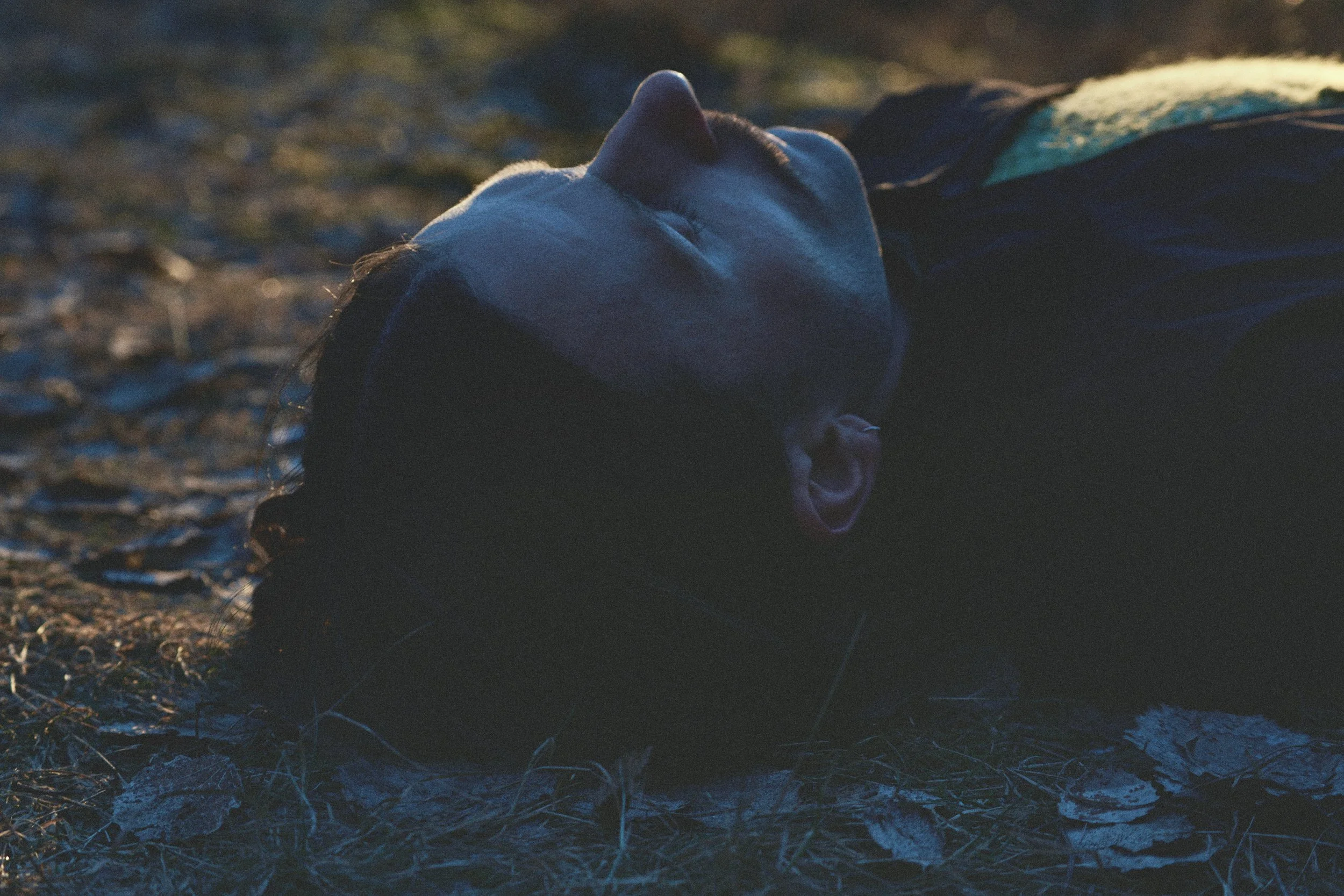
Movement Without
a Finish Line
Words by Henrik Rostrup
Photos by Sebastian Mamaj
Patrick Stangbye moves fast—but not in the way you think. Yes, he’s a Norwegian ultra-runner. Yes, he’s a creator. But what actually drives him is a deeper obsession with movement as a cultural condition: how we evolve, how we regress, how we make things, how we train, how we choose what matters.
He’s also one of the founders of Portal, an outdoor brand defined by practice rather than category. In this conversation, we talk about curiosity as fuel, why regression can be necessary, what trail running still lacks culturally, why Scandinavia feels wilder than the Alps, and why the best products should be able to end up in an archive store ten years from now.
I
One thing that fascinates me with you is that you're so productive. Where does that come from? Or has that evolved over time? Can you remember where you kind of found your groove?
My interests shift over time, but some things remain constant: certain topics, certain values. I keep coming back to the idea of movement, which is important to me. Not just physical movement, but cultural movement as well—how we progress, and how at times it feels like we’re regressing. Even then, there’s still movement, hopefully in a direction that leads forward. I think a lot of what people see as my productivity comes from that curiosity, from always wanting to understand and explore what’s moving and why.
If I had to describe myself in one word, it would be curious. I’m lucky I haven’t had a job interview in many years, but when I used to introduce myself, people often asked for three words or some kind of summary, and I always came back to that one. Curiosity means I spend time doing things I already know how to do, while constantly exploring things I know nothing about. It also means bringing people into my work and my life who have knowledge in areas where I don’t, simply because I want to learn.
I can be quite opinionated. Some people who only know me online think I’m more opinionated than I actually am. I’ve met people who later became close friends who told me they were intimidated by me at first, and I just laugh, because they were projecting a persona onto me that isn’t really my personality. But I am curious and open-minded, and that naturally results in work, because I want to keep exploring.
And maybe it’s also just energy. Sometimes I don’t fully understand how I’m able to do everything in a day. I’d like to relax a bit more. I have a story about pushing too far in my early 30s, so it’s not always positive. But I found a good balance: learning to say no to things that aren’t important, and spending time on what I find valuable—in sport and work.
II
When did you realize what you could do—physical movement or creating something? Which came first?
I don’t know if I ever feel like I’m succeeding at either. It’s constant. But when I was young, snowboarding and biking, we were self-sufficient. We built our own jumps. You had to be creative and contribute. I found that rewarding and realized that I could do things that demand something physically, while also requiring creativity to happen.
Some of it is like engineering, understanding both body and mind. But I’m never fully satisfied. Not because something is missing, but because I’m always thinking there’s more to explore. I never think something is fully finished.
You used the word regressing, which is interesting—it’s not a term that comes up very often. I find the idea compelling, because sometimes regression is necessary for progress. Right now, everything is framed around constant improvement, but that doesn’t work for everyone, and nothing can realistically be better than yesterday forever—even if that’s often treated as the goal. That’s why the idea of regression feels important to talk about, even though it rarely is.
Yeah, I think it also comes down to resources. When resources become scarce, people get scared. When there’s growth or progress, people feel like there’s enough for everyone. When that shifts in the other direction, people start protecting what they believe is theirs.
But those moments are also when you begin to understand what actually has value and what doesn’t. That’s when progress happens again, because you’ve learned what to keep and what to let go of.
In design, and in many other areas, when things are going well, everything expands in every direction. A lot of things work that maybe shouldn’t, simply because the economy is good or people feel optimistic. There’s surplus. I’m not afraid of either state. In both growth and contraction, creativity exists and things still happen. Some situations are harder to live with than others, but people always find ways to do what matters to them.
When you start talking about keywords like minimalistic or organic, it becomes complicated. These are big ideas, and “isms” can be limiting. Some of the most well-known minimalists hated being called minimalists, because they felt their work was really about what’s essential. I relate to that. I care about what’s essential.
I grew up spending a lot of time outside, mountain biking, snowboarding, even skating in the city. I wasn’t only removed from urban environments. Having a connection to what’s happening outside has always been important to me.
That’s also how we think about Portal. We call it an outdoor brand, but that doesn’t mean only mountains. You’re outside when you’re outside. Today, there’s this idea that we visit nature, that you leave your normal, human-made environment to go somewhere else. But cities exist in nature too. We’ve just removed many of the natural elements. Trees, bacteria, fungi are still there.
I’m drawn to the contrast between what’s manmade and what’s organic, and to how those things collide. I’m always looking for honesty in materials and in how things are presented. Even on social media, I want things to feel raw enough, not overly polished. There’s always something aspirational, but when it becomes too aspirational and you can’t connect to it anymore, I lose interest.
And I’m comfortable with duality. I like things that might be considered high culture, and I also enjoy pop culture. There’s no contradiction there. I like good food, but before a race I’ll happily eat rice with strawberry jam. Both things can exist at the same time.
III
How important is response or feedback to you? When you put a lot of energy into something—training, racing, or design—does that response matter? Does it give you more focus, or can it make you complacent if it happens too often?
I’ve always had a bit of a problem with tribal culture. Whenever I’ve felt fully accepted into a group, I’ve either left it or at least started questioning it. If we all look the same and do the same things, I start wondering whether that’s actually healthy.
Because of that, I don’t think I’m very driven by external validation. Of course, we’re human. I really value connection and interaction when it happens on a deeper level. But if it’s just a surface-level compliment, or someone reacting without much intention behind it, it doesn’t really change how I train, work, or approach what I’m doing.
In running, for example, I’m not particularly driven by personal bests. A lot of road runners are very focused on that, and I respect it. I even wish sometimes I had more of that mindset. I enjoy pushing myself, I like competing, and when I’m on the start line I’m fully in it. But when I hit a PB, it’s fun for maybe ten minutes, and then it’s gone. Training for six months just for those ten seconds of satisfaction doesn’t really align with how I want to live. And the same goes for work.
With creative work, it often takes a long time, sometimes two years or more, for people to fully see or understand what you’ve made. There’s work I released a couple of years ago that I’m only now really enjoying again. It’s not that I’m over it by the time it comes out, but I’m no longer deeply inside the process. So the kind of dialogue you might want to have with someone reacting to it can feel slightly mistimed. You might have benefited more from that conversation earlier, but that’s not possible.
I don’t know if that makes complete sense, but that’s how I relate to it. Of course, it’s positive when someone acknowledges that you’re doing something good. But I don’t feel driven by that kind of response.
IV
In that sense, do you feel like you’re the first audience for what you do?
Yeah, probably to some extent. I also think it’s important not to simply give people what they want. Not that I’m doing things people don’t want, but I’ve often been in situations, especially working for other companies, where I could have taken a very easy route and delivered exactly what was expected.
For me, that’s not very interesting. And I’ve never really been asked to do that either, or at least I never understood it as my task. I think it’s important to include some level of challenge. That might mean the work takes longer to be appreciated, rather than getting an immediate reaction. But I’d rather have people realize over time that the work was good than receive instant approval.
That approach might not always be the smartest career move. If you always give people exactly what they want, you’ll keep getting hired to do exactly that. But then you’re driven more by what you think the viewer wants than by intuition. I think dialogue is important. Things are more democratic now, and people often have valuable insights, but it still needs to come from an intuitive place.
I also don’t believe I’m that different from most people. If I’m genuinely interested in a topic or a direction, then in a world with billions of people, there will be others who feel the same way. Everyone has a story to tell.
Growing up in Norway, which is filled with sports culture—especially Nordic skiing—and now trail running is booming, but it seems to have less historical storytelling. Everything’s new and changing direction. Do you think running could have a cultural identity embedded in it? Is that important to you?
Norway is a small country, and while trail running is growing here, it doesn’t have anything close to the same level of support as cross-country skiing. That’s true in terms of media coverage, funding, and events. I’m not deeply involved in cross-country myself, so this might not be exact, but someone told me a few years ago that there were around eighty professional or semi-professional cross-country skiers in Norway. In trail running, there might be fewer than five. That alone says something about the difference in impact and infrastructure.
What makes it even more interesting is that Norwegians are actually very strong internationally in trail running. Still, when there are great results, national sports media often don’t even write about it online. That doesn’t really help build culture.
Of course, there have been some positive moments. Sylvia has had a few great races in recent years, and since she also comes from a cross-country skiing background, that connection helped bring attention to her results. But even before that, we’ve had athletes, especially on the men’s side, who were very strong internationally over the past ten years. You could point to people like Sondre Amdahl or Didrik Hermansson. Despite that, trail running has never really reached a broader mainstream understanding here.
When it does get attention, it often swings to the extreme. Someone like Simen Hulvik, who is a super cool guy and someone I know, ends up framed as this “crazy extreme” character, usually because of something like racing in 43-degree heat in the US. Then people start to think that this is what trail running or ultra running is about. But that race isn’t a trail event. It’s a road ultra.
I have a lot of respect for those kinds of races, but they aren’t the pinnacle of the sport. Right now, races like the Golden Trail Series or UTMB have much deeper and more competitive fields. Badwater, for example, is an incredibly hard race, and maybe that’s why people are even scared to attempt it, but it’s not a race where you see the current top 30 trail runners on the start line.
So the way trail running is presented, especially in Norway, often misses what the sport actually is, and that makes it harder to build a broader, more nuanced culture around it.
V
What sports or movements do you draw inspiration from? Anything you wish running culture borrowed or moved toward?
Cycling has always been good at building culture and protecting it. Sometimes there are too many rules, but rules can be signifiers. They help people understand what they’re subscribing to and how to enter it.
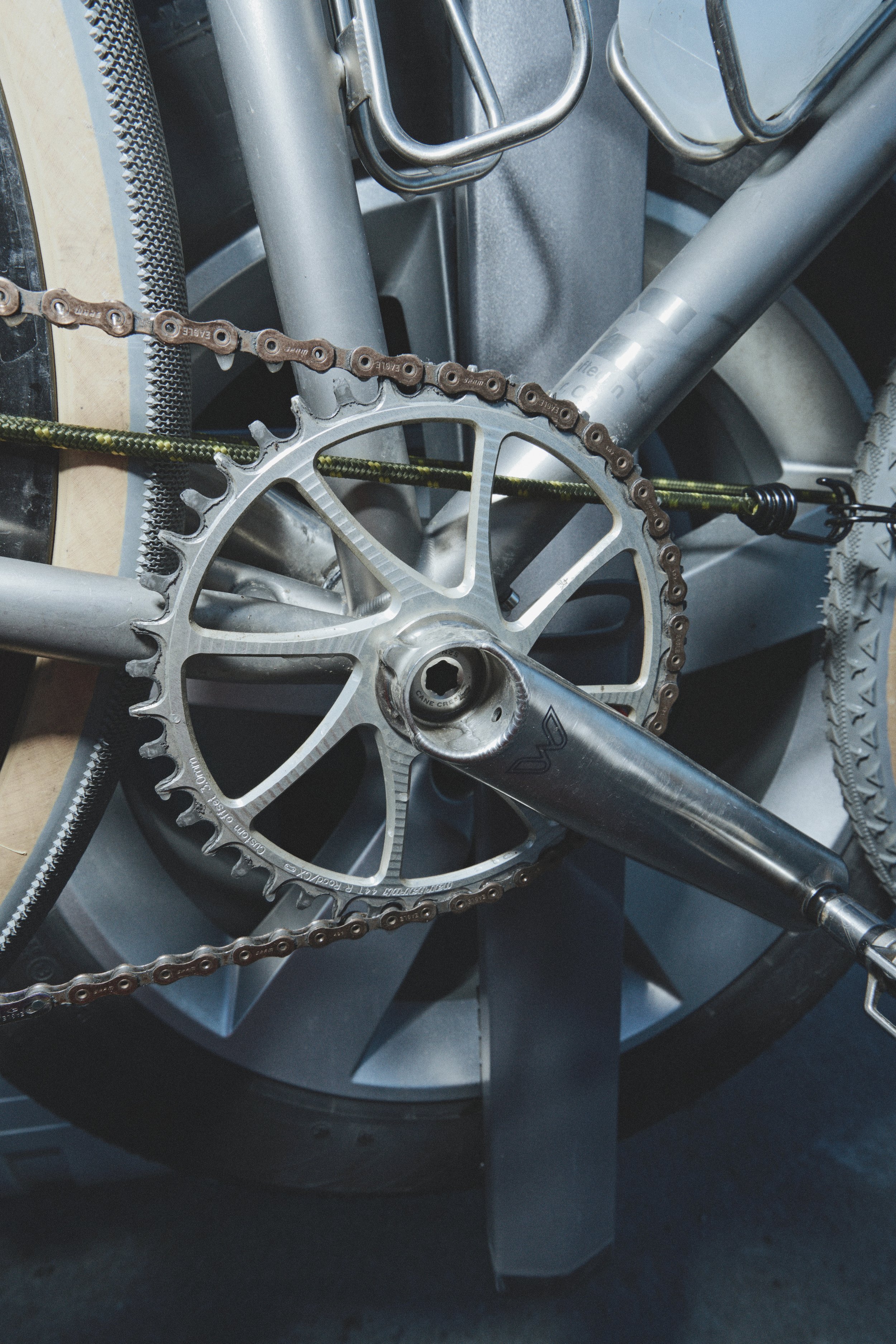
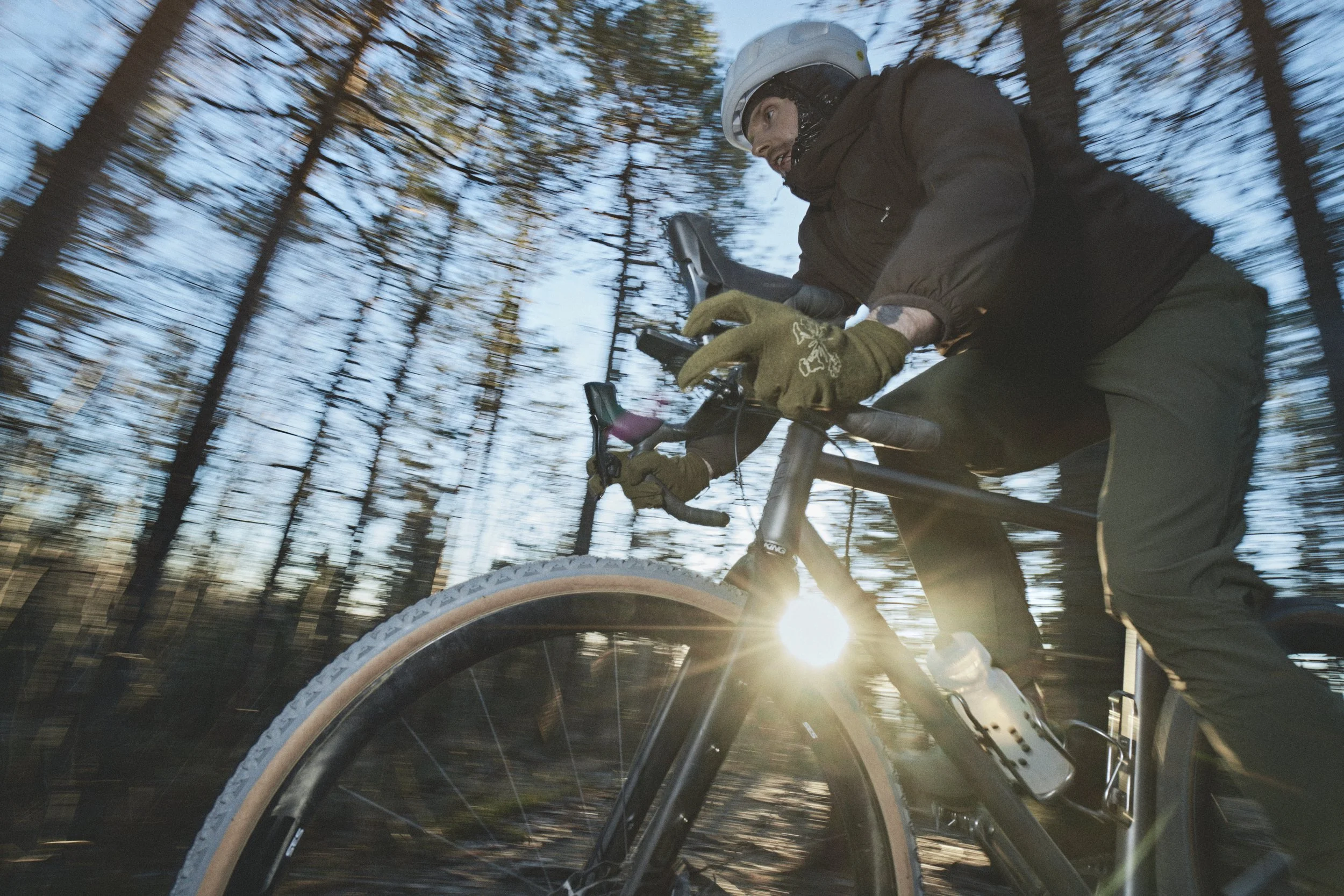
There’s more conversation between cyclists and runners now. Cyclists run in the off-season, and trail runners supplement their training with bikes. The whole gravel bike wave that emerged during the pandemic has stayed.
I also like mountaineering, alpinism, and climbing. There’s still an anti-establishment feeling there, even though it’s one of the most expensive sports if you do proper mountaineering. They make it look unplanned and easy-going. But the connection to nature is strong, and that makes people want to protect it.
Where do you find the adventure aspect? You build security in your life, but when you go out—do you chase insecurity?
I used to. I’m older now, and I’m comfortable in the mountains. In long races you might be at 2,600 to 2,800 meters at night in the Alps. Many people find that scary, but I’m comfortable there now.
Some of my training used to be more unorganized, and I plateaued because of that. Still, adventure can exist. Sometimes I want to go back to it. It’s rewarding to be fit enough to create your own adventure, like going to a fjord and deciding to link mountains where you know some routes and others you’re unsure about. It’s not about speed. You need to feel sufficient moving through the landscape, and that’s appealing.
And then I say that, but I’m also doing very structured training and intervals. (Laughs.) I still run trails many people don’t find runnable. Technical courses are a strong point for me, especially downhill, where you’re finding the line and taking enough risk to move well.
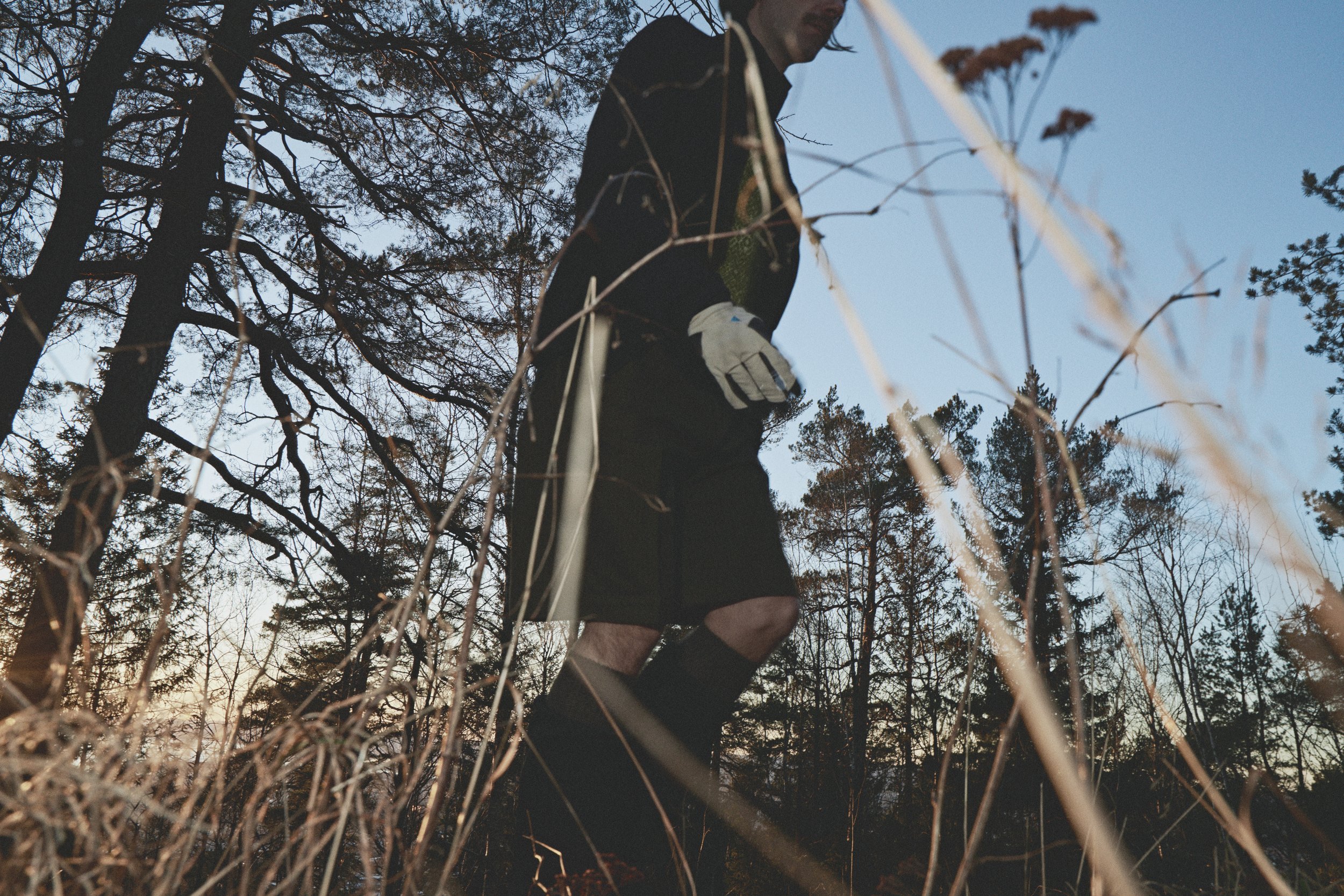
How important is community now, compared to when you’re totally fresh coming into something? Do you trust yourself more, or look to other people more?
It’s a combination. When you’re new, you approach someone who knows it. You tag along, observe, and try to understand how it works. Proof of existence matters. Eight years ago I ran with a group in Oslo, paced a marathon, and did community work. People got PBs and thanked me, and that was rewarding.
Then I discovered ultra running online. In my early 20s I saw a documentary about a jungle race in the Amazon where runners carried knives because of panthers. It was insane and fascinating, but I had no desire to do anything like that myself.
Later, UTMB appeared, and slowly I started thinking, this is cool, but can I do it? Then I met an ultra runner in real life. I had nobody like that in my network, and suddenly this person was real, standing in front of me. So I asked tons of questions about lifestyle, how they got into it, and whether it could be an entry point for me.
Communities are important, but culture today is sometimes too surface-level. Even if a community exists, you might not really benefit from it because it’s hard to get to deeper conversations.
For me, community is very important. This summer I could have gone somewhere cheaper and less accessible, but I knew that if I went where I went, people would pass through. I could train with them, have coffee, and share meals. It’s hard to do something completely in isolation unless you’re extremely goal-oriented and only focused on end results.
VI
In fashion and sports culture—where do you see what you’re doing trickle down into the mainstream? Is that something you keep in the back of your mind or feel proud of?
It’s hard to say “I was part of that.” But you can see after it happens that it happened.
My incentive isn’t to be credited—it’s to motivate people to live a life with more movement. Some people will always be into lifestyle and attitude. That’s positive. They could have cared about so many other attitudes. If they want to wear a trail running shoe because it’s cool, that’s cool to me. It funds the trail space and brands making trail footwear.
But you still need to design for the extreme user. If you start to consider the generalist user and forget your original user, you lose track of what you’re doing.
When I worked with bigger teams, it was often about context and references—but also about saying no. Sometimes the no’s are more important than what you add, because things go wrong fast.
There was a Swedish brand—one that will remain nameless—that openly criticised brands showing at Paris Fashion Week, as if you couldn’t exist on a catwalk and on the trails at the same time. To me, that’s a ridiculous idea. It all comes down to creating something meaningful for the user. The notion that you have to live in the mountains in order to practice or belong to mountain culture is a misconception.
I think a lot of the reaction comes from people trying to protect what they believe is theirs. That’s true of culture in general. Many people haven’t been able to enter certain spaces for different reasons, and that creates defensiveness.
Of course, a lot of technical outdoor products are well tested and carefully considered, but they’re not magic. Sometimes people talk about them as if they are. You need intention and a solid understanding to make a good mid-layer jacket for mountain use, but it’s not like inventing the atom bomb. It’s not inaccessible knowledge.
That means a brand can come from a different place. Maybe it’s female-founded, maybe it has a different aesthetic, maybe it doesn’t believe in the traditional mountain color palette or the archetype of the aggressive climbing guy. It can still arrive at a very technical, credible product. It can look completely different from what people are used to, and that difference will probably upset some people.
At the same time, I’ve also seen outdoor products that really don’t make sense. I remember visiting a major French fashion brand’s store in Milan and looking at their ski collection. It wasn’t very skiable, it wasn’t functional, it was extremely expensive, and the quality was low. None of the pieces added up. In those cases, I understand why someone who is deeply invested in the activity would be critical.
But as long as the intention is genuine and the product is credible, I think different attitudes should be welcomed. It feels strange to advocate for these activities and then try to protect them so tightly that only one group or one aesthetic is allowed to exist within them.
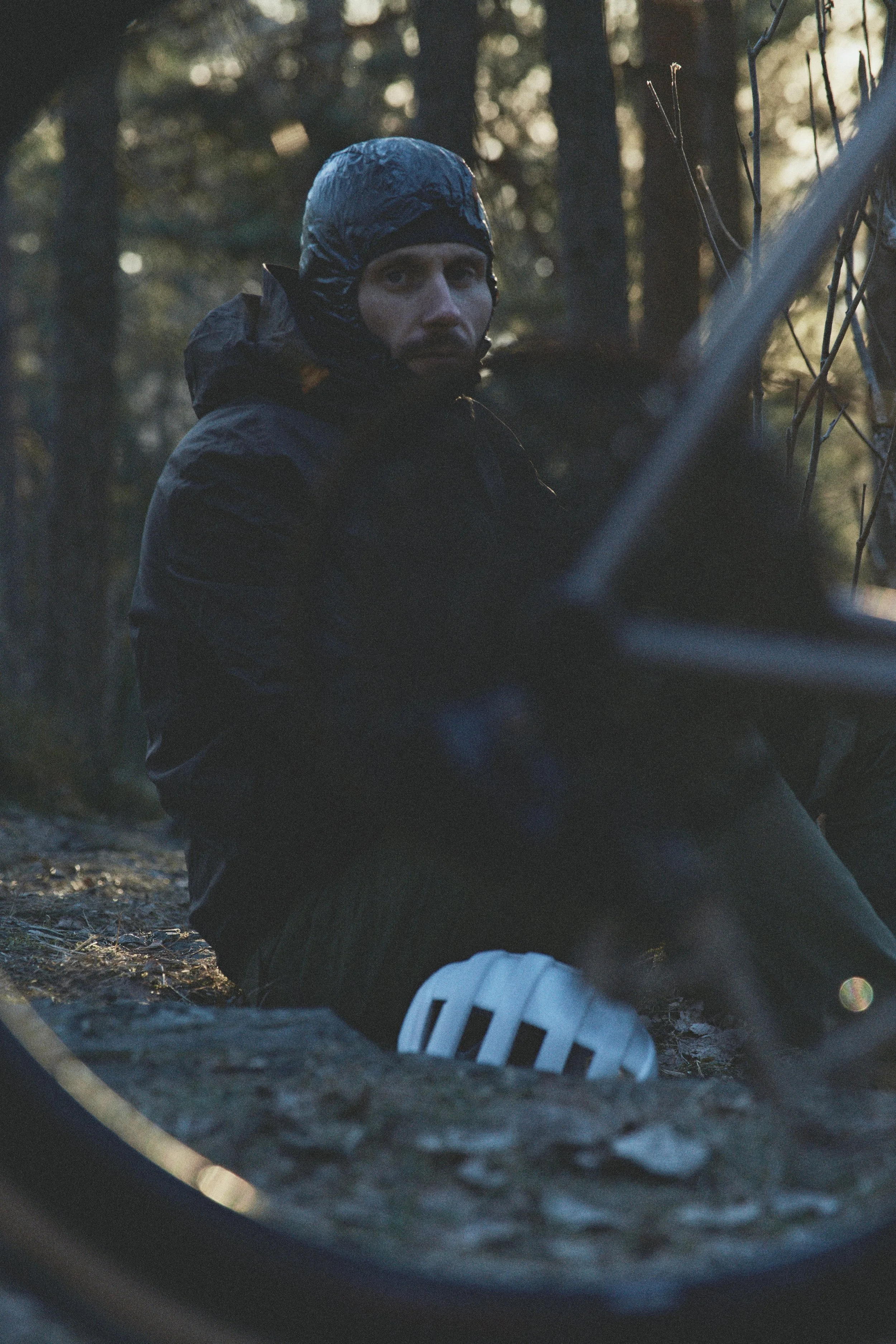
VII
In a country like Norway with so much topography and nature—how can fashion or brands get people more involved in the right way? And maybe even save people money by buying one jacket that works for cycling and running?
This is something we think a lot about with Portal, the idea of multi-modality. Most people aren’t only doing one thing. They ride, they run, they ski, they commute. They move between activities and between situations, so it makes sense to have products that can transition with you. That kind of versatility is genuinely useful.
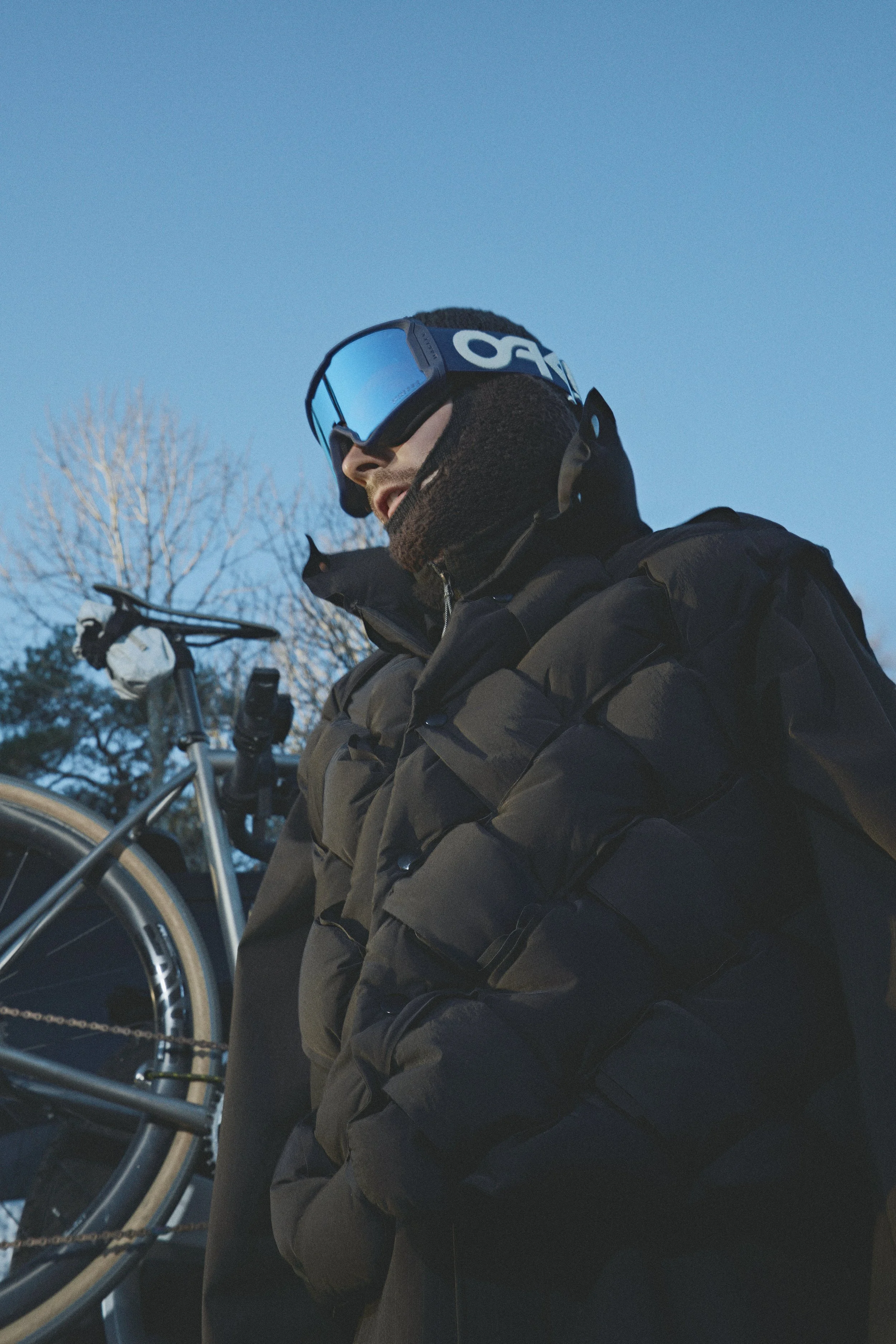
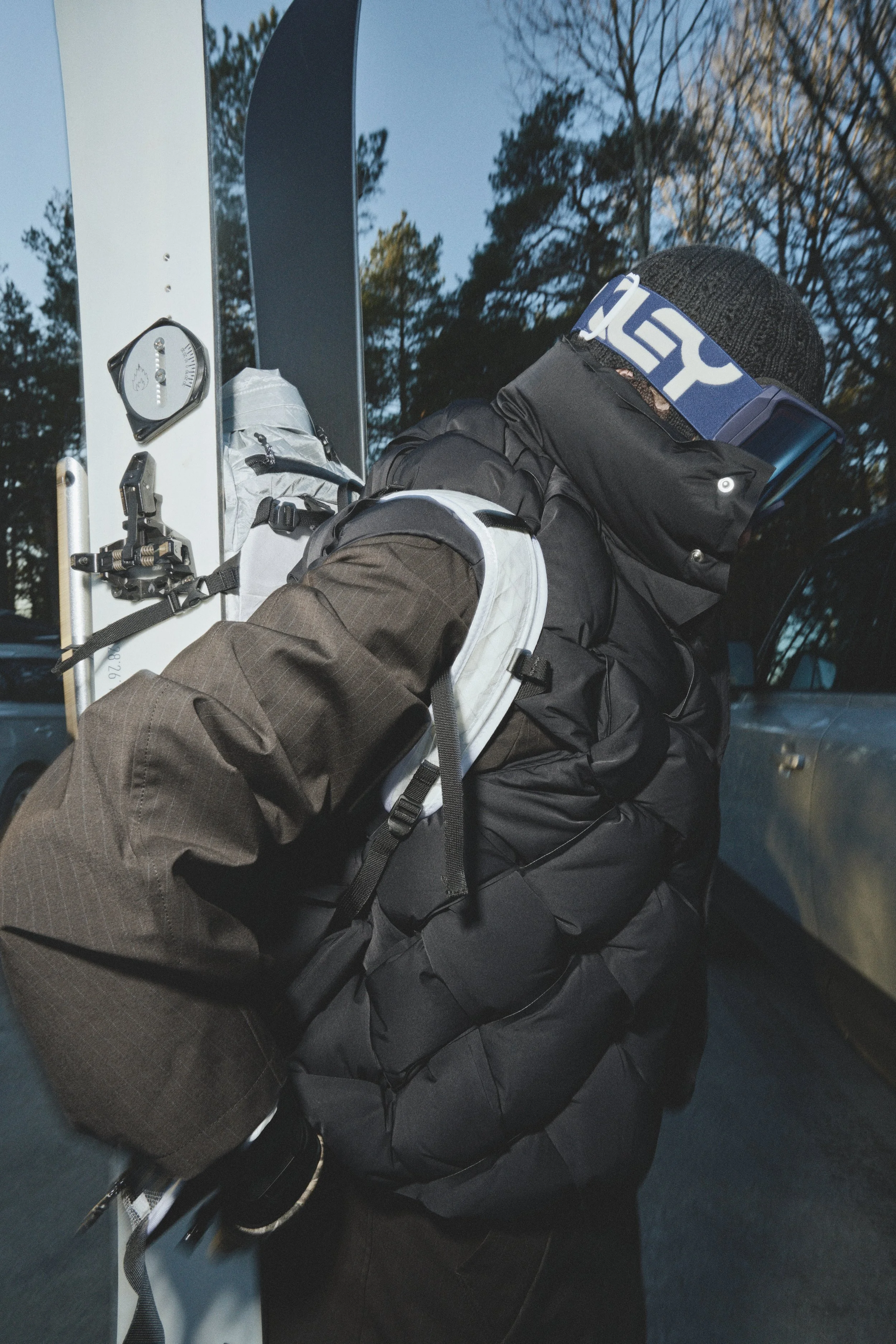
For example, we made a jacket that was originally designed more for winter riding and commuting, and for running when it’s really cold. But last winter I also used it for ski mountaineering and ski touring. In that context, it worked perfectly. It’s breathable, it has a shell, and the insulation doesn’t get wet quickly, so it keeps you warm. A lot of products already work like this, and I’d like to see more of that thinking.
I also think the space is opening up more in general. People spend a lot of their free time doing these activities, and they want to bring some of their personality into what they’re wearing. That feels completely valid to me. If you’re usually drawn to certain materials, patterns, or colours in everyday life, things you feel comfortable in, I don’t see why you shouldn’t be able to wear similar things when you’re doing the activities you care about.
Especially the more time you spend on those activities, the more it makes sense to invest in something that feels closer to who you are. You can see that now with brands that have a stronger sense of personality, whether it’s newer Swedish brands like Unna or something like Satisfy. A lot of these brands are quite premium because they’re small and built in a specific way, which can put some people off. But hopefully they also influence the wider industry.
Many traditional outdoor brands, especially Scandinavian ones, still look almost identical. Even for me, when I started running, coming from different sports, I didn’t really feel at home in traditional running clubs. I didn’t feel represented, neither by the brands nor by the types of people I saw in those spaces.
That’s why I think this shift is positive. The more open and diverse the culture around these activities becomes, the easier it is for people to see themselves in it. You start thinking, maybe this is for me, because you’ve seen someone who feels relatable already doing it. Before, the archetype was very narrow, and a lot of people simply couldn’t connect to it.
What product or object have you always carried with you—something you never threw out, or it’s still there in a corner? Like an old fleece you love.
I have quite a bit of product because I work with it. In my early 20s I had more of a collector mentality, but it got complicated. There was simply too much stuff. I have favorites, but I’m always searching too.
I’ve also given things away that were important to me, because they were important to the person who received them.
But I’m especially close to merino base layers, even if the old ones are broken. On a cold fall morning, it’s a merino T-shirt or long sleeve. Today it was raining but still warm. I started with a jacket, then ran in the rain in just the merino. These base layers work across any sport and any activity, especially in harsher climates.
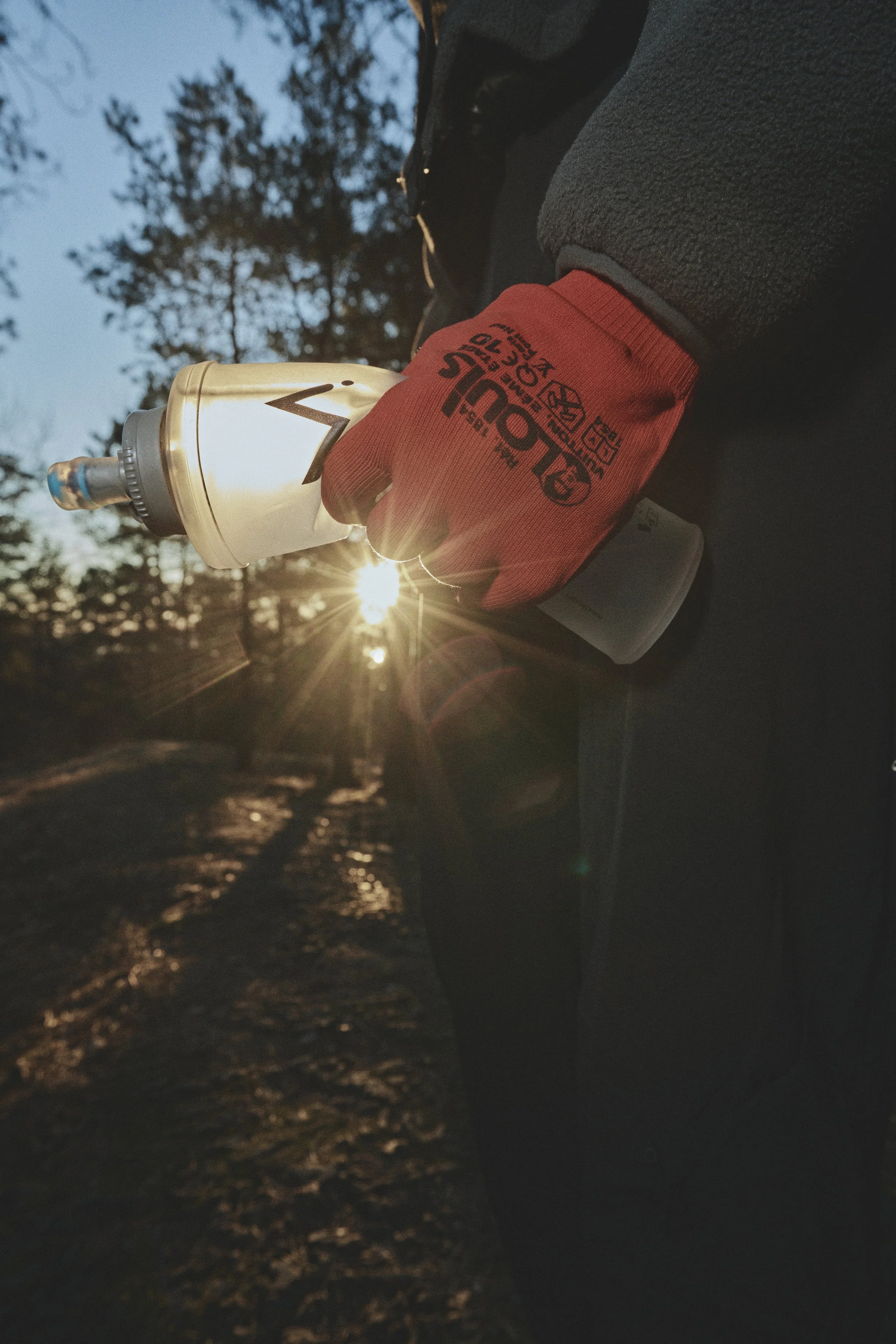
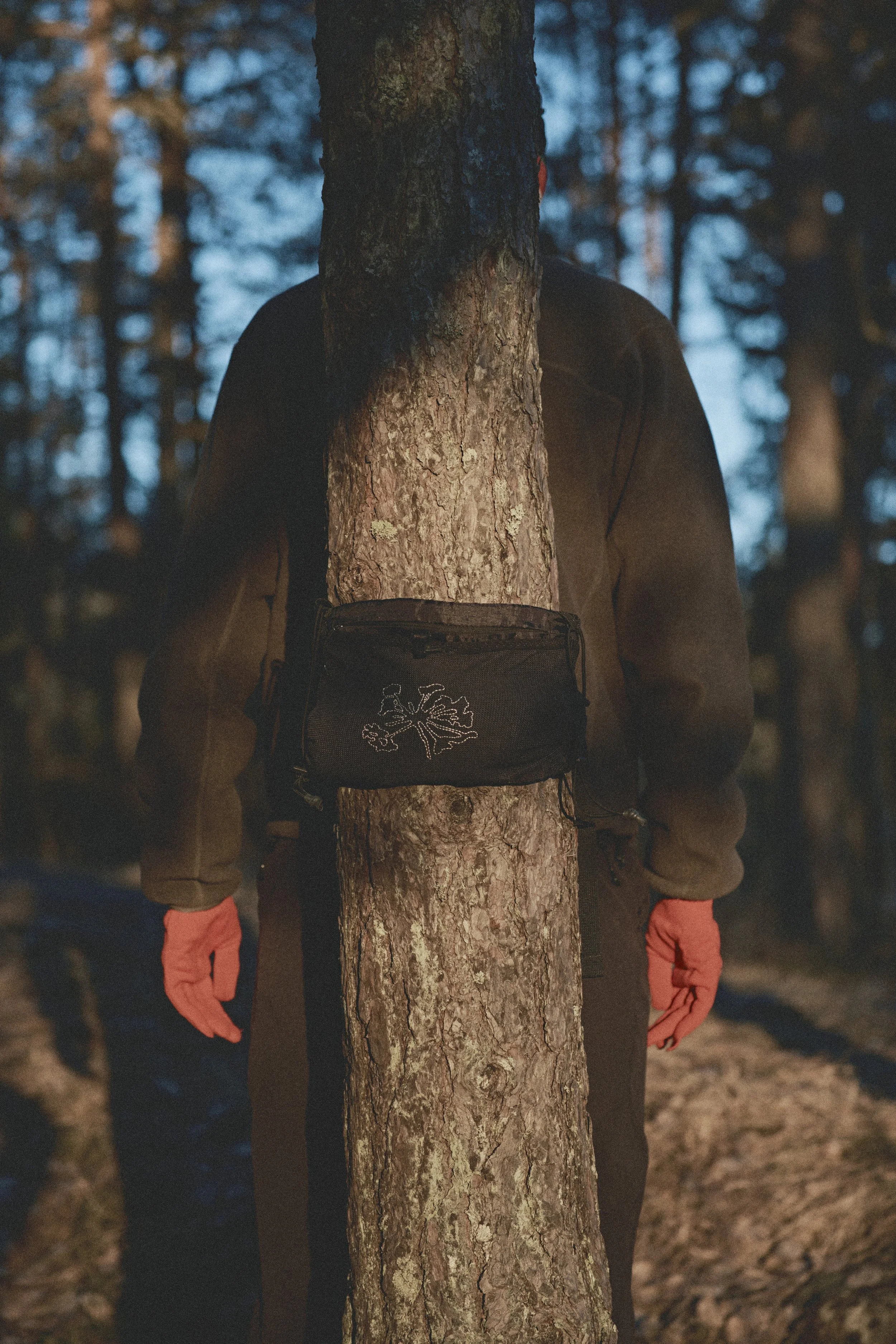
VIII
What of your Norwegian heritage do you bring into design or research? How much inside influence versus outside influence represents you now?
There hasn’t been a lot of direct Norwegian referencing, but there is a sensibility. Rational ideas are embedded in Norwegian culture. Things are straightforward. Materiality is clear, and you understand what something is.
The color palette is inspired by nature, but nature can be intense too. Minerals, contrast, and saturation exist there as well, so it doesn’t mean everything has to be muted.
Some of the space design work I’ve done, especially using wood and the way wood is treated, feels very close to my Norwegian sensibility.
It was important for me to live in Paris for a while and to spend time there, as well as in Milan. People tried to make me move there. The cities are fine, but the work life balance is very different. You can be in Lake Como and on incredible trails within forty five minutes by train, but people still stay in the office until seven every day. Even on weeknights, there’s no real way to get out to the trails.
Scandinavians often leave the office at four or five and get a reputation for being lazy. But I’ve never met anyone more efficient than a Scandinavian.
For me, it’s important to be here, surrounded by my books. I don’t think I’ve done a fully Norwegian project yet, but I’m researching my heritage. Norway doesn’t have the fashion industry that Sweden or Denmark has, and no one has really used our references in a modern way. That means they’re still untouched, which feels promising. You could do what others have done before, but with a genuine reference library that belongs to me and to the people who live here.
As an end user, there’s so much bro science—nutrition, training plans, product functionality—and people are always in a hurry. Training for a race, cutting switchbacks. Designing something and just shipping it. When do you decide to take it slow to make something credible?
For me—very much. Portal is a project people saw for the first time at the end of February this year, but we worked formally for two years before people saw it. And ideas lived before that as research.
There’s an industry component—seasons, timelines. But in general, I’m concerned about making products that can end up in an archive vintage store. That’s my ambition. I don’t want to make something that can’t.
It might not be a good sales strategy short-term, but it means something holds value over time. It belongs to an archetype, or a moment, so ten years later someone finds it valuable.
And with “science”—we have a merino rule, we talk about feel and fit, but we also have testing. A product can withstand 500,000 rubs, or 200,000, versus a normal product with 5,000 rubs. That’s real. But we don’t overbuild a story based only on that, because there’s a human and emotional component to the choices.
Performance is complex. Some feel faster in Adidas, some in Nike—maybe all of us would be faster in Puma. But we choose based on bias, connection, identity.
The best thing is to build something people can cherish for a long time—physically, and aesthetically—so it lasts visually too. Furniture is a good reference: dining chairs are a bigger investment, you don’t replace them every six months. Some people treat running shoes that way, but maybe the shoe is more disposable than the jacket or the layer.
X
What’s next for you—design-wise, sport-wise? Oslo’s running community is strong, you have a coach, you’re doing more races. What’s next?
The community in Oslo is strong now. There are many run clubs. We have one that’s a bit sharper, and others that are more accessible to everyone. Some people are hesitant to show up because the sessions can be hard, even though they should do the work at their own level. But it’s open to every level. It’s an actual workout group. We do intervals collectively, mostly on trails when possible.
I already have my race plan for next year because spots sell out so early now. Not everything is confirmed yet because of the UTMB lottery, but I hope to do the big loop during UTMB week. I think I should be qualified.
I’m probably qualified for Zegama again, which is a legendary race. I’ve decided that as long as they let me in, I’ll keep doing it. Otherwise, there wouldn’t really be a way back.
We’re starting the season earlier than usual, with Chianti in March, which is a UTMB race. I’ll do 75k. It looked fun this year. Kilian and Jim Walmsley were there, so it should be a good one.
I’m training hard while also doing a lot of work. After the last race this year, I need to evaluate whether I can do the same thing again next year. The answer will probably be yes, but it takes a lot of effort. It doesn’t come easy.
I’m happy to be in that process, but other aspects of life do suffer when you prioritize at that level. You can run ultras, have fun, and do well without that degree of focus. But when you’re running 160 kilometers a week, and a lot of that is on trails, you’re spending a huge amount of time training.
Do you prepare yourself for the day you have to back down a little bit—and will you be okay with it?
I’ve played with the idea, but I don’t think I really want to step back yet. I think I’ll be ready when I’m ready, when it feels right for me. It might also be that I go even further in the other direction at some point.
I genuinely enjoy the process. I feel like I still have positive energy, and I’m able to be present for the people in my life who need me. As long as that’s true, I think it’s okay to keep both things going. But if I ever feel that I no longer have the energy I should have for the people around me, then something probably needs to change.
In an era obsessed with faster, louder, newer, Patrick’s obsession is quieter: what lasts. Not just in training blocks and race calendars, but in the objects we wear, the culture we build, and the way we move through landscapes—city or mountain, alone or in community. Portal, in that sense, feels less like a brand launch and more like a position: outdoors isn’t a costume, and performance isn’t only a stopwatch. It’s a practice.
The rest is just movement—forward, backward, sideways—until it becomes honest.
SHARE
OTHER STORIES
-
born to endure
CULTURE
-
from the track to freedom
INTERVIEW
-
The first step
CULTURE
-
A Nordmarka Classic
CULTURE
-
The Art of Fast Skis
INTERVIEW
-

Nattvasan
CULTURE