
Inside Nordic
Roller Ski
Culture
Where Tradition Meets Innovation
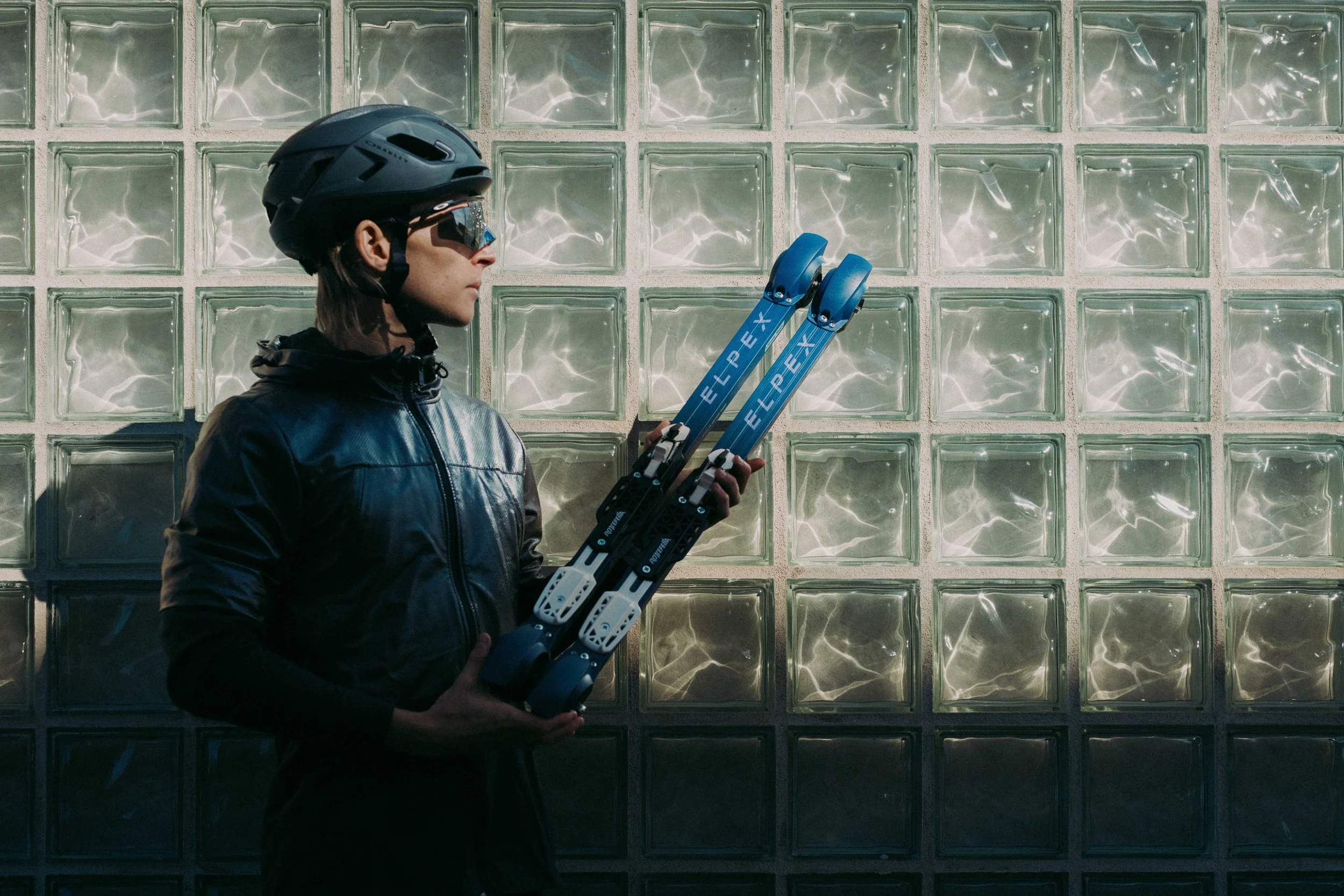
Viktor Brännmark, CEO of Elpex Nordic Roller Skis and a former elite Nordic skiing athlete, shares his insider’s perspective on the evolution of roller skis, the enduring legacy of Elpex, and the growing role of summer training on wheels in Nordic skiing preparation.
Words by Henrik Rostrup
Photos by Andreas Almkvist
I
Tell us a bit about your background as a competitive skier and your journey into the business side of the sport.
I started competing when I was nine, attended a ski gymnasium in Norrbotten, and spent a year in the USA on a college team. Later, I moved to Östersund, where I spent about ten years pursuing an elite career. I'm proud of my achievements—I even finished 21st in the 50K race at Holmenkollen. Last year, after a strong performance at the Stockholm Marathon in 2023, I decided it was time for a new challenge and ended my ski career. That transition eventually led me to take over Elpex. With my background in retail and
e-commerce, I now get to use the products I know inside out and help shape the future of roller skiing.
II
How long has Elpex been around?
Elpex dates back to the ‘80s. I’ve looked into our archives, and it’s either Sweden’s oldest or second-oldest roller ski brand—depending on how you count—from 1981 or 1982, originally called ‘Svenskskidan’. Then in the ‘90s, when I moved to Norrbotten, the brand was rebranded as Elpex. Ownership has changed hands a few times, and since June last year, I’ve been the CEO. We were a group of former skiers who bought the brand, and we’re now driving its legacy forward.
What about the athletes? How has the profile of a roller skier changed over time, especially with more skiers using them in summer training?
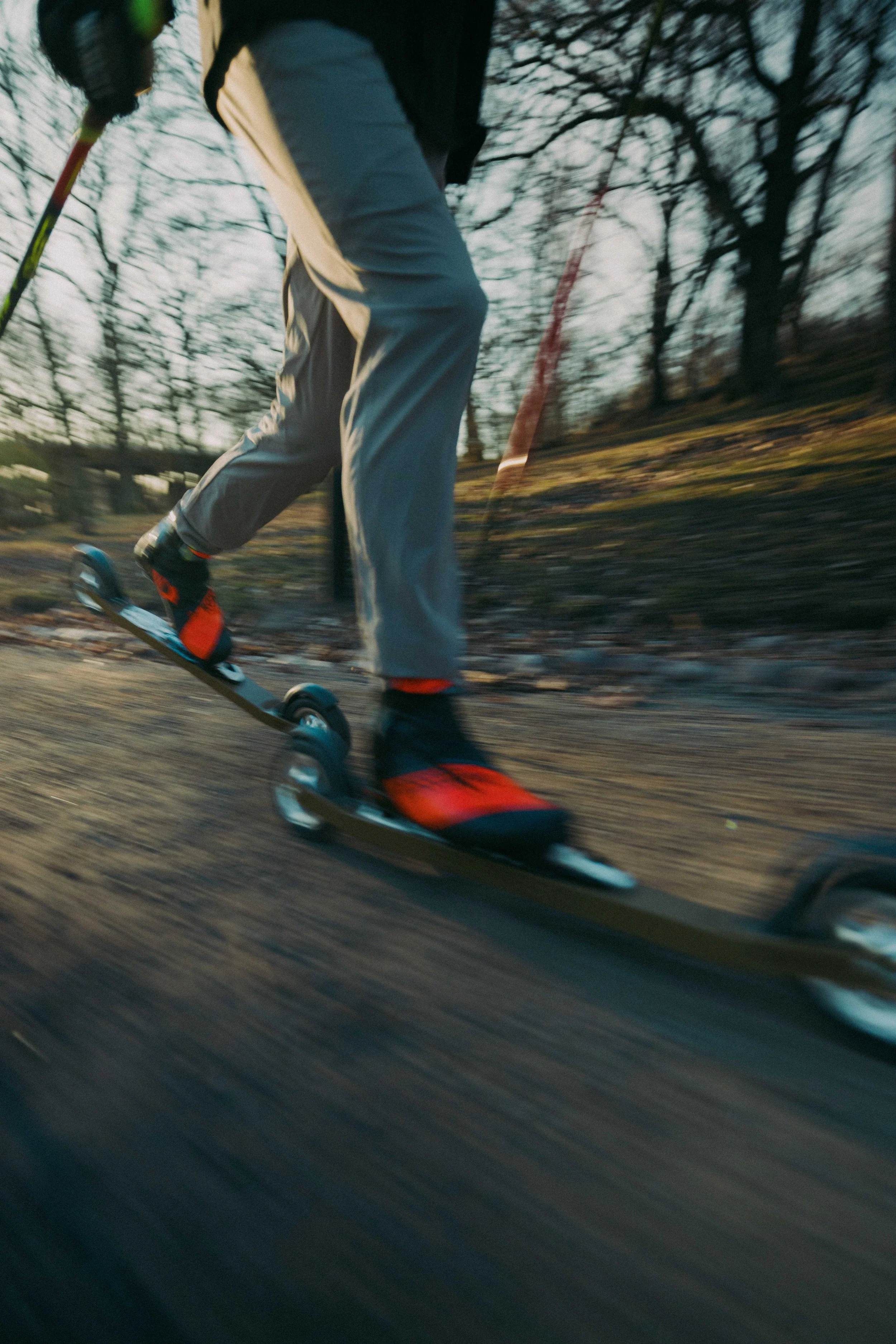
For elite athletes, absolutely—the need for summer-specific training has grown dramatically. Nordic skiing has become much more explosive. Thirty years ago, a 15-kilometer race might have taken 45 minutes; now, it’s down to 33 minutes. With better track preparation and improved equipment, about 80 percent of an endurance skier’s summer training is done on roller skis. It’s no longer enough to simply run; you need training that mimics the technical demands of cross-country skiing. And it’s not just the elite—there’s a growing interest among recreational skiers, too. Roller skiing makes it easier for people to stay in shape, even on flat asphalt, without the intimidation factor of high-speed, competitive tracks.
Roller skiing is becoming a natural extension—it’s as accessible as running on a treadmill in winter or cycling indoors. You can literally step outside your door, strap on a pair, and be on your way. This ease of access helps lower the threshold for those who might be hesitant at first.
III
What makes Elpex unique, and what’s new with the brand?
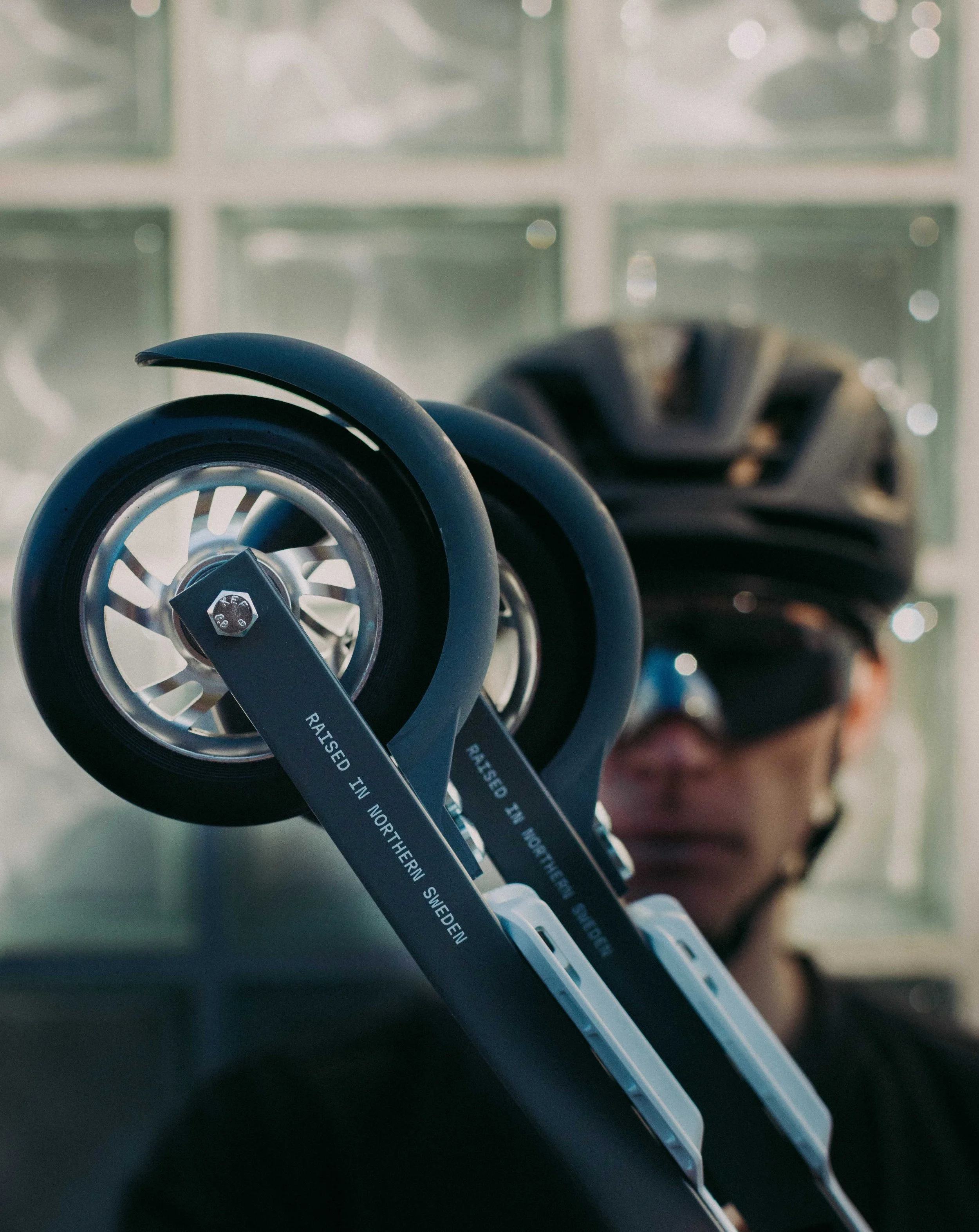
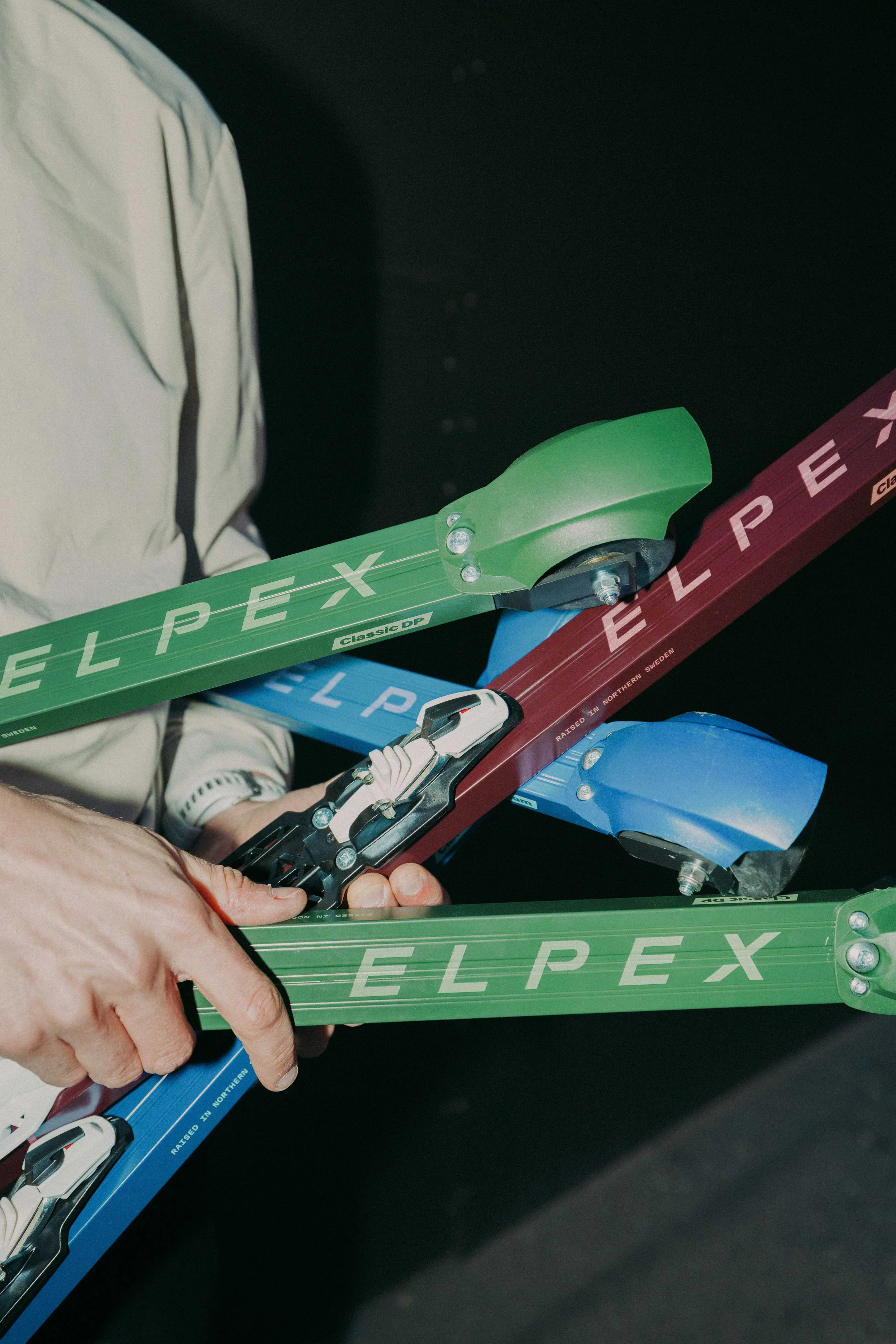
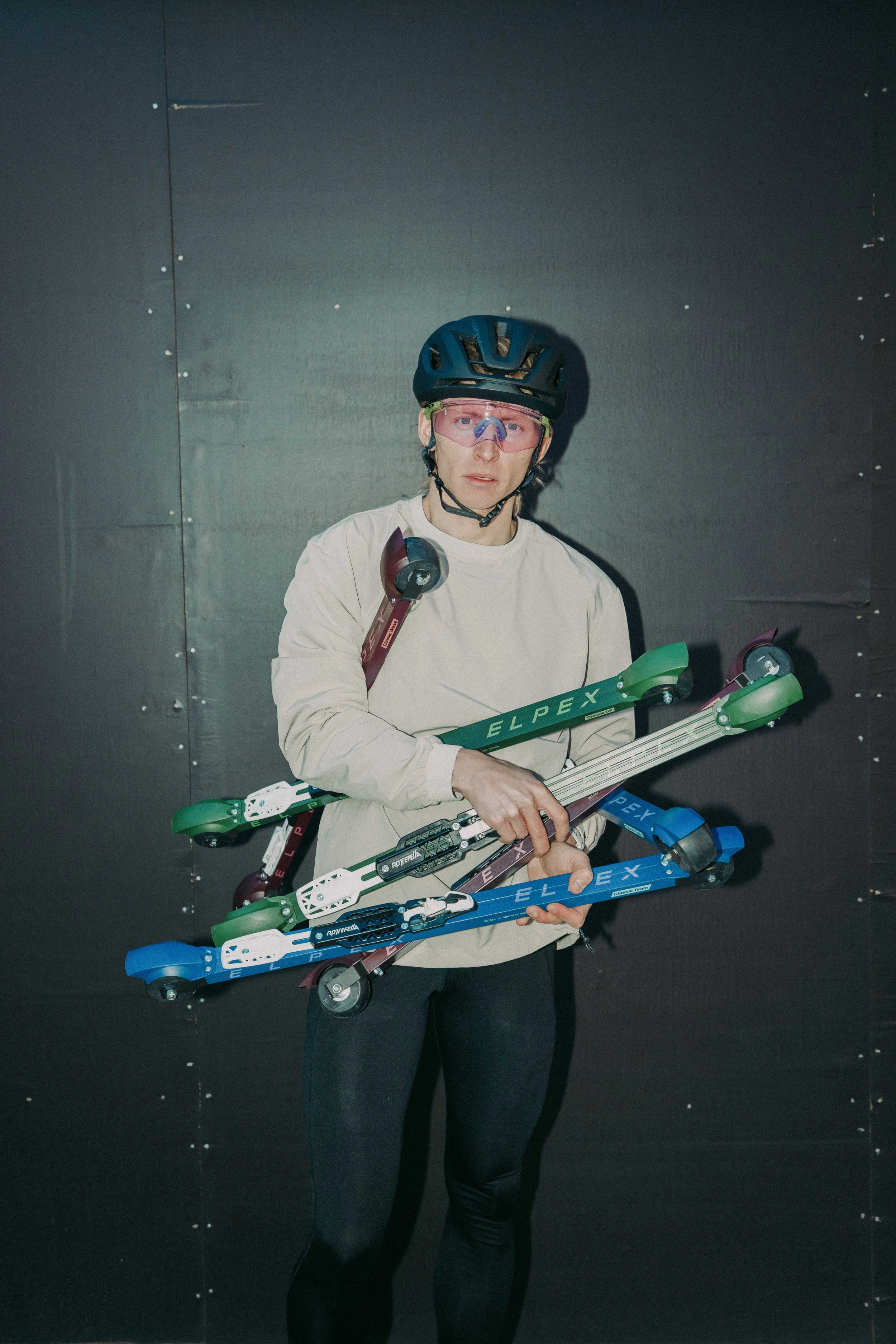
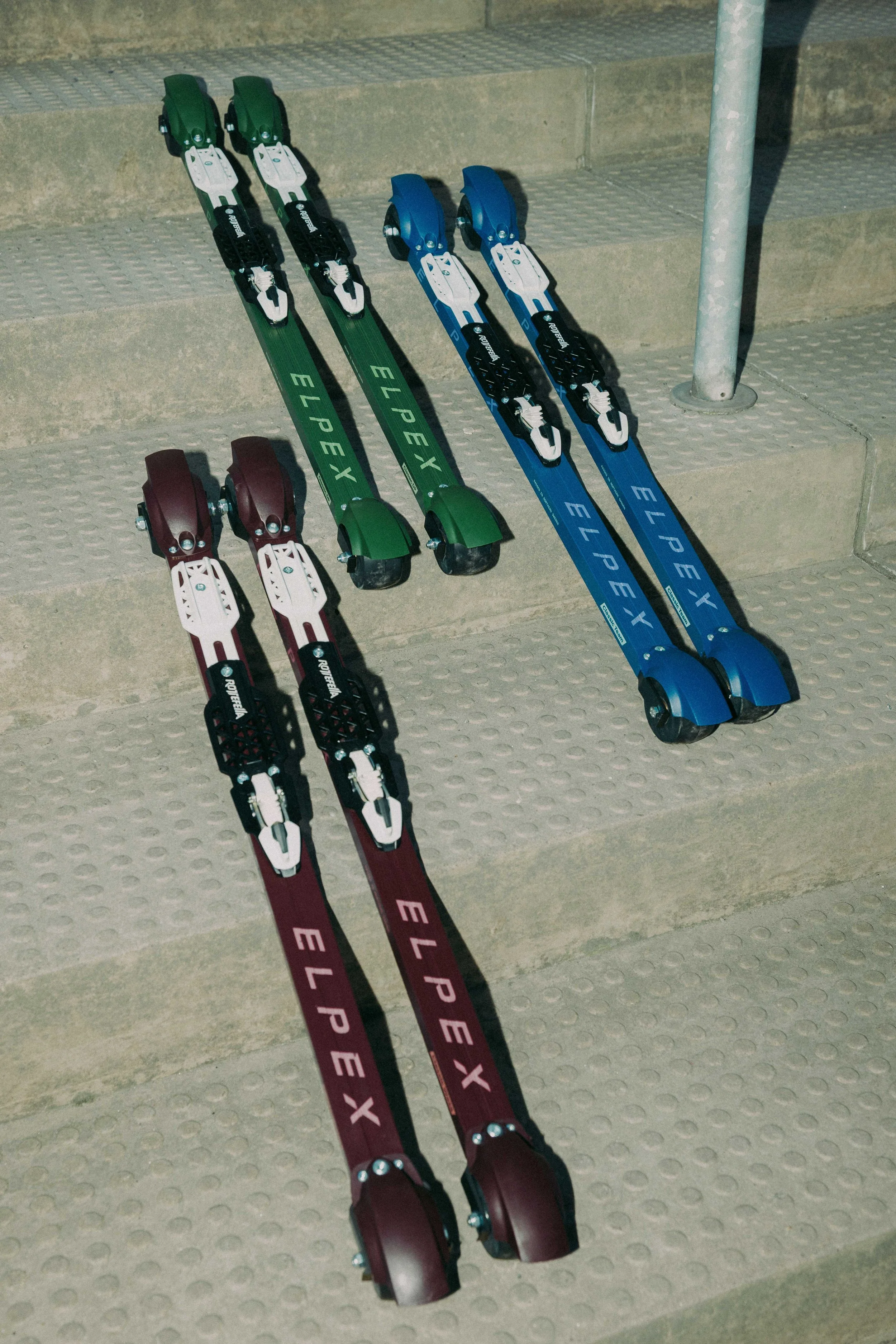
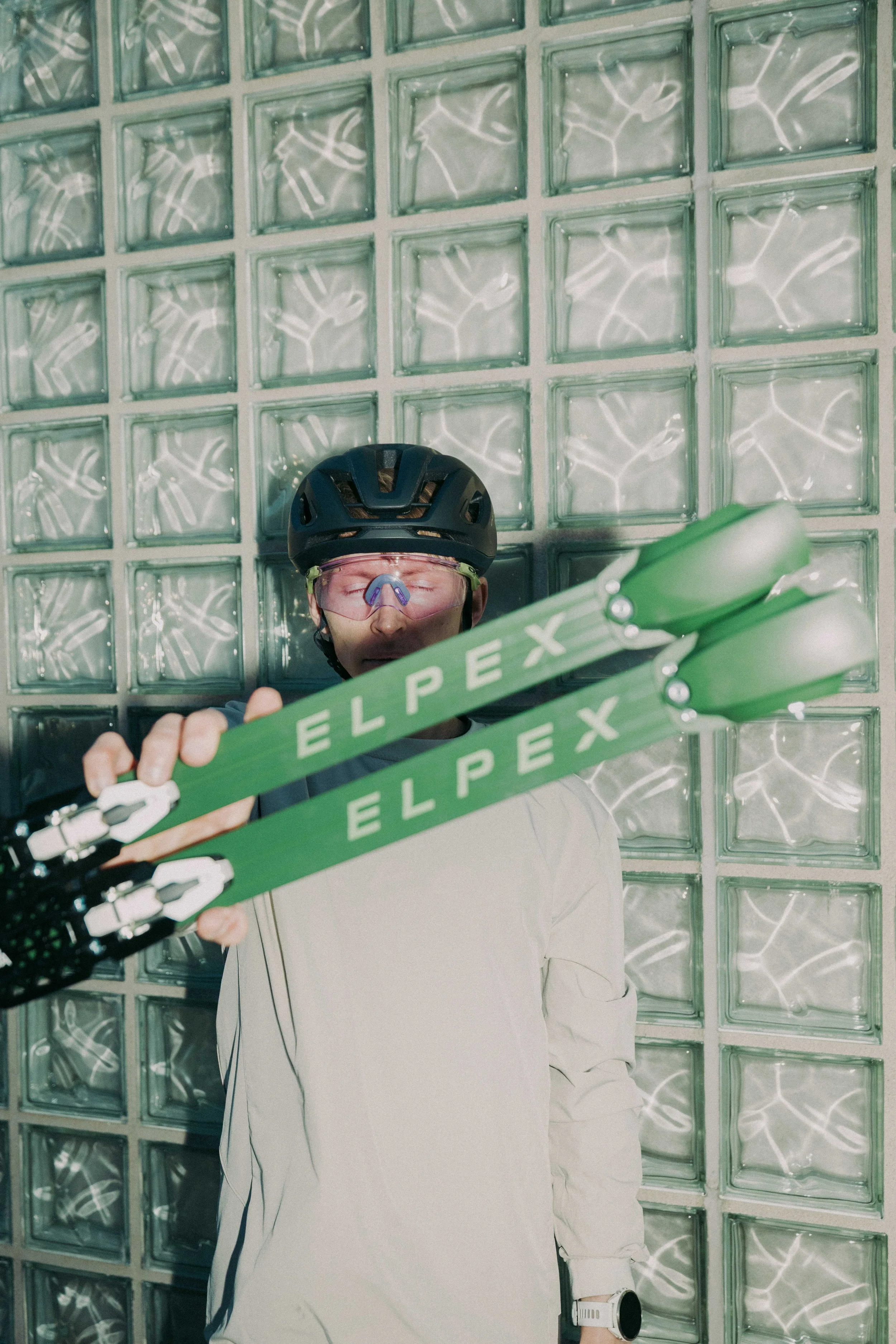
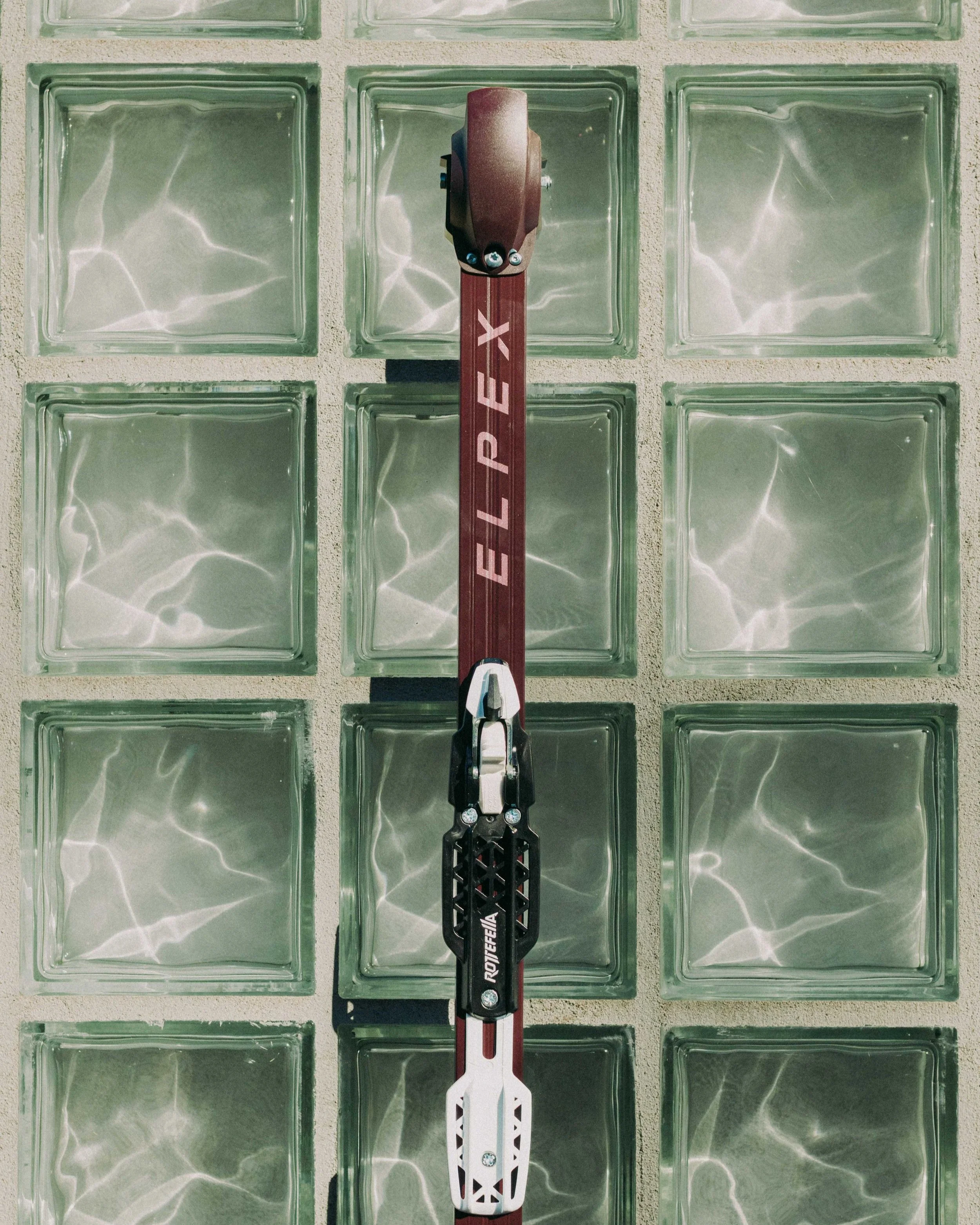
I got my first roller skis—Elpex Vasa—over 20 years ago, a gift from my dad when I was about 11. The current models are essentially evolutions of that original design. For instance, our Vasa model for recreational skiers comes with wider 50mm wheels for better stability, while our Team model—with slimmer wheels—is aimed at elite and junior athletes. Our Skate model has remained largely unchanged for at least 15 years. We’ve streamlined our product range by phasing out composite models in favor of our tried-and-tested aluminum designs. For 2025, we’ve optimized the design further, making them sleek enough to hang on a wall in your living room—true premium gear that’s also cool to ride.
We have an off-road model too that’s been a hidden gem in our range. I used it in my competitive days, and this summer I put it to the test on some of Sweden's gravel roads—of which there are thousands of kilometers. With its higher 130mm wheels, it handles both illuminated tracks and rough, unpaved surfaces superbly. I truly believe this model can inspire more people to take up roller skiing as a way to explore new terrains and connect with nature.
What do you see as the future for cross-country skiing and summer training in Sweden?
I love cross-country skiing—it’s the best sport in the world. The interest is still sky-high, with events like Vasaloppet drawing tens of thousands of participants, including many first-timers. However, with our winters changing, equipment like roller skis are becoming even more crucial for maintaining proper training. There’s a growing need for accessible, flat roller ski tracks designed for everyday users, not just for elite athletes. If we can build these, I believe we’ll see even greater participation among both competitive skiers and the general public.
The sport is evolving, and summer training on roller skis is becoming a cornerstone of that evolution. It’s not just about preparing for the next race—it’s about keeping the spirit of endurance alive, no matter what the season.
For more info on Elpex, check out www.elpex.se
SHARE
OTHER STORIES
-
born to endure
CULTURE
-
from the track to freedom
INTERVIEW
-
The first step
CULTURE
-
A Nordmarka Classic
CULTURE
-
The Art of Fast Skis
INTERVIEW
-

Nattvasan
CULTURE