
From the Sea to the Desert’s Edge
Words by Markus Rössel
Photos by Truls Hellekant
The Speed Project began in 2013—a quiet rebellion on foot, a challenge to the very notion of racing. No rules to bind you, no spectators to cheer and no traditional finish-line fanfare. Just an open road, a relentless test of will and a crew daring enough to chart their own course.
I
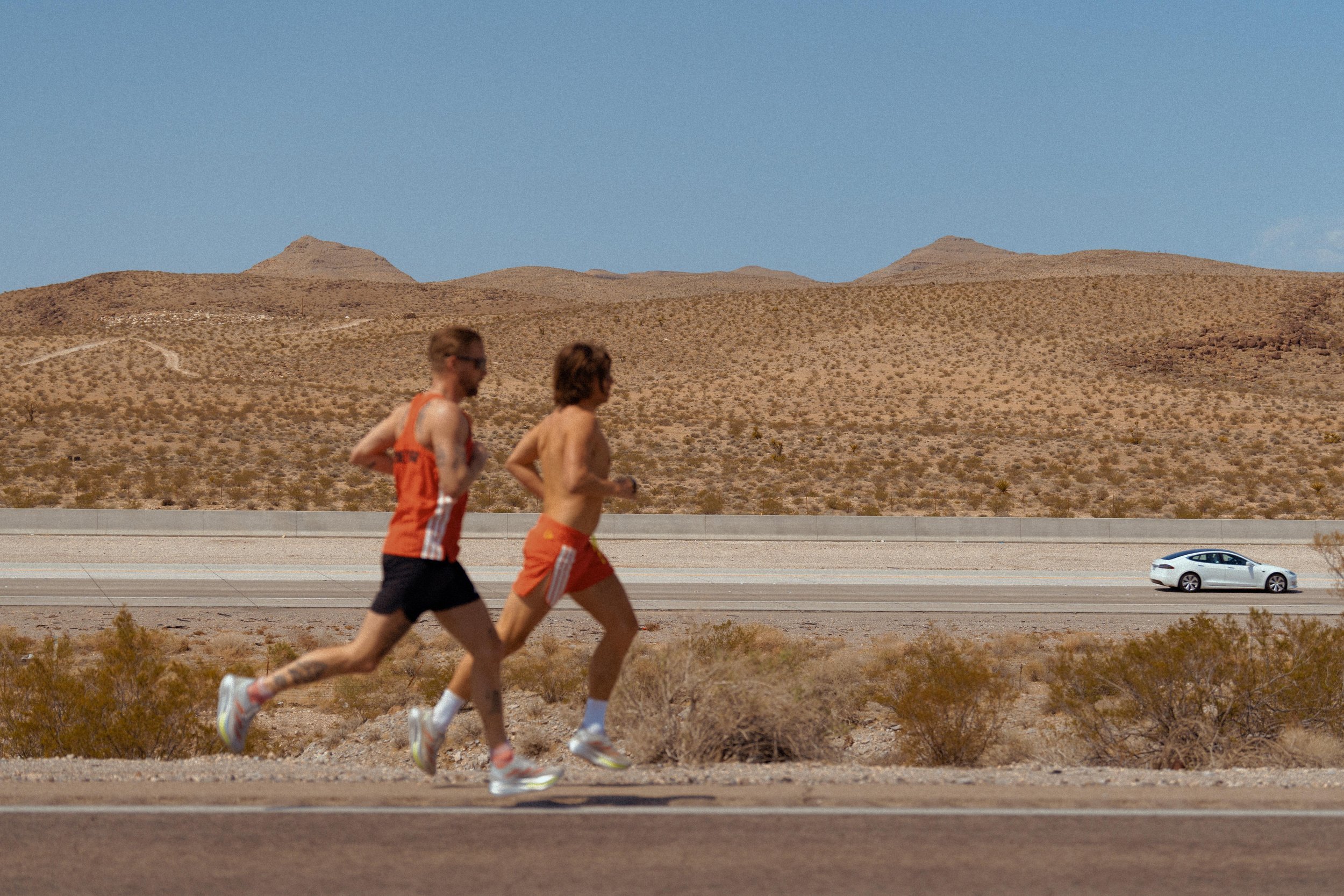
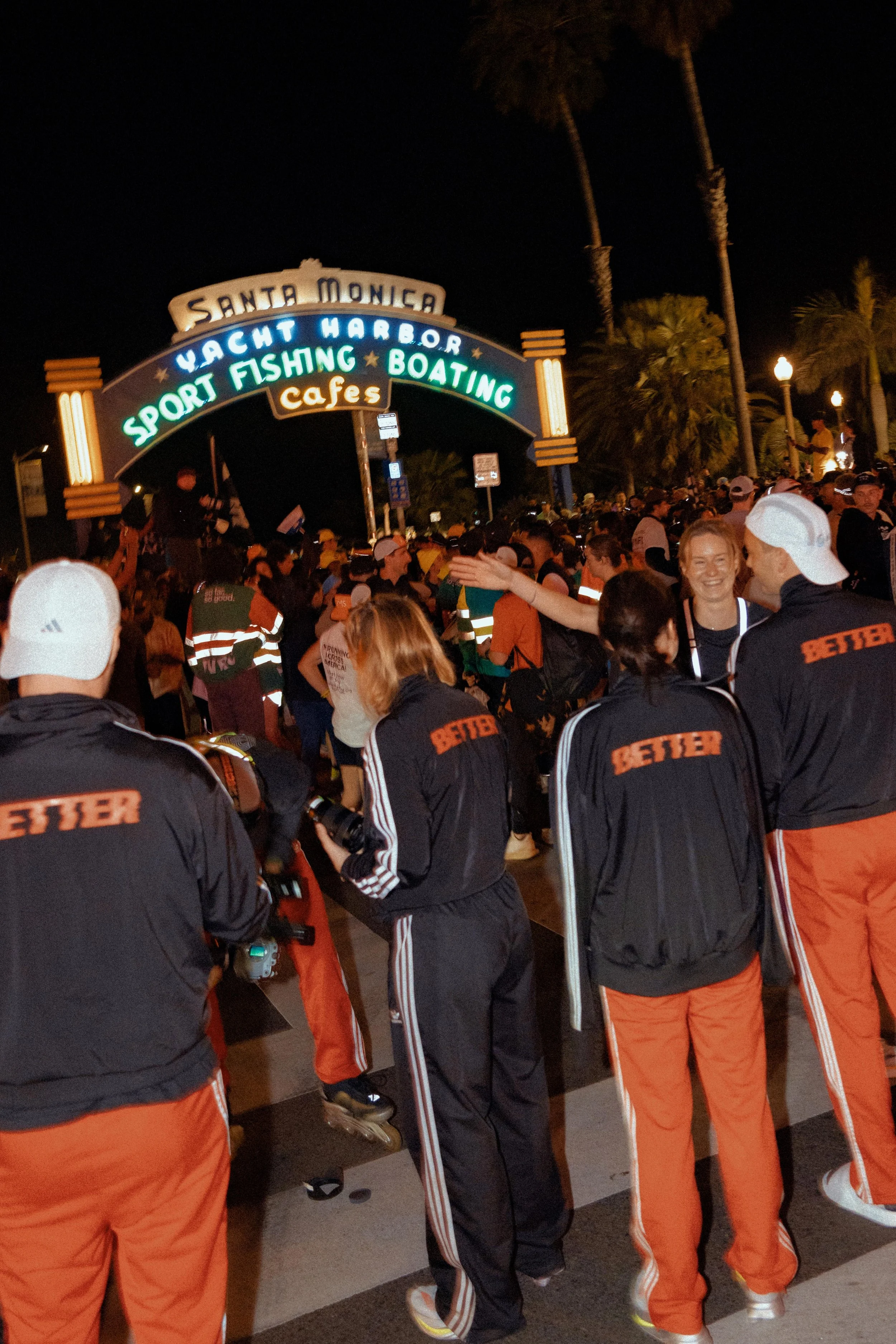
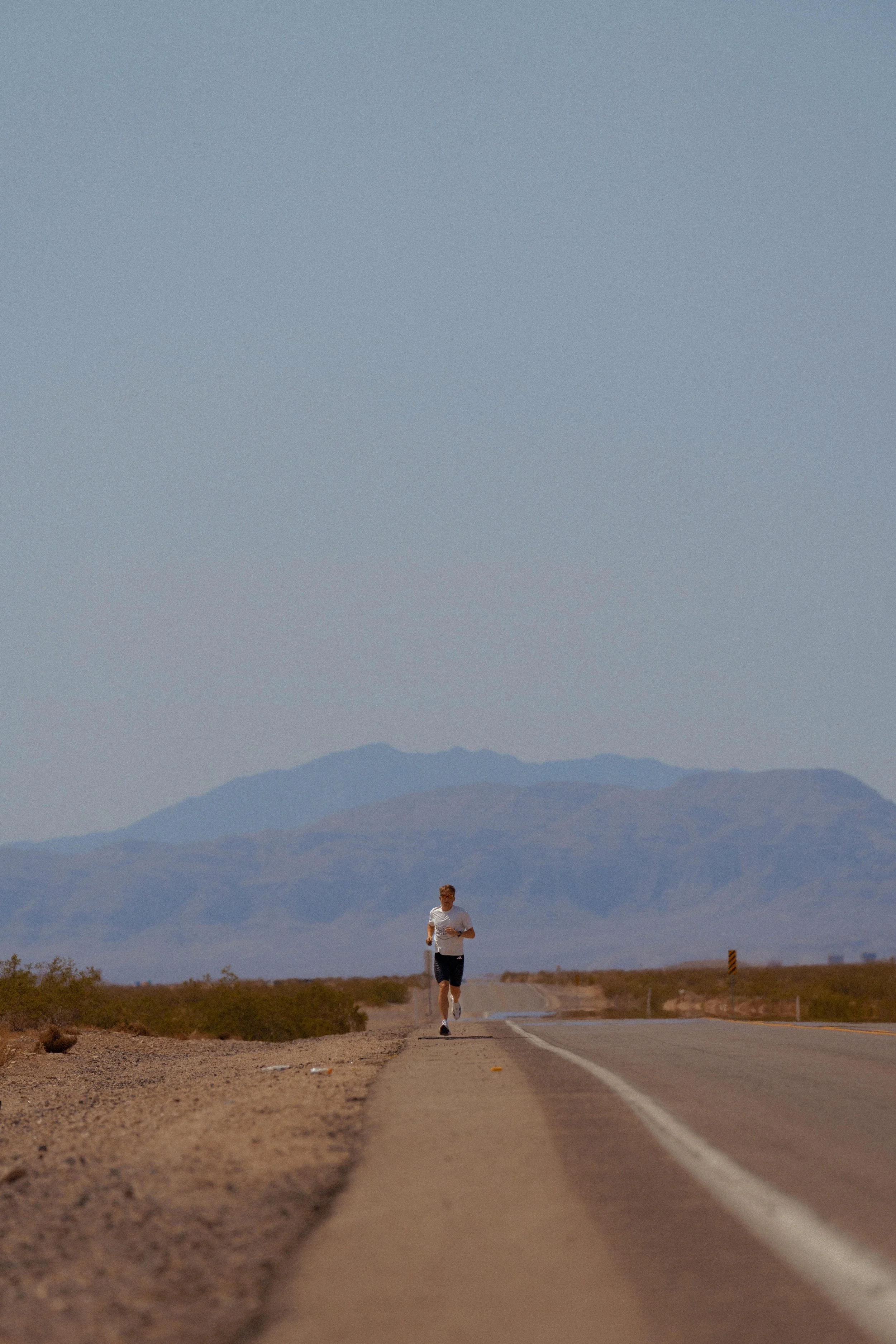
It began where the Pacific meets the pavement- at the iconic Santa Monica Pier - and from that moment, the journey carved its own legend. 340 miles of unrelenting desert, searing doubt, and the kind of delirium that only arises when you’re pushing the human body and spirit past its limits.
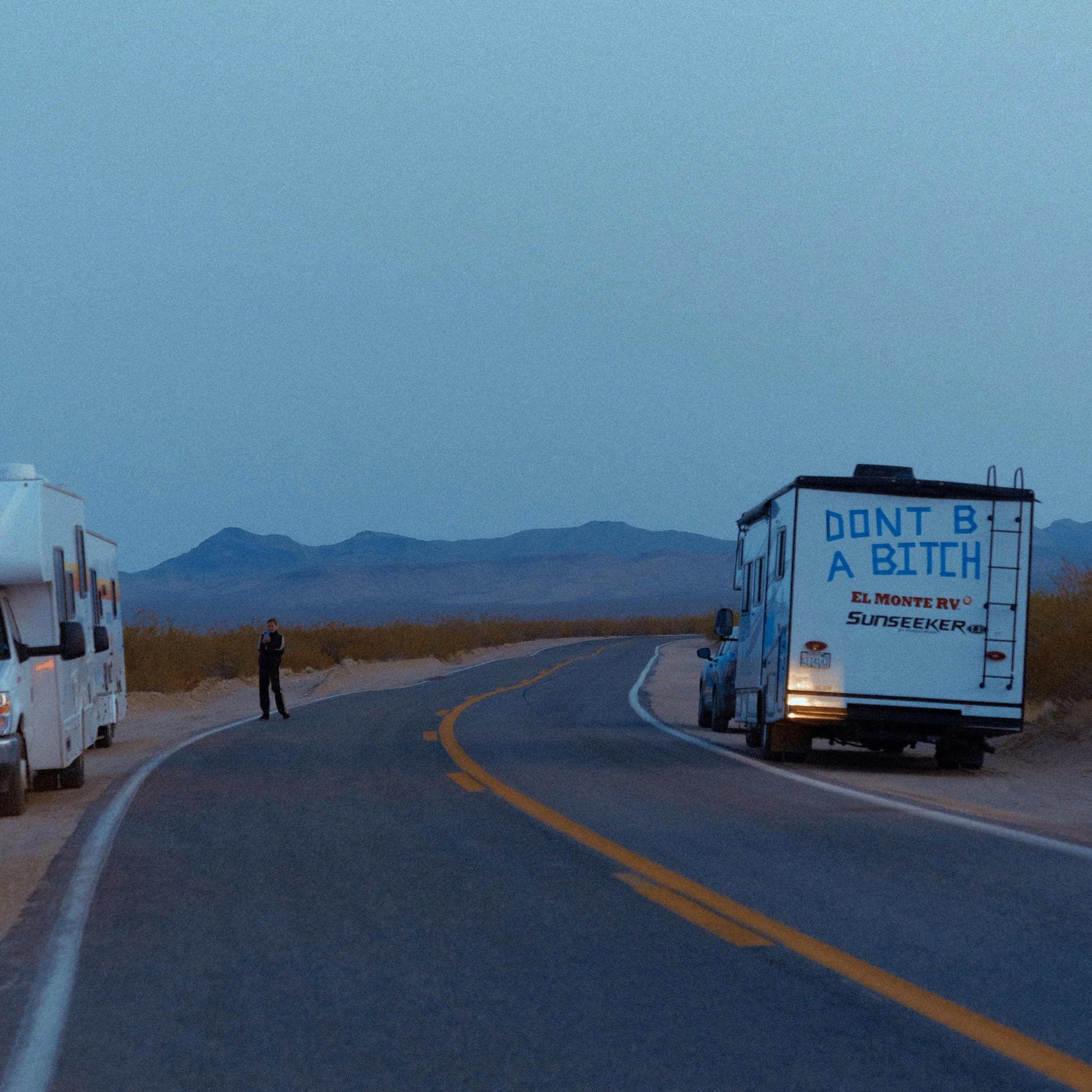
Every mile was a battle with elements, every stretch of road a new test of endurance. From the quiet isolation of the desert to the electric chaos of Las Vegas, the course demanded everything. It wasn’t just about the miles. It was about surviving the soul-crushing vastness, the unforgiving heat, and the relentless push forward - no matter the cost.
Dreamed up by Nils Arend and Blue Benadum, this wasn’t a race. It was a dare. No bibs, just six runners chasing the edge of human endurance. It was raw. Real. Unstoppable.
II
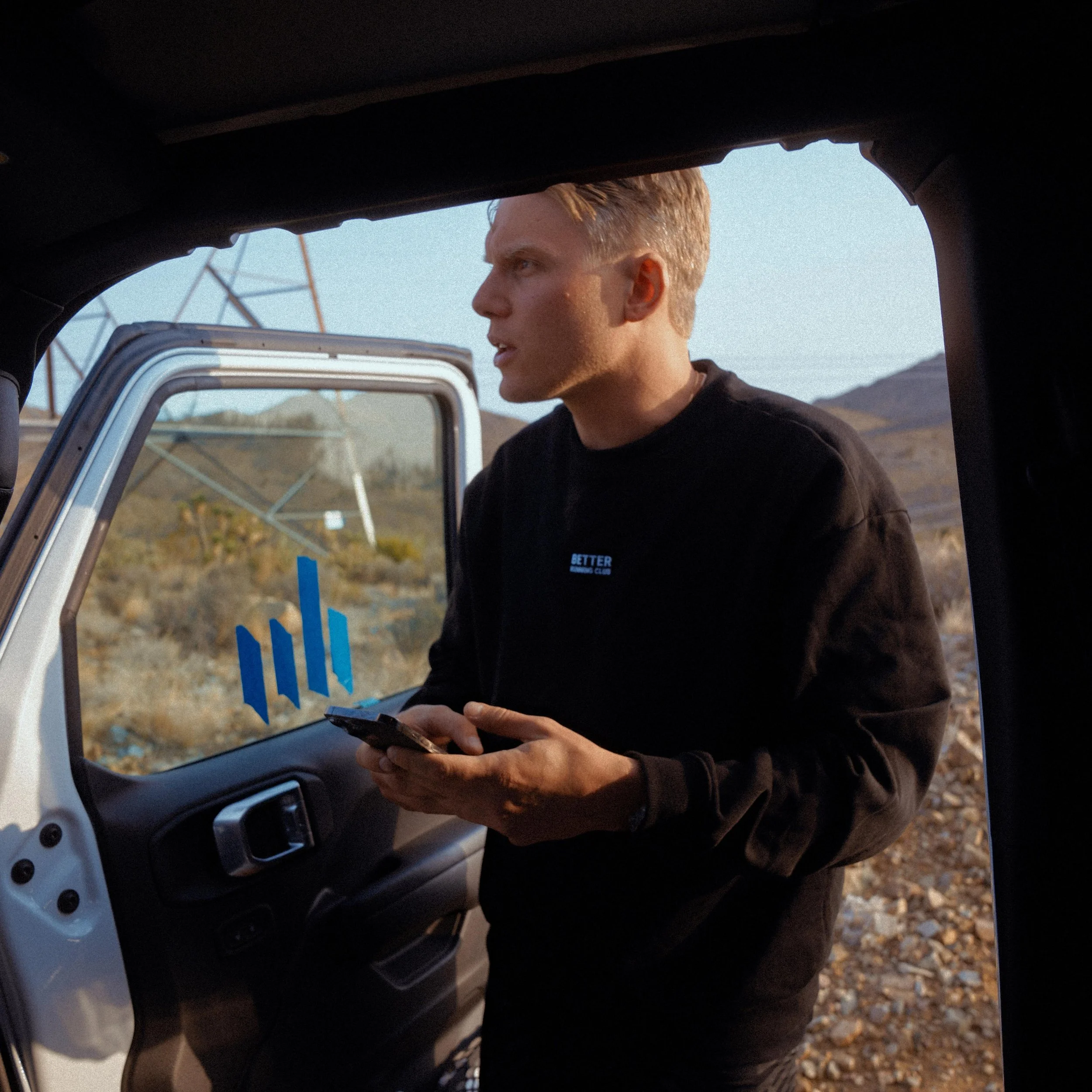
That fire didn’t stay in California. It leapt oceans - and eventually caught Stockholm. Runner Marcus Hallbäck heard whispers of this odyssey and didn’t want to watch from the sidelines. He wanted in. Not by invitation. By effort.
With his Stockholm-based BETTER crew, Marcus sparked two massive relay missions: a 450-kilometer winter relay fundraiser, and a 500-kilometer coast-to-coast push across Sweden - from Stockholm to Gothenburg. They ran through silence, wind and wear. Every stride said the same thing: We’re not dreaming this. We’re earning it.
And they did. BETTER got the nod. An invite-only crucible meant for those ready to carry themselves across scorching valleys, silent highways, and roads that don’t care who you are.
They built their OG team carefully - three women, three men, handpicked not just for speed but for spirit. The ones who show up, plan, execute and commit.
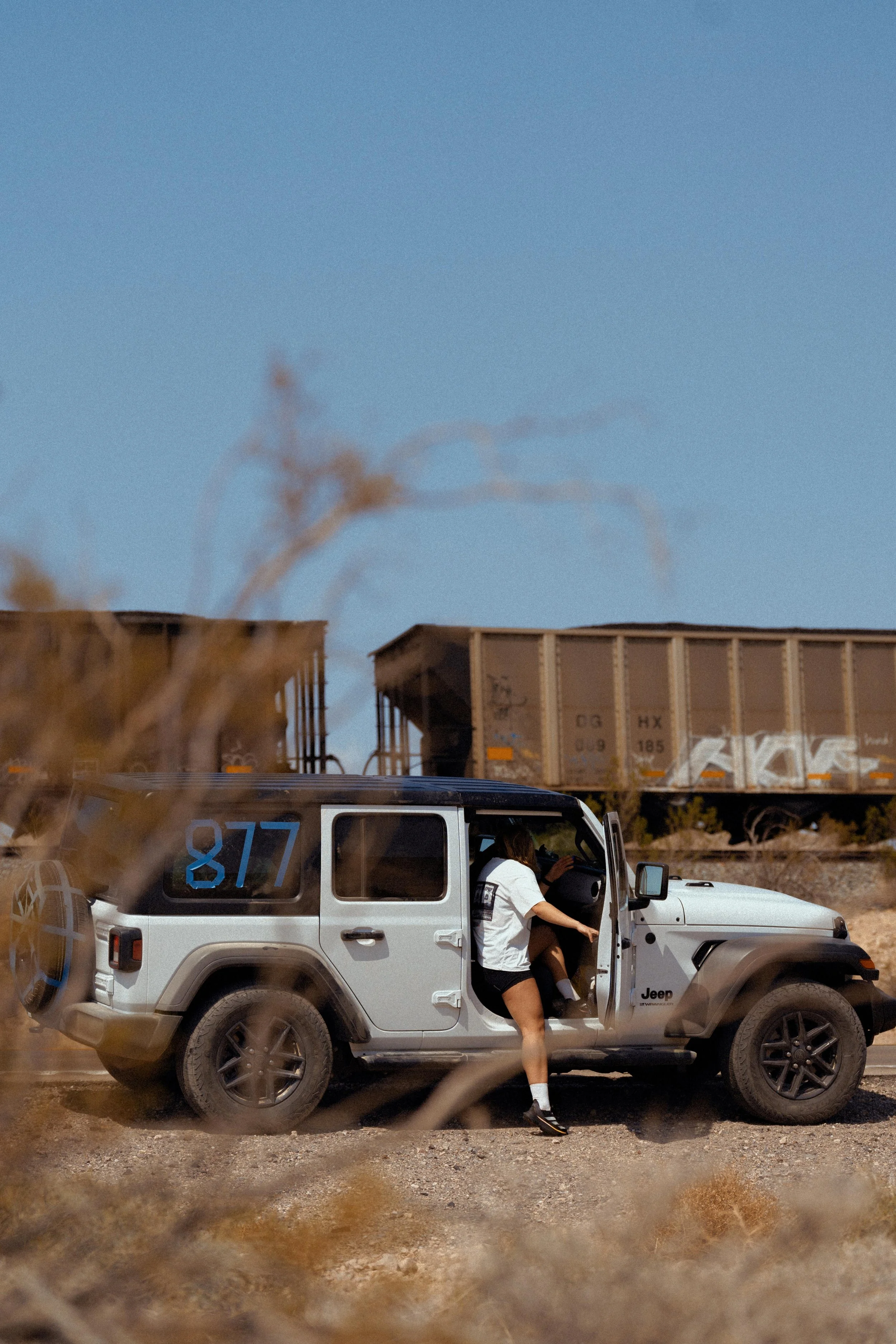
They came ready. Obsessive route planning. Google Maps deep dives. Precision schedules. Two support vehicles stacked with supplies and stubborn optimism. When they hit the U.S. West Coast, they were locked in.
III
The course gives you a choice: the longer paved path or the infamous Powerline - shorter, yes, but a punishing off-road monster. They gambled on Powerline.
“The terrain was savage—steep, soft, unforgiving,” Marcus recalls. “If we hadn’t chosen the right jeeps, we’d have been stuck over and over.”
Other crews operated also like clockwork, rotating every 800 meters with bikes and multiple support vans. BETTER’s rhythm was more human. “We started with 8–10K legs,” says Marcus. “But once we hit Powerline, it was 10–15 minutes per runner. Like running in sand.”
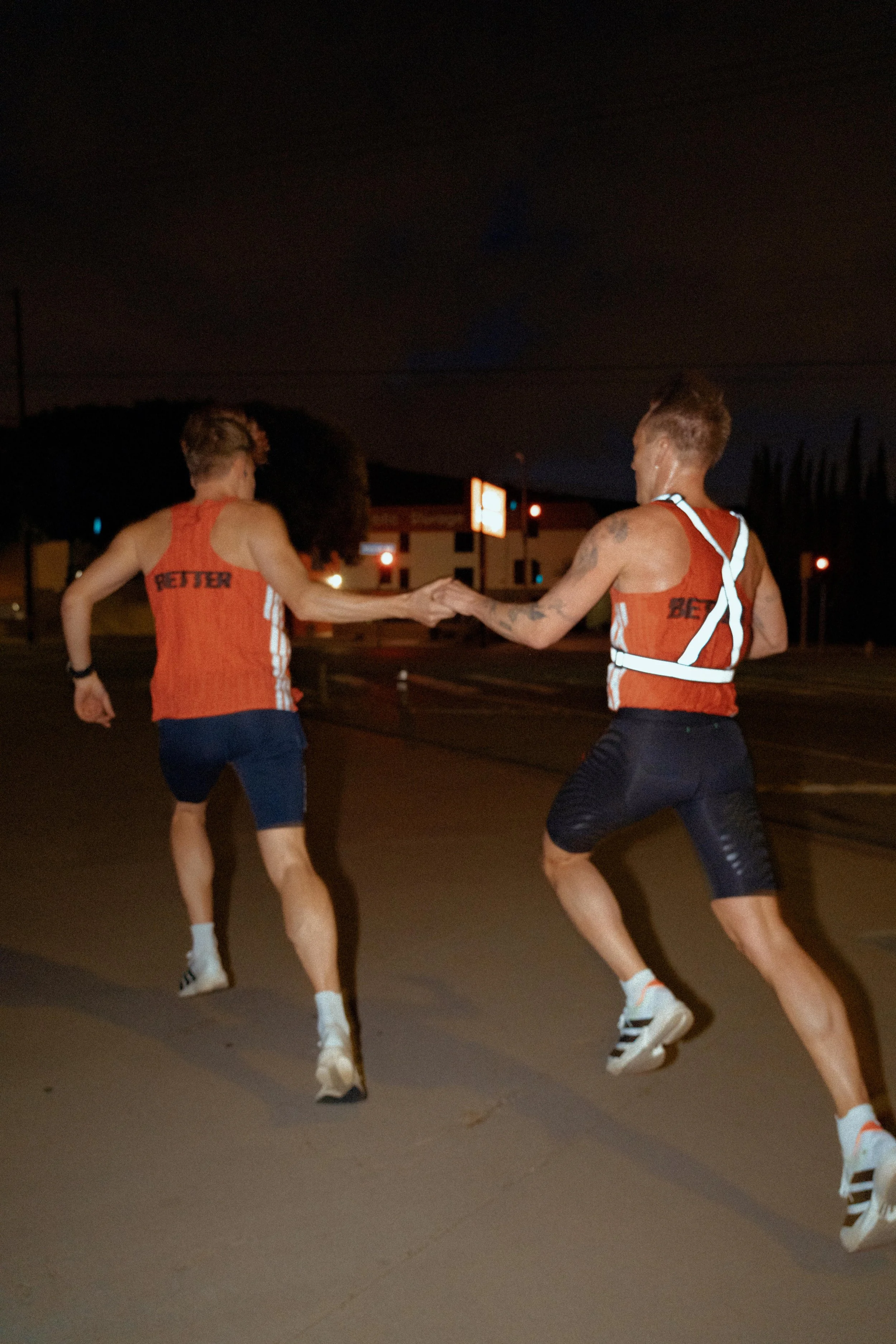
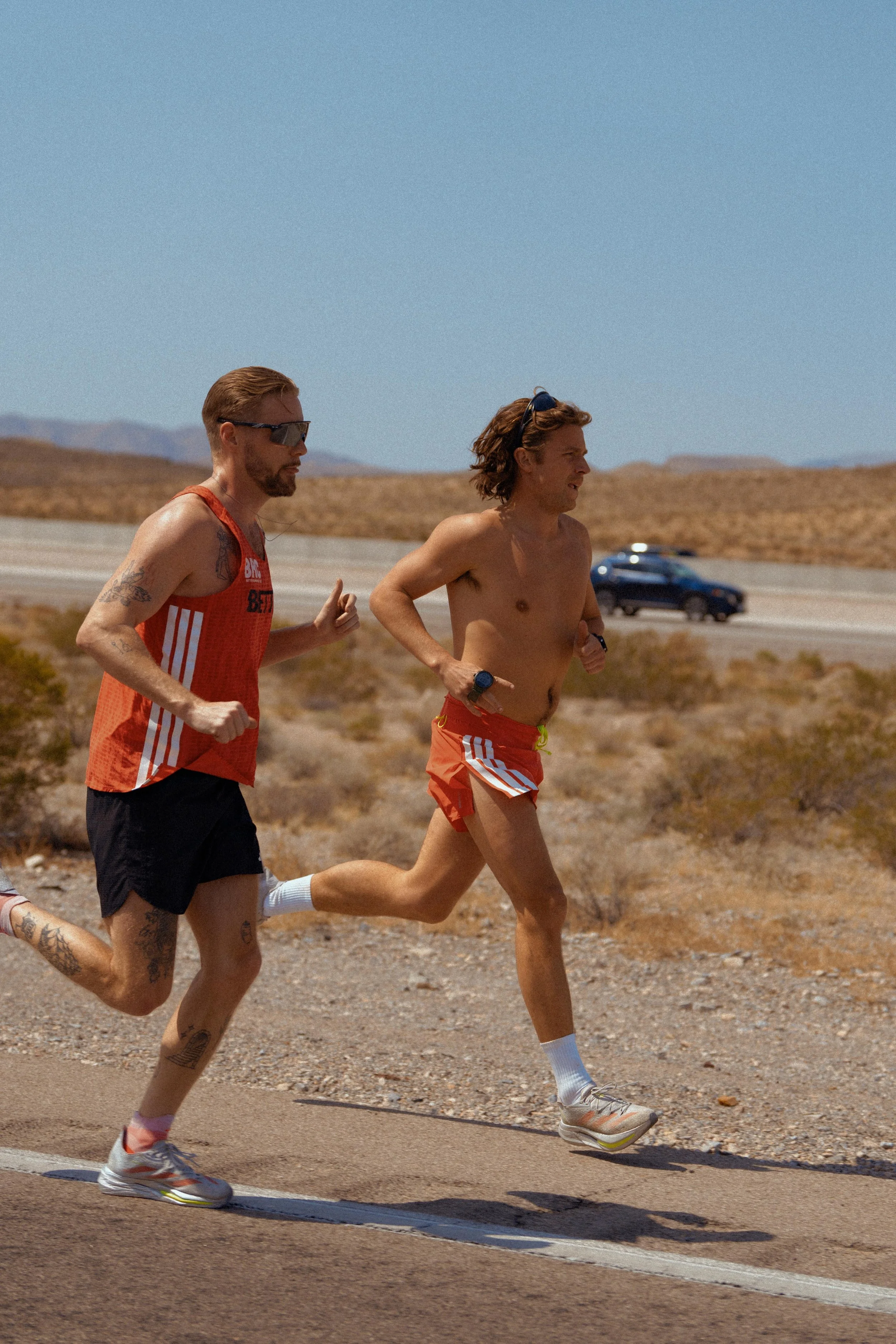
They adapted with unrelenting speed, switching to pairs, seamlessly tagging in and out to conserve energy, save precious time, and stay razor-sharp. Every move was deliberate, a calculated effort to outlast the unrelenting terrain.
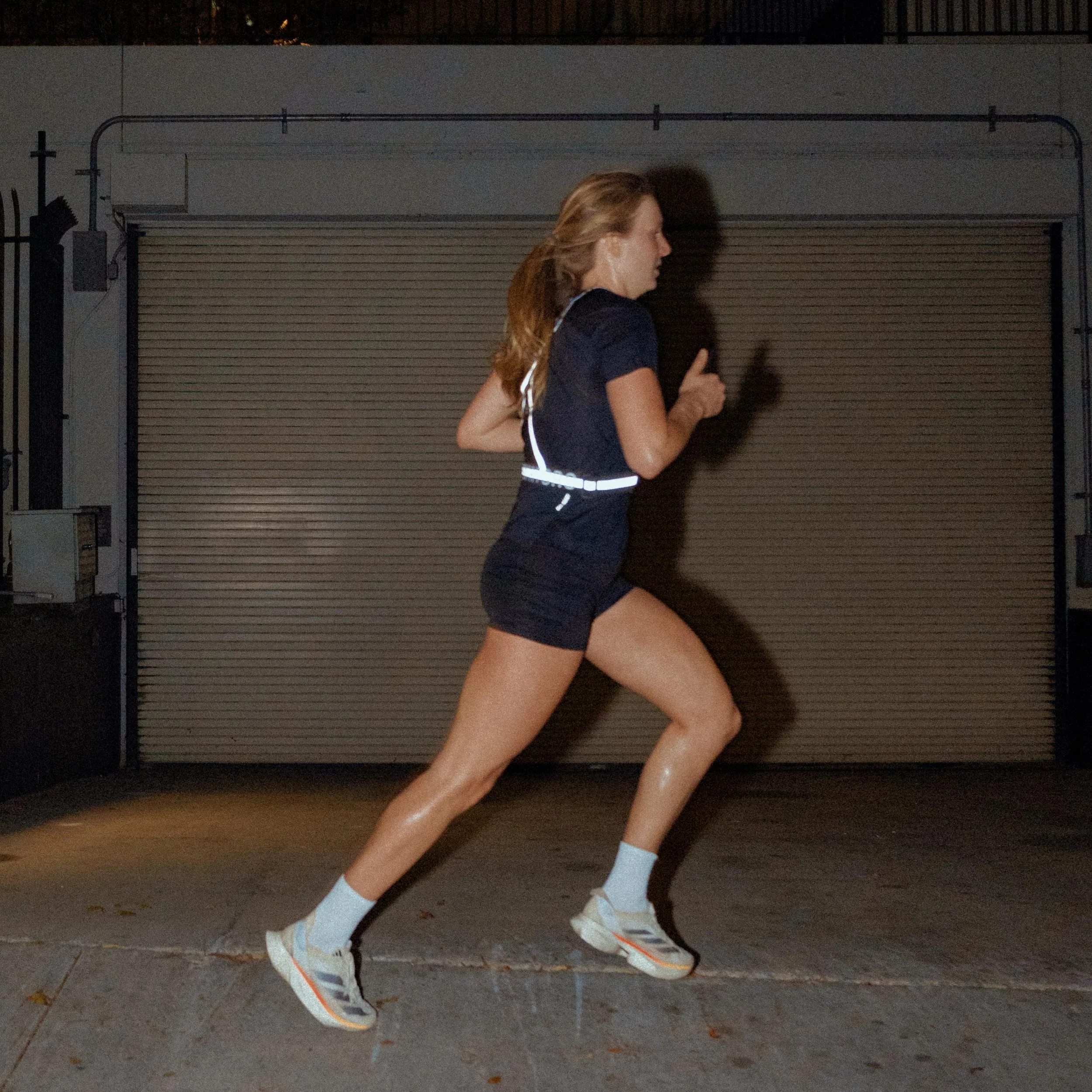
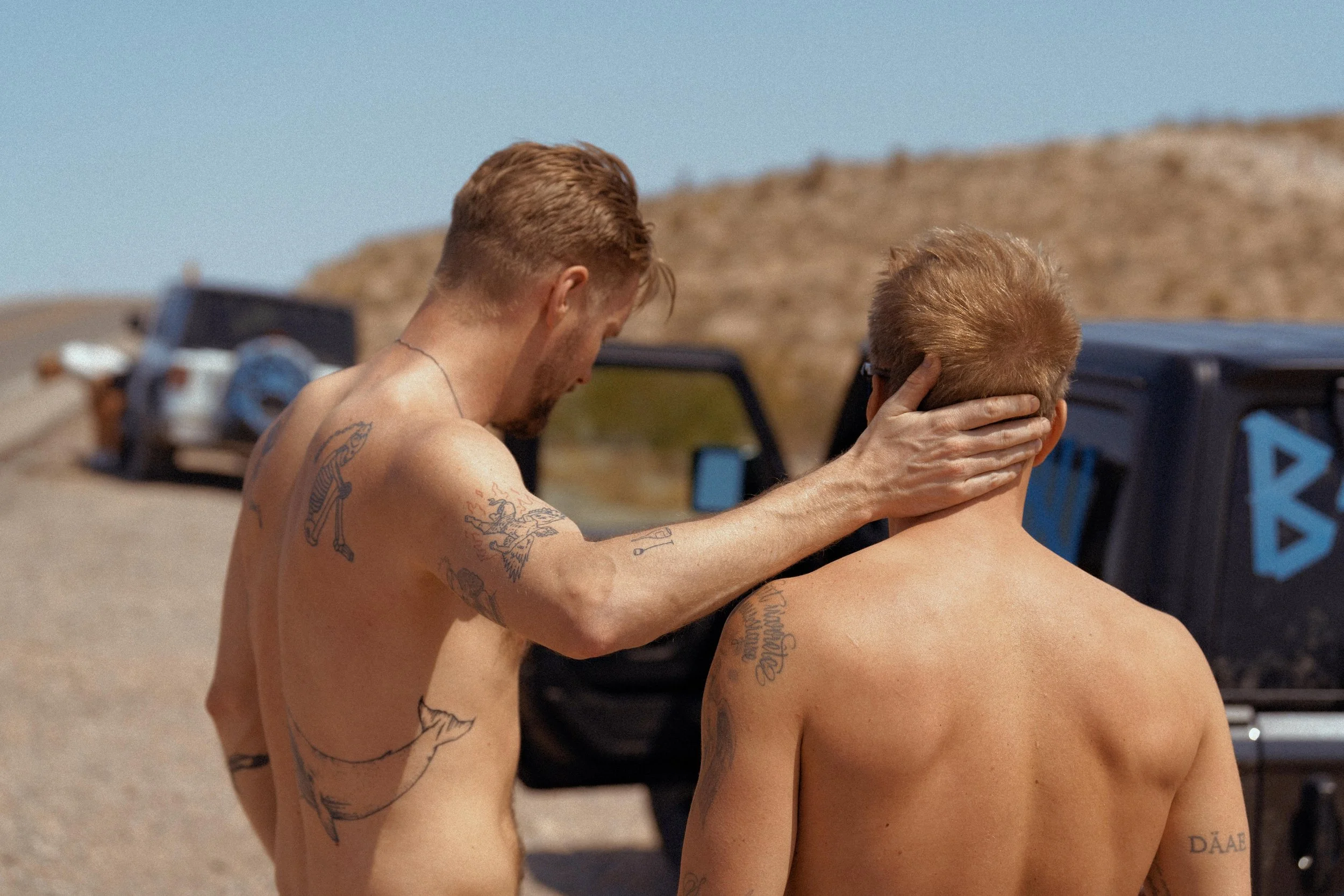
Strategy was their weapon, and they wielded it with precision. From the start, they set the tempo, loading the early miles onto the women - pushing the distance during daylight, when the heat was unforgiving and the roads endless. As the sun dipped, the men took over, facing the lonely darkness and the even harsher terrain. The night hours were savage, and the Powerline was a whole different beast.
IV
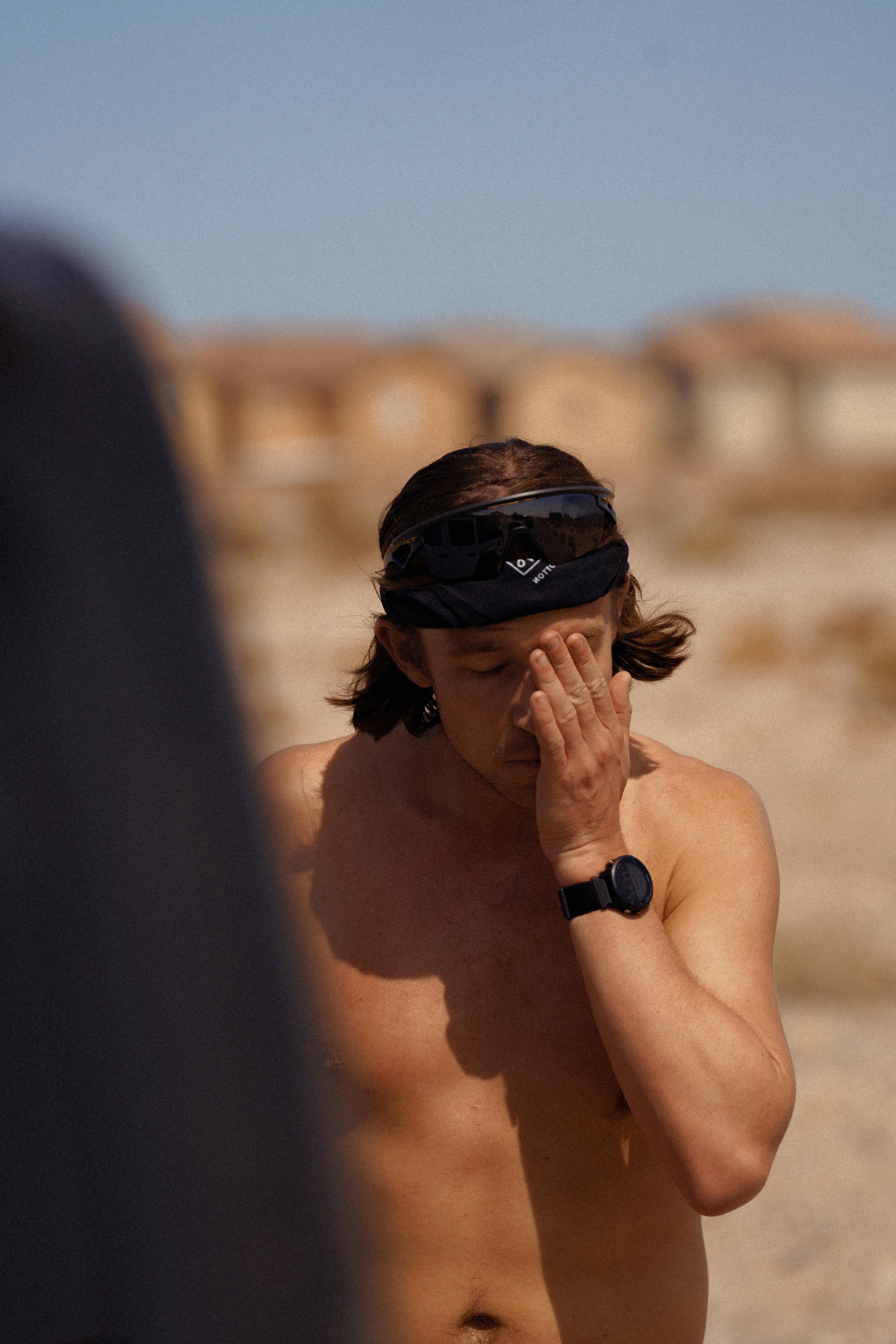
But through it all, their planning held firm. They knew they had to play the long game, preserving their strength for the hardest stretches and fighting through the physical and mental walls that came with every step. This wasn’t just about running—it was about mastering the terrain, the clock, and the human spirit.
“Through the first parts we ran through this small desert town - no fences, just dust and dogs,” Marcus says. Terese, one of the runners, was suddenly chased by a pack of 10 or 12 massive dogs. “It was terrifying. Luckily they didn’t catch her, but it shook her up bad.”
Then, after nearly 30 hours of movement, the setbacks started to pile up. A flat tire crippled one of their chase cars. The crew was split between vehicles - one running ahead, one resting - and it took nearly an hour to regroup. “The road was so bad, running was faster than driving,” Marcus says with a laugh - now.
Things didn’t let up. Rebecca, already 80K deep, took a wrong turn onto a parallel route and ended up running an extra 22 kilometers. Alone. No aid. “She didn’t break,” Marcus says. “Just kept moving. She was unshakable.”
The final push blurred into survival. Exhausted, battered, and burned out, they finally hit smooth asphalt with 50 kilometers to go. Las Vegas Boulevard loomed—a ridiculous, perfect ending.
“At that point, it wasn’t about pace. It was about grit,” says Marcus. “We were spent. But we finished.”
“It was worth it. Every damn step. Harder than we ever imagined. The Powerline isn’t just tough - it’s a monster. It chews you up, mentally and physically. But we had the right people, the right mindset, and we faced it head-on. We broke down, we adapted, and we kept going. Every setback taught us something. Every mile shaped us. We didn’t just survive it—we evolved through it.”
The Speed Project wasn’t just a race. It was a proving ground - for endurance, for trust, for resilience. The Stockholm crew didn’t just survive it. They wrote their name in the dust and didn’t look back.
Now, as their documentary nears release, the Stockholm crew is telling the full story - not just of pain endured, but of purpose found. It’s more than a race recap; it’s a testament to grit, trust, and the kind of bond only forged through sleepless nights, brutal miles, and absolute belief in one another.
A tribute to chaos conquered, limits shattered, and a group of friends that didn’t just run the road—they became it.
Check out the full documentary from The Speed Project and The Better Running crew here
SHARE
OTHER STORIES
-
born to endure
CULTURE
-
from the track to freedom
INTERVIEW
-
The first step
CULTURE
-
A Nordmarka Classic
CULTURE
-
The Art of Fast Skis
INTERVIEW
-

Nattvasan
CULTURE