
from frontline
to finish line
Jacob Zocherman is a celebrated and award-winning Swedish photojournalist—a photographer whose journey spans conflict zones, humanitarian crises, and the relentless world of endurance running.
Words by Henrik Rostrup
Photos by Jacob Zocherman
Jacob was one of the first photographers on the ground in Haiti after the 2010 earthquake, and has since documented conflicts across the world. Since 2017, he’s also embraced the running world with assignments for media and race organizers, with his work published in outlets like The New York Times, The Guardian, BBC, L'Equipe, Le Monde, Der Spiegel, and CNN.
In this in-depth interview, he explains how his work has shaped him both as an artist and as a human being. He discovered running as a way to process the hardships he’d experienced and eventually began photographing ultra runners. He lives to capture human moments that truly touch.
I
Before we dive into the deep end, can you tell us where you are right now and what you’re up to?
I’m currently in Österlen in Skåne, renovating a 200-year-old farm. It’s the low season for work—winter has slowed things down—and I’m really just waiting for spring. This isn’t just a temporary escape; it’s our retirement home where my girlfriend and I return after our travels and work abroad.
Your career has taken you from covering war zones and humanitarian crises to capturing the heart of endurance running. How did you first get into photography, and how has your relationship with it evolved over time?
I've had many discussions with fellow photographers about when you truly become a photographer. For me, it's always been tied to work—it's not just a hobby I indulge in during my spare time. I use photography as a means of expressing myself and communicating what matters to me. When I'm on assignment, I'm all in; I rarely shoot when I'm off because I'm not as interested in casual photography. It's a tool I use to shed light on the subjects I care about.
I’ve noticed that if you work with something you love purely for passion, you can lose that intensity when it becomes a job. I used to take more photos in my downtime, but eventually, those side projects would turn into work. It’s this dual relationship with photography that I have: I love being out in the field, meeting people, and experiencing life first-hand, rather than being stuck in front of a computer. The camera, for me, is just a tool—it could have been a pen or even a syringe if I were a doctor—it's what lets me do what I truly believe in.
So, whether I’m capturing the raw energy of a running race or the subtle moments in a conflict zone, I'm always balancing my passion with the demands of my work. That balance keeps me grounded and fuels my drive to keep telling real, unfiltered stories.
II
You’ve documented everything from conflict areas in war zones to multi-day endurance races. How do you balance the technical challenges with the need to capture genuine human emotion?
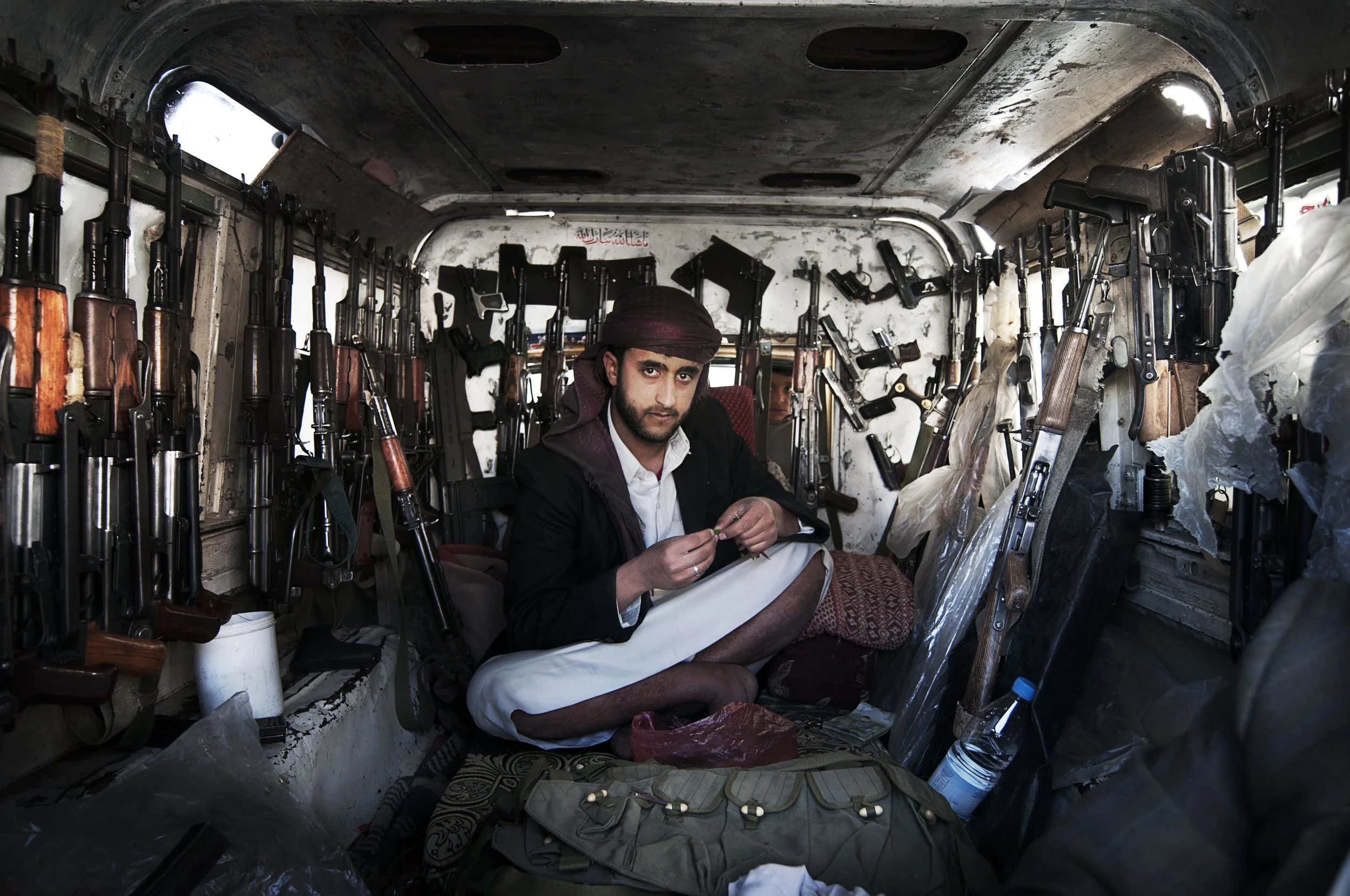
Whether I’m in a war zone or covering a long-distance running event, the key is to become part of the story.
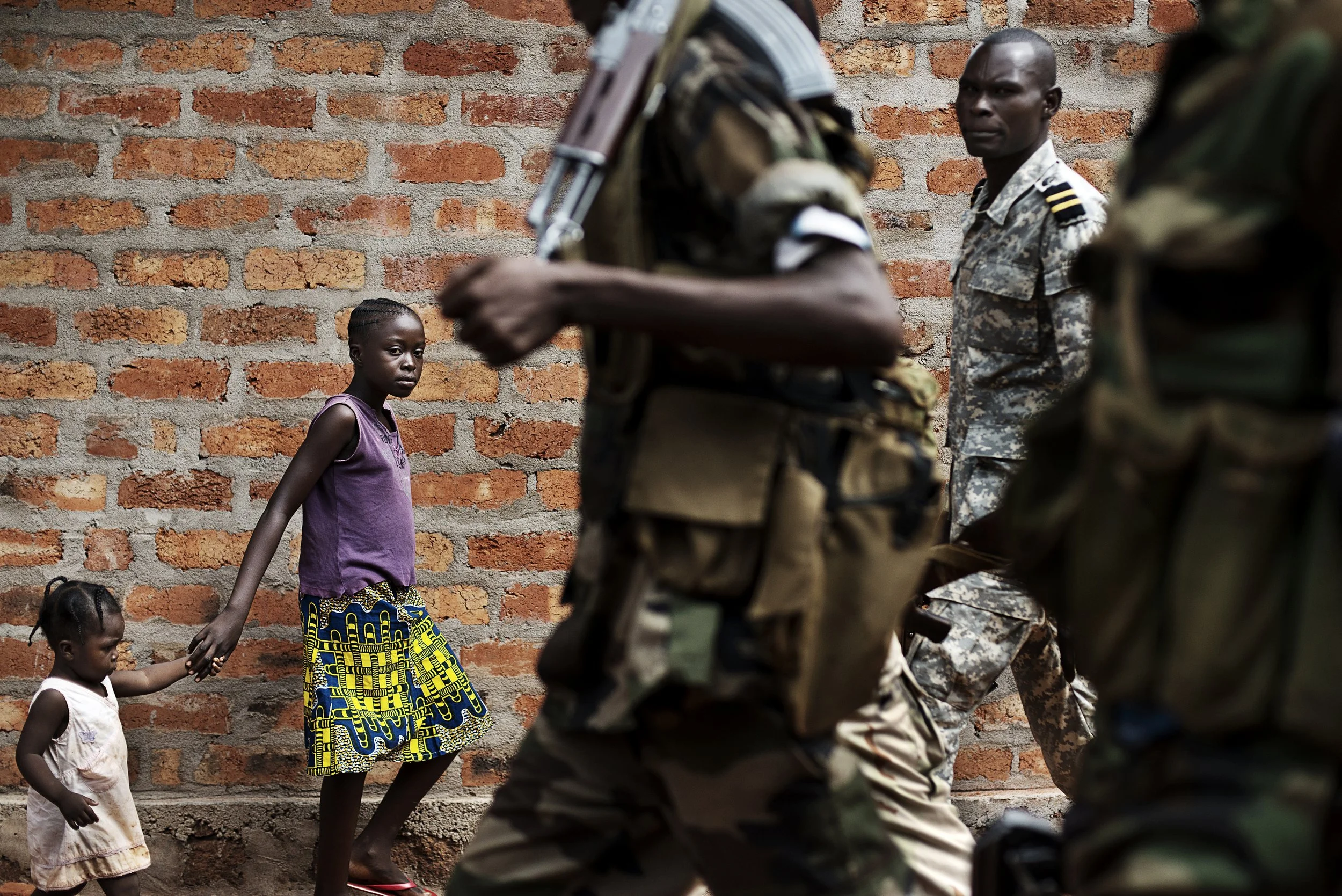
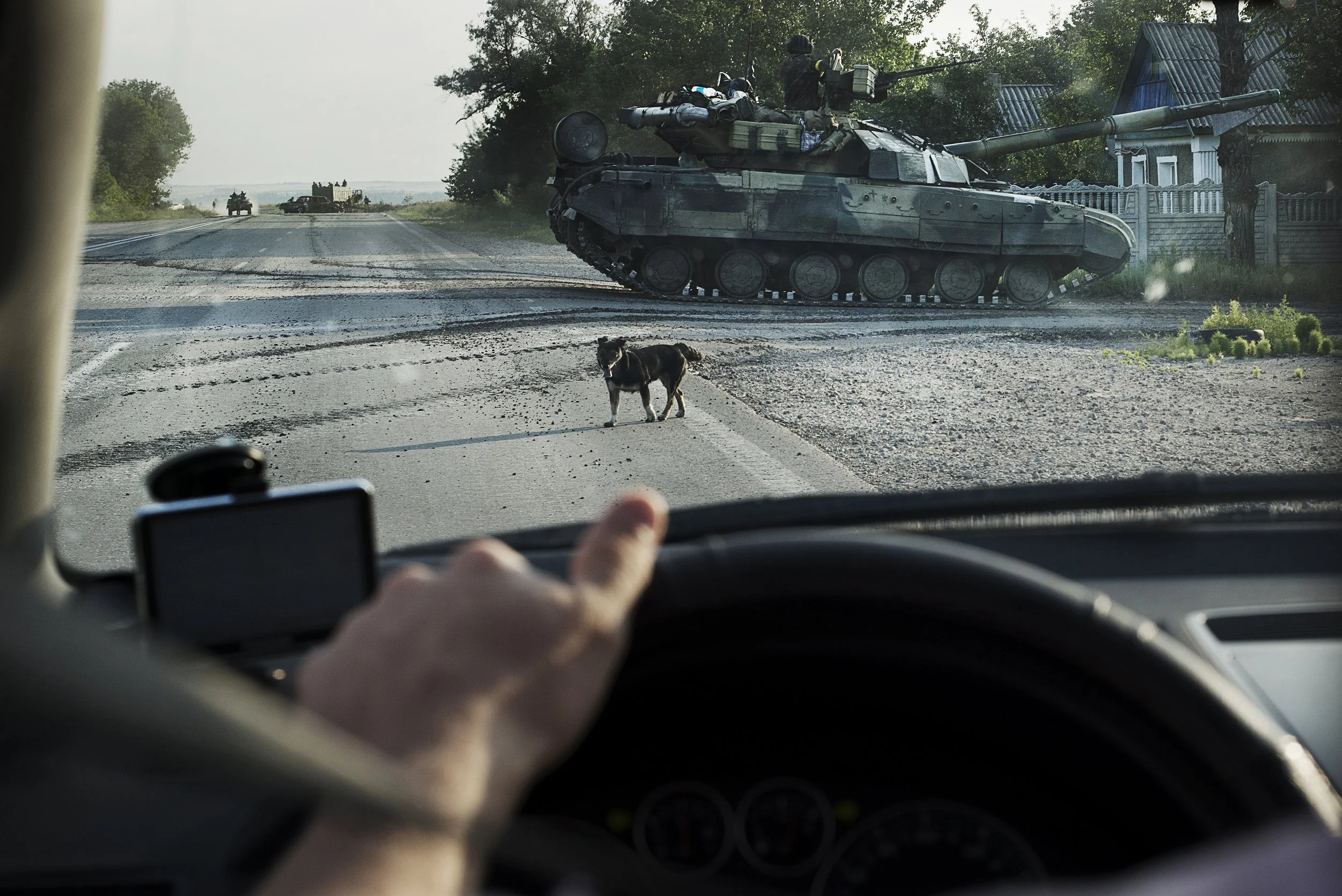
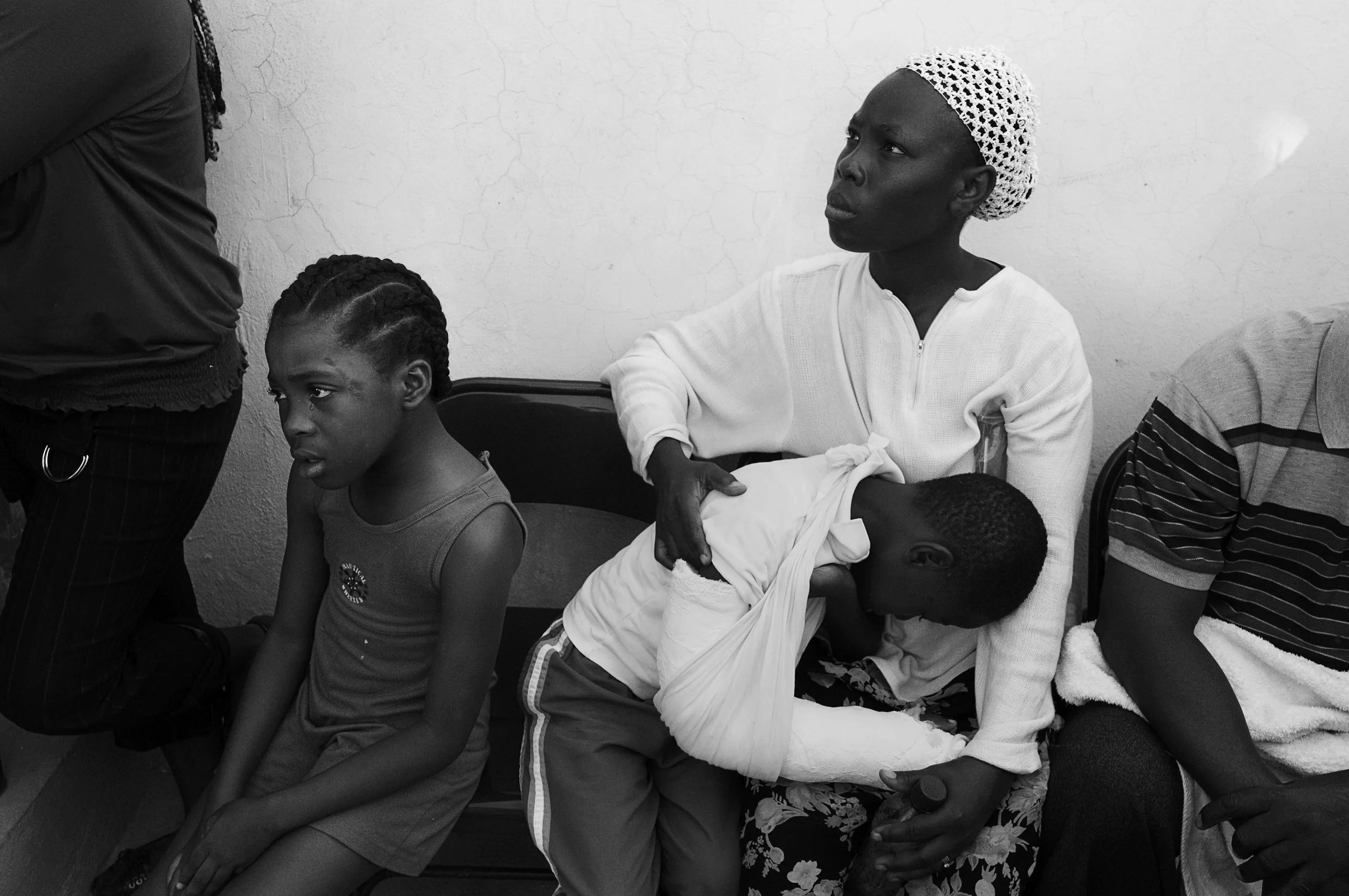
I remember one of the first experiences that truly shaped me was when a massive earthquake struck Haiti in 2010—an event that claimed 200,000 to 300,000 lives. I was working in New York at the time, having only covered smaller events in East Africa before, but when I heard what was happening in Haiti, I felt an urgent pull: if I didn’t go now, I’d never have the chance to do this work. I arrived just two days after the quake, and the scene was pure chaos—no help in sight, just a raw, unfolding disaster.
In that moment, I realized I wasn’t there solely as a photographer; I was there as a human being, too. I had to decide if I could be both—capturing images and helping with what I could. And I did just that: if I could lend a hand, I would, even if it meant splitting my focus between supporting people and taking pictures. That experience, as harrowing as it was, taught me that genuine engagement in such situations is more important than technical perfection. When you’re in the thick of it, you become part of the story, not just an outsider snapping photos.
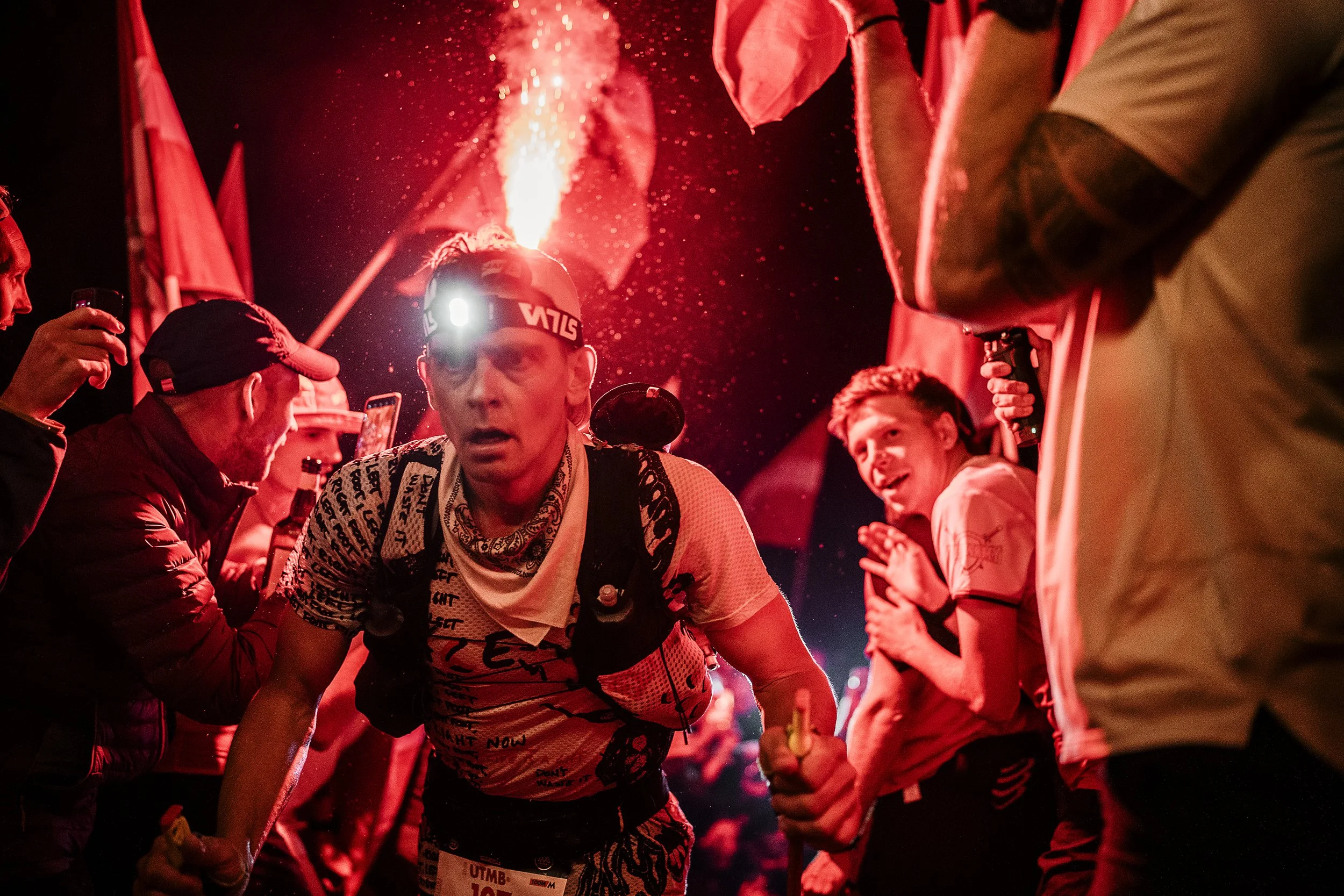
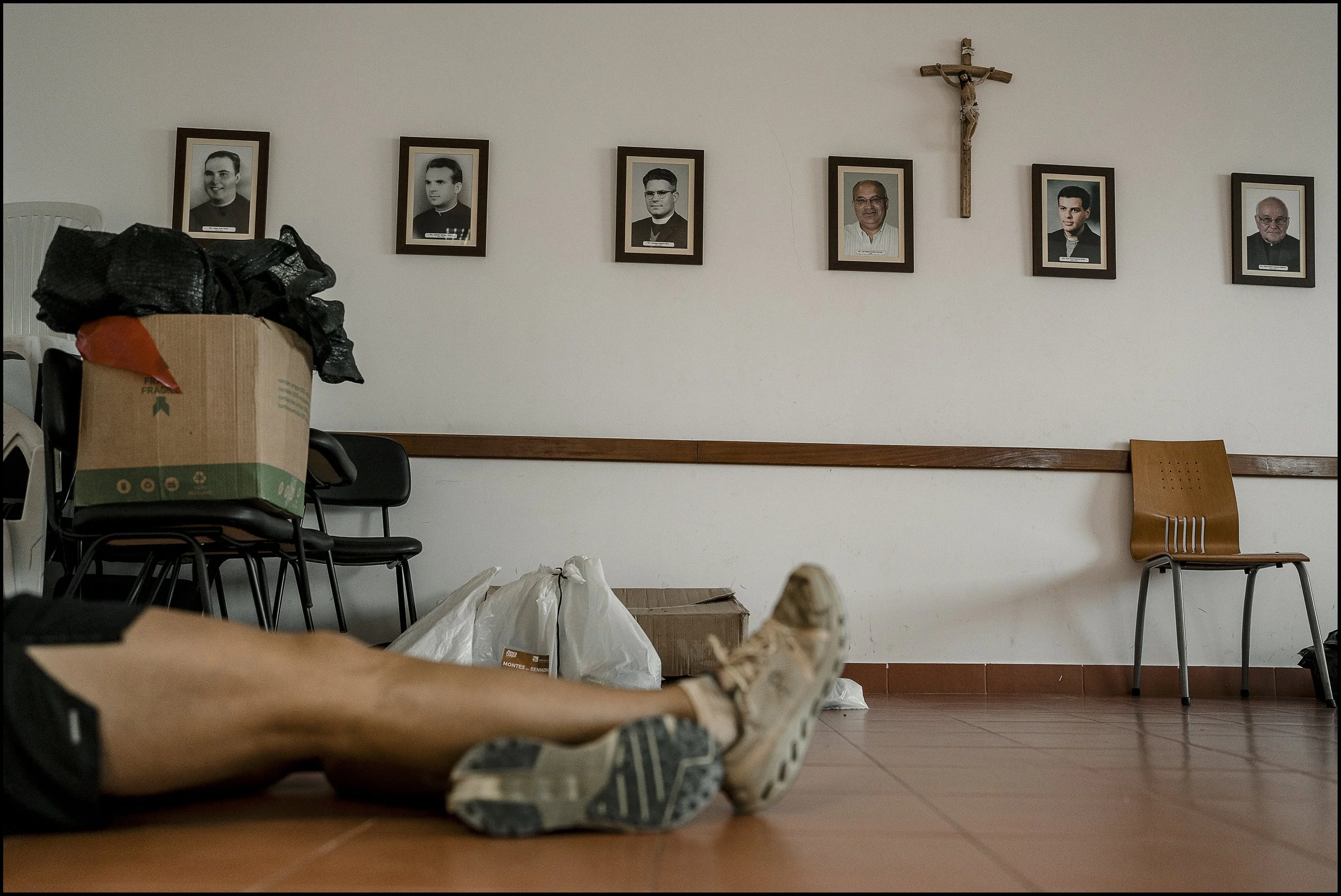
This lesson carries over into my work covering running events. In long races—events that can last for days—you’re immersed in the experience. Everyone involved, from the athletes to the support crew, shares the same struggles: sleepless nights, relentless physical challenges, and the constant uncertainty of what comes next. Over time, I’ve found that once you’re accepted by a group—once you’re part of that inner circle—you’re free to capture the real, unvarnished truth. And that’s what I love about both conflict and running photography. It’s not just about the image; it’s about being present, earning trust, and sharing a piece of the human experience.
That’s why, when I’m out there with a camera, I’m not just an observer—I’m a participant. And that makes all the difference.
III
It sounds like the process is as much about you as it is about your subjects. How do you cope with the pressure and intensity of working in such environments?
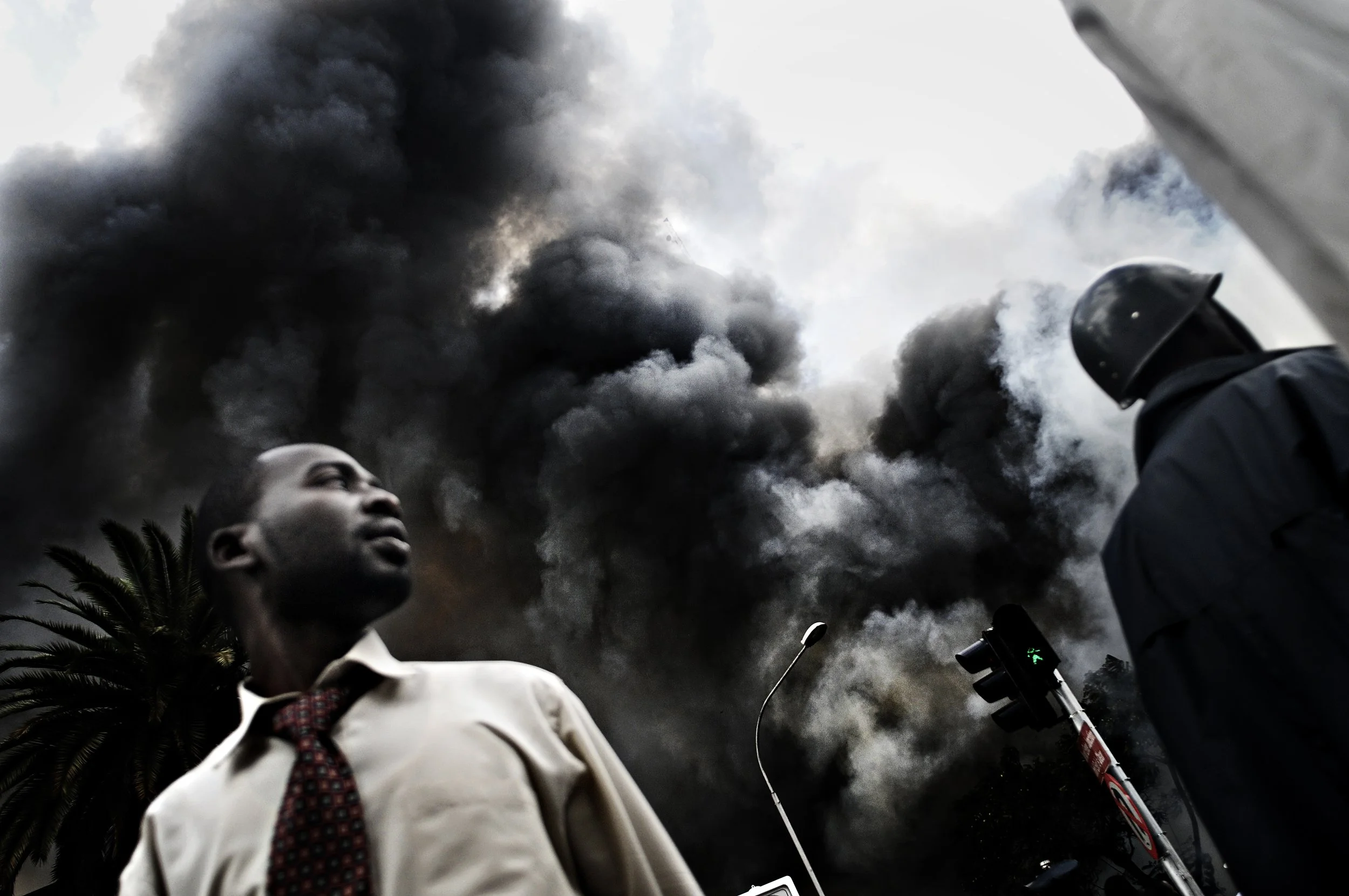
When I work in conflict zones—like during my time covering a humanitarian crisis on the Sudan border in Chad—the environment is overwhelming. You’re dealing with extreme heat—up to 50°C in the shadows—logistical challenges, constant security concerns with militias crossing borders, curfews, and language barriers. In those moments, only about 60% of my energy is left for my photography, with the rest spent just surviving the chaos.
By contrast, at a running event there are no such critical constraints. Sure, you might be exhausted or tired, but you’re free to focus entirely on the people. In a long race, you become fully immersed—sharing the same struggles, the sleepless nights, and the relentless push forward. Once you’re accepted into that environment, you’re no longer just an outsider snapping photos; you’re part of the experience.
That’s what makes photographing running events so rewarding. You can concentrate on capturing raw, human moments without the constant pressure of external dangers. Yet both worlds teach you to be mindful of consequences—whether it’s in a war zone or at an ultra event, every decision has its weight.
IV
You’ve mentioned before that photography isn’t just about capturing images—it’s about building trust and becoming part of the scene. Can you expand on that?
When I’m out with my camera—whether in a conflict zone or at a long-distance race—it’s never just about snapping photos. It’s about becoming part of the story. In conflict areas, you quickly learn you can’t just stand back and observe; you have to earn trust by immersing yourself fully and engaging with the people around you. The same goes for endurance races, where the events can stretch on for days with hardly a moment’s rest. There, you share in the athletes’ struggles and the support crew’s challenges—sleepless nights, relentless physical demands, and that constant, unspoken battle against exhaustion.
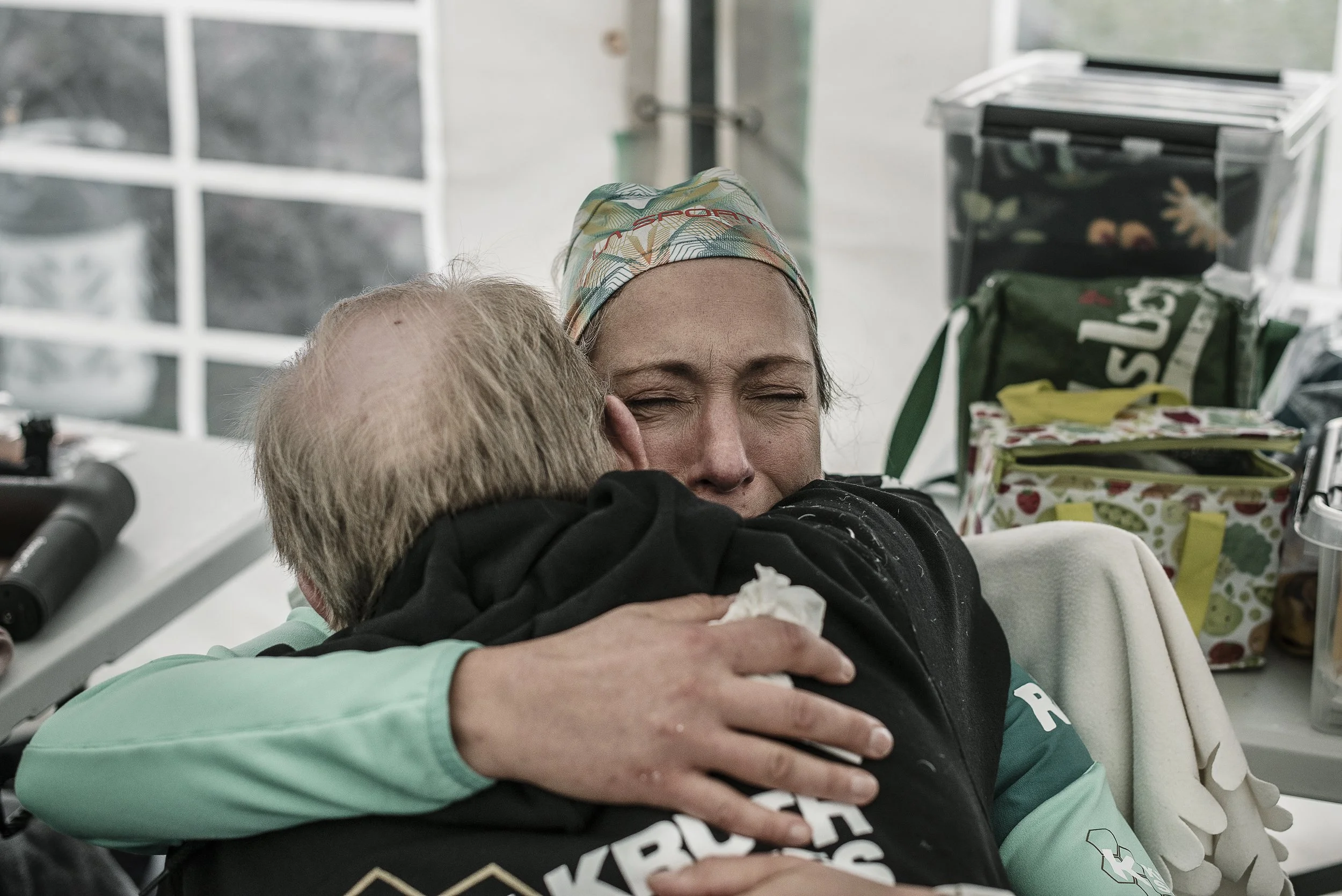
As a photographer, I always start off as an outsider trying to break in. But over time, simply by being there and sharing those moments, you gradually move from the outside to the inside. That’s what I love most about these long races. Once you’re accepted, you’re no longer just taking photos—you’re part of the experience, capturing the raw, unfiltered human moments: the sweat, the tears, the vulnerability that rarely makes it into glossy, branded shoots.
Your work spans two very different worlds: the brutal realities of conflict and the relentless challenge of endurance sports. Do you approach these with the same mindset?
Surprisingly, yes. Whether I’m covering a humanitarian crisis or a multi-day running event, I always aim to be 100% present. In both cases, you’re thrust into environments where everything demands your full attention—be it the chaos of a war zone or the isolation and endurance of a long race. In running events, you quickly become an insider; you share in the struggle, the exhaustion, and the camaraderie. In conflict areas, you learn to adjust, to respect boundaries, and to work within constraints. That same mindset of immersion, of truly “being there,” connects both worlds for me.
V
Social media has dramatically changed how work is shared and perceived. How do you manage the pressure of being both a storyteller and your own publicist?
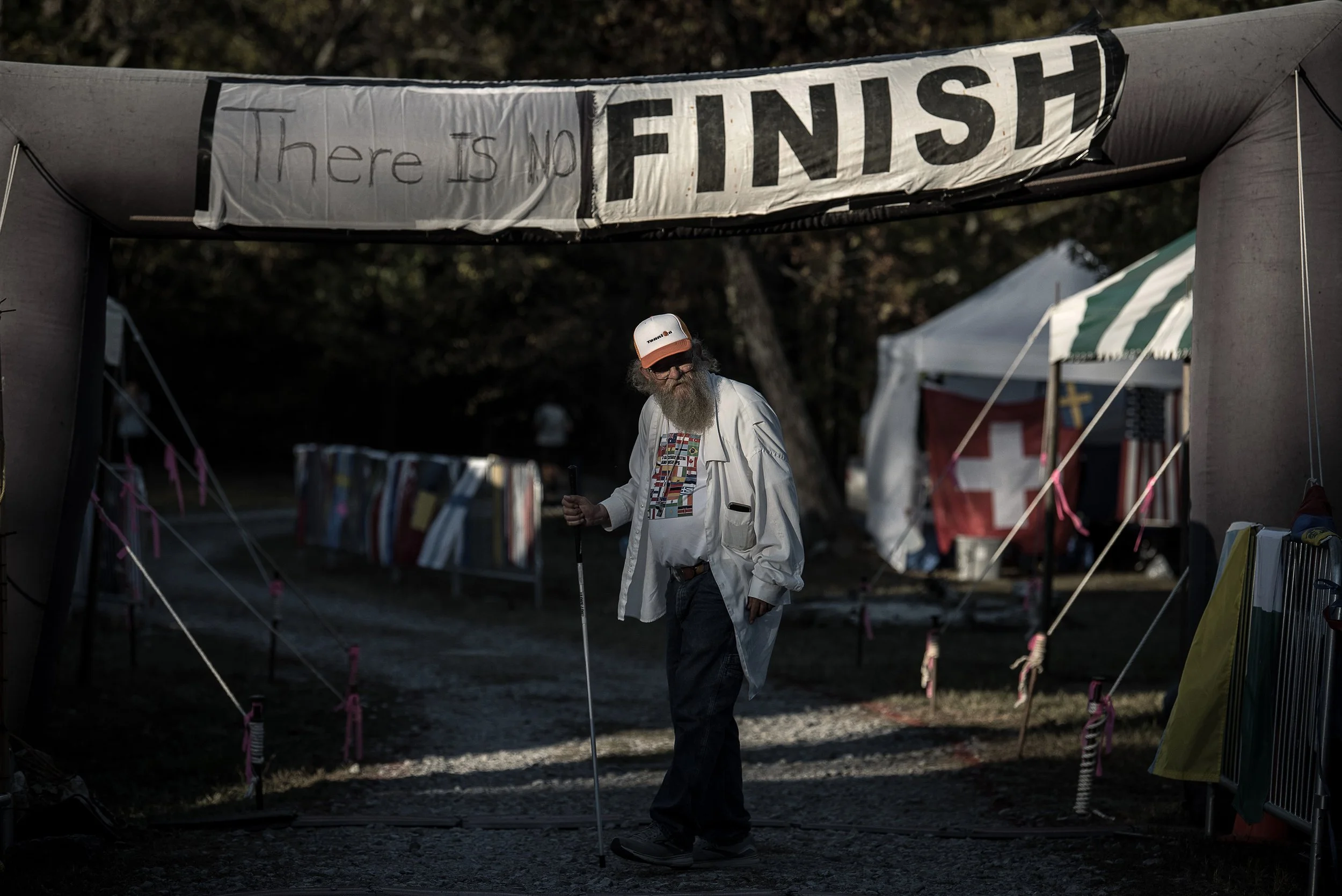
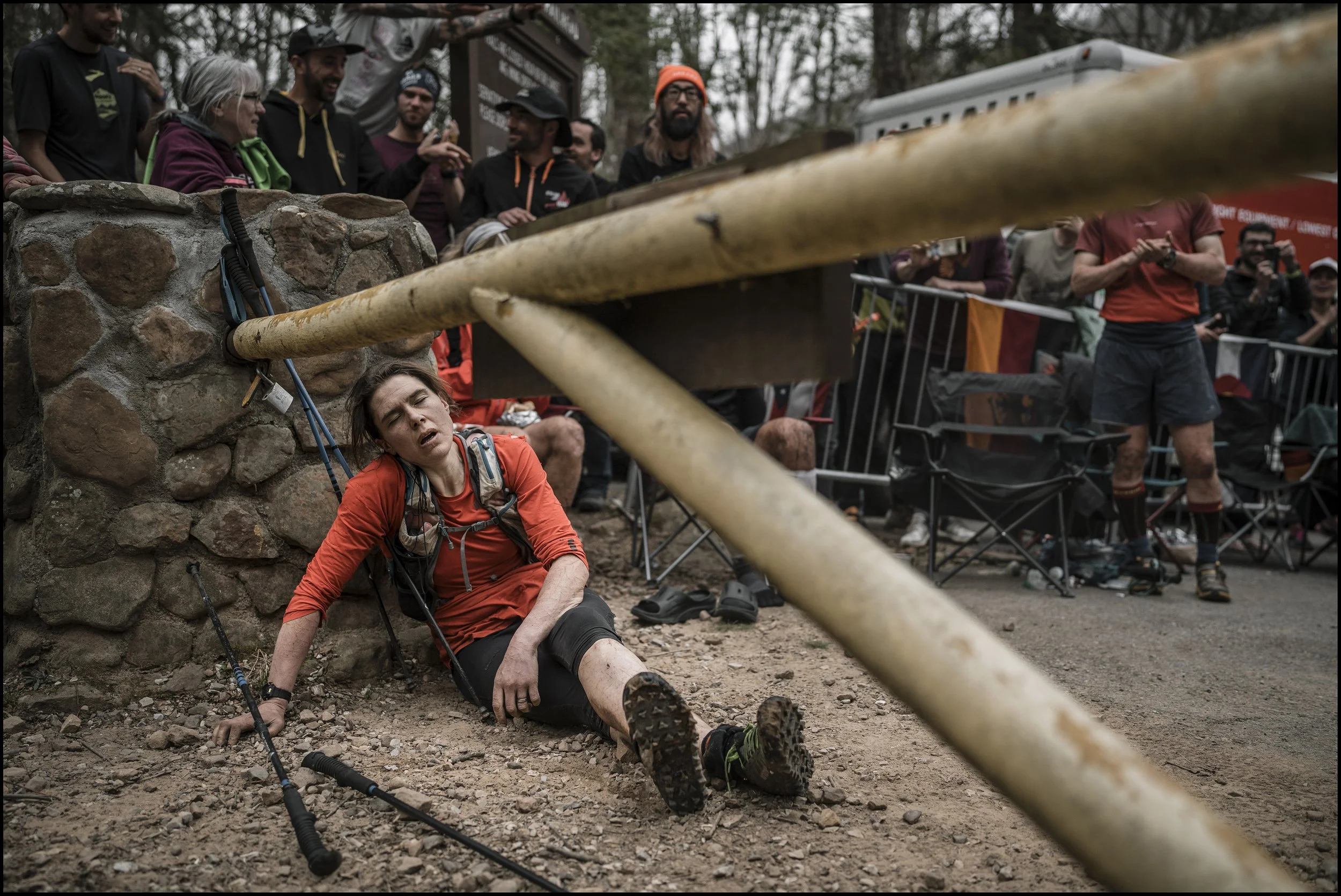
I realized the true power of social media last year—especially after the Barkley Marathon—when one of my photos of the first woman to finish spread like wildfire. It hit like surviving an avalanche; you don’t really grasp the impact until you step back and see how massive it was. That moment pushed me to create my own platform where I can share my work exactly as I envision it, without the constraints of editors and preset angles.
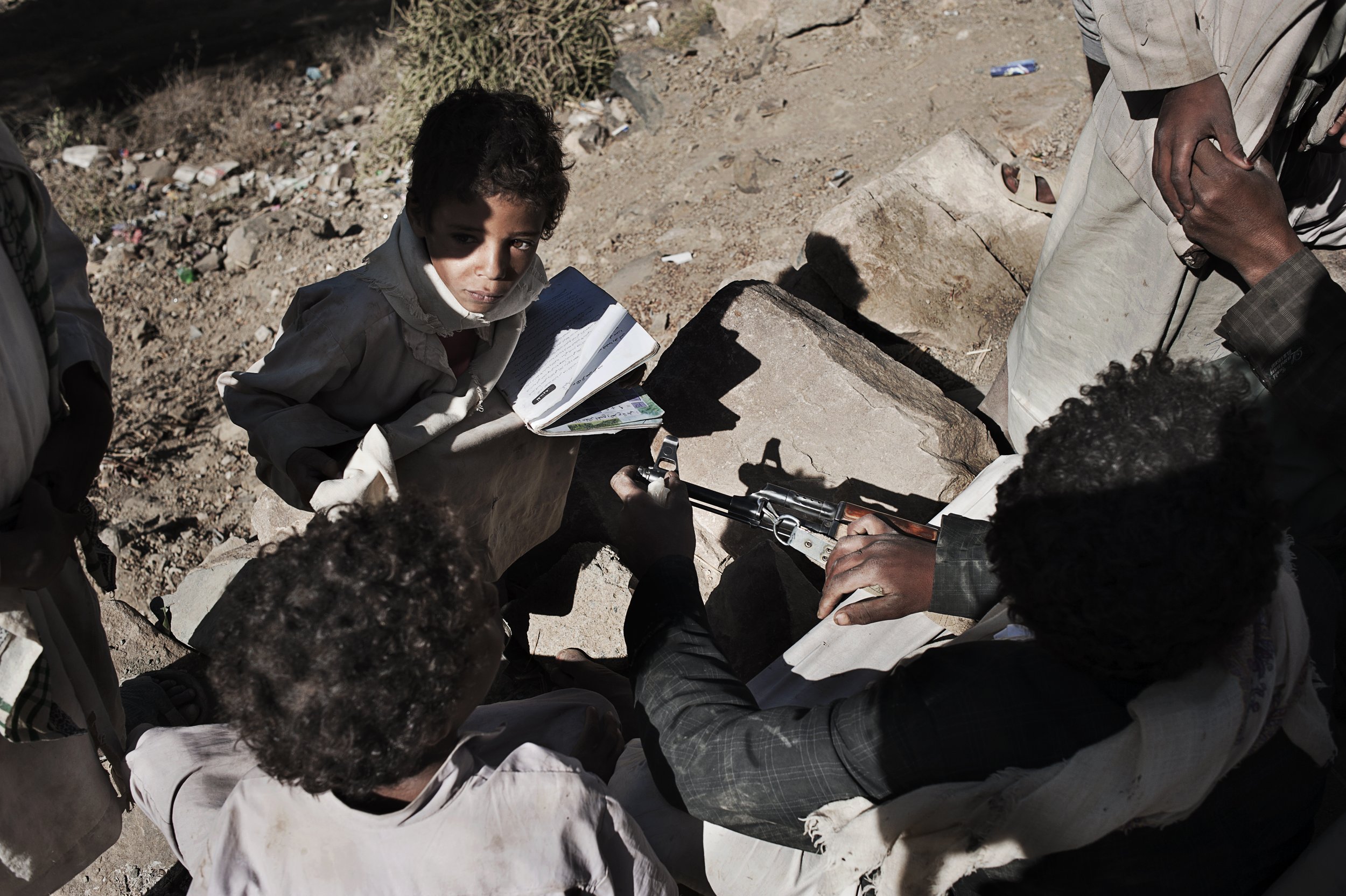
Even after 15 years in this game, I still ponder the different impacts of my work in conflict zones versus running events. In conflict zones, every raw image carries immense weight—capturing a starving child or a scene of unimaginable violence. Yet running, though it might seem less dramatic, holds a different kind of significance for me. I get why it’s important, but early on it felt a bit strange—after years of trying to grab the world’s attention with conflict and humanitarian stories, the world suddenly explodes when a runner touches a yellow gate.
I believe these pictures are easier for people to take in. Photographing tragedy can be overwhelming because you never quite know how to react. But a success story inspires and brings a unique kind of joy. I don’t value one type of work over the other; both aspects keep me engaged. If I only did running, I’d eventually get bored; if I only covered conflict zones, I’d be overwhelmed. That balance is crucial.
Running is my lifeline—a way to keep my mental balance when things get too heavy. For many, long races are more than competitions; they’re a testament to human endurance and resilience. The images captured in these events resonate because they reveal real struggle and genuine joy, not the glossy perfection of a commercial shoot.
How do you think photography captures the blend of complexity and simplicity in our world, and why do you believe a single image can be so transformative?
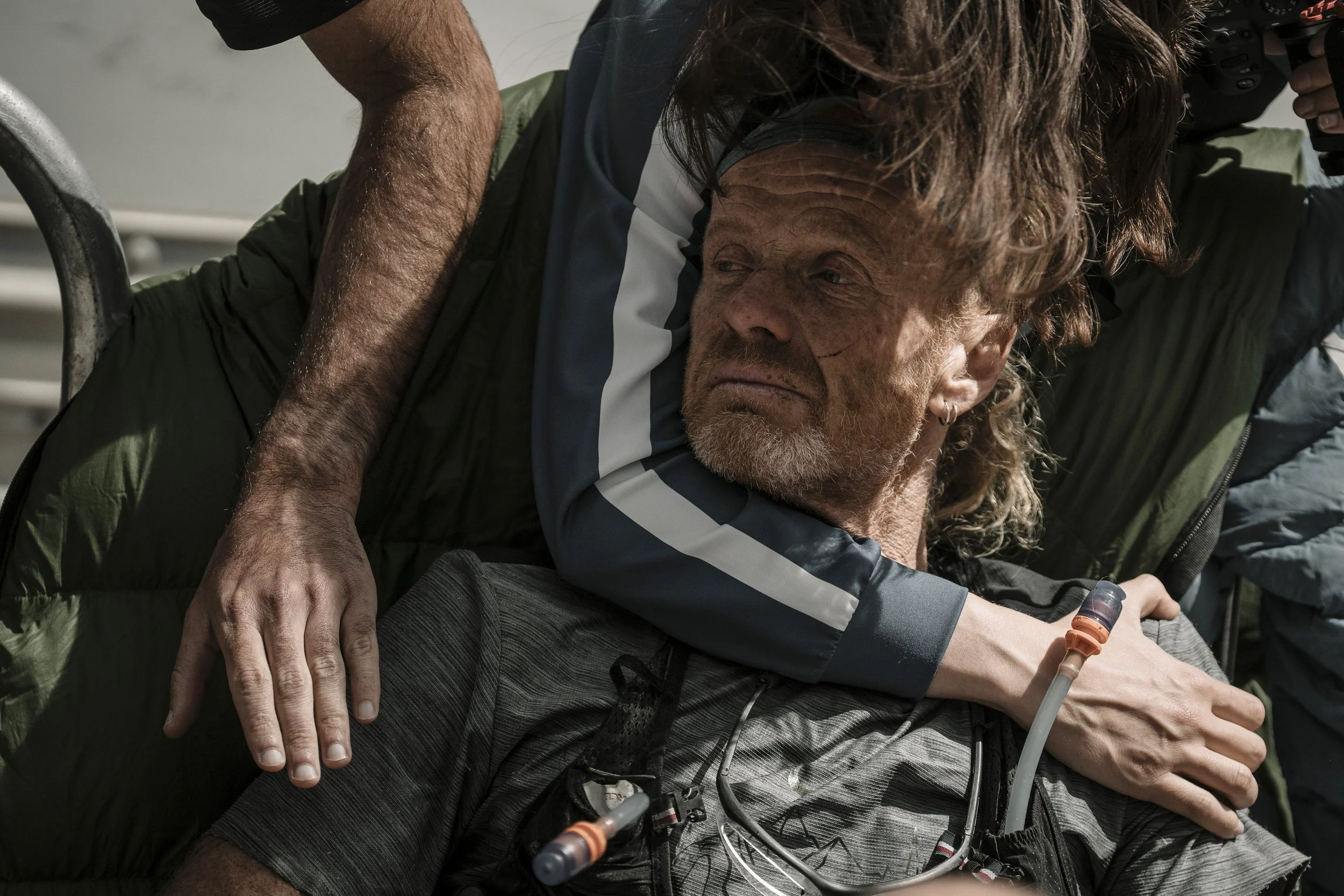
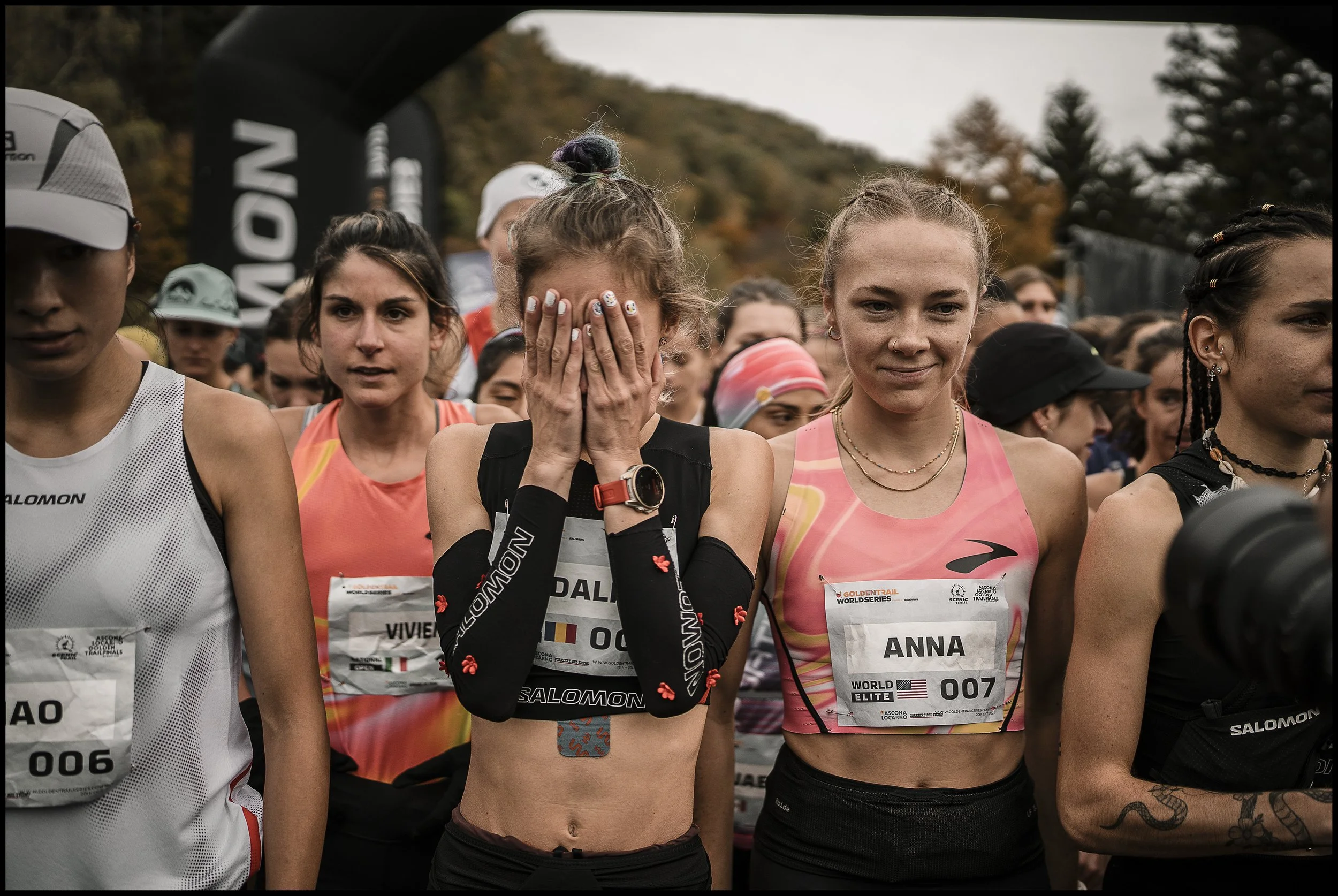
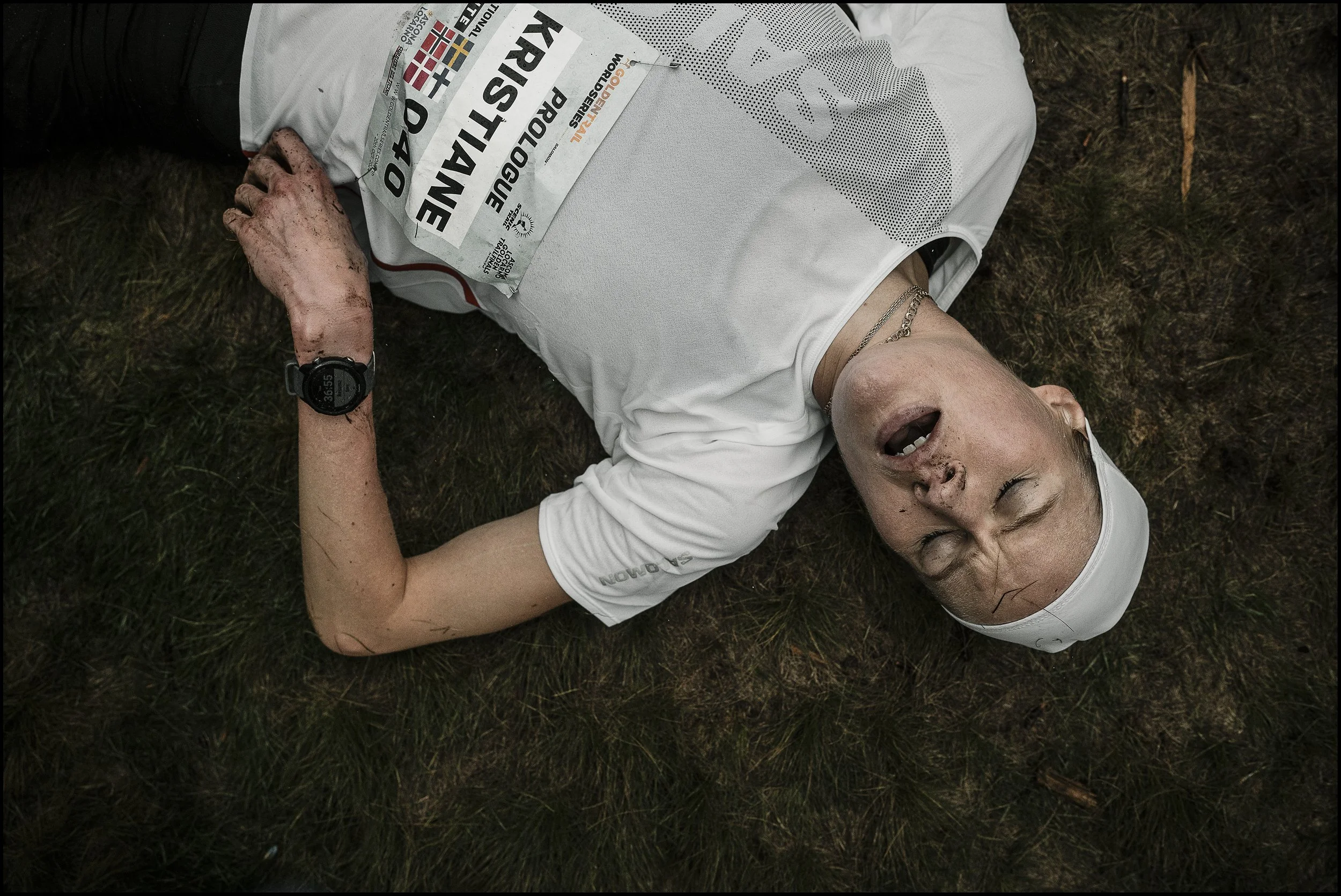
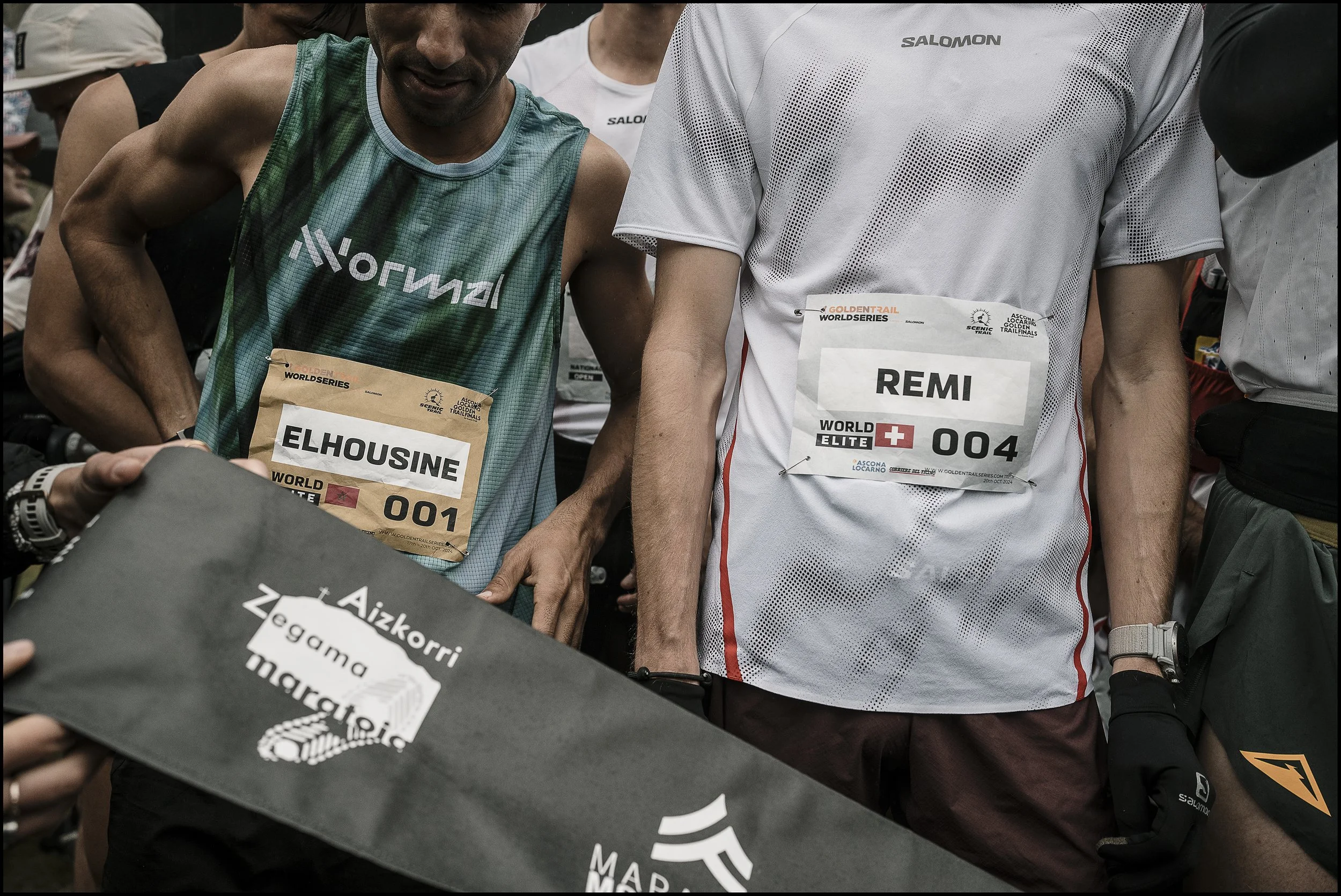
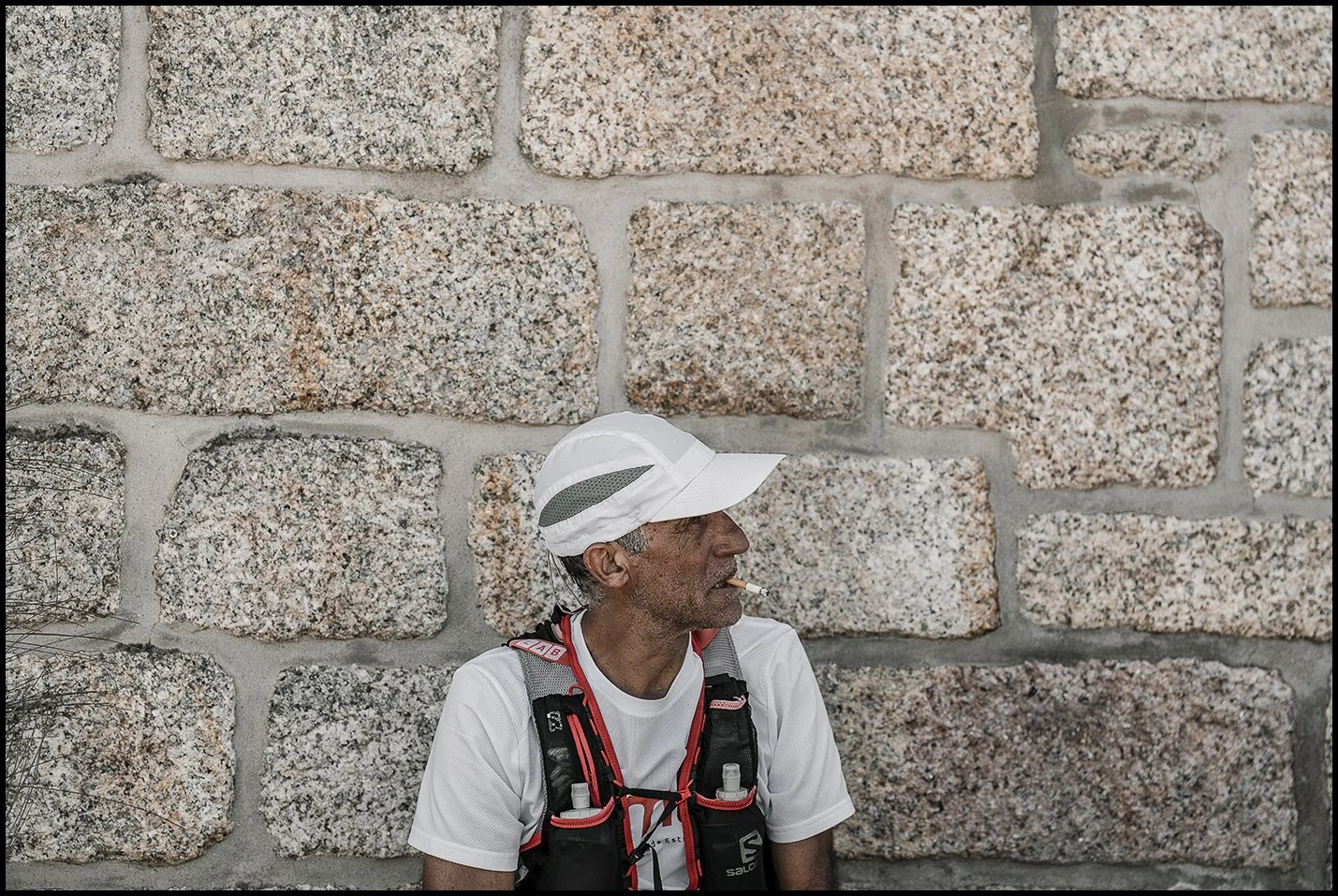
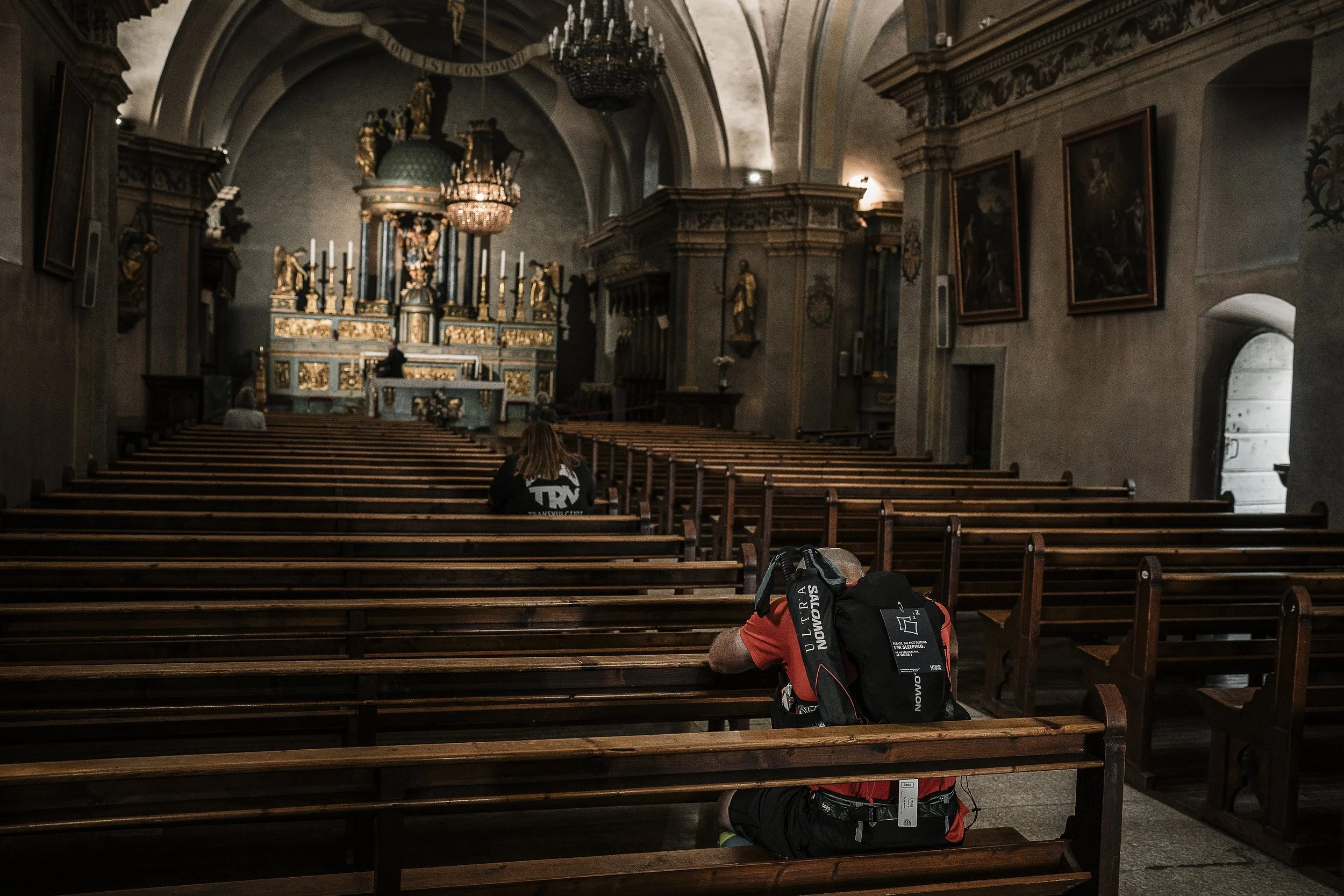
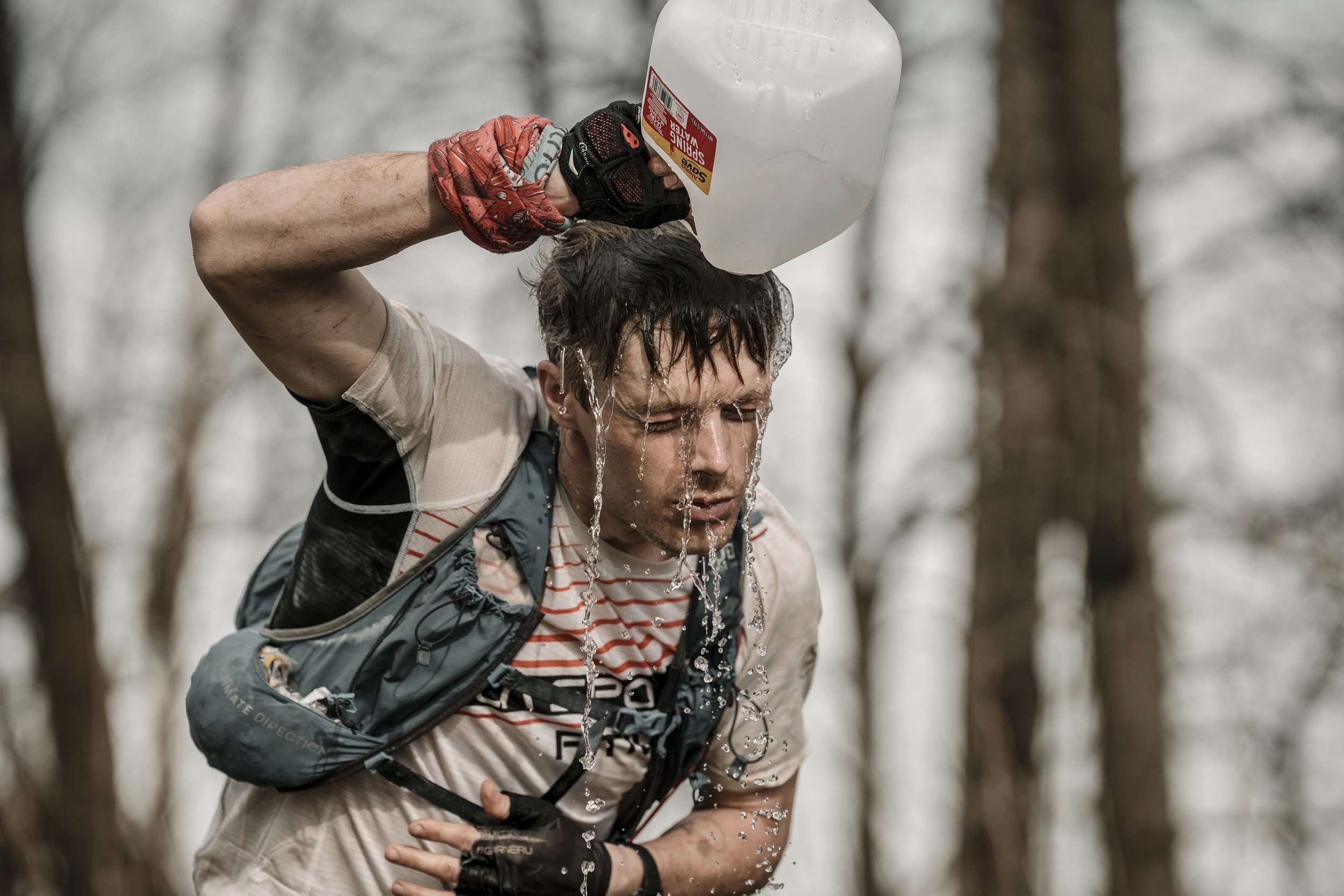
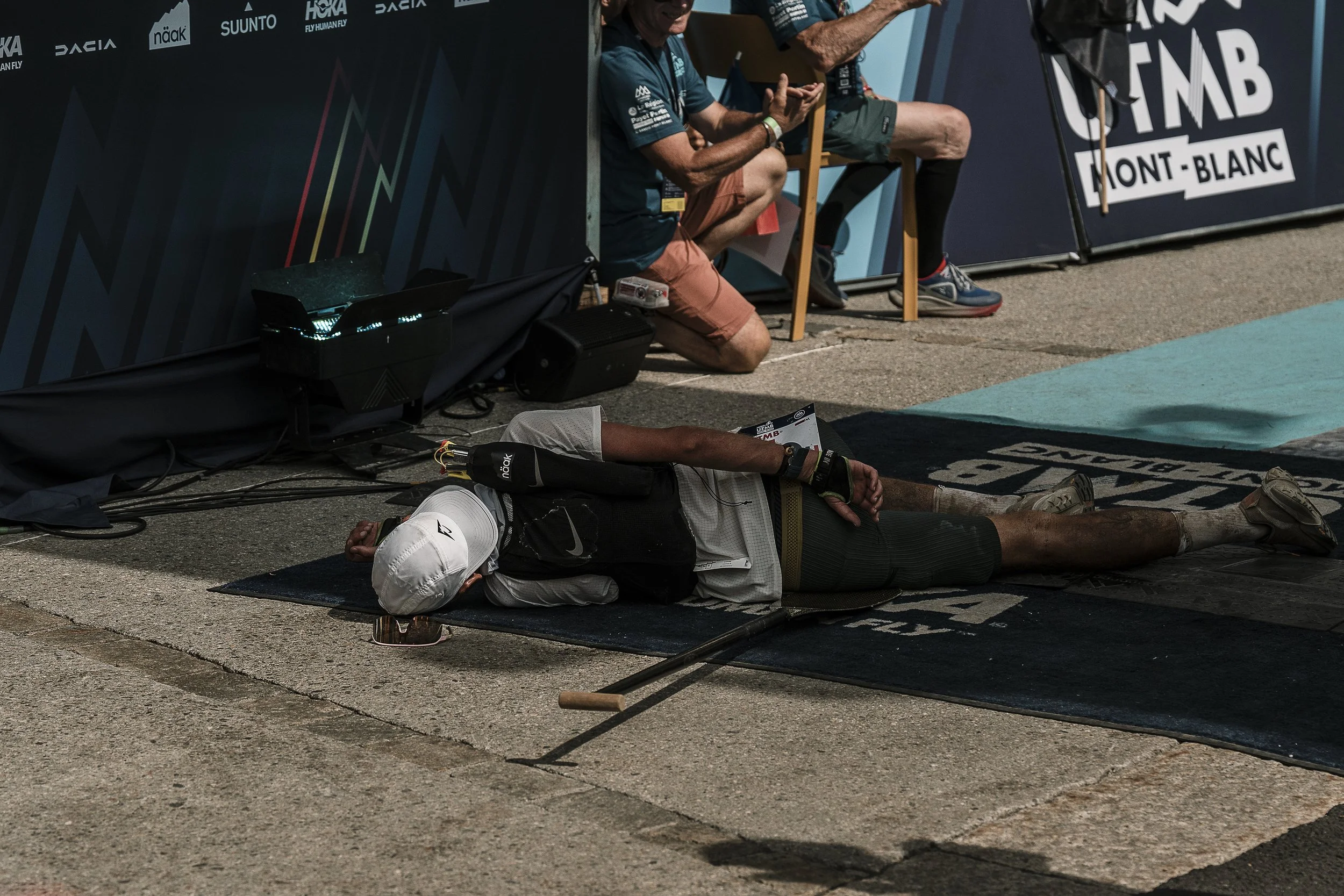
Photography is all about emotions. I mean, my goal is simple—to show what running really is, nothing less, nothing more. That’s how I work whether I’m out shooting a long race or just capturing everyday moments. I don’t chase the glamorous bits because, honestly, ultra running is the sport with the least glamour of all. You don’t see the messy reality in those branded, polished ads—nobody wants to show someone puking on the sidelines because then they wouldn’t buy your shoes. And I'm not saying you should only shoot those raw moments, but there’s so much emotion in long-distance and ultra-running. I've had times where I captured athletes at their most vulnerable: shields down, tears flowing, and raw honesty on display. It’s like a conflict zone in there—everything is stripped down, just the truth.
That vulnerability is a powerful reminder for me. It shows that when all the pretenses fall away, what’s left is the pure human spirit. And that’s what attracts people to these long races—you want to see what lies beneath the surface when every shield is broken and you’re left with just the scars and the triumph of the human spirit. That’s why I love these races so much. When I’m out with my camera, I’m not just capturing running; I’m capturing everything around it—the sweat, the blood, the tears, and those unguarded moments that make you feel like you truly belong to the experience.
I’ve seen the market shift over the years. A few years back, running photography wasn’t really a thing, but now it’s evolving fast. Organizers are starting to demand more than just sunset shots of runners—they want to see the sweat and the struggle, the real stuff. And that’s where my background in photojournalism really comes into play. It’s not just about snapping a picture; it’s about telling a story through images. And if you don’t have that story, then it’s just another pretty picture.
VI
How do you view the role of photojournalism in today’s media landscape?
I believe that no matter how much the media landscape changes, there's always a need for a simple story. If you have a story, it will survive—it's that straightforward. In my work as a photojournalist, I’ve seen that while everyone can snap a good picture, not everyone can build a story with those images. Taking a picture might be easy, but weaving it into a narrative—that's where the real challenge lies, and where the difference between a photographer and a non-photographer really shows.
The terms in our field are tougher than ever, with more competition around every corner. But that's not all bad—it means if you know how to tell your story, your work will stand out, even if others are capturing equally beautiful images. Your story will be different, and that's what makes it powerful. I’m hopeful for the future because I truly believe that photojournalism—capturing raw, unfiltered truth—will always have its place, no matter what platforms emerge.
Reflecting on your 15-year career, what advice do you have for young photographers who want to follow in your footsteps?
My advice is simple: be relentless and be true to your passion. Don’t chase trends or wait for a big break—get out there, connect with your subjects, and tell the stories that matter to you. Email relentlessly, be persistent, and never settle for a project unless you believe in it 100%. It’s not just about the technical skill; it’s about building a narrative that resonates. If you’re not genuinely interested in your subject, it’ll be hard to inspire anyone else.
For more on Jacob Zocherman’s work and his unique window to the world of endurance and human stories, follow him on @searchingforzocherman
SHARE
OTHER STORIES
-
born to endure
CULTURE
-
from the track to freedom
INTERVIEW
-
The first step
CULTURE
-
A Nordmarka Classic
CULTURE
-
The Art of Fast Skis
INTERVIEW
-
Nattvasan
CULTURE