
The Summit is Not the Point
Words by Henrik Rostrup
Photos by Hans-Kristian Smedsrød,
Patrick Stangeby & Audun Nystad Bugge
Johannes Rummelhoff ran from Oslo to Galdhøpiggen in 104 hours. What he found had nothing to do with the finish.
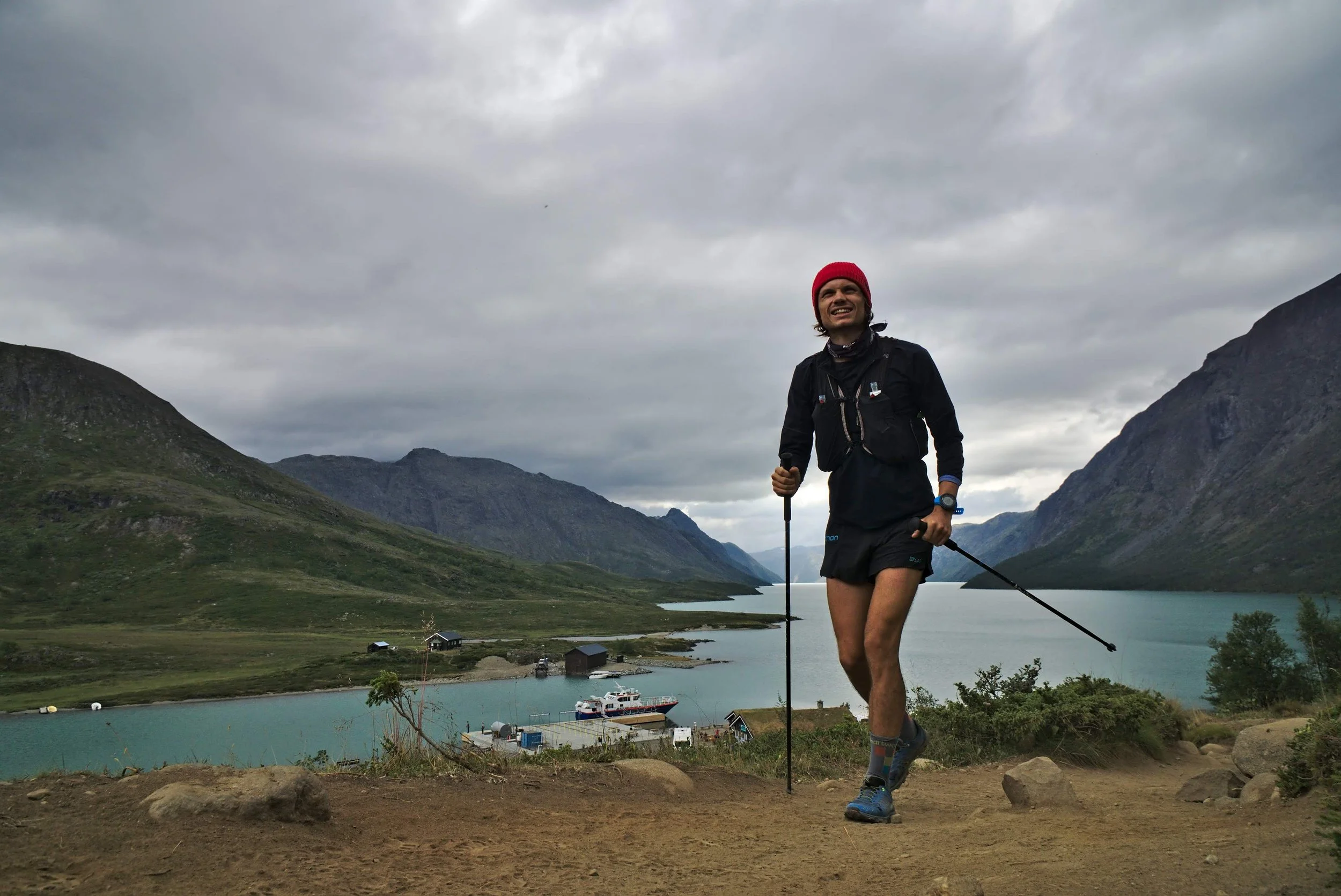
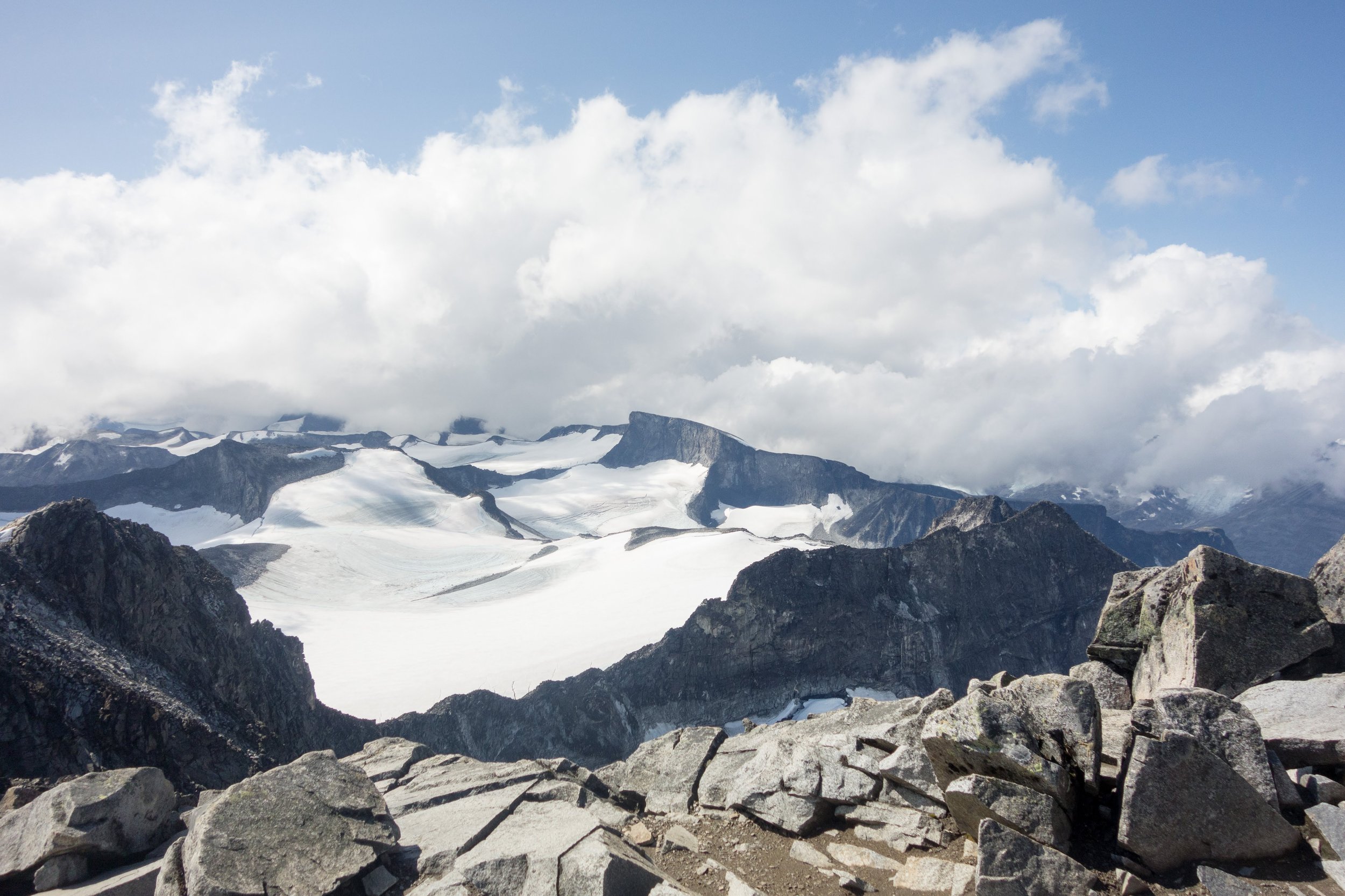
In 2018, Johannes Rummelhoff ran from Oslo to the summit of Galdhøpiggen, Norway’s highest peak, following the Jotunheimstien trail. It was a monumental effort—over 400 kilometers in just four days. The film that captured it all was called “Besatt”, Norwegian for “possessed”—and that word says more than any finish time could. Afterward, Johannes said almost nothing. No blog post. No big reveal. Just silence. We spoke with him about that journey, the culture of ultrarunning, and why some people feel compelled to chase discomfort—not for glory, but to feel something real
I
I’ve been in touch with good old Hans Kristian, and he said, “You’ve got to do something about that.” So I started reading about Oslo Sti, and I saw you had written a bit about the route. Something like, “Write a detailed piece about it.” And then… nothing. Was there ever a write-up, aside from the film?
No, I started writing something, but it didn’t feel worth sharing. I don’t know—of course, the route is beautiful. The journey itself was beautiful. But when you approach it at that speed, it becomes something else. It felt a bit macho, honestly. It was supposed to be a trip, but I realized I was in really good shape and might be able to do it fast. Then others got involved, and suddenly it became bigger than I had planned. And I never found the words for it.
It’s funny, because if you look at the “Oslo Sti” site, there are pages and pages about tiny trails. All well documented. But when it comes to this massive effort—almost nothing. Was that deliberate?
Yeah, it was 100% for myself. I got kind of obsessed. I had nothing to do with the film aside from being in it. I didn’t do interviews or have any creative say. And back then—this was 2018—ultrarunning wasn’t what it is today. It was a narrower scene. You had to figure things out yourself. It felt more like pioneering.
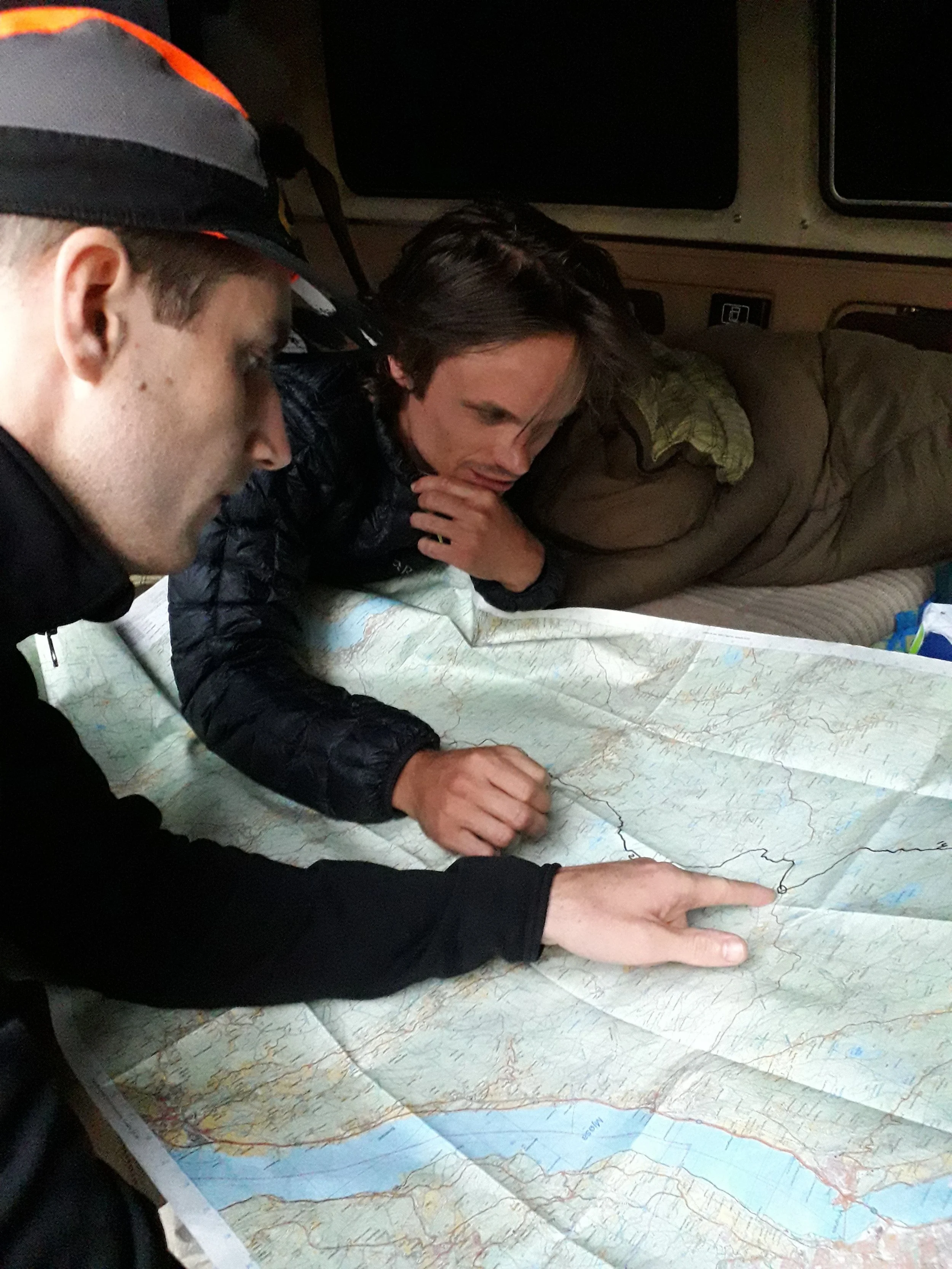
The trail didn’t really exist online. Just that map pack from DNT.
Exactly. It connects with the Jotunheimstien, which gave it some structure. But what really made it real was the idea of finishing at Galdhøpiggen. If you say “I’m running from Oslo to Jotunheimen,” that’s kind of vague. But if you say Galdhøpiggen, people get it. It becomes a goal.
II
You talk about it like it was a different era. What made you want to take on something so massive back then?
I think I saw a video on Eurosport—people running around Mont Blanc. It looked completely insane. So I set myself three goals: run a marathon under three hours, run UTMB, and run Jotunheimstien. That was like seven years before I actually did it. At the time I was just jogging up the hill behind my house and doing slow marathons. But the idea stuck.
So how did it evolve from a solo dream to a group project?
Totally organically. I worked with Hans Kristian and Felipe. We did Tromsø Skyrace, then started “Stirsdag” (Trail Tuesdays). A whole community formed around it. By 2017, I said: “Next year, I’m doing Jotunheimstien.” That winter, training got more serious. I started out running three times a week , but at this point I had been running 120+ km weeks for years. Lots of skiing too—long skis on Saturdays, long runs on Sundays. It just snowballed.
Did you scout the route beforehand?
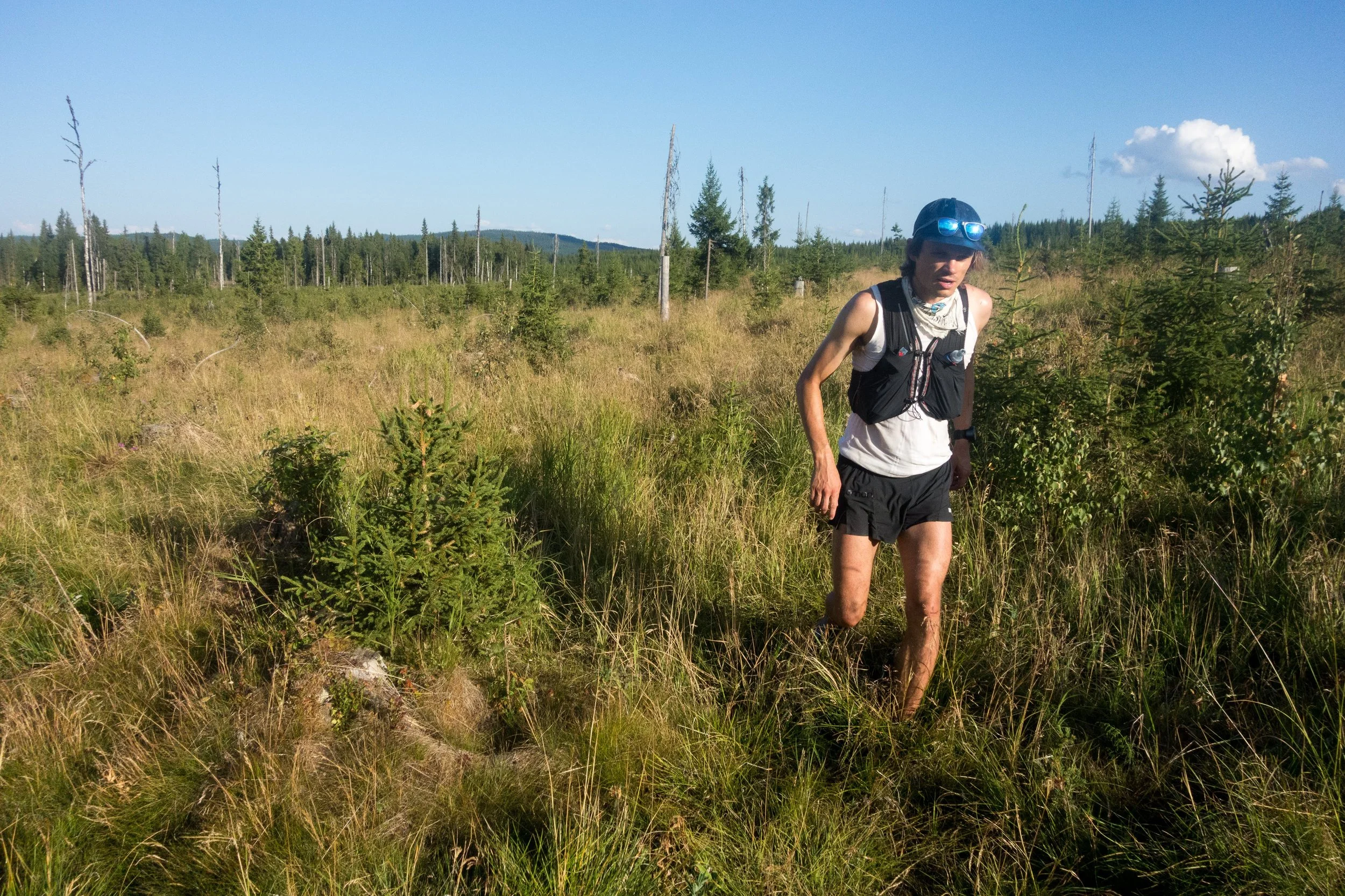
Barely. I’d run some sections into Nordmarka. But most of it was unknown. Still, I remember a lot of it, weirdly.
III
What told you you were ready?
Ecotrail 50K that year. Super hot day. I started behind a bunch of fast guys but passed most of them. Finished second. That gave me a lot of confidence. Then Hornindal Rundt, two weeks before the big run. Also went well. I felt strong.
Your crew seems crucial. How did they come together?
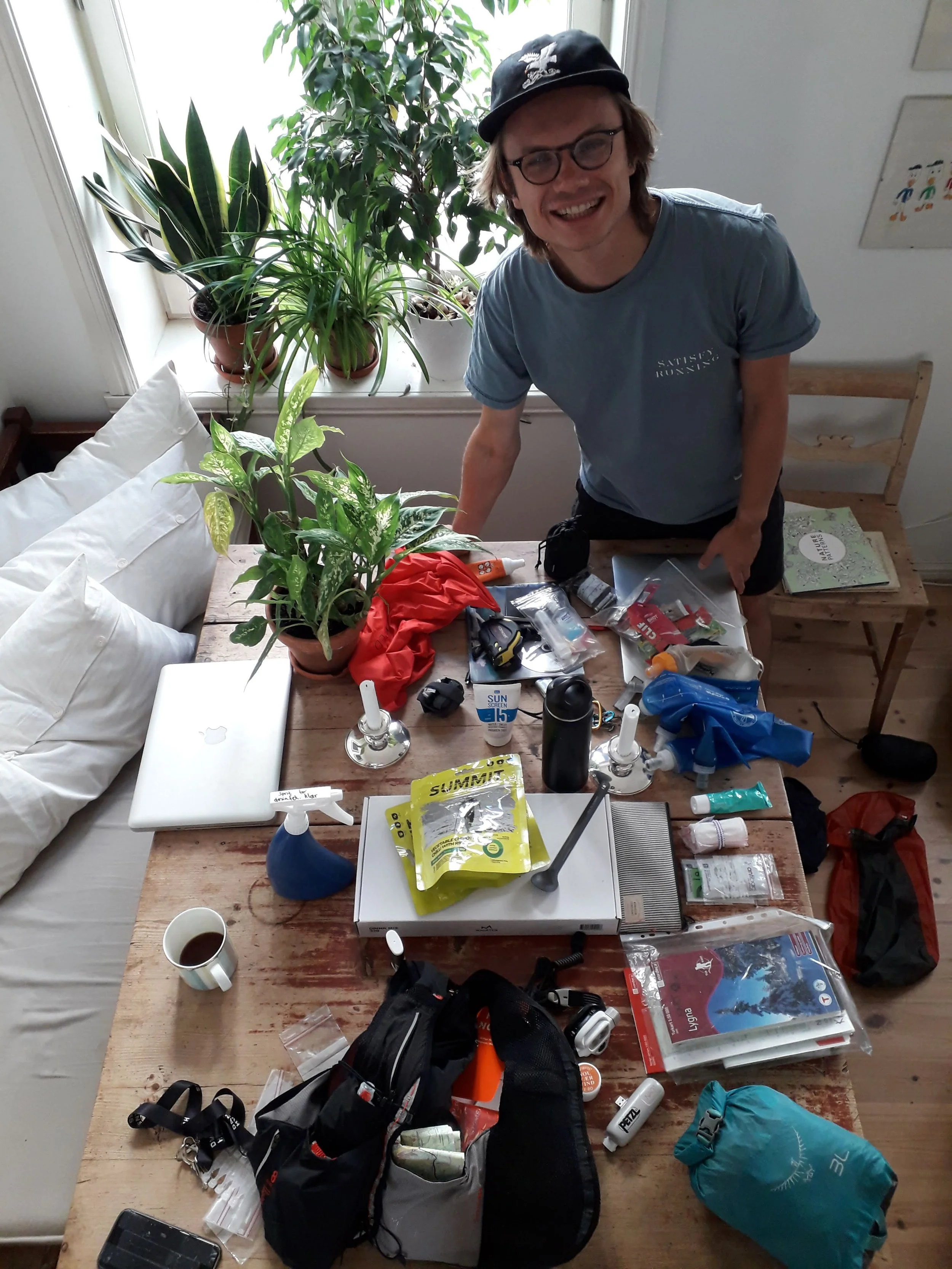
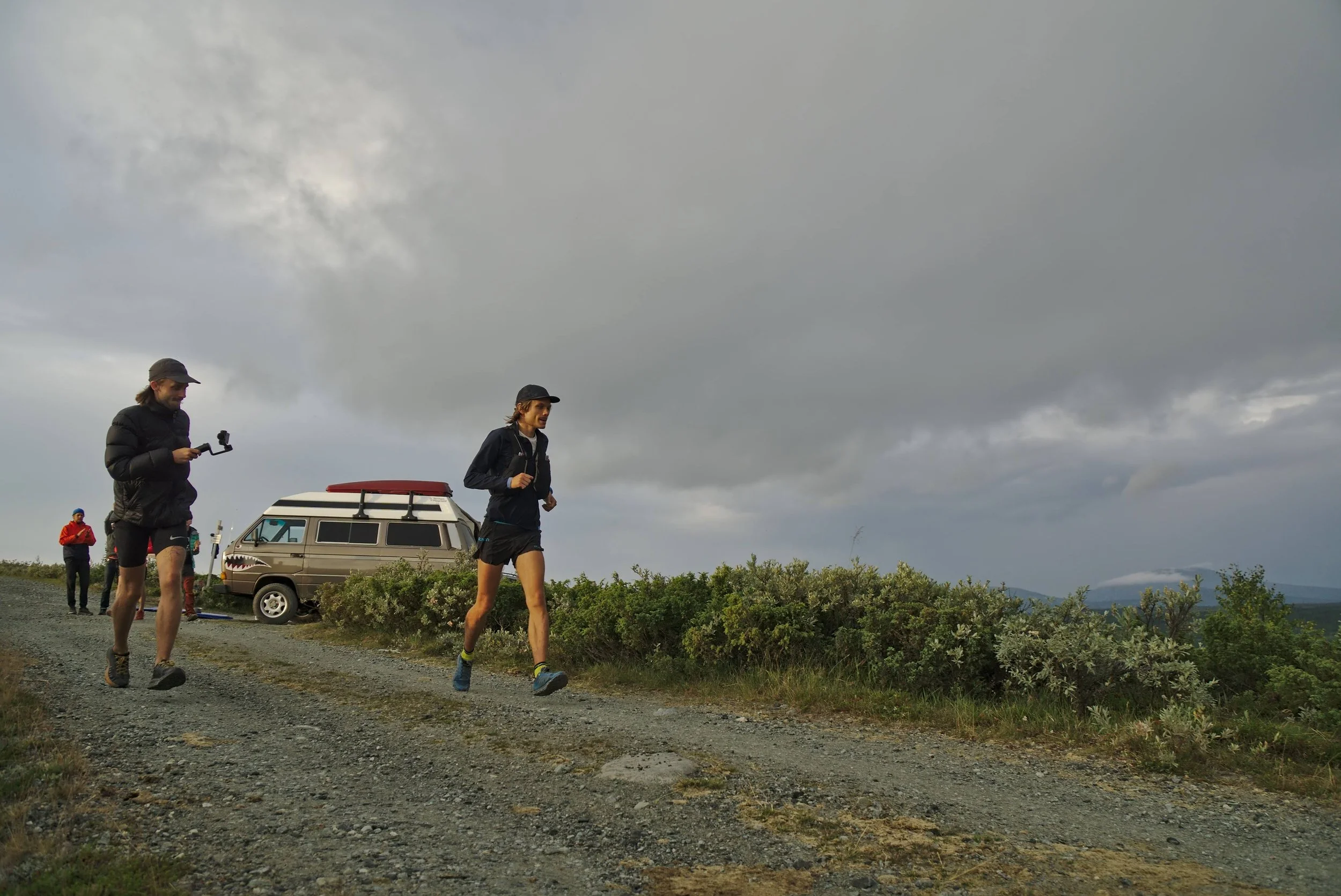
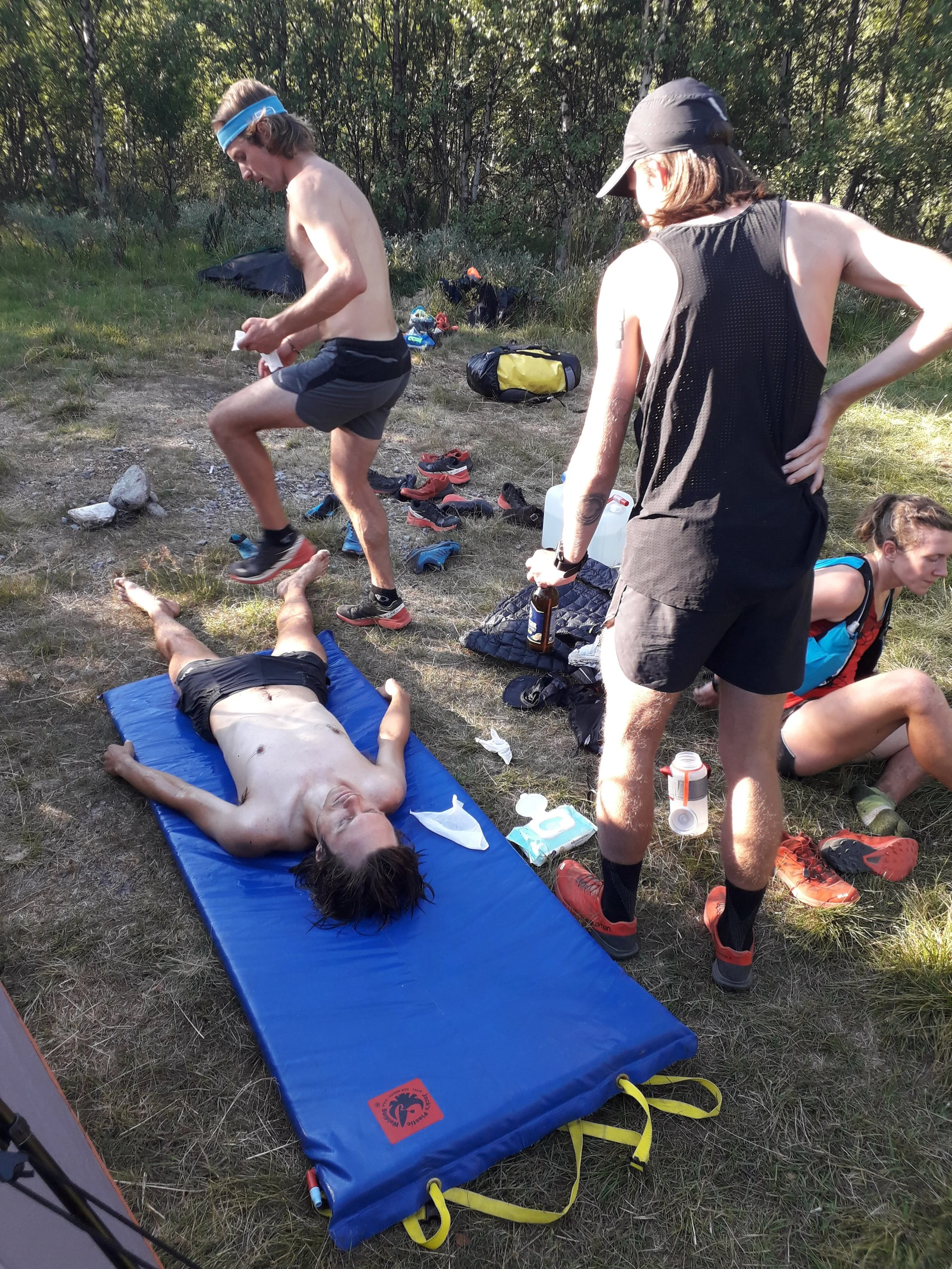
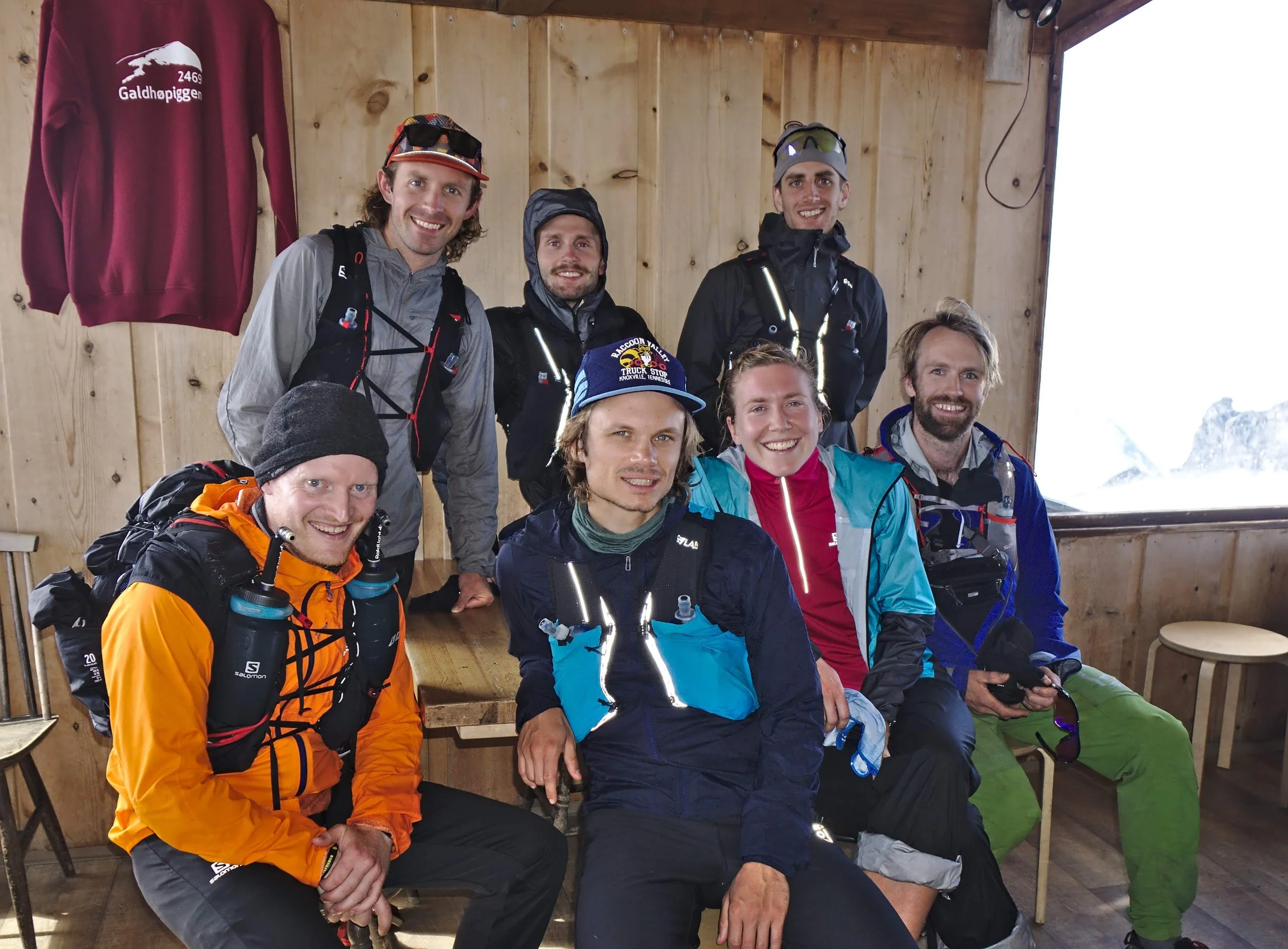
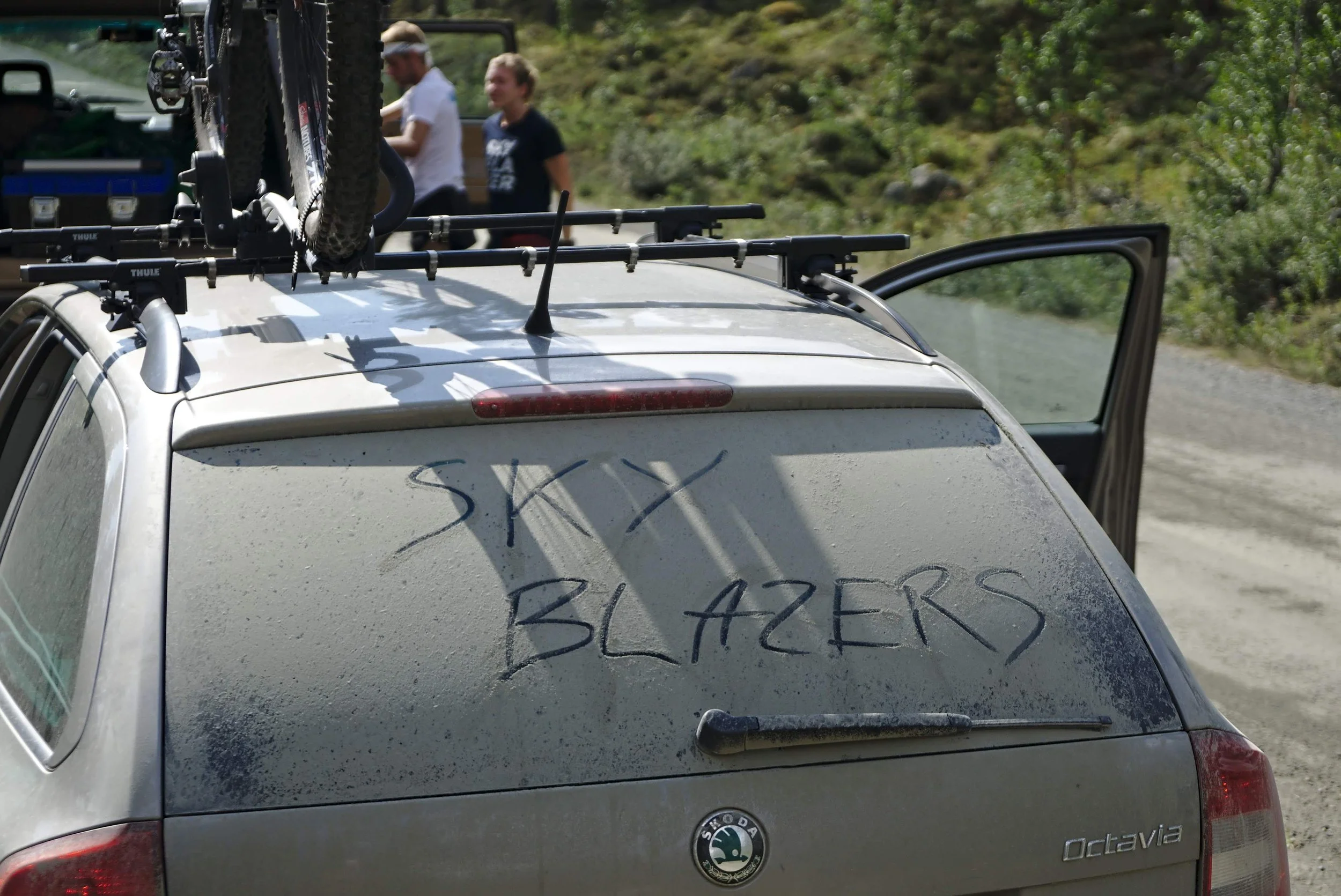
Totally naturally. Tyler came to a “Stirsdag” session, then joined us at a training camp in Romsdalen. Suddenly he’s part of the crew. He had the van. He liked the American-style support setup, and that became the model. There was no sponsor. Just people who wanted to be part of it. One guy worked at a coffee roastery—we got some free coffee. That was it.
What did training look like?
I trained a lot. Sondre Amdahl coached me. Structured but heavy. Skiing five to seven hours Saturdays, then 30K at Bislett on Sundays. Lots of volume. Not just intensity—depth.
Did you have a benchmark?
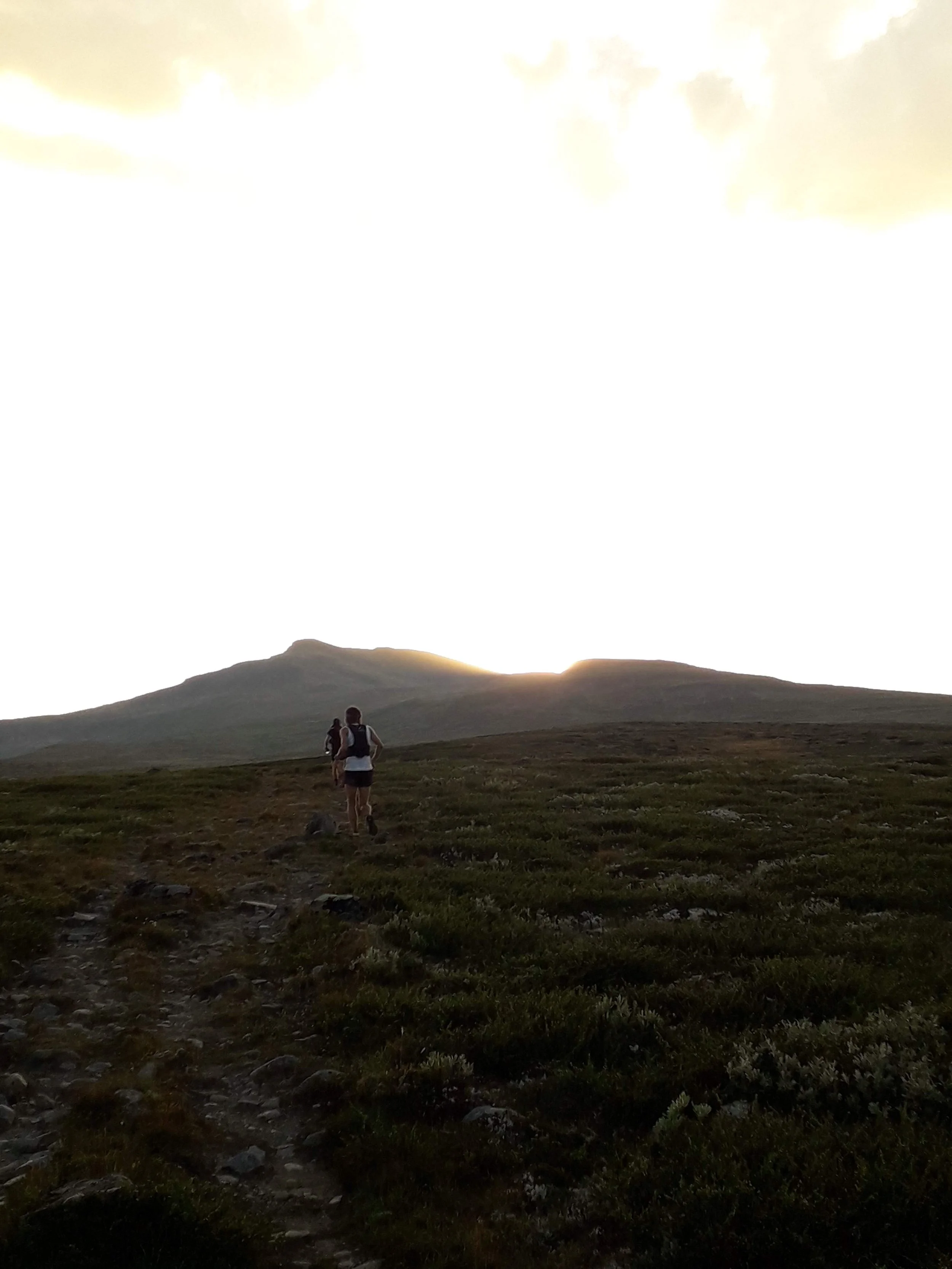
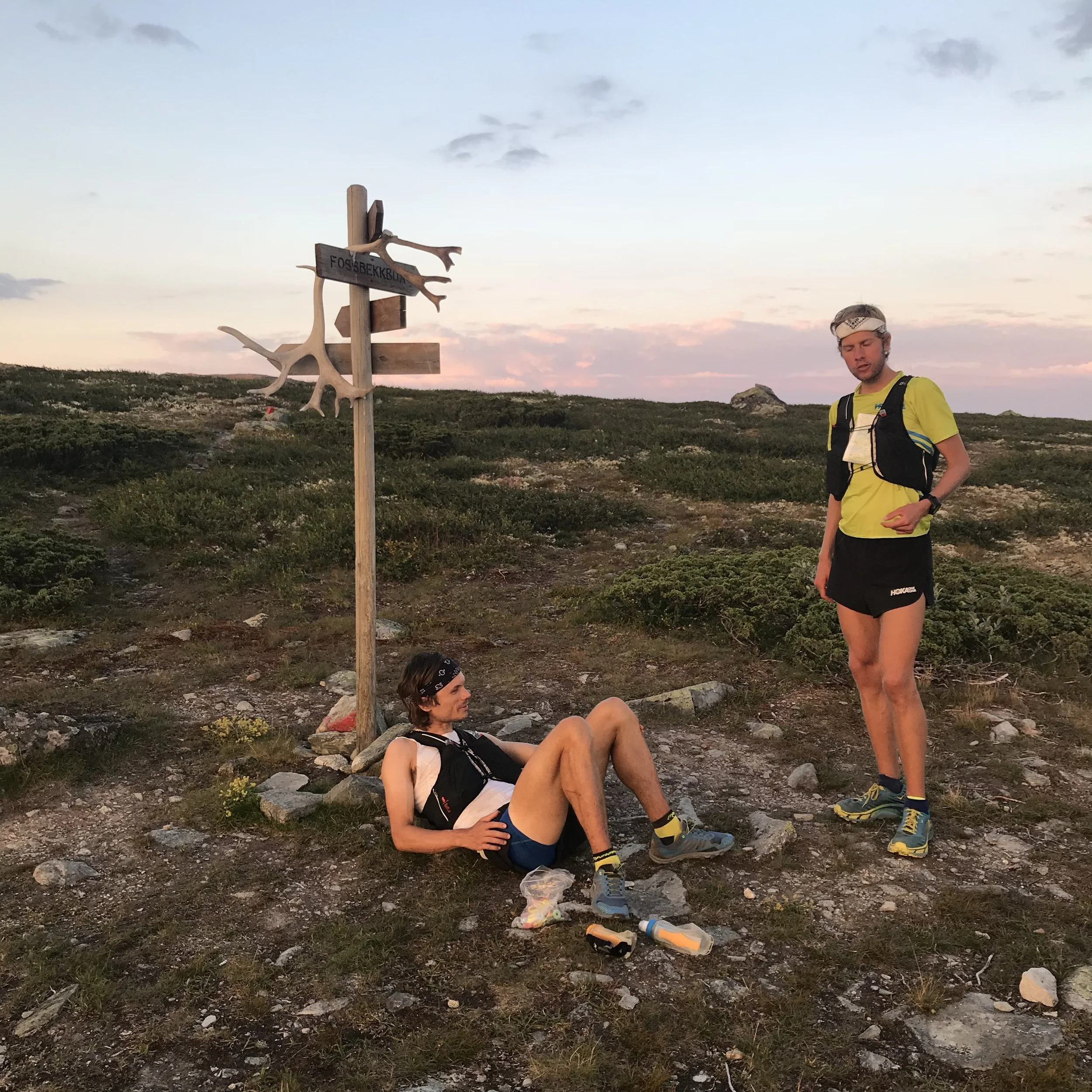
I hoped to finish it in three days. I started around 3 or 4 a.m., thinking I’d run through the first day and get as far as possible. But it’s hard to plan when you don’t know the terrain. I aimed for 125K the first day, maybe 150K. But it’s rough ground. You learn by failing.
IV
Were there low points?
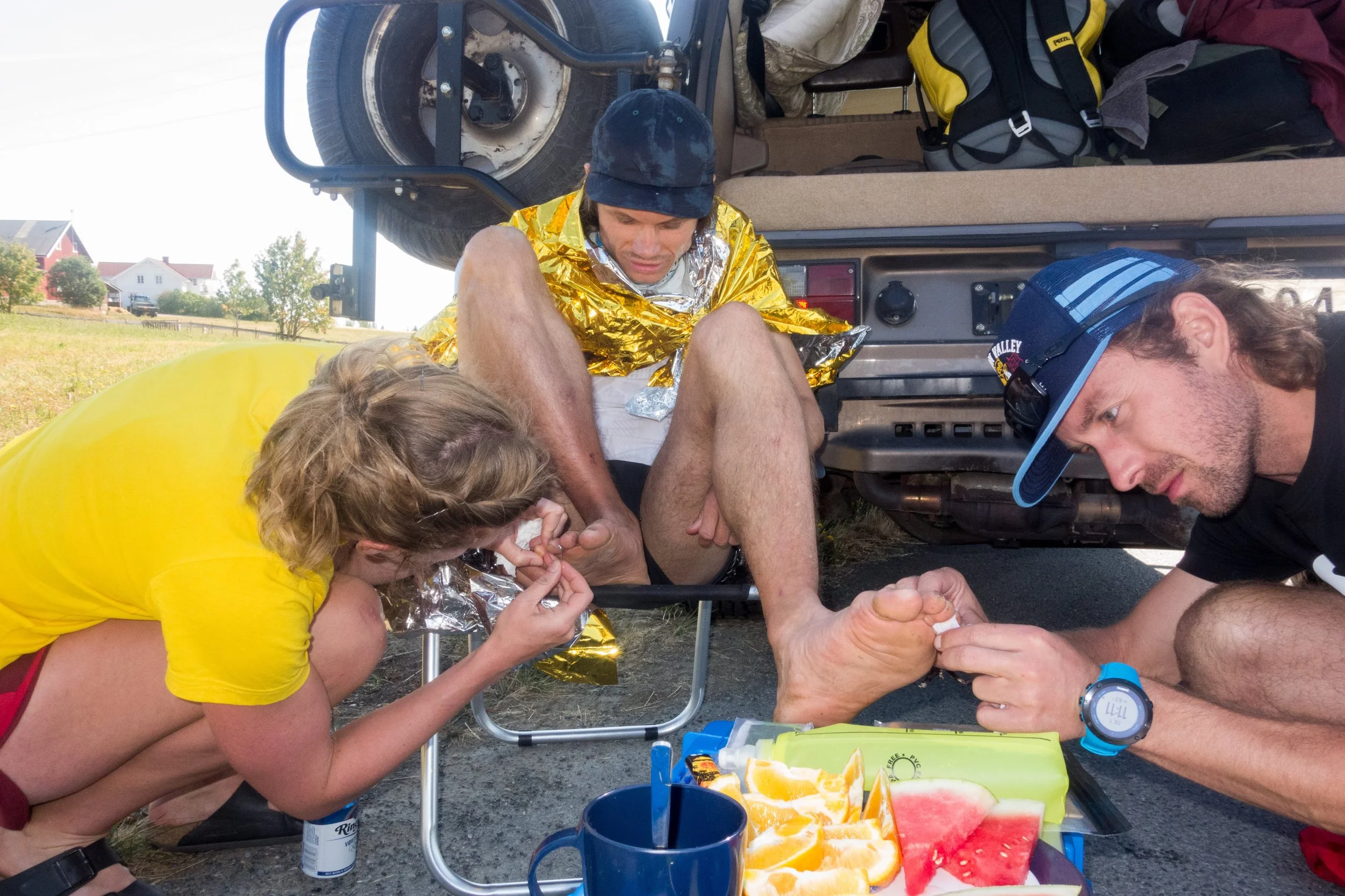
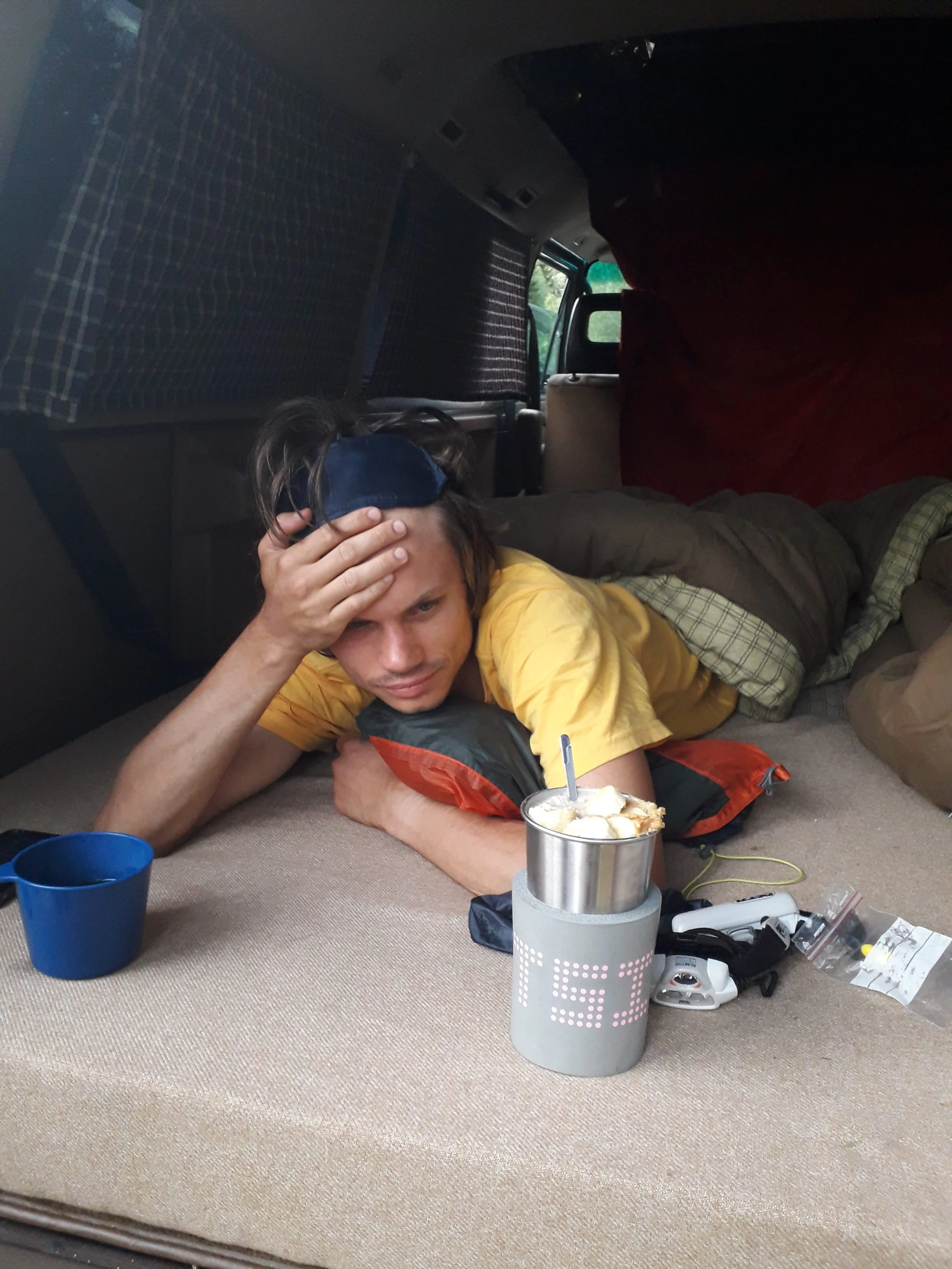
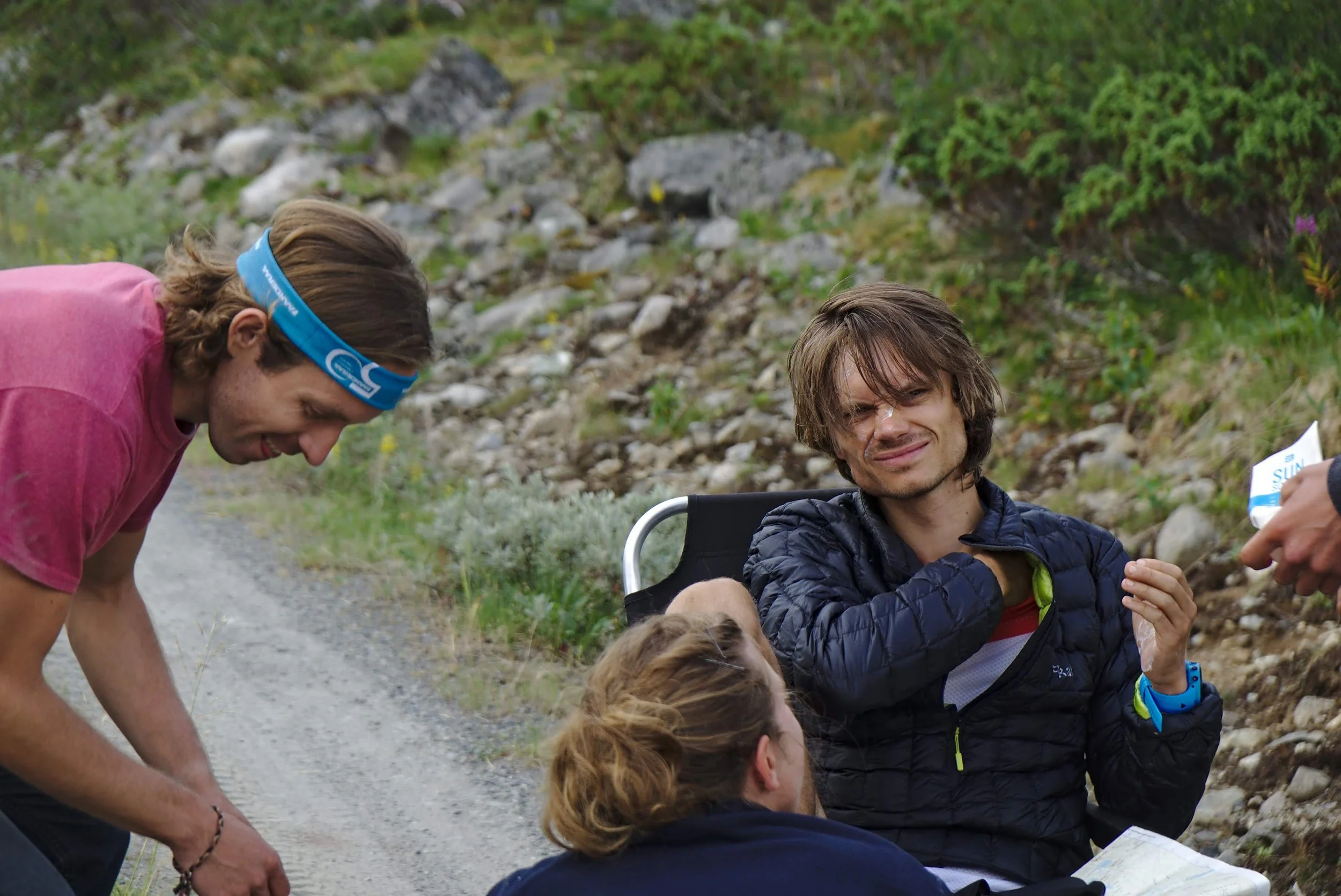
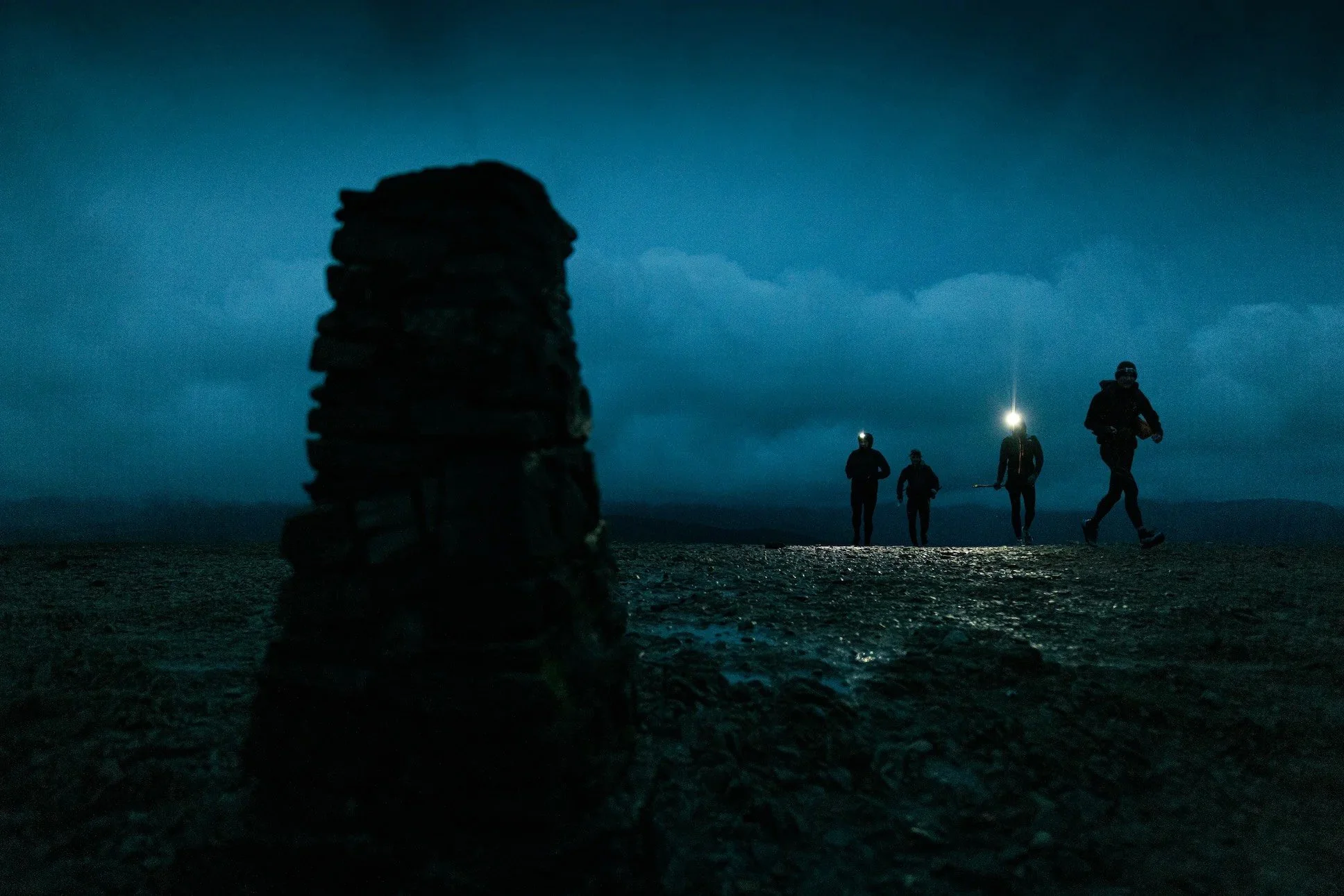
Yeah. The second day is always the hardest. You’re deep into it, but still so far to go. The last 8K was brutal too. We hit a storm at the base of Galdhøpiggen. I had to wait it out. I wanted to give up—but you can’t. Not when so many people are there for you.
Did you think about people attempting it after you?
A bit. I even had anxiety that someone would beat my time the night after I finished. But in the end, it doesn’t matter. The last 80K, when you know you still have to summit—that’s all you can focus on. I did feel like I planted a flag, in a way.
That moment on the summit—hand on your face. It said a lot.
It was absurd. You suffer for so long, and then… nothing. No reward. Just the realization that it was all about what you gave it.
Did the experience change how you think about running?
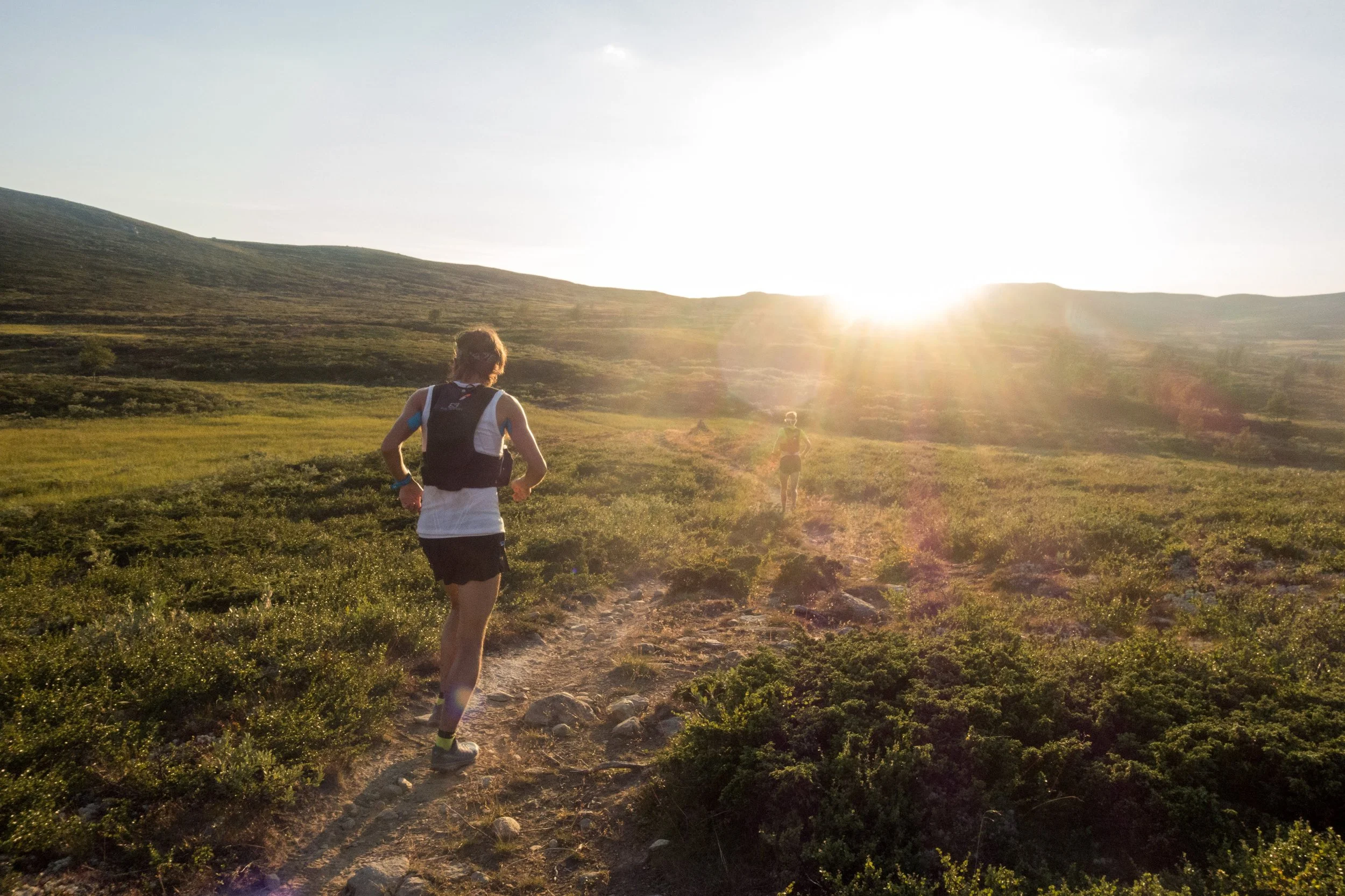
Definitely. I used to chase times and races. Now it’s more about joy. I like running alone or with friends. I take photos. I try to keep it playful. I don’t want to become just another obsessed runner.
V
What did it teach you about yourself?
That I’m not interested in chasing. I love challenges—but not pressure. That’s what’s beautiful about running now. It’s more social. In the ’80s, everyone was chasing sub-3 marathons. Now people run to be together. That’s better.
Why do you think people seek out things like this?
Honestly? A lot of us have had it pretty easy. Office jobs, good salaries. At some point, you need to feel something. I think that’s what it is. A lot of people I run with have good lives. And maybe that’s why they need to shake something loose.
There’s this *Moomin* story—about the *Hattifnattene*. Little ghost-like creatures who travel from storm to storm. They have a barometer that guides them. And the Moominpappa says, “They travel from storm to storm because it’s the only way they can feel.” That always stuck with me. You seek out discomfort to feel alive.
That contrast—it makes sense. If you haven’t suffered, how do you really know you’re okay?
Exactly. It shifts your baseline. Afterward, life feels lighter. You’ve been through something. And that changes you.
If someone wanted to run from Oslo to Galdhøpiggen—what would you tell them?
First: train enough so you don’t get injured. After that, it’s just about holding on. Mentally, visualize the finish. I kept thinking: “What am I going to say when I get there?” That helped. And take your time. You can cover a lot of ground in a day if you don’t stress. Walk if you need to.
What about logistics?
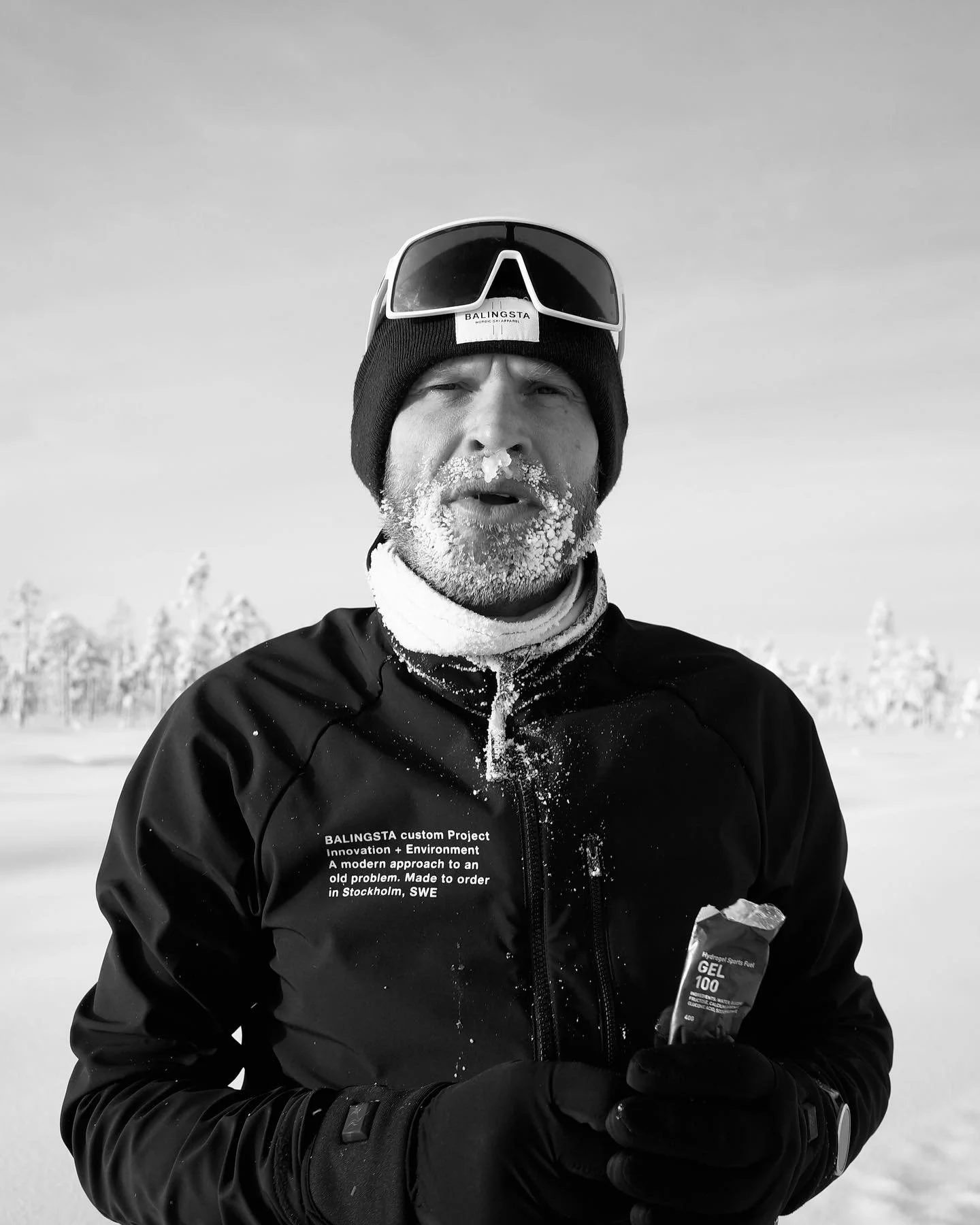
You need a team. That’s the whole thing. Sure, you can do it solo—but it’ll be slower. You’ll have to navigate, carry food. I didn’t carry anything. I had people in front and behind, handing me sugar when I needed it. I drank tons of Maurten. Just gels and sugar, basically. I probably dreamed about sugar. The Maurten stuff had just come out—it made a big difference. Back in the XL-1 days, this wouldn’t have worked.
Would you do it again?
Maybe for the ten-year anniversary. But slower. No chasing time. Just a backpack, a camera. Maybe draw some trees. That sounds nice.
Watch the film ‘besatt’ on youtube.
SHARE
OTHER STORIES
-
born to endure
CULTURE
-
from the track to freedom
INTERVIEW
-
The first step
CULTURE
-
A Nordmarka Classic
CULTURE
-
The Art of Fast Skis
INTERVIEW
-

Nattvasan
CULTURE