
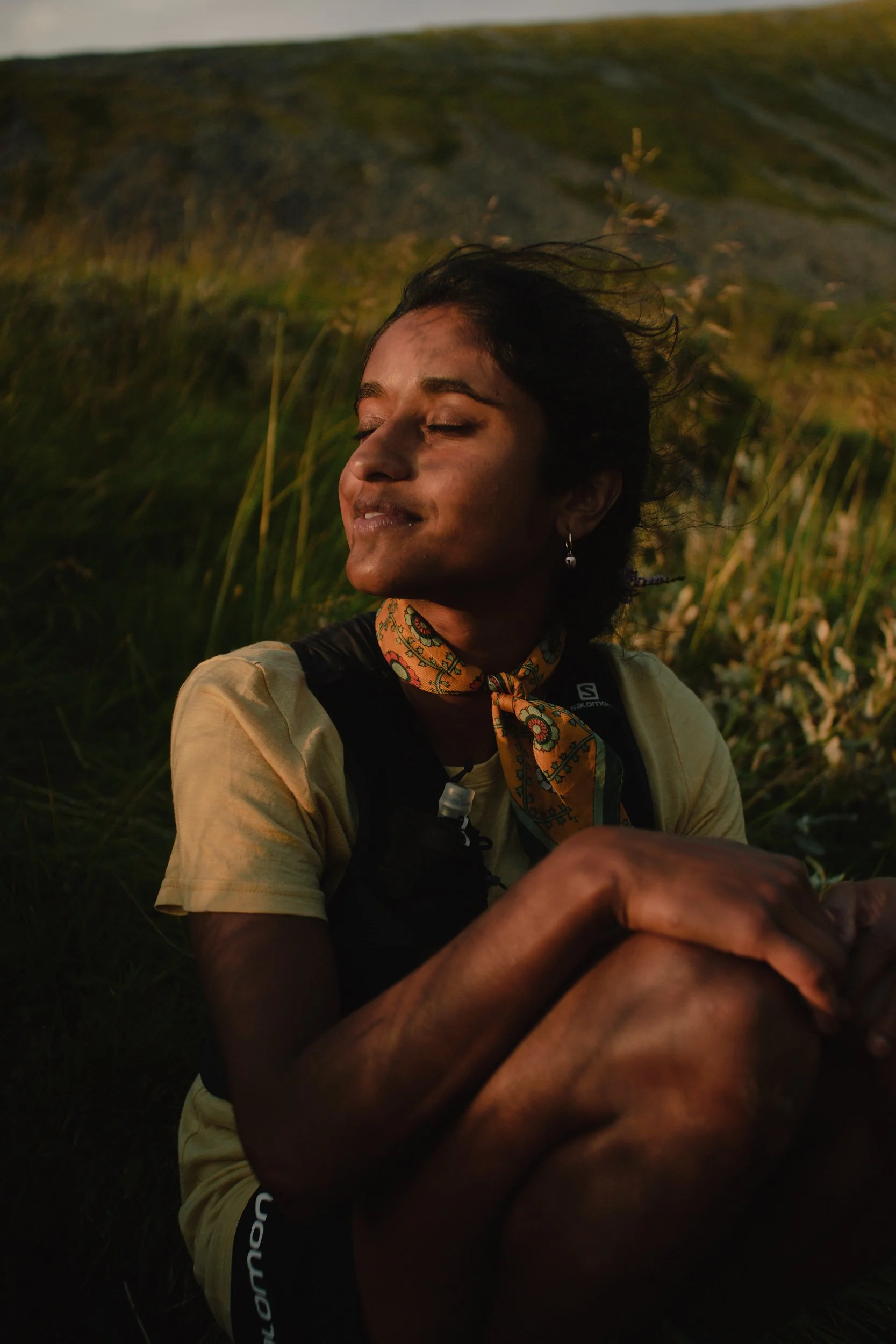
All the ridges lead to home
Words by Henrik Rostrup
Photos by Max Emanuelson
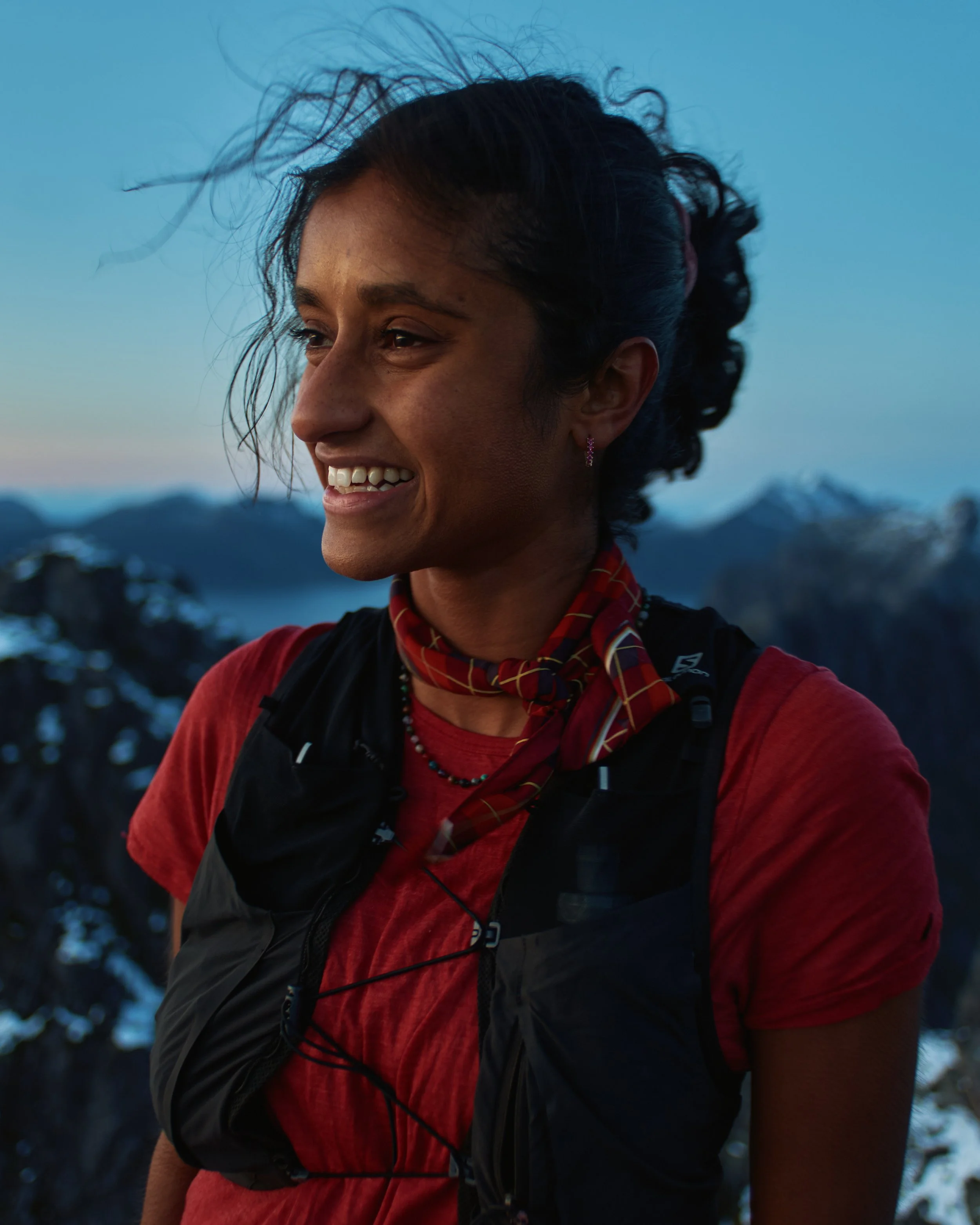
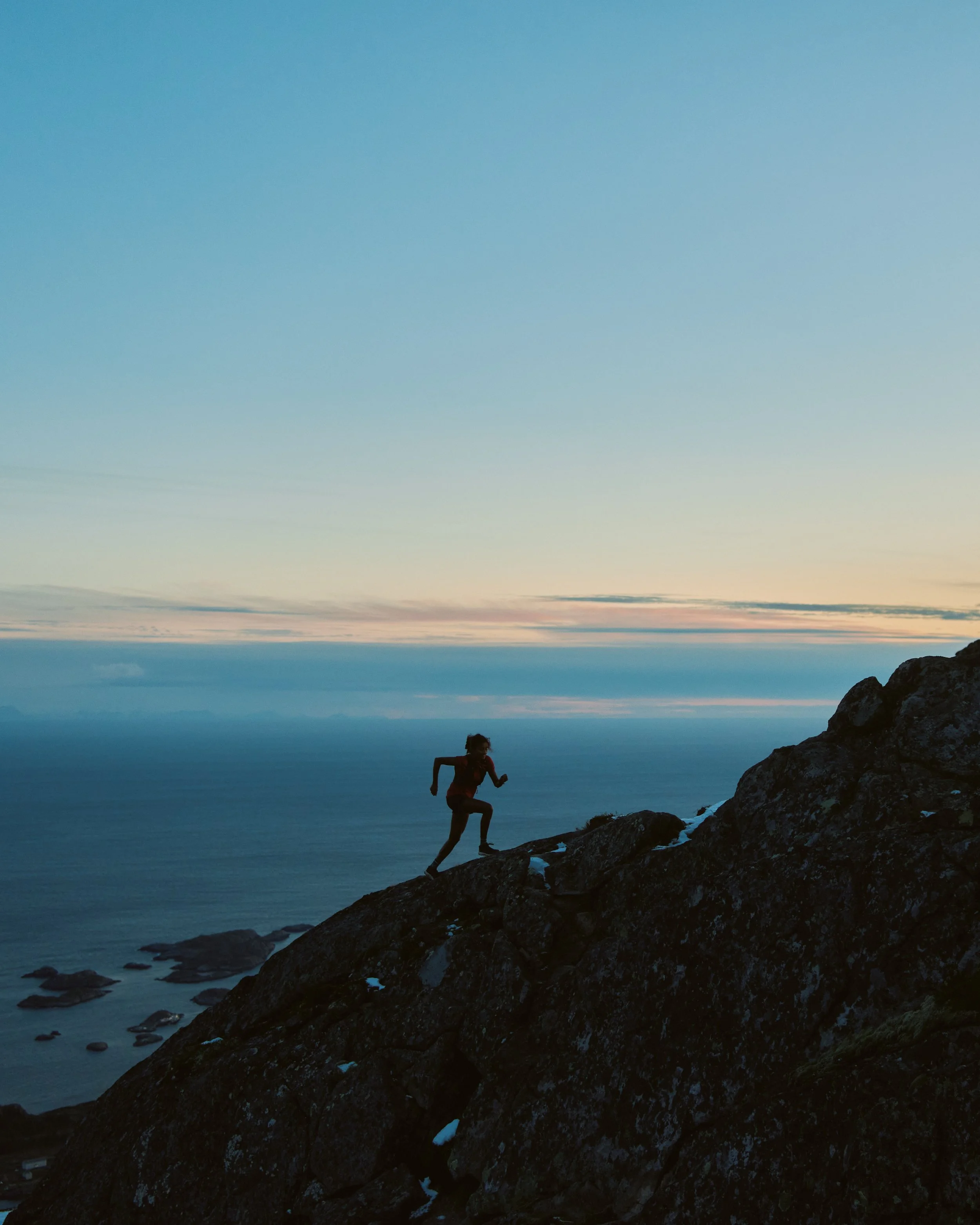
Reach Kabelvåg at the right hour—just as the light surrenders to winter—and the world becomes elemental. Mountains, sea, weather. Nothing else. It’s a landscape that doesn’t flatter; it exposes. Which is perhaps why it suits someone like Shanga Balendran so precisely.
She is not reluctant, not in the quiet corners where decisions truly form. She’s more like a controlled force—someone who doesn’t announce herself until the moment the trail demands it. Then she appears: calm, deliberate, reading rock and ridge with an instinct sharpened by years of solitude and science. A doctor by day, a mountain runner when the rest of us are crawling toward the sofa, and a woman who built her athletic identity not from ambition, but from an accumulation of choices that all pointed upward.
The beauty of talking to Shanga is that she traces her own path without mythology. No dramatic origin story, no self-mythologizing—just a steady, curious, deeply human relationship with mountains. If she descends on a trail like a statement, it’s because she’s earned the right to speak the language.
This conversation moves the way she runs: patient in the approach, sharp on the ridge, honest all the way through. She didn’t ask for the spotlight. But when the mountains opened for her this year, she stepped into them with conviction—and the light followed.
I
It’s getting dark now. Proper dark. Where in Northern Norway are you? You’re in Lofoten, right?
Yeah, I’m in Lofoten—Kabelvåg. Have you been up here?
A long time ago, but yes.
It’s insanely beautiful. But no matter how many winters you’ve lived through, the dark season always arrives like someone turning off a light switch.
When we see all these extraordinary photos of you—running knife-edges and ridgelines in Lofoten—what happens when the darkness finally swallows the place? What do you do?
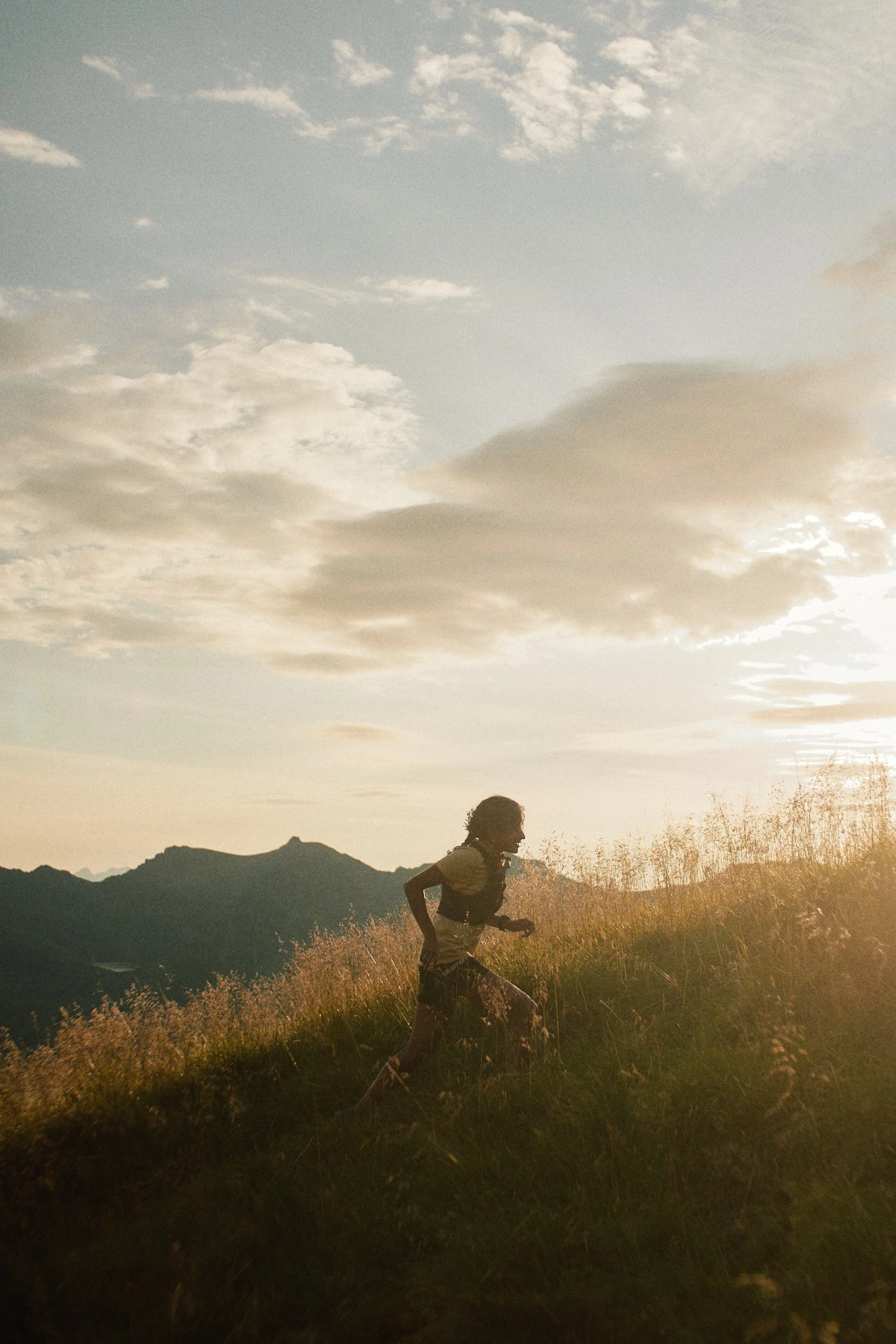
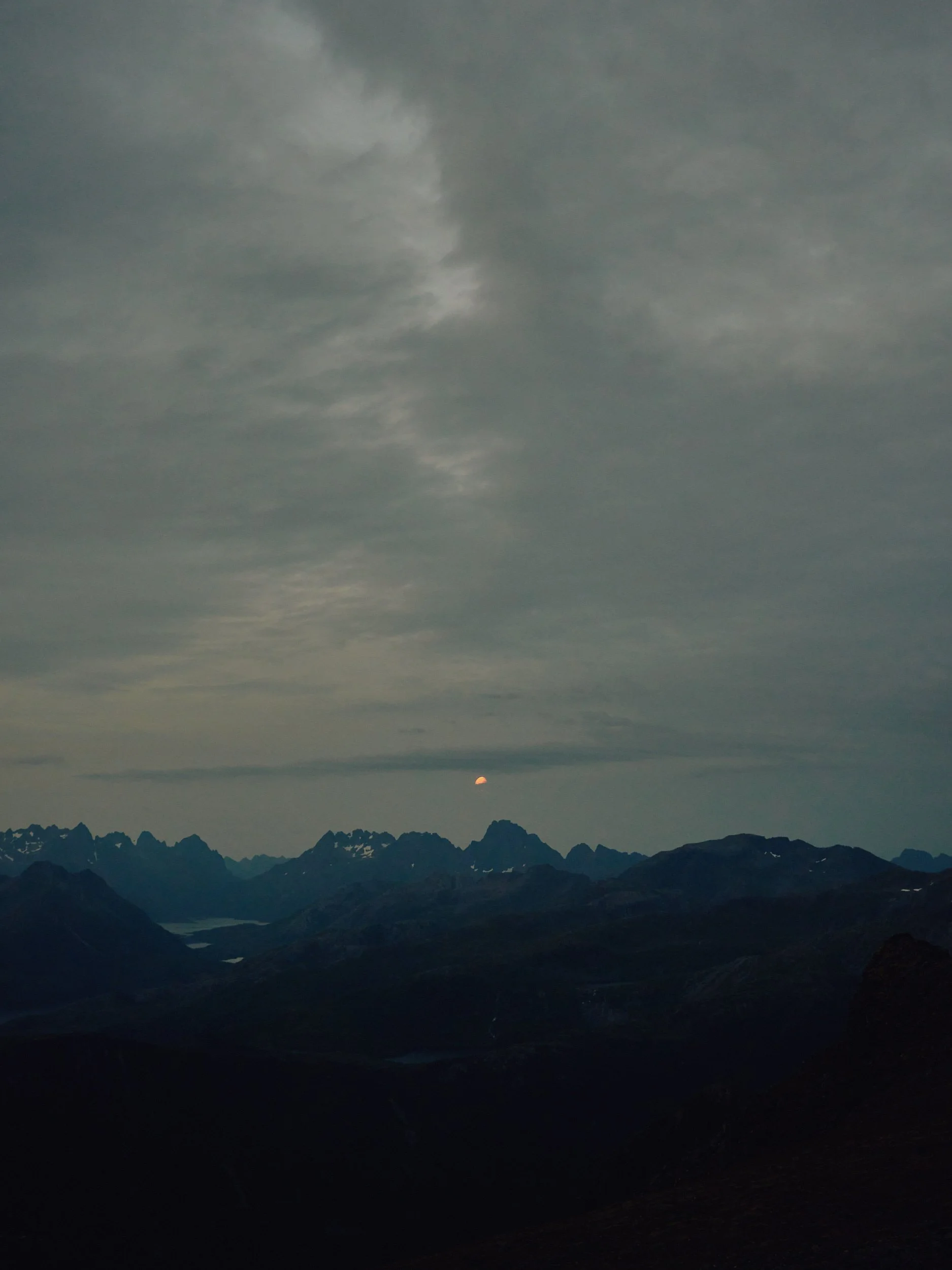
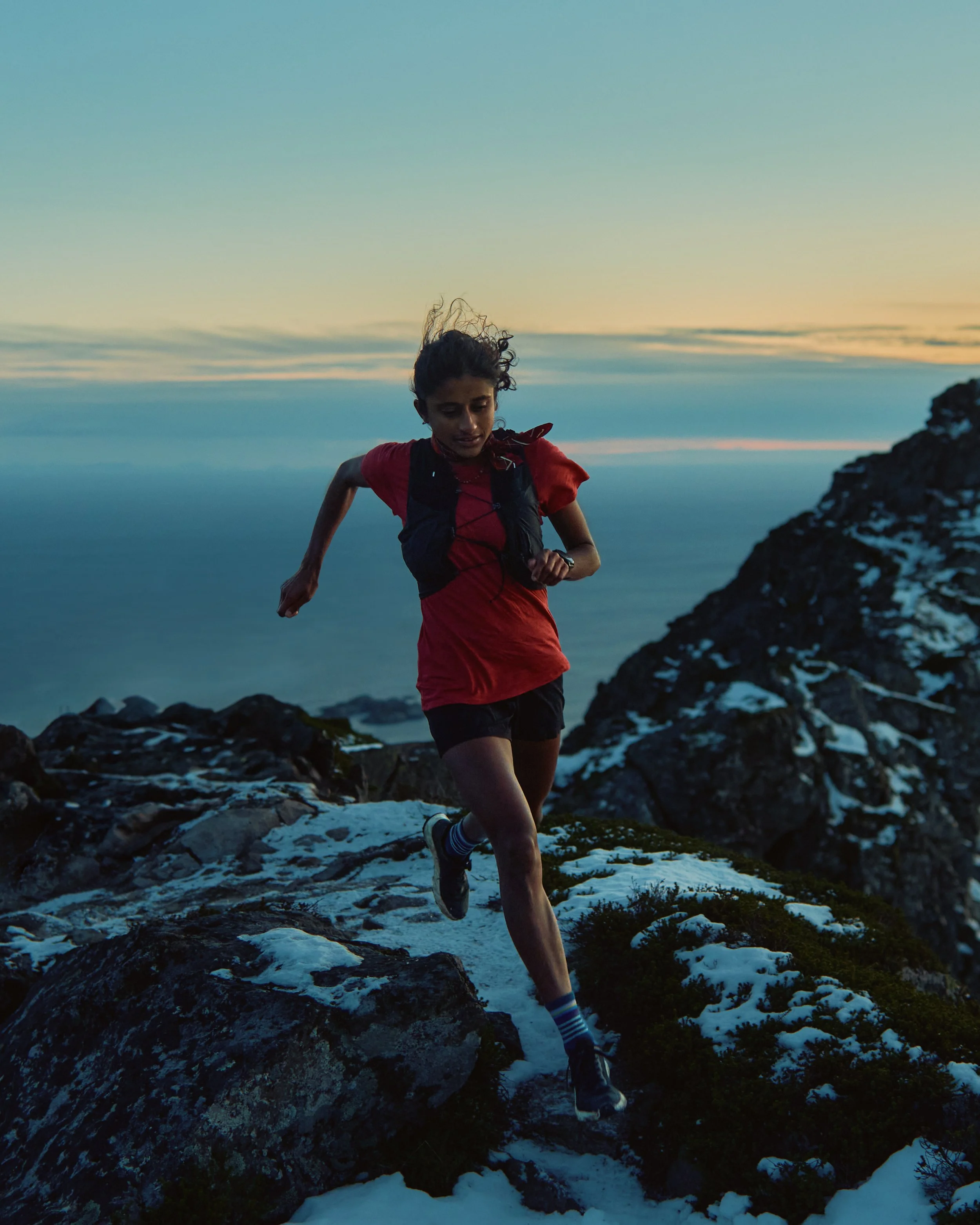
You grab your headlamp. There’s not much else to do. This time of year I run almost exclusively with a headlamp after work. And honestly, I kind of like the shift. Everything slows down; the whole world quiets. You can’t fight the season, you just… surrender to it.
How long have you lived in Lofoten now?
This is my fifth year. I moved up saying I’d stay for one year—just try it out. Now it’s been four and a half. Before this I lived in Molde, which also has incredible mountains. Life feels wild, simple, calm here. I can literally run home from work over a mountain. No traffic. No wasted time. It’s such a luxury. I grew up in Oslo—okay, not a huge city, but big enough. And I guess I never really felt like I fit there.
How long do you think you’ll stay?
That’s the million-kroner question. I’m a restless soul by default, but for some reason I’ve found a weird sense of peace here. I think I’ll stay. Unless a new opportunity suddenly pops up—that does happen.
Back in the day you were part of the ‘Stirsdag-crew’ and the whole Oslo running scene. How does Lofoten compare?
It’s different. There’s a great running club here—fantastic people—very tight knit, everyone knows everyone. But honestly? I don’t have a ton of training partners. I have a couple of good ones who will join for big adventures, who never complain about weather and are up for anything. But the running communities in Oslo and Molde were bigger. Especially Molde—I had so many training buddies. And yes, I love being alone in nature, but I won’t lie: sometimes I miss having a real training group.
How does that affect your running? Most athletes at a high level seek out big training environments. You almost did the opposite. Would it be easier—or harder—for you to perform if you had a big group?
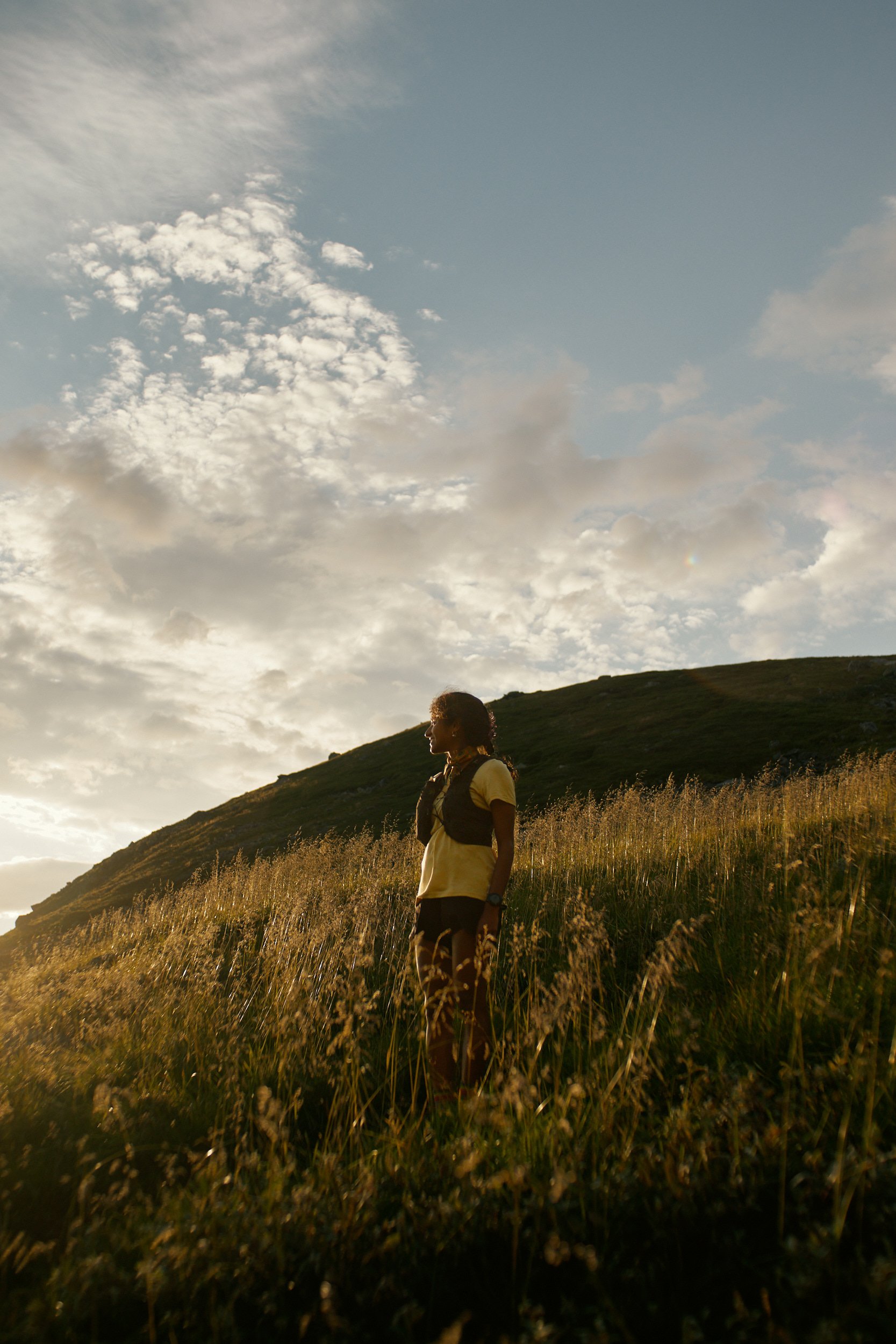
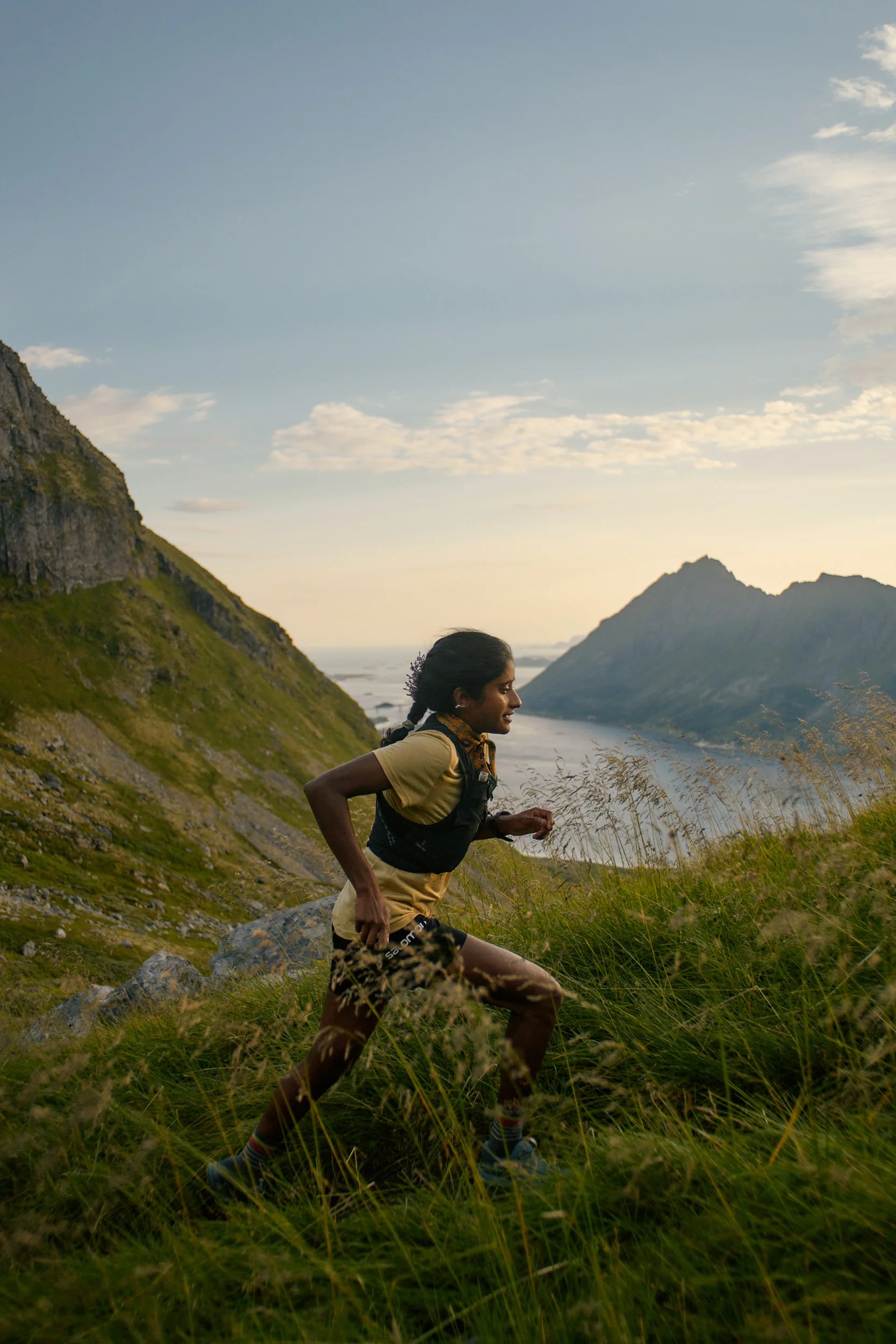
The truth is, I’ve never been very focused on performance. I’ve run for years but hardly raced internationally. This is the first year I’ve bothered to add real structure to my training. Before that it was always about adventure—discovering new places, new ridges. In Lofoten you reach a summit and suddenly you see a network of ridges in every direction. It’s endless.
But yeah—I totally believe a training environment can push performance. Still, I also feel like I have what I need: mountains, technical terrain, and one very good training partner. I try to focus on what I have instead of what I don’t.
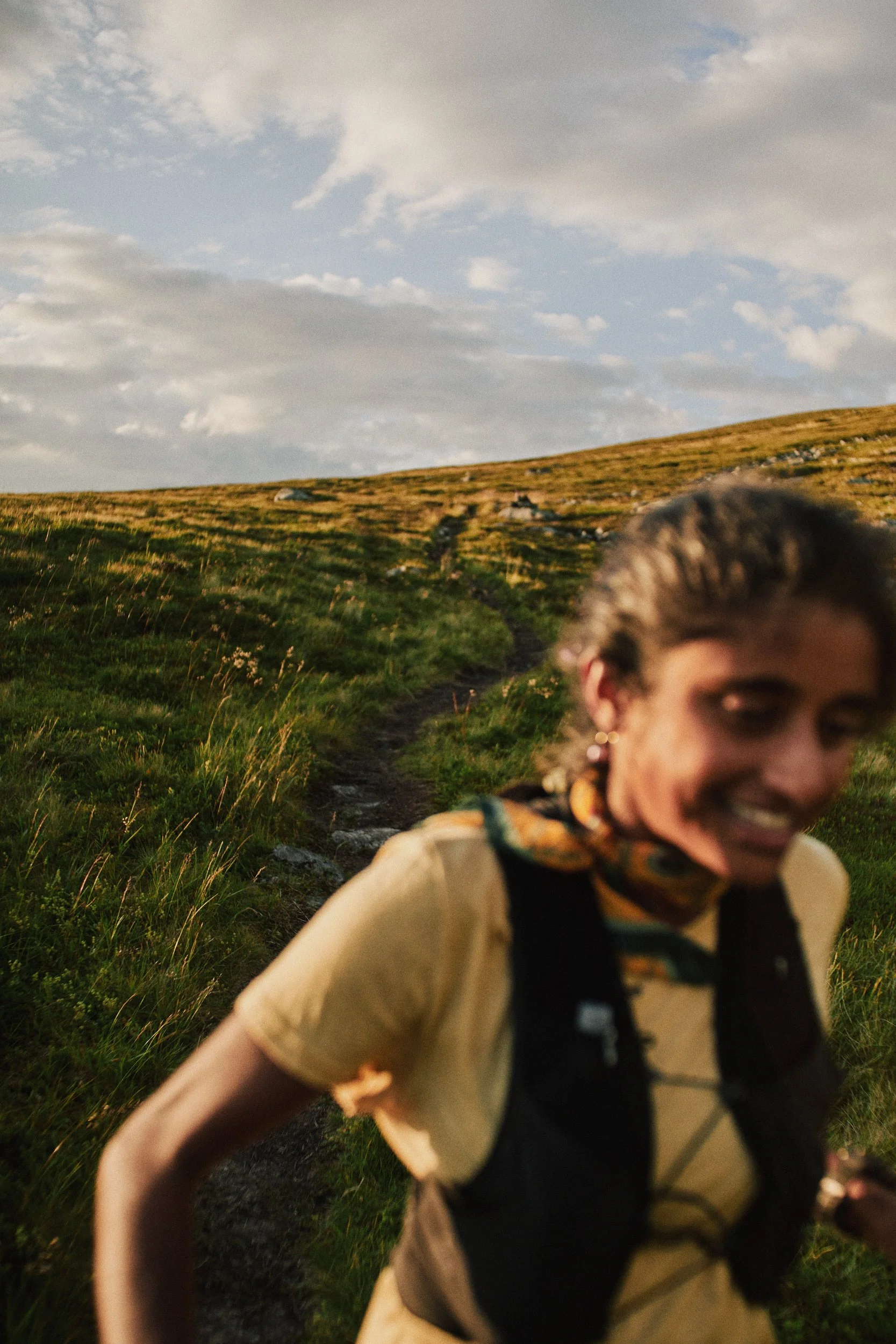
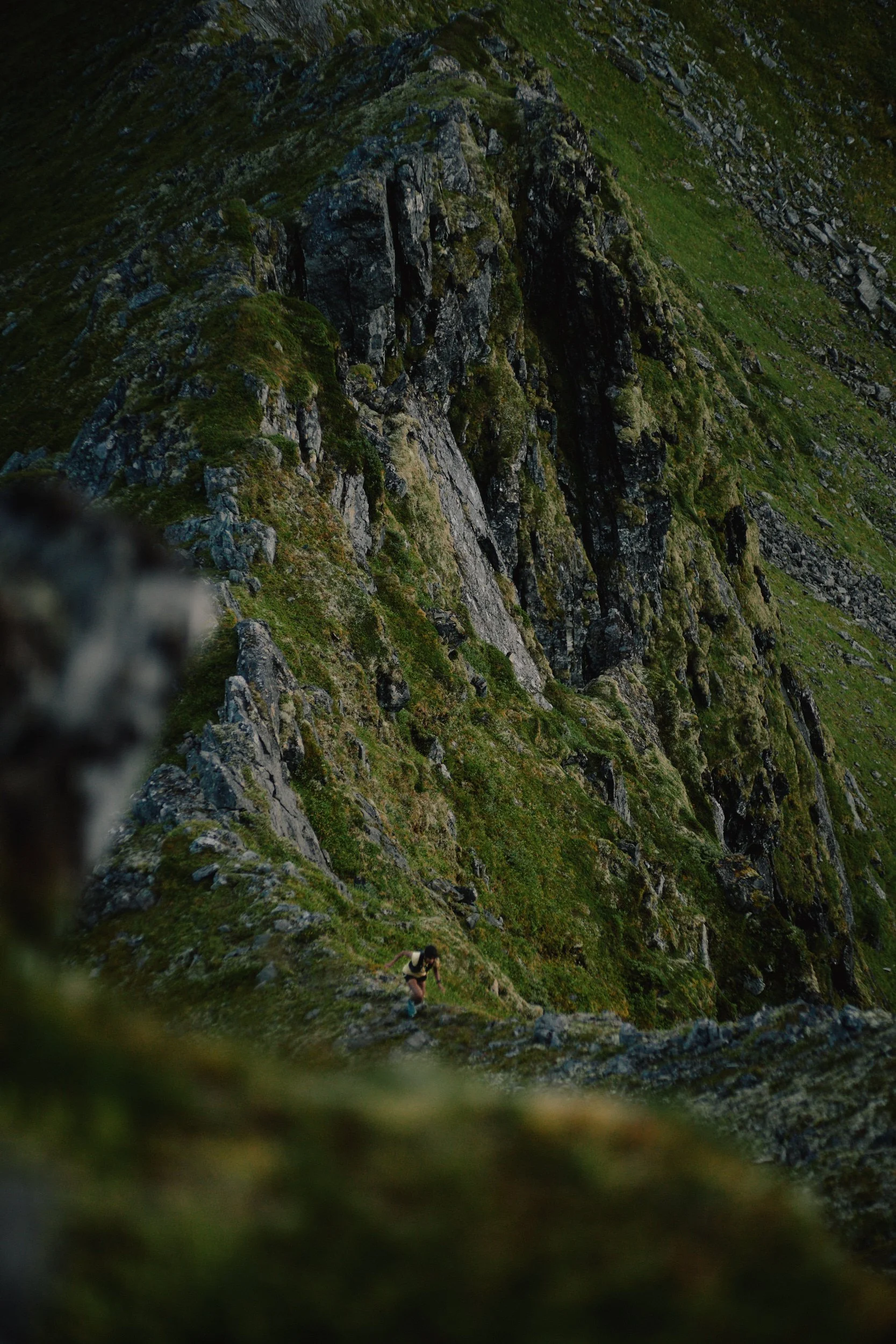
Here in Lofoten you have a few trails and the rest is sheep tracks. I run a lot off-trail—heather, rocks, chaos. I love it. But yes, sometimes it’s nice to return to the manicured trails of the Alps. Still, the rawness here is special.
II
At the same time, your best results ever came this year. Why do you think that is?
That’s what I keep asking myself. I started this season injured for three months. When I got injured in March, I basically shelved my ambitions. I was in great shape all year, but the uncertainty was huge. I was pain-free only four weeks before the Skyrunning European Championship. Three of those weeks I could actually train, and the fourth I got sick. So the fact that things clicked… it’s surprising. But maybe it’s just the result of many years of running. Plus one or two adjustments this year that were exactly the right ones. At a certain level, small changes are everything.
Also—this year I’ve run the least I’ve ever run. All-time low in running volume, all-time high in alternative training. Lots of skiing, lots of cycling. I’ve barely run 60–70 km a week. So maybe I just used to run way too much.
What injury did you have?
I came home from a training camp in Africa, went straight into full-time work, and was dealing with grief after a friend died in an avalanche. Tons of emotional stress. I went into 100% work, constant activity. The total load was way too high. I was running on snow, and it ended up overloading my adductors—the muscles inside the thigh that attach deep on the femur. They were literally pulling on the bone. I developed a stress reaction, grade 1 or 2. It took 12 weeks before it was pain-free. Strange injury, but total life load absolutely matters.
You don’t have a coach, right? Do you see value in it—or are you genuinely comfortable navigating everything yourself?
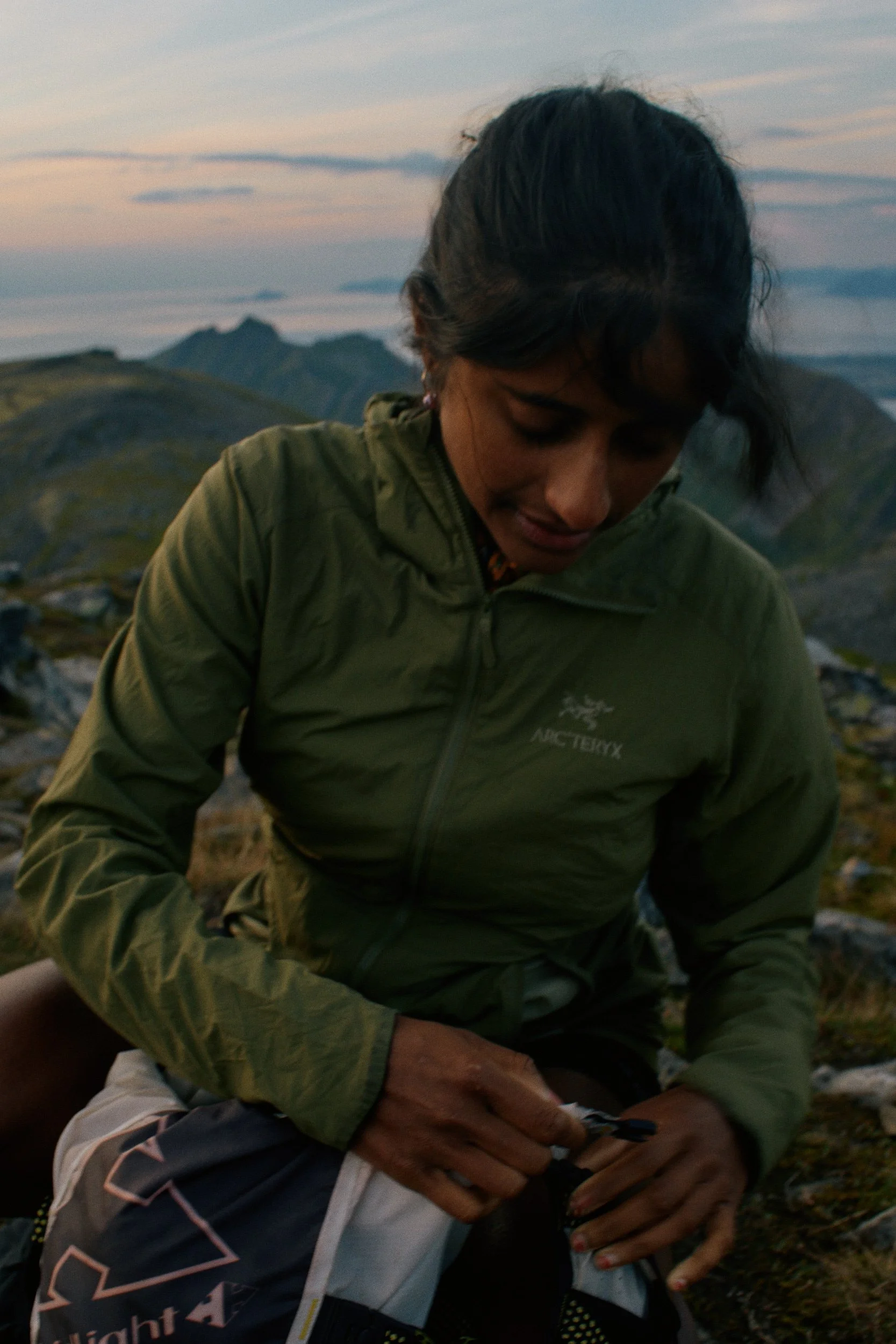
I’m a doctor, and I’m obsessed with training physiology. Even if I seem like a free-spirited type, I actually love numbers and details. I like doing things myself. But I’m lucky—I have close friends who are doctors or physios, and I use them constantly as sparring partners. That’s incredibly valuable.
I’m nerdy with maps. I spend hours studying them. And I have a very low threshold for turning around. If something feels unsafe—ice, exposure—I turn. No photo or summit is worth it.
80–90% of my runs. I love company on long adventures, but intensity sessions I prefer alone. Some people treat training runs like races—I’m not into that. My favorite sessions are long threshold climbs—20–30 minutes up a mountain.
How has your training philosophy changed over the years?
Adventure has always been the core. I’m not afraid of running far or hard, but running has always been… an exploration. These days the difference is only that I’m a bit more structured—shorter long runs, sometimes split into two, and a sprinkle of proper high-intensity work. But most of my training is still long, easy mountain days. It’s always been a sanctuary for me, not a performance arena. And it needs to stay that way.
III
When did you actually start running?
I have such vivid memories of running in the forest with my dad when I was five or six. He was a cross-country runner back in Sri Lanka. He’d bring his old stopwatch, teaching me nasal breathing and staying calm at high intensity. I did athletics, handball, football—all the sports. But running was always the thing I was naturally good at. I didn’t get into long mountain running until I was 19–20. So it’s been eleven years now.
And in Oslo—how did trail running look back then?
I had two study friends who loved doing long adventures—long trail runs, long ski days. Then I moved to South Africa for a year, and got pulled straight into a mountain running community. That’s where I was first pushed into actual competitions.
You’ve done these huge adventure races very early in your running life. What made the biggest impression?
Actually—not a race. After that year of studying in South Africa, I spent three months roaming alone in Africa. I just picked mountain areas I’d seen on a map, went there, and always met people who wanted to join. That period shaped me deeply. Before you go, everything feels scary—you wonder if you’ll manage. And then you just do it.
I’ve worked as a medic on multi-day races in Nepal three times. The first time I was a fourth-year medical student who emailed the organizer saying: “I can’t afford the entry fee, but I have medic experience—do you need help?” He said yes. Then the Nepali doctor got injured on day one, and suddenly I was responsible for 70 runners. At 23. I saw more as a medic in those ten days than in months at the hospital.
But what made the deepest impression was the people in the villages—4,000 meters up—who lined up when they heard there were doctors in town. It changes you.
Has running always come naturally, or did something shift after those travels?
Running has always felt natural. I’m impatient—walking doesn’t suit me. Running is the perfect middle ground between exploring and moving. Many of my closest friendships have come through running.
How has your training evolved through all these years?
In the beginning I didn’t think about training at all. It was all adventure. But I learn quickly—I understand physiology, I know what’s required. I just wasn’t ready for the discipline before. I had a friend who tried so hard to get me to follow plans. Poor guy—I never listened. I just wasn’t ready.
This year has been fun because I finally added structure—and it works. But it’s also been a knife-edge balance: how much is too much, when to back off? You always know you should’ve backed off before you feel pain.
IV
What was it like wearing a national team jersey?
Huge. Two years ago I accidentally entered a world championship trial because a friend told me to. I came third—didn’t get selected. Fair enough. But I think the idea of the national team stuck somewhere in the subconscious. This year it became a goal—until I got injured. Then I let go of it… and suddenly the opportunity came anyway.
How was the reaction after winning European gold?
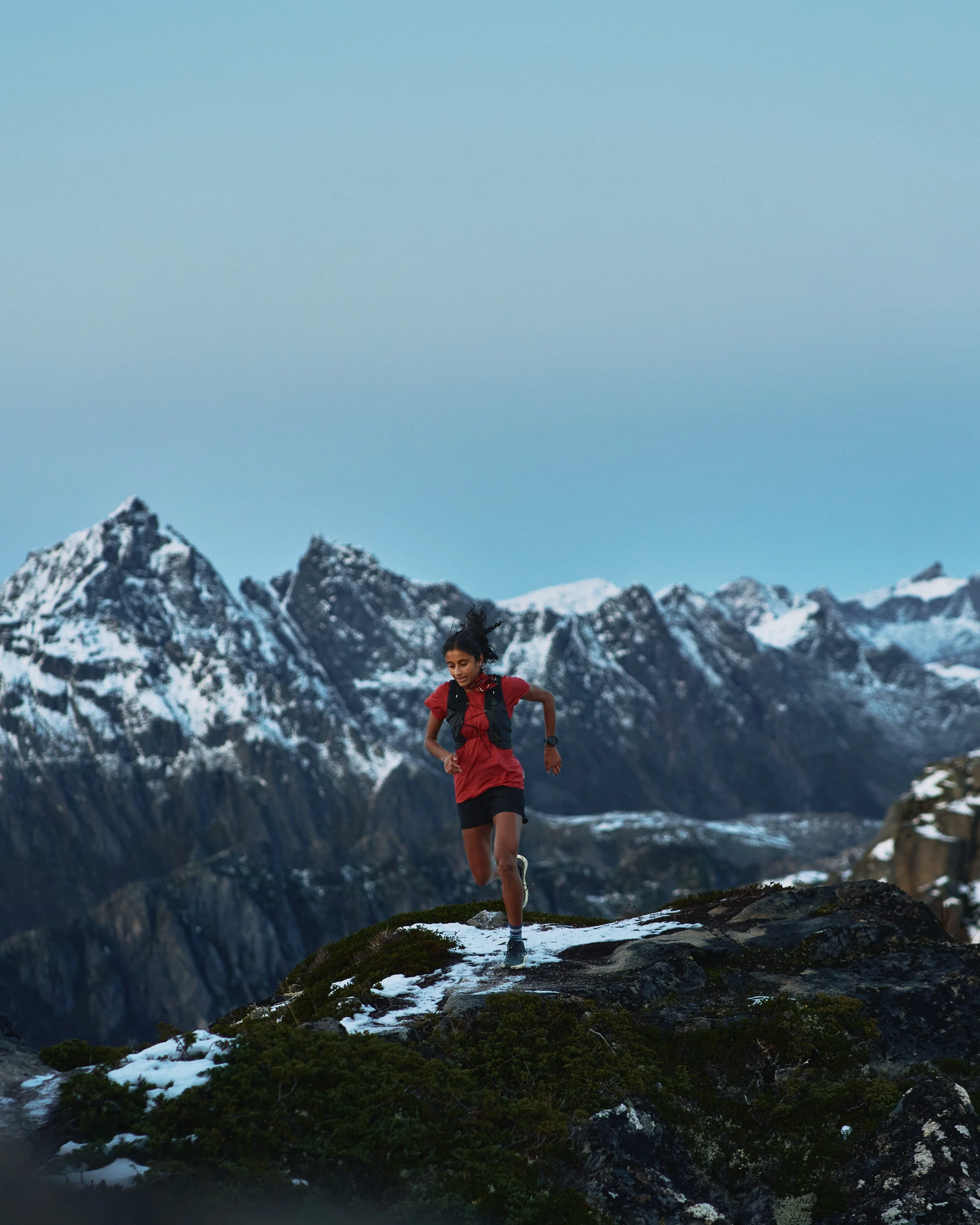
Surreal. I knew I was fit, but with all the chaos—injury, bronchitis for a week right before the race—I didn’t dare hope. My dream was to be in the top five. But on race day I felt amazing. And when we hit the ridge and I realized how insanely technical the course was—way more than expected—I knew this suited me perfectly.
Then it started raining, windy, and lightning in the next valley. My favorite conditions. Everything just aligned—terrain, weather, headspace.
Have you always been good on technical terrain?
It evolved gradually—in Romsdal and here in Lofoten. Even the backyard trails are technical. I don’t run downhill fast on training days, but in races something switches on.
What happens now? Are you hungry for more?
Of course. But what I love about mountain running is that you’re never complete. OCC humbled me completely. It’s so runnable—totally different from the EM course. That contrast motivates me. I want to develop all the skills. I’ll keep doing this as long as it feels right. The second it doesn’t—I stop.
It’s wild that you combine full-time work with elite-level running.
It’s a lot. Cutting night shifts has been a game changer. And this summer I reduced my workload. It made a huge difference.
Are you a local hero in Kabelvåg now?
People have been incredibly kind. Patients, friends, locals—they all say they’re proud. It means a lot.
How do you see the Norwegian running community?
It’s fantastic. Warm, welcoming, connected. I’ve dropped into cities for courses, messaged a random runner I only know by name, and gone for a run with them. It’s a beautiful community.
V
Where do you stand in the whole UTMB / big-circus part of the sport?
I ran OCC this year for the first time and honestly felt completely out of place. It’s probably a bit controversial to say, but it was too commercial for me. Too many flashy stands selling “green” luxury running products.
UTMB has given the sport huge visibility and made it possible for people to live from running. That part is amazing. But I love the old Italian village races—tiny, volunteer-based, chaotic, heartfelt. Trofeo Kima is pure magic.
Is running motivation hard in Lofoten when winter arrives?
Right now—in between seasons—it’s tough. Dark, icy, cold, no snow yet. But once winter fully arrives, it gets easier. And the rebuilding phase is important. I try to embrace it.
Do you ski a lot in winter?
Tons. This winter and spring, skiing was almost all my training because of the injury.
Are you becoming more of a climber—more of a mountain person—than a pure runner?
Maybe. But real Lofoten climbers would laugh if I called myself a climber. There are world-class climbers here. I join on some routes—always as second. I can lead, but it’s not my focus. I love learning from them. It helps so much in skyrunning—moving over exposed ground, scrambling efficiently.
I always have one or two mountain projects a year that mix running with more exposed terrain. It’s addictive.
Why have you stayed in Lofoten for five years instead of one?
I never truly enjoyed city life. I spent so much time on things I didn’t care about. Here, nature is right there. Fierce, dynamic, humbling. Mountains and ocean at the same time. But the biggest reason is the people. Lofoten is full of misfits who chose life differently—freelancers, creatives, climbers, adventurers. It’s incredibly stimulating to be around people who follow their own path.
What are your favorite trails in Kabelvåg?
Kabelvågmarka is the loyal friend when the storms come—small hills, flowy trails. Otherwise I’m often on Varden and Stortinden, my backyard mountains. Even in peak tourist season I usually see no one.
Do you travel in order to train in winter?
I try to go to Nepal or Africa in November–January, but it depends on work. Those months are perfect to escape. But January in Lofoten—the return of the sun—is magical.
Goals for next year?
Trofeo Kima—my A-race. It’s only held every two years and is insanely technical. Then probably the Skyrunning World Champs, which I think are on La Gomera. And then I’ll fill in the rest depending on work.
And sponsorships?
Offers have come. But I’ve always had a job, so I’ve never needed gear sponsorship. And I really don’t want a sponsor dictating my race calendar. If someone supports the way I want to run—great. If not, I’m good.
This year I got an incredible stipend from the regional bank. They surprised me with a giant check—it was hilarious. And helpful.
For people dreaming of mountains but living in the city—how do they start their own version of your journey?
You don’t have to move to Lofoten. Explore the trails you already have access to. Most of us stick to the same familiar routes, but there’s always more just beyond them. Try new areas, not only the places you know by heart. Even experienced trail runners feel a little uneasy stepping into unfamiliar terrain—that’s completely normal. Start small. Expand gradually. Norway is full of gentle, inviting landscapes that build confidence one trail at a time.
There are athletes who dominate through fire and noise. And then there are athletes like Shanga Balendran, who master their craft through presence—through attention, humility, curiosity, and a kind of disciplined joy that refuses to burn out.
She moves like someone who trusts the long road: patient in development, unafraid of slow seasons, willing to learn every inch of a ridge before pushing on. The paradox is that this restraint is exactly what makes her so dangerous on race day. When the weather turns feral, when the course tilts toward exposure and fear, when others hesitate—she seems to come alive.
Maybe that is her true superpower: she doesn’t force greatness. She allows it the space to arrive. And when it does, it carries her up the kind of mountains where very few people know how to move. From there, she runs home to Kabelvåg, headlamp slicing through the dark, quiet in her stride, but unmistakably a force of nature. A champion who never needed a spotlight to see where she was going.
SHARE
OTHER STORIES
-
born to endure
CULTURE
-
from the track to freedom
INTERVIEW
-
The first step
CULTURE
-
A Nordmarka Classic
CULTURE
-
The Art of Fast Skis
INTERVIEW
-
Nattvasan
CULTURE