
ABOVE THE NOISE
Interview by Markus Rössel
Photos by Gustav Wiking
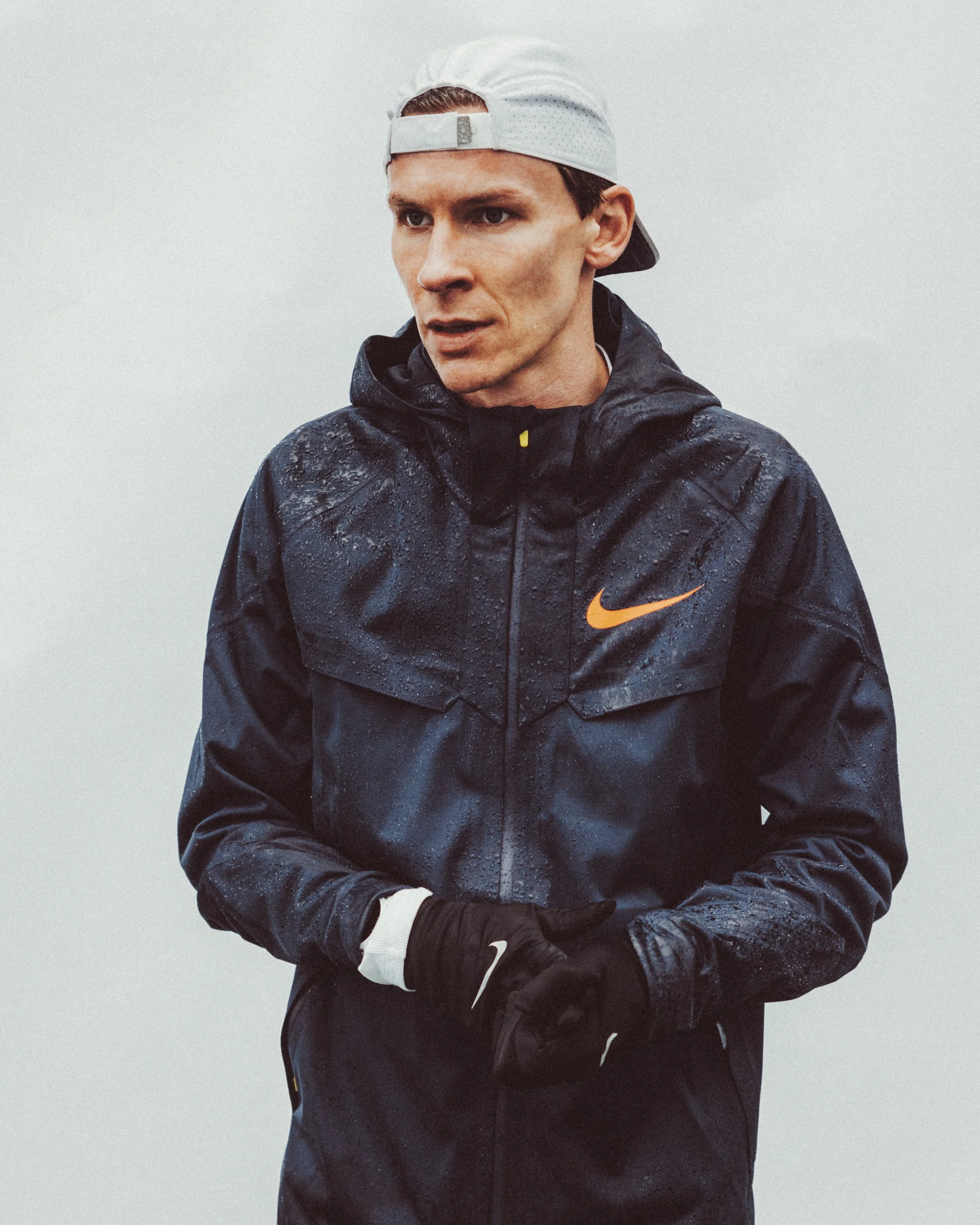
In the thin air of Spain’s Sierra Nevada, 2,300 meters above sea level, Andreas Almgren, now 30 years old, has learned the value of disappearing. Up here, the world narrows. The roads are few, the days repetitive, the horizon fixed. The mountains shelter him from noise and public expectation, holding him steady in a landscape that rewards patience and punishes excess. Nothing arrives quickly at this altitude - not oxygen, not clarity, not progress - and that is precisely the point.
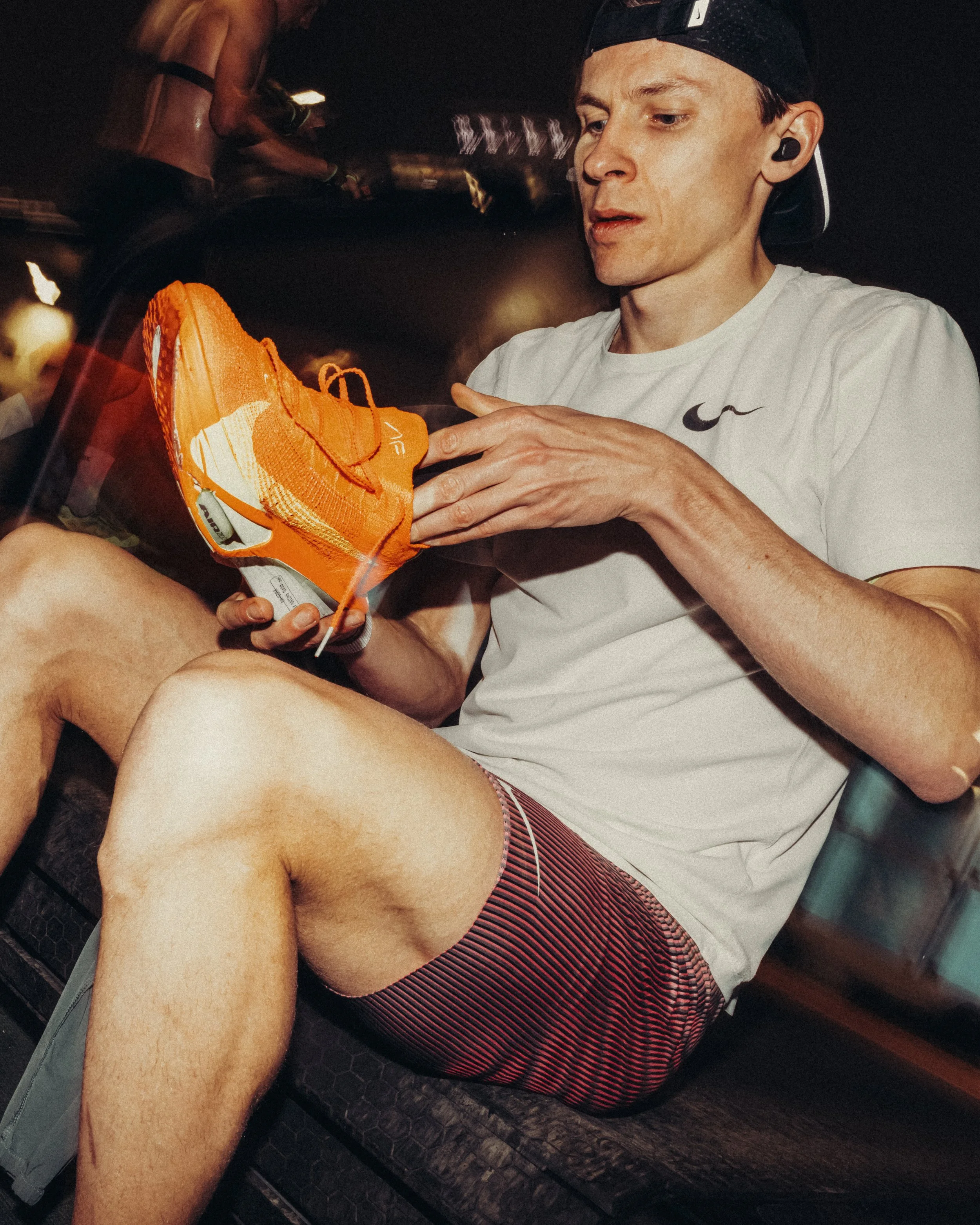
Almgren’s European record in Valencia already belongs to another moment. At an age when many athletes feel pressed by time, he has chosen distance instead - from headlines, from urgency, from the impulse to chase what has already passed. Ahead of him lies a season still forming, heavy with both ambition and pressure, with dreams that remain deliberately out of focus.
For now, only the space between matters. These are carefully protected days, lived at a controlled distance from distraction, devoted to repetition and restraint. Everything here is measured: the terrain underfoot, the hours of sleep, the rhythm of training, the energy spent and the energy saved. In this narrow stretch of time - between what has been proven and what is still possible - Almgren works quietly, trusting that patience, practiced far from the noise, will carry him forward.
I
You’ve been up here for a while now. How long has this camp been so far?
“About two and a half weeks,” Almgren says. “So almost three weeks at this point.”
And how long will you stay in total?
“I have exactly three weeks left. I raced in Valencia, and my next race is Castellón 10K on February 22nd, so this camp sits perfectly in between those two races.”
The race calendar, however, wasn’t the only reason Castellón made sense.
Was that race always part of your plan, or did you choose it because of how fast the course is? The world record was broken there in 2022, right?
“I had looked at it beforehand,” he explains. “Obviously, it has a reputation for being very fast - Yomif Kejelcha ran 26:31 there last year - so I checked the date, and it just fit really well. I was also thinking about the Barcelona Half, but Castellón made more sense with everything else I had planned.”
Everything else includes altitude, familiarity and a season focused squarely on the 10K.
So Sierra Nevada fits naturally into that plan?
“Yeah, exactly. I wanted to focus a bit more on the 10K this winter and historically I train very well here. Going from Valencia straight up to Sierra Nevada and then back down again for Castellón felt like the most logical setup.”
Almgren has trained all over the world, but Sierra Nevada has become his default.
You have plenty of options for high-altitude camps. Why do you keep coming back here?
“First of all, the logistics are incredibly easy,” he says. “This time I raced in Valencia, flew to Málaga the same evening, slept one night there, picked up a rental car, and drove up the next day. It’s only about a two-hour drive from Málaga.”
Compared to that, he explains, traveling to East Africa or South Africa is essentially a full day of transit, followed by days of recovery just to feel human again. Even places like Flagstaff come with a cost.
“The US can be great, but you’re dealing with a nine-hour time difference. Usually the first week doesn’t feel very productive.”

II
What Sierra Nevada offers instead is simplicity.
So it’s about removing friction?
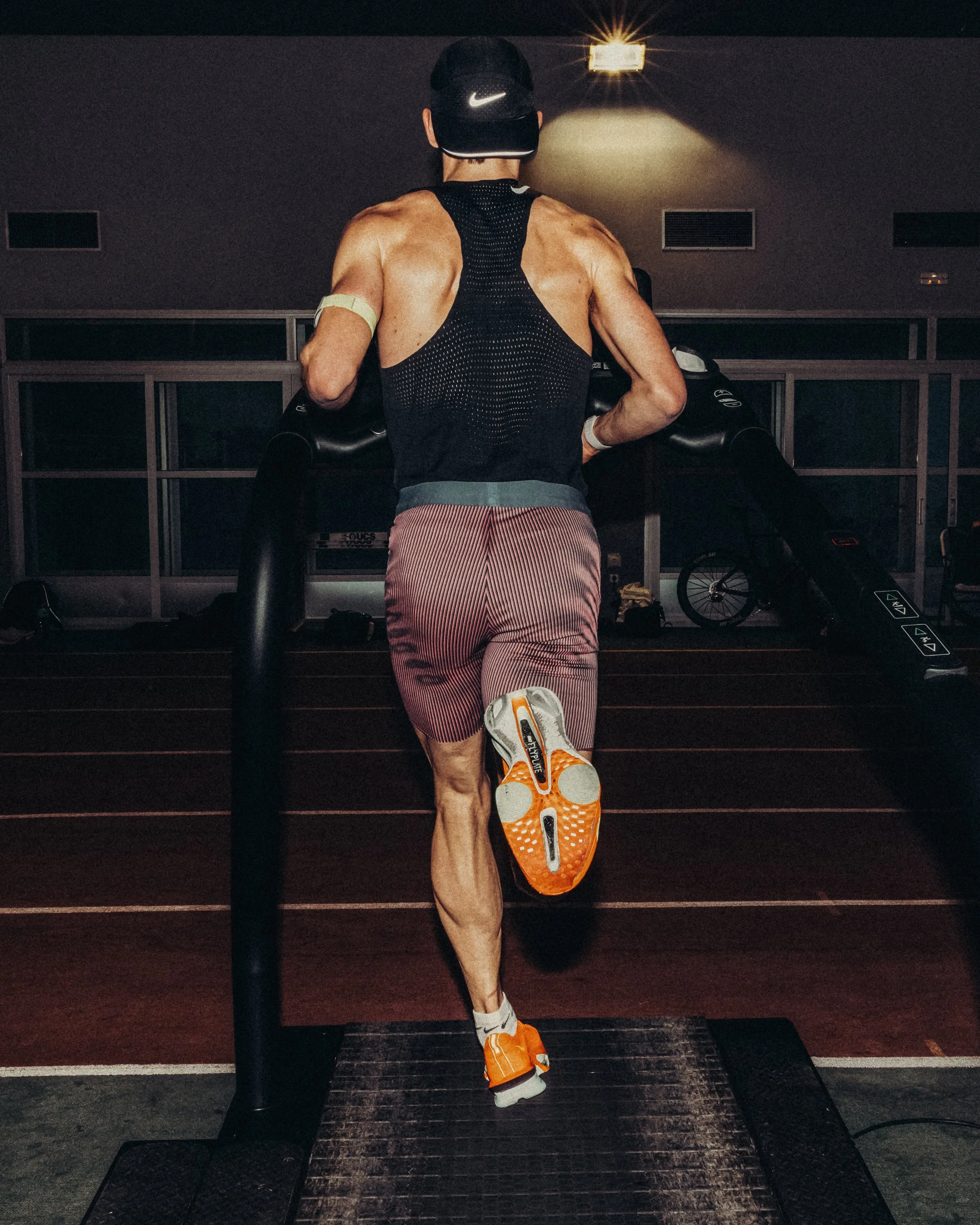
“Exactly. Life here is very straightforward. You have your room, meals are taken care of, your room gets cleaned, and everything you need for training is right there. The track is on site - although it’s snowed in right now - and if that happens, the facility has very good treadmills.”
Even the running routes are limited, which he sees as a positive.
“There are a few good roads and trails, but not so many that you’re constantly deciding where to run. Most days I just head down the same road, and that’s basically my only option. I try to remove as much thinking and decision-making as possible.”
That simplicity has paid off. This is Almgren’s sixth camp in Sierra Nevada and across all six, the record is spotless.
“I’ve never missed a single workout,” he says. “No injuries, no illnesses, no overtraining issues. It’s just been consistent work day after day, and that’s something I really value.”
Consistency has not always been a given in his career. Between 2016 and 2019, injuries repeatedly derailed his progress. Perhaps that’s why the current stability feels so carefully protected.
Does being up here also help you step away from the attention after big performances?
“Yeah, for sure,” he says. “I like the attention - I actually enjoy it - but it can be a lot, especially after a race like Valencia. I like racing and then almost immediately disappearing into a camp. It makes it much easier to reset mentally.”
III
He’s done the same before.
“When I broke the European record in Stockholm, I went straight to St. Moritz the day after. Just to get away from everything for a bit.”
Despite the altitude and winter conditions, training rarely feels compromised.
Even when the track is snowed in, your routine doesn’t really change, does it?
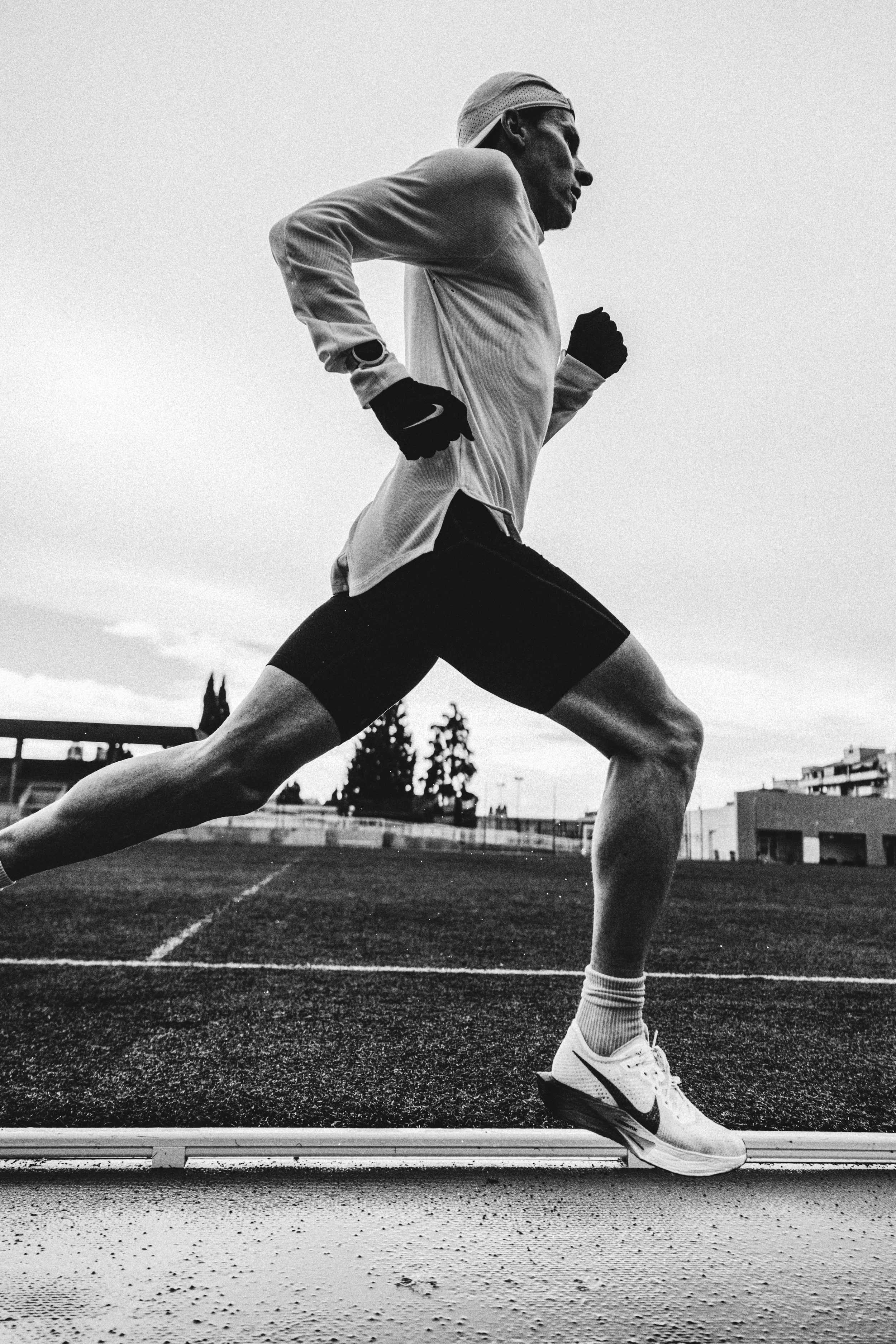
“No, not really. When the track is snowed in, we just go down to Granada. That’s actually one of the biggest advantages here. You’re living at 2,300 meters, but in about 35 minutes you can be down at 700 meters, which makes it possible to do really high-quality sessions.”
Down there, winter feels mild.
“It’s almost never freezing,” Almgren says. “Even on the coldest days it’s usually around 10 degrees during the day. We usually go down at least three times a week - for two track sessions, a long run and sometimes an easy run.”
How long is a long run right now?
“I’m up to 30 kilometers,” he says with a smile. “Now I’m allowed to call it a long run. Twenty kilometers - I’m not sure. But 30, that counts.”
Training partners come and go. Almgren doesn’t travel with a fixed group and seems comfortable with that.
“I’m happy to train with someone if they want to join,” he says. “But a lot of people go to warmer places or stay lower, so I just train with whoever is here.”
He’s spent many camps alongside the Norwegians, which makes collaboration easy, but he’s also comfortable working alone.
“For threshold sessions, it’s obviously nicer to do them with someone. If I’m alone, I might run a bit slower because I have to do all the work myself, but in the end it’s about hitting the right intensity.”
Group training, he adds, isn’t automatically better.
“The best scenario is training with someone very close to your level. That was the case last spring when I trained with Emile Cairess. He was coming from the marathon - he ended up fourth at the Paris Olympics - and I’m more from the 5K side, but our threshold sessions ended up being perfect for both of us.”

IV
Looking back on last season, which brought both breakthrough performances and significant public attention, Almgren is clear about what he’s learned.
Looking back on last season, which brought both breakthrough performances and significant public attention, Almgren is clear about what he’s learned.
“I enjoy the hype,” he says. “I like when people stop me on the street and want a photo. But I don’t take it for granted, because I’ve had so many years with injuries before.”
The biggest shift, he explains, has been planning and restraint.
“I’ve learned the importance of very detailed planning and being cautious. If you have a clear plan and avoid unnecessary risks - especially mistakes I made earlier in my career - things usually work out much better.”
Listening to his body has become non-negotiable.
“If I feel pain that’s unusual, I stop immediately. Resting for three days now is much better than doing rehab for two months later.”
He’s also relaxed about external expectations.
“I’ve had so many bad years that I know my friends would still be there even if I ran terribly. The only expectations I really need to manage are my own.”
Data plays a role, but it’s not the whole story.
“I put more value on numbers now,” Almgren says, “but I also listen much more to how things feel. For race-prep sessions, I don’t really care if the lactate is 14 or 23. What matters is the sensation.”
Over time, trends matter more than single values.
“And interestingly, overtraining research shows that the strongest indicator is often just how you feel. So you really have to learn to listen to that.”
That clarity feeds into a season built around one fixed point. The European Championships in Birmingham are the priority. Not part of the plan - the centre of it.
“Absolutely,” Almgren says.
Everything this winter is structured with that race in mind. The 10,000 meters. One event. One outcome.
“There is an option to also run the 5.000 meters,” he says, “but that depends on how the Diamond League season goes. I’d rather go all in for one gold than split the focus and end up with two silvers.”
The choice mirrors his training now - stripped of variables, distractions and risk. One target. One deliberate arc of preparation. Beyond Birmingham, September brings two championships a week apart. 5,000 meters or half marathon? The answer can wait.
For now, the line runs straight to Birmingham.
V
Day to day, though, the horizon stays close.
“I know what I’m ultimately training for,” Almgren says, “but the only thing I can really affect is my next session.”
Today, that session was easy.
“This morning I did a 10K run with some plyometrics and strength work and later I’ll just do an easy 12K. Tomorrow is the big workout.”
He’s happy to share what that means.
“It’s basically half-marathon-style training. Last week I did 15K on the treadmill up here at altitude, alternating between 17 and 20.5 km/h. It’s pretty tough.”
Afterward came short reps for the running economy.
“I got a really good response from that kind of work before Valencia, so we’ve kept it in.”
After Castellón, he’ll head home briefly - football, family, semla, normal life - before likely returning to altitude again in April.
Does he ever get bored?
“Four weeks is no problem. Around five weeks it starts to feel a bit boring, and by six weeks you’re definitely ready to leave,” he says. “But I’ve stayed six weeks before.”
For now, practicality wins.
“Places like Flagstaff are great,” Almgren says, “but unless I’m racing in the US, the travel and jet lag just don’t outweigh the benefits.”
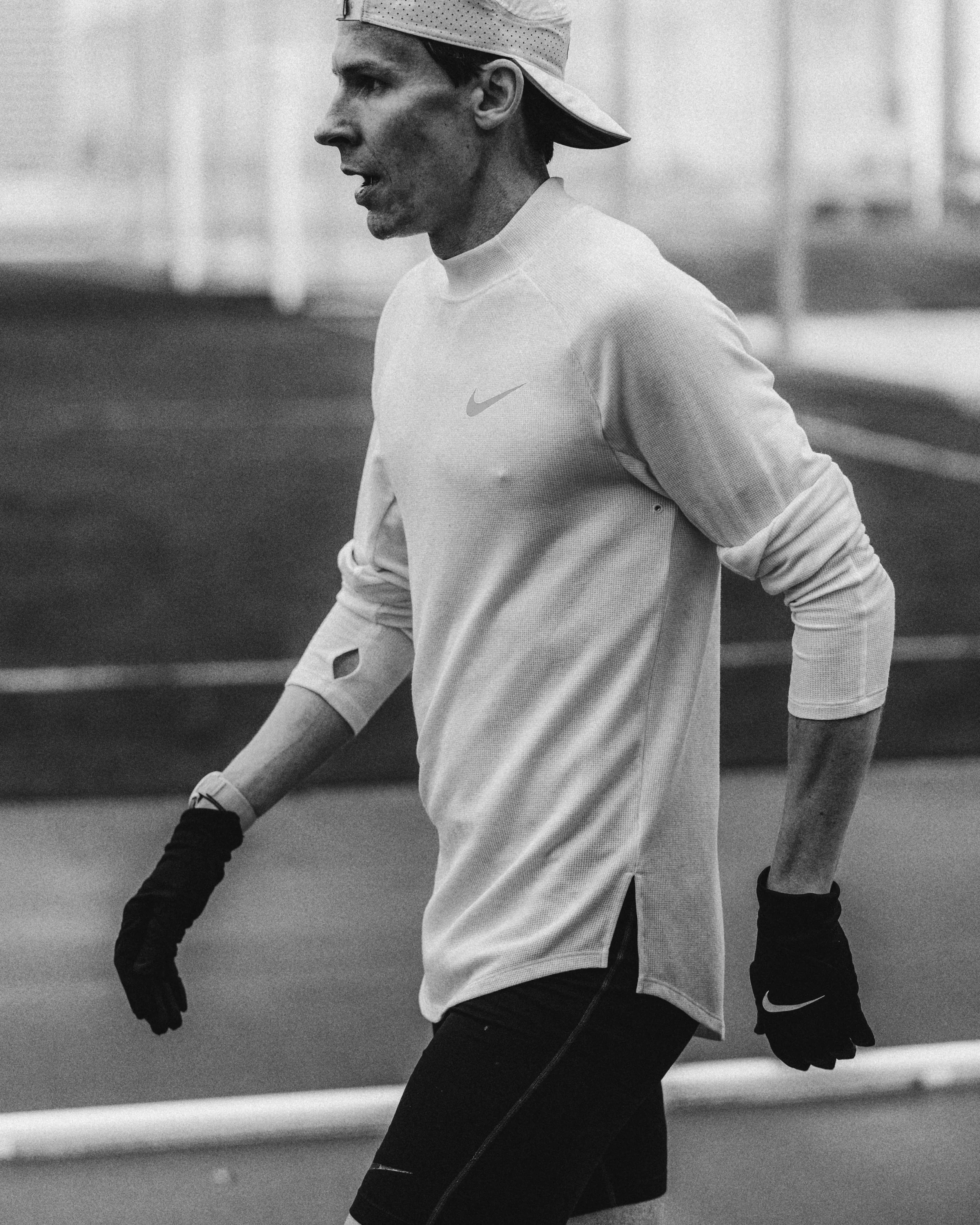
Andreas Almgren trains with quiet deliberation. Not in search of something dramatic, but in search of something repeatable. A session completed. A pace held. A body that responds the way it should.
Up here, the days are simple. Run. Eat. Rest. Run again. The horizon doesn’t move much, and neither does the plan. That is the comfort. There is no need to chase anything while he is here. The only task is to stay within the work.
Before long, he will drive back toward Granada. The air will thicken, the world will grow loud again. Castellón will demand a measure, a proof, a number.
Here, at 2,300 meters, everything else falls away. One more controlled session, one more steady week. The next workout will come tomorrow, waiting quietly as it always does.
And for now, that is enough - enough to hold the moment, enough to trust the process, enough to simply keep rising.
SHARE
OTHER STORIES
-
born to endure
CULTURE
-
from the track to freedom
INTERVIEW
-
The first step
CULTURE
-
A Nordmarka Classic
CULTURE
-
The Art of Fast Skis
INTERVIEW
-

Nattvasan
CULTURE