Stockholm is not a mountain town
To run in Stockholm is often to understand that if you cannot go high, you go far instead.
There are no towering ridgelines waiting at the edge of the city. No alpine passes disappearing into thin air. The terrain here moves differently. Softer. Flatter. More fragmented. Yet vast in its own way.
For many people living here, the archipelago means something deeper than just escape. The ferries start running fuller. Morning light returns. Suddenly life moves outdoors again.
In many ways, the archipelago is Stockholm’s version of the mountains. A place to disappear into. A place where distance matters more than elevation. Where adventure is built horizontally instead of vertically.
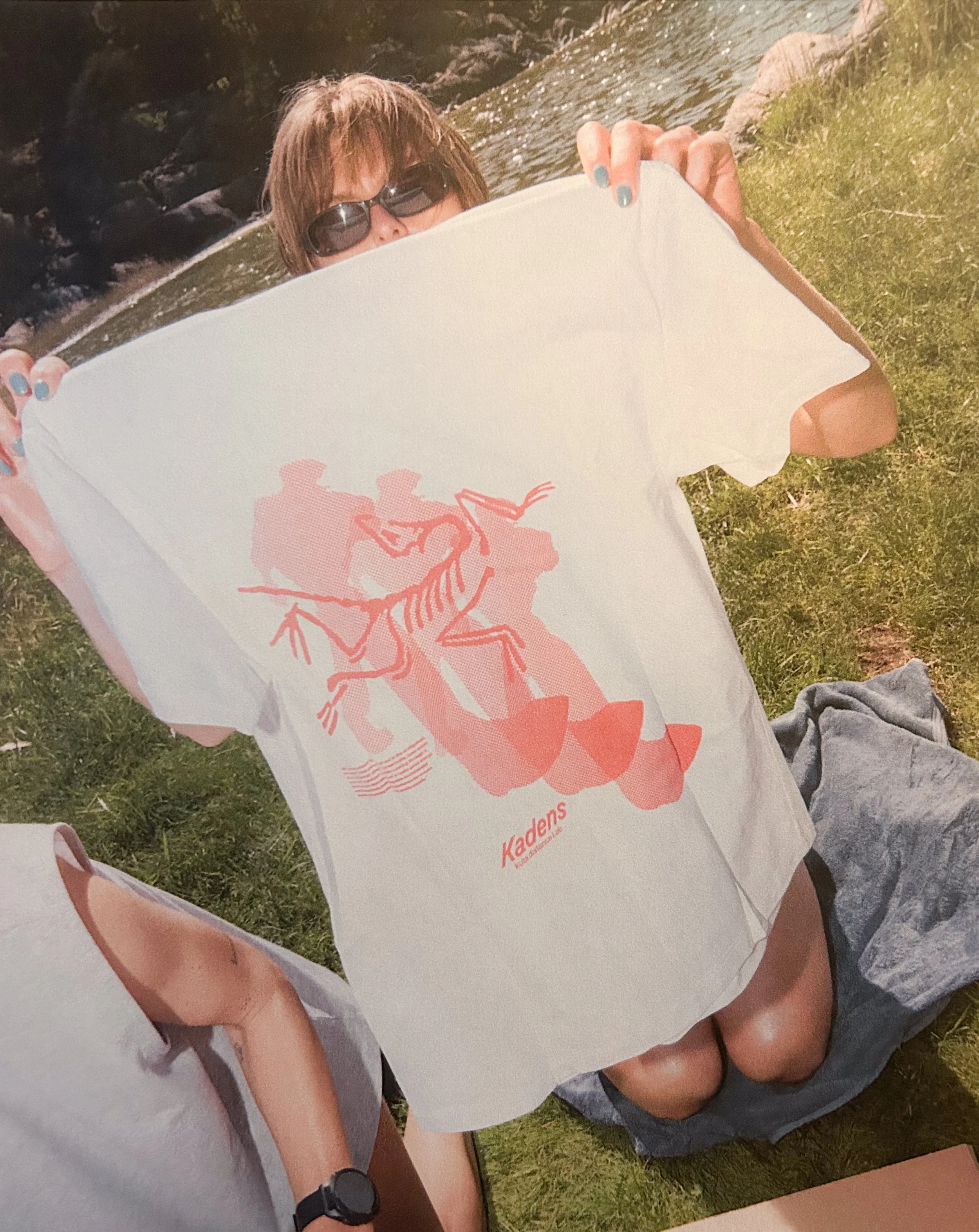
Arc'teryx and KUTA Distance L.ab share a similar idea of what running can be. Less about constant optimisation, more about movement, landscape and community. Together, they set out to create a day in the archipelago that felt immersive, intentional and slightly removed from the pace of everyday life.
Written by Henrik Rostrup
Photos by Sebastian Sandblad
June 2026
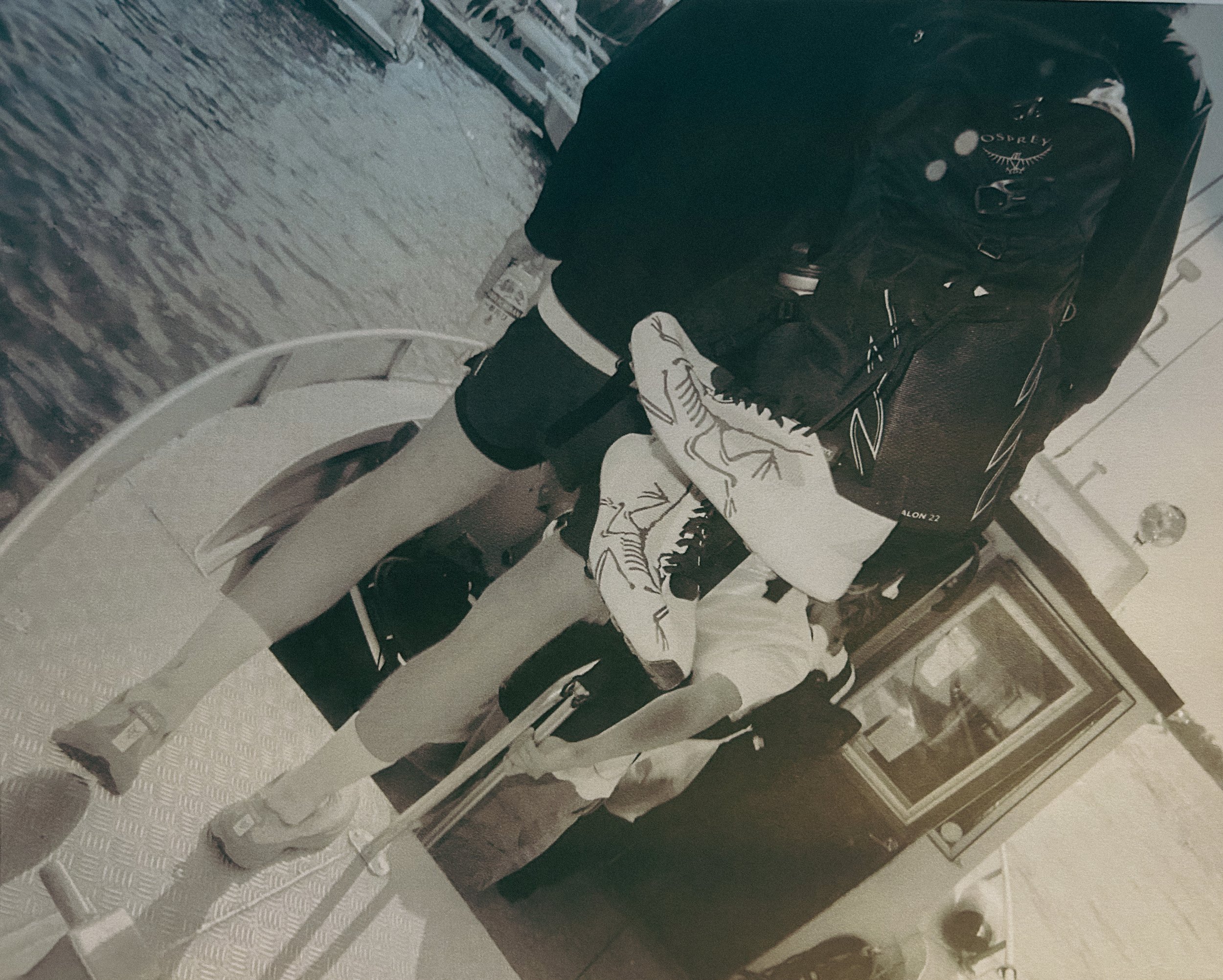
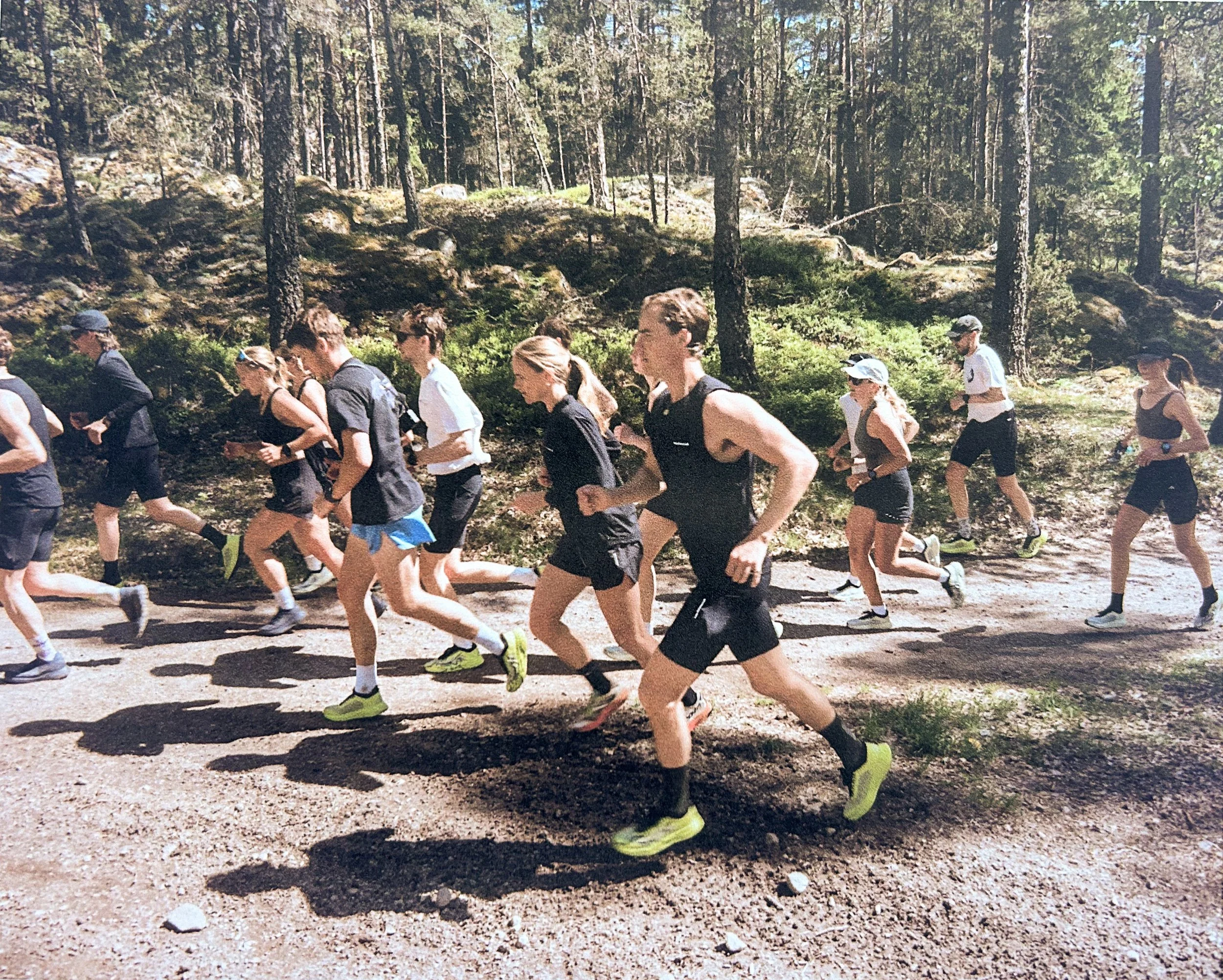
On a warm Saturday morning, two boats leave Nybrokajen carrying twenty-four runners towards Grinda.
The premise is simple. Leave your phone behind. Leave your sports watch behind too.
Not everyone fully complied, of course. And honestly, there was something slightly amusing about quietly seeing the route appear on Strava afterwards anyway.
But Olle’s rules were clear. Don’t obsess over the pace. Turn off the notifications. Don’t upload anything before the day is actually over. The idea was never to reject performance.
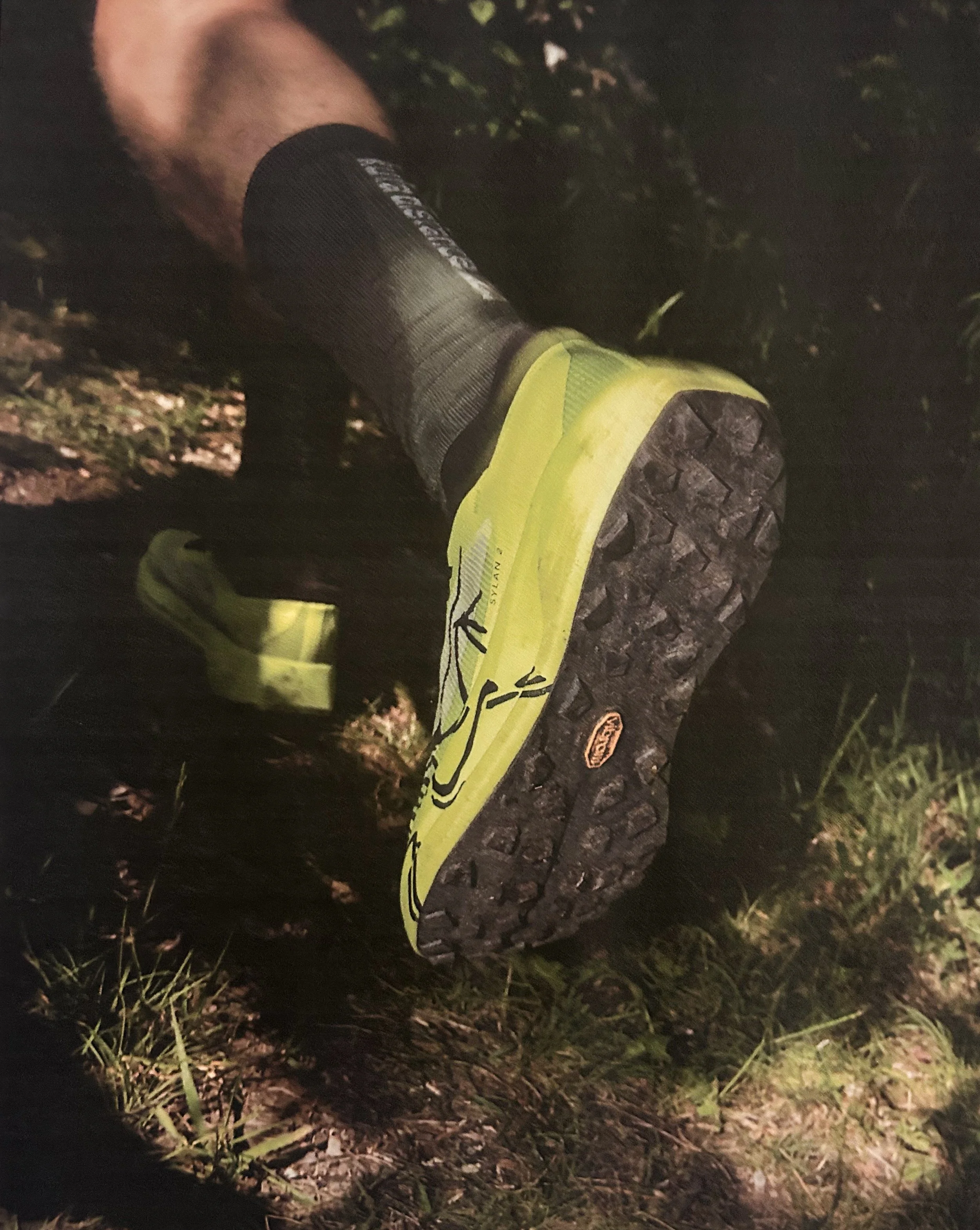
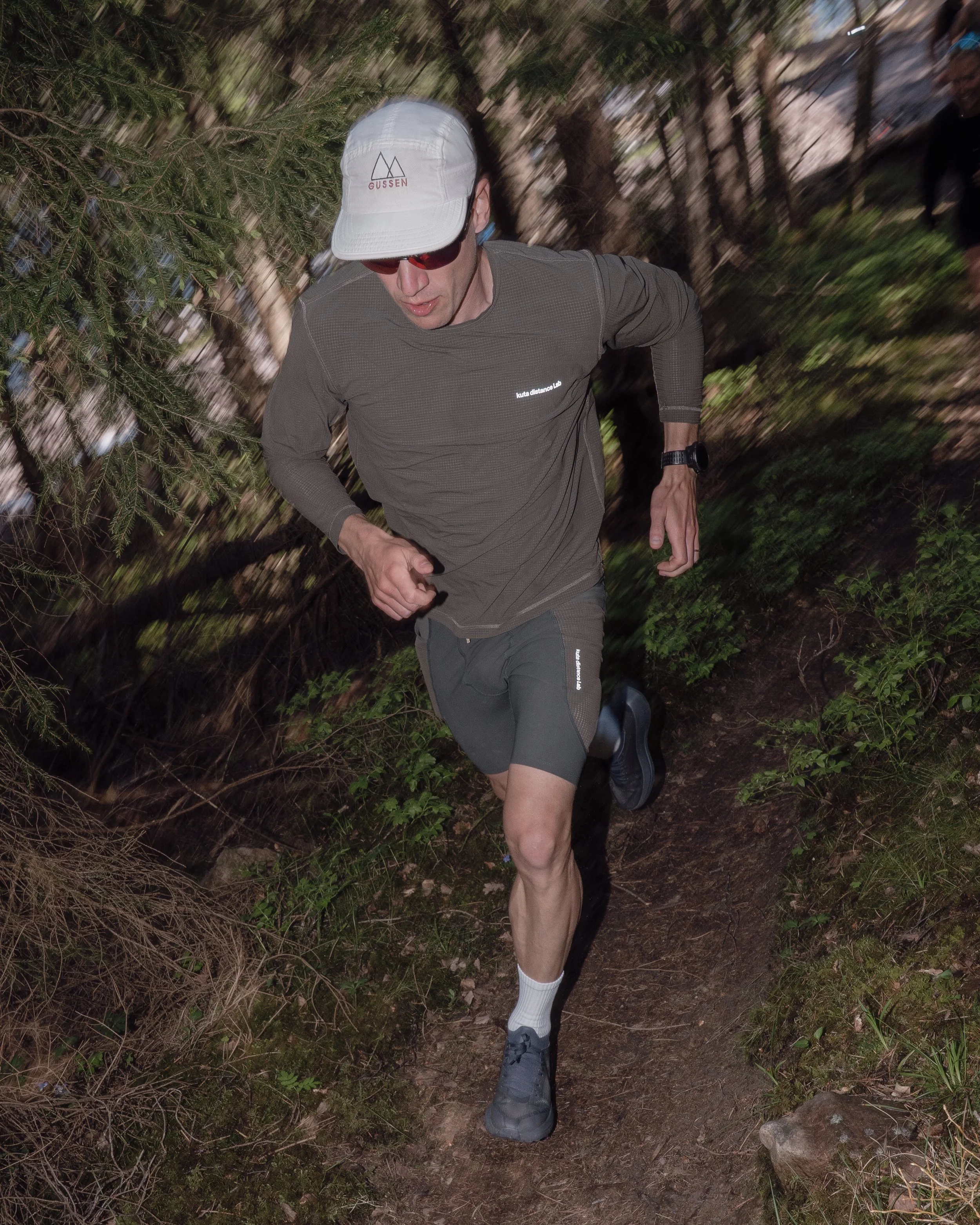
The Arc'teryx Sylan 2 is built for moving quickly through technical terrain, and Grinda wastes very little time proving that point.
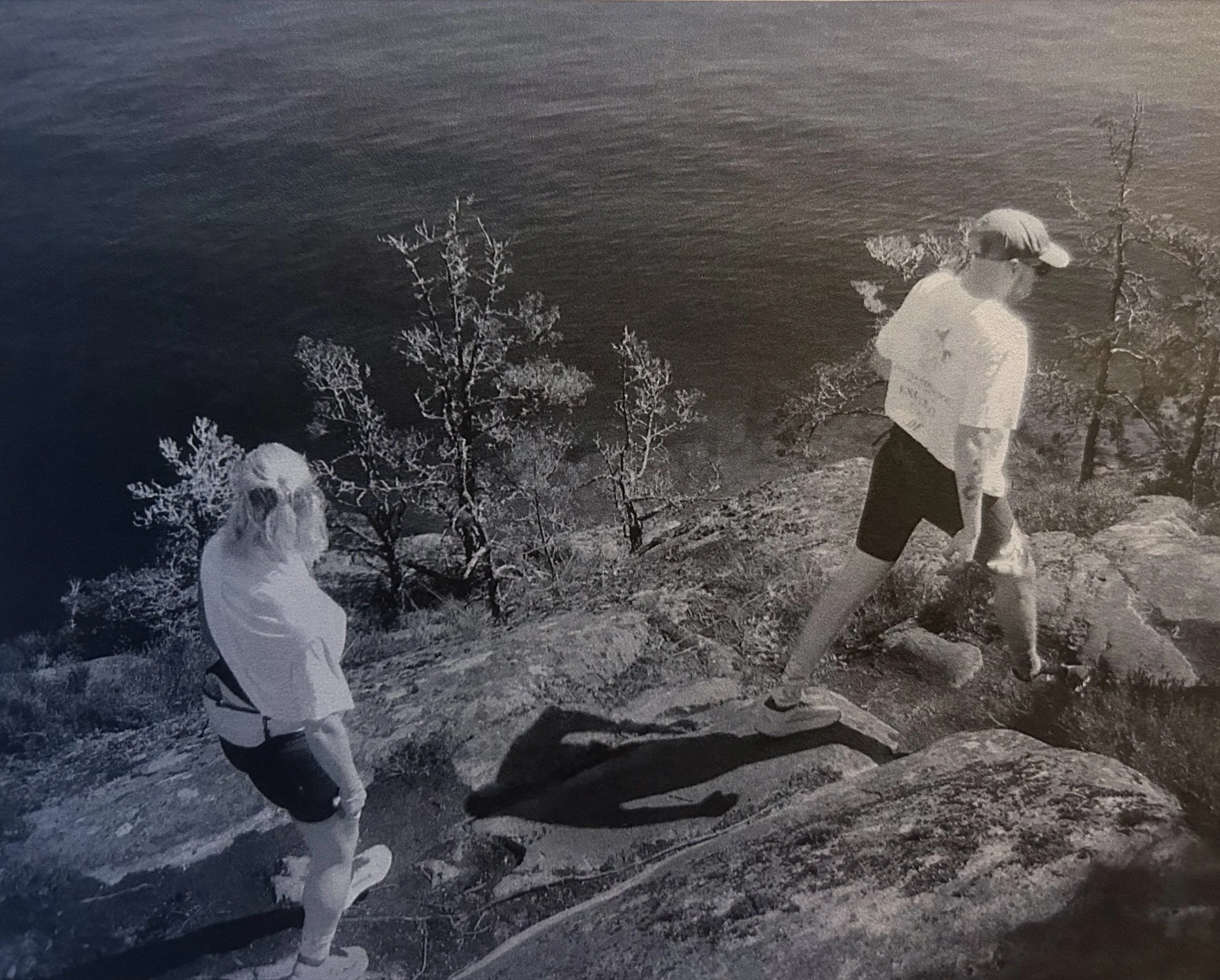
The route loops roughly 10 kilometres around the island, though the terrain makes it feel longer. Some head out for a second lap. Others stay closer to the water. Twisting singletrack cuts through pine forest before spilling out onto exposed granite slabs above the Baltic Sea.
Many people think of the archipelago as smooth granite, sailboats and leisurely summer afternoons. Grinda has other ideas.
Roots catch inattentive feet. Short climbs arrive one after another. The terrain is technical, sustained and far more demanding than an island in the Baltic Sea has any right to be.
This is obviously not a söndagspromenad.
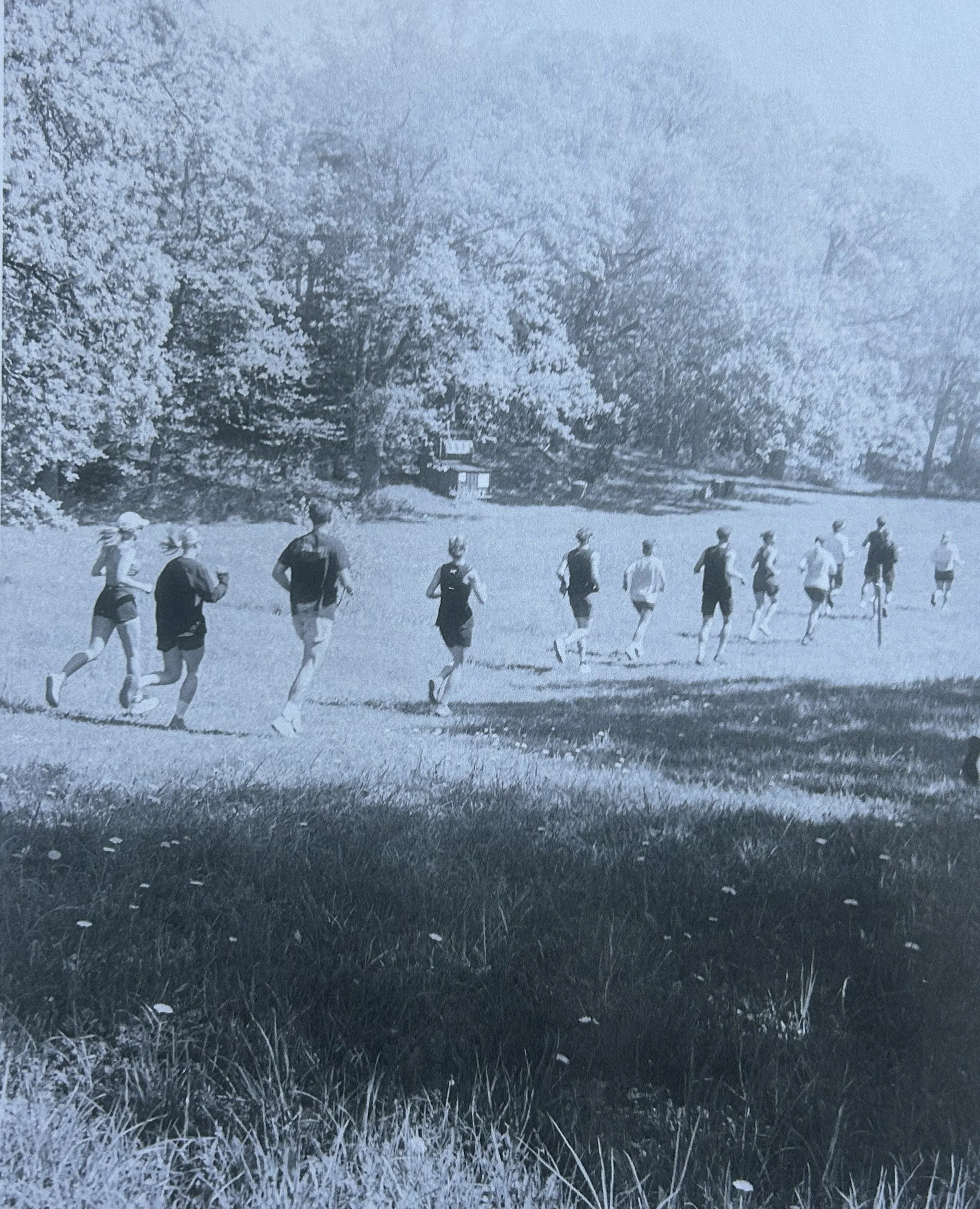
Even within a very experienced group of runners — including two marathoners fresh off sub-2:30 performances in Stockholm — the trail slowly begins extracting its payment.
Conversations fade in and out. Breathing becomes more noticeable. Legs grow quieter on the climbs.
Gustav had somehow decided to bring a baby carriage onto the trails. A decision that works surprisingly well right up until Grinda turns rocky, root-filled and unapologetically technical.
It happens to be one of the first genuinely warm days of the year. Bodies still calibrated for cool spring mornings begin overheating on exposed granite. Water bottles empty faster than expected. Salt dries across black caps and sunburnt shoulders.
The sea, meanwhile, remains entirely unconvinced by the season. Declining a swim hardly qualifies anyone as a badkruka.
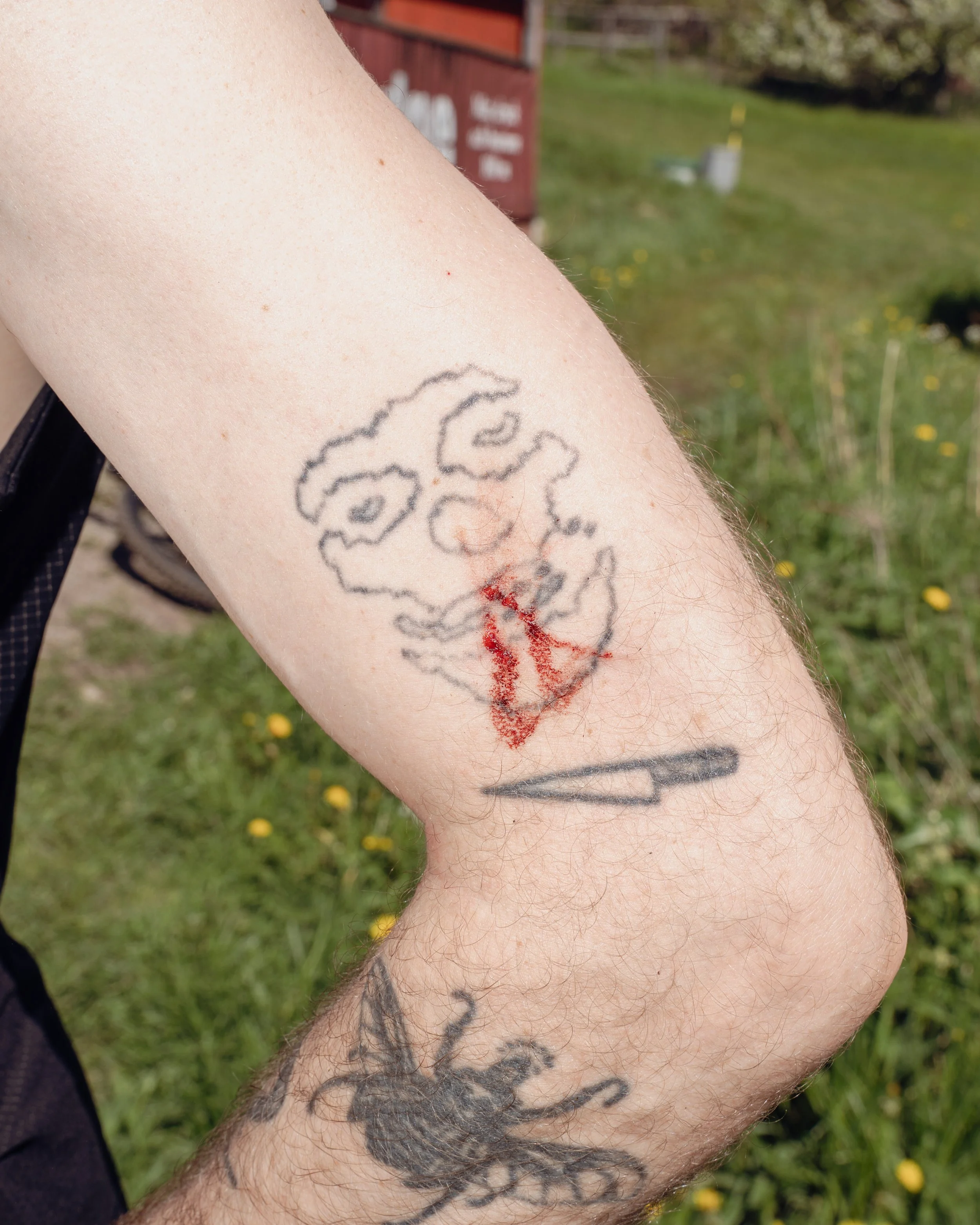
Hours later, tired legs return to camp.
Waiting there is perhaps Sweden’s greatest culinary achievement.
The tunnbrödsrulle.
Emil, our chef for the day, already has everything lined up and ready.
Soft flatbread wrapped around mashed potatoes, sausage, shrimp salad, crispy onions and whatever else seems reasonable at the time. Equal parts questionable and perfect. A meal that makes very little sense on paper and complete sense after a day spent running trails beside the sea.
Some disappear towards the sauna. Others settle onto the warm granite with no particular plan for the afternoon.
And somewhere between the boat ride, the running, the cold water and the tunnbrödsrulle, the day becomes something slightly different from a brand event.
A reminder that the best adventures are rarely measured in vertical metres or personal bests. Sometimes they are measured in ferry crossings, sunburnt noses and the feeling that, for one day at least, there was nowhere else you needed to be.